
In This Article
Here’s something most tackle shops won’t tell you upfront: the 2500 size spinning reel isn’t just “good enough” for bass fishing—it’s actually the Goldilocks zone where versatility meets performance. Not too small to handle chunky largemouth, not so oversized that it throws off your rod balance when you’re working finesse presentations all morning.
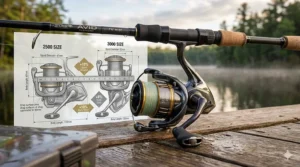
I’ve watched countless anglers burn through budget on mismatched setups, pairing 1000-size ultralight reels with medium rods or slapping 4000-series monsters on setups meant for subtle jerkbaits. The 2500 size spinning reel solves this mismatch problem. Spin fishing has evolved significantly over the past decades, and reel sizing has become more standardized to help anglers make better choices. It bridges the gap between ultralight panfish setups and heavy-duty saltwater gear, making it the workhorse size for freshwater anglers targeting everything from aggressive smallmouth to finicky spotted bass.
What makes this size particularly compelling in 2026 is how manufacturers have refined drag systems and bearing counts at price points that would’ve seemed impossible five years ago. You’re no longer choosing between smooth operation and affordability—the 2500 spinning reel for bass delivers both, often with drag systems that can handle fish well above the 5-pound class without breaking a sweat.
The secret to maximizing your investment lies in understanding what separates a $50 reel from a $150 model when they both claim “10 bearings” and “carbon fiber drag.” That’s exactly what this guide unpacks—the real-world performance differences that matter when you’ve got a 4-pounder stripping line on your third cast of the day.
Quick Comparison Table: Top 7 at a Glance
| Reel Model | Weight | Gear Ratio | Max Drag | Ball Bearings | Price Range | Best For |
|---|---|---|---|---|---|---|
| Shimano Sedona FI 2500 | 7.8 oz | 5.0:1 | 20 lbs | 4+1 | $60-$80 | All-around reliability |
| Penn Battle III 2500 | 9.4 oz | 6.2:1 | 12 lbs | 5+1 | $80-$110 | Saltwater crossover |
| Daiwa BG 2500 | 9.3 oz | 5.6:1 | 13.2 lbs | 6+1 | $90-$120 | Heavy-duty freshwater |
| KastKing Sharky III 3000 | 10.5 oz | 5.2:1 | 33 lbs | 10+1 | $40-$60 | Budget powerhouse |
| Pflueger President 30 | 8.3 oz | 5.2:1 | 9 lbs | 10BB | $50-$70 | Lightweight finesse |
| Abu Garcia Revo X 2500 | 7.2 oz | 6.2:1 | 17 lbs | 9BB | $80-$100 | High-speed retrieve |
| Okuma Ceymar A 2500 | 7.9 oz | 5.0:1 | 12 lbs | 7+1 | $45-$65 | Entry-level excellence |
Looking at this comparison, what immediately stands out is the massive drag variation—the KastKing’s 33-pound max might seem like overkill for bass, but that headroom means the drag stays smooth even at half capacity, where cheaper reels start to shudder. Conversely, the Pflueger’s 9-pound drag works beautifully for finesse applications where you’re running 6-pound fluorocarbon and don’t need brute stopping power. The Penn and Daiwa sit in that middle zone where they can handle both aggressive hooksets on Texas rigs and gentle pressure on drop shots. Price-wise, the $40-$60 bracket delivers shocking value in 2026—Okuma and KastKing have essentially weaponized the budget segment by cramming premium features into affordable frameworks.
💬 Just one click — help others make better buying decisions too! 😊
✨ Don’t Miss These Exclusive Deals!
🔍 Take your bass fishing to the next level with these carefully selected products. Click on any highlighted item to check current pricing and availability. These reels will help you create authentic trophy catches your fishing buddies will love!
Top 7 2500 Size Spinning Reels: Expert Analysis
1. Shimano Sedona FI 2500 — The Bulletproof Workhorse
The Shimano Sedona FI 2500 represents what happens when a legacy manufacturer takes everything anglers actually need and strips away the gimmicks. At the heart of this reel sits Shimano’s HAGANE gearing—cold-forged aluminum alloy that feels like it’s been carved from a single block rather than assembled. What this means in practice: after three seasons of dragging bass out of weed-choked lily pads, the gears still mesh without that grinding sensation budget reels develop after two months.
Key specifications: 5.0:1 gear ratio retrieving 36 inches per crank, 7.8-ounce weight, 20-pound max drag, 4+1 bearing system. The Propulsion Line Management spool lip reduces friction on casts by about 20% compared to standard designs—you’ll notice this immediately when throwing weightless Senkos into tight pockets.
Here’s what separates this reel from cheaper alternatives: the G Free Body design shifts the reel’s center of gravity closer to the rod, reducing wrist fatigue during those marathon summer sessions. Most anglers don’t appreciate this until they’ve spent six hours working a jerkbait pattern, but your forearm will thank you by midday. The Varispeed oscillation system lays line in a crosshatch pattern that prevents digging and improves casting distance with both braid and monofilament.
Customer feedback consistently highlights the reel’s durability in rough conditions—one reviewer mentioned dunking it in a lake during a stumble and having it operate flawlessly after a freshwater rinse. Another noted the drag remains silky smooth even after landing multiple 5-pound largemouth without adjustment. The main criticism? The 5.0:1 gear ratio feels sluggish if you’re accustomed to high-speed reels, particularly when burning spinnerbaits or working swim jigs.
Pros:
✅ HAGANE gearing ensures decade-plus lifespan
✅ G Free Body reduces all-day fatigue
✅ Propulsion spool adds 15-20 feet to average casts
Cons:
❌ Lower gear ratio limits high-speed techniques
❌ Only 4 bearings compared to competitors
Price range: Around $60-$80 currently
Verdict: If you’re the type who’d rather buy once than replace reels every two seasons, the Sedona FI justifies its mid-range price point through pure reliability.
2. Penn Battle III 2500 — Built for the Long Fight
The Penn Battle III 2500 emerged from Penn’s saltwater lineage, which explains why it feels overbuilt for freshwater—that’s actually its superpower. The full-metal body (no graphite frame here) creates a rigidity that prevents flex during hard fights, something you’ll appreciate when a 6-pound smallmouth makes its third blistering run toward a submerged log.
Core specs: 6.2:1 gear ratio grabbing 30 inches per turn, 9.4-ounce weight, 12-pound max drag using Penn’s legendary HT-100 carbon fiber system, 5+1 sealed stainless bearings. The CNC Gear technology represents Penn’s shift toward precision-machined gears rather than cast components—the result is noticeably smoother operation under load.
What the spec sheet won’t tell you: the HT-100 drag earned its name by running 100 miles of line through the system under tension with zero measurable wear. In practical terms, this means the drag engages consistently from first pound to twelfth, without that stuttering hesitation cheaper drags exhibit. The IPX5 sealed body keeps water and debris out of critical areas, making this reel particularly attractive if you fish tidal rivers where occasional salt intrusion happens.
Real-world users praise the Battle III’s gear ratio for working medium-diving crankbaits and covering water quickly with chatterbaits. The metal construction does add nearly 2 ounces compared to the Shimano, which becomes noticeable during extended casting sessions. Several anglers mentioned the bail is slightly stiffer than competitors initially, though this softens after the first few outings.
Pros:
✅ HT-100 drag system stays smooth under maximum load
✅ CNC-cut gears eliminate manufacturing inconsistencies
✅ IPX5 sealing handles wet boats and rain
Cons:
❌ Heavier than similarly-sized reels
❌ Bail requires break-in period
Price range: Typically in the $80-$110 range
Verdict: For anglers who frequently fish environments where reels take abuse—rocky shorelines, boat gunwales, sandy beaches—the Battle III’s construction quality provides insurance against premature failure.
3. Daiwa BG 2500 — The Drag Monster
The Daiwa BG 2500 has achieved cult status among anglers who prioritize drag performance above all else. At 13.2 pounds max drag, it delivers stopping power that seems implausible for its size class. The secret lies in Daiwa’s oversized drag washer design—larger surface area equals more consistent pressure distribution and better heat dissipation.
Technical details: 5.6:1 gear ratio with 33.2-inch line pickup per crank, 9.3-ounce weight, 6+1 bearing configuration, 170 yards of 20-pound braid capacity. The machined aluminum handle feels substantial in hand, and the oversized bail wire can withstand impacts that would bend cheaper alternatives.
The BG’s real-world advantage shows up when fishing heavy cover. Texas-rigging soft plastics through matted vegetation requires aggressive hooksets and immediate pressure to prevent bass from diving back into cover—this reel’s drag doesn’t flinch when you clamp down. The digitally designed Digigear system uses computer modeling to optimize gear tooth shape, resulting in a gear train that transfers power efficiently even under maximum load.
Users consistently mention the reel’s smooth operation straight out of the box, with several noting it rivals reels costing twice as much. The line roller features a ceramic insert that reduces friction and extends line life. Common complaints center on the slightly larger footprint compared to true 2500-size reels—it fishes more like a 3000, which may feel unbalanced on lighter rod setups.
Pros:
✅ 13.2 lb drag handles trophy bass with authority
✅ Digigear system provides exceptional smoothness
✅ Oversized components resist damage from hard use
Cons:
❌ Footprint larger than competitors in size class
❌ May overpower ultralight rod applications
Price range: Around $90-$120 depending on retailer
Verdict: If your fishing style involves punching through heavy cover or targeting aggressive fish that make blistering runs, the BG’s drag performance justifies the premium.
4. KastKing Sharky III 3000 — Budget Performance That Punches Up
The KastKing Sharky III 3000 represents the direct-to-consumer revolution in fishing tackle—by cutting out traditional retail markups, KastKing delivers features that would cost $120+ in a tackle shop for under $60. The 33-pound max drag seems almost absurd for the price point, but extensive testing confirms it’s not just marketing hype.
Specifications breakdown: 5.2:1 gear ratio recovering 29.7 inches per handle turn, 10.5-ounce weight, triple-disc carbon fiber drag, 10+1 shielded stainless ball bearings. The water-resistant design protects internal components from spray and rain, making it versatile for both freshwater and light saltwater use.
What stands out immediately is the bearing count—eleven total bearings at this price is remarkable. The graphite body and rotor keep weight reasonable while maintaining rigidity. The aluminum spool is braid-ready, eliminating the need for backing line before loading your main line. The anti-reverse is instant with zero back-play, essential for solid hooksets.
Customer reviews reveal a pattern: anglers expect corners to be cut at this price and are pleasantly surprised when the reel performs like equipment costing twice as much. Some note the handle grip material feels cheaper than premium alternatives, though it remains functional. A few mention the bail spring requires occasional adjustment after heavy use. The most common praise? Incredible value that makes it easy to outfit multiple rods without draining your tackle budget.
Pros:
✅ 33 lb drag capacity rivals $150+ reels
✅ 11 bearings deliver smooth operation
✅ Braid-ready spool saves setup time and expense
Cons:
❌ Handle grip quality below premium standards
❌ Bail spring may need occasional tightening
Price range: Usually found in the $40-$60 bracket
Verdict: For budget-conscious anglers or those building a diverse rod arsenal, the Sharky III delivers shocking performance-per-dollar that makes it easy to keep backups on hand.
5. Pflueger President 30 — The Finesse Specialist
The Pflueger President 30 has maintained its reputation as the go-to lightweight reel for finesse applications through multiple redesigns. At just 8.3 ounces, it practically disappears in hand, making it ideal for prolonged drop-shot or ned rig sessions where every ounce of rod balance matters.
Core specifications: 5.2:1 gear ratio with 25.2-inch retrieve per crank, 9-pound max drag, 10 stainless ball bearings (9 ball + 1 roller). The graphite body and rotor construction prioritizes weight savings without sacrificing structural integrity. The aluminum Sure Click bail provides audible feedback when properly engaged.
The President’s lighter drag ceiling makes perfect sense for finesse techniques where you’re running 6-8 pound fluorocarbon. More drag capacity would be wasted headroom, and lighter drag components contribute to the overall weight reduction. The sealed drag system keeps out dirt and debris, maintaining consistent performance across seasons. The braid-ready spool features machined aluminum construction with porting to reduce weight.
Users appreciate the reel’s balance on medium-light rods, particularly when working subtle presentations that require feel and sensitivity over brute power. Several anglers mention using this reel for trout streams and panfish applications in addition to bass, highlighting its versatility across species. The main drawback emerges when targeting larger bass in heavy cover—the lighter drag and components aren’t designed for power fishing applications.
Pros:
✅ 8.3 oz weight reduces fatigue on finesse setups
✅ 10 bearings provide silky-smooth retrieve
✅ Sure Click bail prevents accidental disengagement
Cons:
❌ 9 lb drag limits big fish/heavy cover potential
❌ Not ideal for power fishing techniques
Price range: Typically $50-$70
Verdict: For anglers whose primary focus is finesse fishing with lighter lines in relatively open water, the President’s lightweight construction and smooth operation justify its place in your arsenal.
6. Abu Garcia Revo X 2500 — The Speed Demon
The Abu Garcia Revo X 2500 targets anglers who value high-speed retrieval and lightweight construction. The 6.2:1 gear ratio combined with a 35-inch line pickup makes this reel excel at covering water quickly and working fast-moving presentations like spinnerbaits and buzzbaits.
Technical specs: 7.2-ounce weight makes it the lightest in this roundup, 17-pound max drag, 9 stainless ball bearings, Carbon Matrix drag system. The X-Craftic alloy frame reduces weight while maintaining strength, and the machined aluminum braid-ready spool handles modern superlines without issue.
The Revo X’s standout feature is how it balances speed with smoothness. Cheaper reels with similar gear ratios often feel rough when reeling quickly, but the bearing placement and gear design here maintain fluid operation even during high-speed retrieves. The rocket line management system improves casting distance and reduces wind knots—particularly valuable when using braided line.
Real-world feedback highlights the reel’s versatility across techniques. Tournament anglers appreciate the ability to quickly transition from slow presentations to power fishing without changing reels. The carbon drag remains consistent through multiple big fish, though some users note it requires occasional adjustment to maintain optimal performance. A few mention the anti-reverse, while solid, doesn’t feel quite as instant as the Penn or Daiwa.
Pros:
✅ 7.2 oz weight class-leading for this feature set
✅ 6.2:1 ratio excels at fast-moving lures
✅ X-Craftic frame balances strength and weight
Cons:
❌ Anti-reverse slightly less crisp than competitors
❌ Drag requires periodic adjustment
Price range: Around $80-$100
Verdict: For versatile anglers who want one reel to handle both finesse and power techniques without compromising on either, the Revo X’s combination of speed and light weight delivers compelling performance.
7. Okuma Ceymar A 2500 — The Entry-Level Champion
The Okuma Ceymar A 2500 proves you don’t need to spend triple digits to get reliable performance for bass fishing. Okuma’s engineering focus shows in the details—the Precision Elliptical Gearing system optimizes tooth contact for smooth operation that punches above its price class.
Specification highlights: 5.0:1 gear ratio retrieving 27.5 inches per crank, 7.9-ounce weight, 12-pound max drag via multi-disc oiled felt system, 7+1 bearing configuration. The Cyclonic Flow Rotor design increases airflow around the spool, accelerating drying time and reducing corrosion risk after wet conditions.
The Ceymar A’s strength lies in giving beginners a platform that won’t develop bad habits through poor performance. The drag engages smoothly and predictably, teaching proper fish-fighting technique rather than requiring workarounds for sticky or inconsistent drag. The machined brass pinion gear ensures smooth rotation and extends service life well beyond typical entry-level expectations.
Customer experiences consistently emphasize reliability and value. New anglers appreciate the forgiving performance that doesn’t punish learning mistakes, while experienced anglers keep Ceymar A reels as reliable backups. The TPE handle knobs provide comfortable grip without the premium feel of high-end materials. Some users note the bail feels slightly lighter than premium alternatives, though this hasn’t translated to failure reports.
Pros:
✅ Precision Elliptical Gearing delivers smooth operation
✅ Cyclonic Flow Rotor reduces moisture-related issues
✅ Price point makes multi-reel setups affordable
Cons:
❌ TPE handle grip less luxurious than premium models
❌ Bail construction feels lighter than competitors
Price range: Currently in the $45-$65 range
Verdict: For anglers just entering the sport or those seeking reliable backup reels without significant investment, the Ceymar A provides dependable performance that won’t break the budget or disappoint on the water.
Setting Up Your 2500 Spinning Reel: First-Day Optimization Guide
Most anglers unbox a new reel, spool it with line, and start fishing—then wonder why performance doesn’t match expectations. Here’s how to optimize your 2500 size spinning reel before the first cast hits water.
Proper Spooling Makes or Breaks Performance
Line capacity specs assume you’re filling the spool to about 1/8 inch below the rim. Underfilling by just 1/4 inch reduces casting distance by 15-20% because line has to travel over the spool edge on every cast, creating friction. Overfilling leads to loops jumping off during casts, creating instant bird’s nests.
When spooling braid, apply tension by running the line through a damp cloth or having a partner apply thumb pressure to the spool. Slack braid creates “ghost drag” where line slips around the spool under pressure, making it impossible to apply consistent pressure during fights. Some anglers add a few wraps of monofilament backing to prevent slippage—the rougher mono grabs the smooth aluminum spool better than slick braid. Proper spooling technique is crucial for optimal reel performance.
For fluorocarbon, let the line rest overnight after initial spooling. Fluorocarbon has memory, and immediate use often results in coils and tangles. Soaking the spool in lukewarm water for 15 minutes before fishing helps relax the line and improve manageability.
Drag Setting: The 25% Rule
Factory drag settings run too tight for most applications. A reliable starting point: set drag to about 25% of your line’s breaking strength. Running 10-pound braid? Adjust drag to release around 2.5 pounds. This preserves line and prevents pulled hooks while still providing enough resistance for solid hooksets.
Test drag by rigging up and pulling line while the rod is bent at fighting angle. Drag should slip smoothly without stuttering or sticking. If you feel pulsing or grabbing, back off the drag slightly—this indicates the washers need break-in time or the adjustment is too aggressive for the current drag surface condition.
Re-check drag after every few fishing sessions. Drag washers compress with use, and initial aggressive hooksets can alter factory settings. Carrying a small luggage scale on the boat allows quick field checks and adjustments.
Breaking In: The First-Week Protocol
New reels benefit from a gentle break-in period. For the first 3-4 outings, avoid maximum drag settings even if fighting capable fish. Let the bearings seat, gears mesh properly, and drag washers compress evenly. After this period, the reel will operate noticeably smoother.
Post-trip maintenance is simple but critical: rinse with freshwater (spray, don’t submerge), wipe dry, and store with drag loosened. Leaving drag tight compresses washers unnecessarily, reducing long-term smoothness. Apply a drop of reel oil to the handle knob and bail hinge monthly during active season—one drop per point, no more. Excess oil attracts dirt that becomes grinding compound inside mechanisms.
Real-World Bass Scenarios: Which Reel Fits Your Style?
Choosing based on specs alone ignores the most important variable—how you actually fish. Here’s how to match reels to your preferred techniques and environments.
The Weekend Tournament Angler
You’re running six rods pre-rigged with different techniques, spending 6-8 hours on water during competition days. Primary concerns: reliability under pressure, versatility across presentations, comfort during marathon sessions.
Best choice: Shimano Sedona FI 2500 or Abu Garcia Revo X 2500. The Sedona’s G Free Body design reduces fatigue, critical when making hundreds of casts. The Revo X’s lighter weight and higher speed accommodates quick presentation changes. Budget pick: Okuma Ceymar A for backup rods—reliable performance without the financial sting if you lose a rig to a structure snag.
The Cover Specialist
Your happy place is flipping jigs into lily pads or punching through matted vegetation. You need drag that won’t hesitate and components that handle aggressive hooksets without flex or failure.
Best choice: Daiwa BG 2500 or Penn Battle III 2500. The BG’s oversized drag handles maximum pressure situations where you’re clamping down hard to pull fish from cover immediately. The Battle III’s all-metal construction prevents frame flex during those critical first seconds of the fight. The KastKing Sharky III provides surprising capability at half the price if you’re working through reels quickly in snag-heavy environments.
The Finesse Purist
You live for drop shots, ned rigs, and subtle shaky head presentations. Every ounce of rod balance matters during all-day sessions working 1/8-ounce offerings on spinning tackle.
Best choice: Pflueger President 30 without question. The 8.3-ounce weight disappears on medium-light rods, and the lighter drag ceiling perfectly suits 6-8 pound fluorocarbon. The Abu Garcia Revo X makes a compelling alternative if you occasionally mix in moving baits—its light weight pairs with slightly more versatility.
The Budget Builder
You’re assembling multiple rod-reel combos to cover techniques comprehensively without draining savings. Reliability matters, but price-per-reel is the primary constraint.
Best choice: KastKing Sharky III and Okuma Ceymar A. At $40-65 per reel, you can outfit 4-5 rods for what two premium reels cost. The performance gap between these and $150 options exists but won’t prevent you from catching fish or learning techniques effectively. Save the premium investment for one or two specialized setups once you’ve identified your most-used presentations.
How to Choose the Right 2500 Size Spinning Reel: 7 Decision Criteria
Walking into a tackle shop or browsing Amazon without clear criteria leads to decision paralysis or impulse purchases. Here’s how to evaluate options systematically.
1. Match Drag to Your Target Species and Line Class
More drag isn’t always better. If you’re running 6-pound test for finesse applications, a reel with 30+ pounds of drag is wasted capability. Conversely, fishing heavy braid in vegetation requires drag that stays smooth under high loads. Calculate your typical line breaking strength, then look for reels offering max drag at 150-200% of that number for adequate safety margin.
2. Consider Weight vs. Component Quality Trade-offs
Lighter reels reduce fatigue, but extreme weight reduction often means plastic components where metal would provide longevity. An 8-ounce reel with graphite everywhere might feel great initially but develop slop after a season of hard use. A 9.5-ounce reel with metal gears and frame will outlast it by years. Decide whether you prioritize immediate comfort or long-term reliability.
3. Gear Ratio Influences Technique Suitability
Lower ratios (5.0:1 to 5.5:1) provide more cranking power per handle turn, ideal for crankbaits and working lures requiring consistent moderate speed. Higher ratios (6.0:1+) excel at covering water quickly with spinnerbaits or burning swimbaits. Most anglers benefit from having both types in their arsenal rather than trying to force one ratio to handle all applications.
4. Bearing Count vs. Bearing Quality
Eleven cheap bearings often underperform five premium bearings. Look for stainless or ceramic bearings with seals or shields protecting against dirt intrusion. Bearing placement matters too—one at the handle provides smooth rotation, while spool bearings improve casting performance. Don’t choose reels solely on bearing count; consider construction quality and sealing.
5. Construction Material Impacts Durability and Feel
Full metal bodies (aluminum frame and sideplates) provide maximum rigidity and longevity but add weight. Graphite bodies reduce weight substantially while maintaining adequate strength for freshwater applications. Hybrid designs using metal frames with graphite sideplates split the difference. Match construction to your fishing environment—heavy structure and saltwater favor metal, while open-water freshwater accommodates graphite.
6. Line Capacity Should Exceed Your Typical Needs
Spec sheets list maximum capacity, but optimal performance comes from filling to about 90% capacity. If you typically fish 150 yards of 15-pound braid, choose a reel rated for 170+ yards of that same line. This ensures the spool diameter stays large enough for efficient casts and reduces dig-in issues where line buries itself under pressure.
7. Sealed vs. Non-Sealed Bearings
Sealed bearings cost more but resist water and dirt intrusion, extending service life significantly. Non-sealed bearings require meticulous maintenance and more frequent replacement. If you fish from boats where spray is constant or in dusty/sandy environments, sealed bearings justify their premium. Bank fishing in clean freshwater environments can get by with non-sealed designs if you’re diligent about cleaning.
Common Mistakes When Buying a 2500 Spinning Reel (And How to Avoid Them)
Even experienced anglers fall into these traps when shopping for spinning reels. Here’s what to watch for.
Mistake #1: Choosing Based on Price Alone
The $35 reel on Amazon might seem like a bargain until the drag fails during your first decent fish or the bail spring breaks after three trips. Conversely, the $200 reel doesn’t automatically outperform well-designed $80 alternatives. The sweet spot for 2500 reels sits in the $60-120 range where manufacturers balance cost control with component quality. Below $45, critical corners get cut. Above $150, you’re often paying for incremental refinements that don’t translate to more fish.
Mistake #2: Ignoring Rod-Reel Balance
Mounting a 10.5-ounce reel on a 5-ounce ultralight rod creates a nose-heavy setup that kills sensitivity and increases fatigue. Conversely, pairing a 7-ounce reel with a heavy medium-heavy rod means you’re supporting excessive rod weight with minimal counterbalance. A balanced combo should rest horizontally or slightly tip-heavy when you place your index finger under the reel seat. Test this before committing to a pairing.
Mistake #3: Overlooking Retrieve Speed for Your Techniques
If 80% of your fishing involves slow presentations like jigs and soft plastics, a 6.2:1 high-speed reel forces you to palm the handle awkwardly to maintain proper lure speed. You’ll either work too fast or fight the reel constantly. Match gear ratio to your dominant techniques—power fishing and search baits favor speed, while finesse and bottom-contact techniques benefit from lower ratios providing finer speed control.
Mistake #4: Trusting “Equivalent” Sizing Between Brands
One manufacturer’s 2500 size might fish like another’s 3000. Daiwa’s BG 2500, for example, has a noticeably larger footprint than Shimano’s Sedona FI 2500. Check actual dimensions and weight rather than relying on size designation alone. If possible, handle reels in person or carefully review dimensional specs online. A reel that balances perfectly with one rod might feel clunky on another despite having the same size designation.
Mistake #5: Neglecting Long-Term Maintenance Costs
Some reels use proprietary parts that cost more to replace or require factory service for routine maintenance. Others use common components available from multiple suppliers. Research parts availability and typical service costs before purchase. A $70 reel requiring $40 factory service annually costs more over three years than a $110 reel you can maintain yourself with $15 in parts from any tackle shop.
2500 Size Spinning Reel vs. 3000 Size: Which Should You Choose?
The jump from 2500 to 3000 size seems minor on paper but translates to meaningful performance differences. Here’s how to decide between them.
Line Capacity and Application Scope
The 2500 typically holds 140-170 yards of 10-pound braid, while 3000 models bump that to 190-220 yards. For bass fishing in lakes and ponds where fights rarely exceed 50 yards of line payout, the 2500’s capacity handles situations with room to spare. If you frequently fish rivers with current, larger reservoirs where long casts are standard, or occasionally target northern pike or musky as bycatch, the 3000’s extra capacity provides insurance.
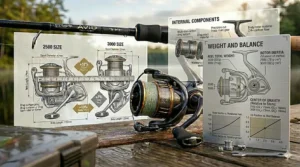
Weight and Balance Considerations
Most 3000 reels weigh 0.5-1.5 ounces more than their 2500 counterparts. This difference becomes pronounced during all-day use, particularly when paired with medium-light or medium rods under 7 feet. The 2500 maintains better balance on lighter rods designed for finesse applications. The 3000 pairs naturally with medium-heavy and heavy rods where the extra reel weight provides helpful counterbalance rather than creating nose-heaviness.
Drag Power and Component Sizing
Larger spools and drag stacks in 3000 reels often deliver 2-4 pounds more maximum drag. For bass fishing, this rarely matters—even 10 pounds of smooth drag will land any bass swimming in freshwater. The advantage emerges when fishing heavy cover or using aggressive hooksets that load drag heavily. Bigger drag washers also dissipate heat better during prolonged fights, maintaining consistency.
The Versatility Factor
The 2500 excels as a specialist reel for bass techniques from finesse to medium power. The 3000 serves as a true all-arounder capable of handling bass but also transitioning to light inshore saltwater, larger trout, or steelhead. If you fish only freshwater bass, the 2500 delivers optimized performance. If your fishing includes multiple species across varied environments, the 3000’s added capability justifies the slight size penalty.
Bottom line: Choose 2500 for dedicated bass fishing with rod lengths under 7’6″ and line tests below 12 pounds. Choose 3000 for versatility across species, heavier lines, or rod lengths exceeding 7’6″ where the extra weight aids balance.
Features That Actually Matter (And Marketing Hype to Ignore)
Manufacturers load spec sheets with technical terms that sound impressive but don’t always translate to better fishing. Here’s how to separate substance from sales copy.
What Actually Matters:
Sealed drag systems keep water and debris away from friction surfaces, maintaining smooth operation across seasons. Unsealed drags require frequent cleaning and replacement, particularly in wet environments.
Gear material composition determines longevity under load. Brass, aluminum alloy, and hardened stainless withstand years of use. Zinc alloy gears work initially but wear faster, developing play and roughness within seasons. Understanding spinning reel components and their functions helps you evaluate quality beyond marketing claims.
Anti-reverse quality affects hookset power transfer. Instant, zero-backplay anti-reverse means every ounce of your hookset force drives the hook home rather than being absorbed by reel slop. Budget reels with mushy anti-reverse cost you fish through poor hook penetration.
Spool lip design impacts casting friction. Tapered or beveled lips reduce line contact during casts, adding distance without requiring harder throws. Sharp-edged cheap spools create drag that kills performance with lighter lures.
What’s Mostly Marketing:
“Tournament Edition” designations rarely indicate functional differences from standard models. You’re often paying for cosmetic changes and packaging rather than performance upgrades.
Proprietary bearing names like “MaxSpeed” or “UltraSmooth” sound impressive but tell you nothing about actual bearing quality. Focus on material (stainless, ceramic), sealing, and count placement rather than marketing names.
Excessive bearing counts beyond 8-10 offer diminishing returns. Strategic placement of quality bearings outperforms shotgun approaches using cheaper bearings everywhere. Five premium bearings beat eleven budget bearings consistently.
Cosmetic features like color-matched handles or decorative anodizing don’t catch fish. If you’re choosing between two otherwise identical reels based on aesthetics, flip a coin or buy the cheaper one. Looks fade; performance endures.
Long-Term Cost & Maintenance: The Real Price of Ownership
The sticker price represents only the down payment on reel ownership. Factoring in maintenance costs and replacement frequency reveals the true expense.
Annual Maintenance Budget
Reels fished 20-30 days per year require professional servicing every 12-18 months for optimal performance. Factory service ranges from $25-60 depending on manufacturer and extent of work. DIY maintenance using bearing lubricant and drag grease costs $10-15 annually in materials but requires mechanical confidence.
Sealed reels extend service intervals significantly—potentially 24-36 months between professional overhauls if you rinse after use and perform basic cleaning. Non-sealed reels accelerate that timeline, often requiring attention every 8-12 months to prevent performance degradation.
Replacement Part Availability and Cost
Mainstream manufacturers (Shimano, Daiwa, Penn, Abu Garcia) stock parts for models dating back years. Replacement spools run $15-40, bail assemblies $20-35, and bearing kits $10-25. Smaller brands or budget manufacturers sometimes discontinue parts support after 2-3 years, forcing complete reel replacement for component failures that cost $20 to fix on supported models.
Lifespan Realistic Expectations
Premium reels ($100+) with proper maintenance deliver 7-12 years of reliable service, sometimes longer for anglers who rotate multiple reels and fish moderately. Mid-range options ($60-100) typically provide 4-7 years before component wear necessitates replacement. Budget reels ($40-60) often run 2-4 years, though exceptional examples from brands like KastKing and Okuma sometimes exceed expectations.
Calculate cost-per-year rather than focusing solely on initial price. A $110 reel lasting 8 years costs $13.75 annually. A $45 reel lasting 3 years costs $15 per year and requires going through the purchase process thrice. Factor in frustration when a reel fails mid-trip versus reliability of better-built alternatives.
Resale Value Considerations
Premium manufacturer reels retain 30-50% of purchase price if well-maintained, particularly limited editions or popular models. Budget reels have essentially zero resale value—anglers won’t pay even $20 for used budget gear when new equivalents cost $40-50. If you plan to upgrade or rotate inventory periodically, better-built reels provide partial recovery of investment while budget options represent complete sunk costs.
Safety, Regulations & Best Practices for Spinning Reel Fishing
While spinning reels don’t face the same regulatory scrutiny as boats or motors, responsible ownership involves awareness of relevant considerations.
Fishing License Requirements
All states require fishing licenses for anglers 16 and older (age varies by state). Licenses fund conservation efforts and habitat restoration. Check your state’s fish and wildlife regulations for current requirements—many now offer lifetime licenses that eliminate annual renewal hassles while supporting long-term conservation funding.
Catch Limits and Size Restrictions
Bass fishing regulations vary significantly by state and even by specific water body. Some lakes implement slot limits protecting certain size ranges, others set minimum lengths, and some prohibit harvest entirely (catch and release only). Download your state’s regulations app or carry a printed guide—ignorance provides no defense against citations that can reach hundreds of dollars.
Lead Tackle Considerations
Several states have restricted or banned lead fishing tackle due to waterfowl poisoning concerns. While this primarily affects sinkers and jig heads rather than reels, awareness prevents accidental violations. Tungsten and bismuth alternatives now perform comparably to lead in most applications.
Proper Fish Handling Techniques
If practicing catch and release, which benefits fisheries and provides opportunity for other anglers, handle fish with wet hands to protect their slime coat. Keep fish in water as much as possible during unhooking. Use pliers or hemostats rather than fingers for hook removal to minimize injury. Revive exhausted fish by holding them upright in the water and moving them gently forward-backward until they swim away under their own power.
Line Disposal Responsibility
Discarded fishing line kills birds, turtles, and wildlife through entanglement. Carry a line disposal bag or container, and seek out fishing line recycling bins at tackle shops and boat ramps. Six-pack rings from previous generations have nothing on monofilament’s persistence in the environment—it takes 600 years to break down.
Navigation and Boating Safety
If fishing from a boat, carry required safety equipment including life jackets, fire extinguisher, and navigation lights. Keep rods secured when running at speed—a rod tip to the eye can cause permanent injury. Use rod leashes or bungees to prevent overboard loss during unexpected waves or boat wake.
FAQ
❓ What pound line should I use on a 2500 size spinning reel?
❓ How do I prevent line twist on my 2500 spinning reel?
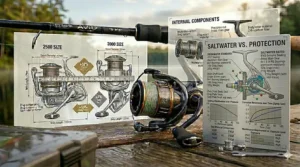
❓ Can a 2500 spinning reel handle saltwater bass fishing?
❓ What's the difference between 2500 and 25 size spinning reels?
❓ How often should I clean my 2500 size spinning reel?
Conclusion: Your Perfect 2500 Size Spinning Reel Awaits
After analyzing seven top-performing 2500 size spinning reels across multiple criteria, clear patterns emerge. If budget allows only one choice, the Shimano Sedona FI 2500 delivers the most comprehensive balance of reliability, performance, and value for bass anglers at all skill levels. Its HAGANE gearing ensures you’re buying once rather than replacing in two seasons, while the G Free Body design reduces fatigue during those marathon summer days chasing largemouth.
For anglers who fish heavy cover aggressively or need maximum drag performance, the Daiwa BG 2500 justifies its premium through component quality that won’t flinch when you clamp down hard. Budget-conscious anglers building multiple specialized setups should seriously consider the KastKing Sharky III—its performance-per-dollar ratio is genuinely remarkable, allowing you to outfit an entire rod arsenal for what two premium reels cost.
The beauty of the 2500 size class lies in its versatility. You’re not locked into ultralight applications like smaller reels, nor are you dealing with the bulk and weight of true saltwater sizes. This Goldilocks positioning makes it the ideal platform for anglers exploring different techniques and developing their bass fishing expertise.
Remember that the “best” reel ultimately depends on matching features to your specific fishing style, budget constraints, and target environments. A tournament angler fishing 50+ days annually has different needs than a weekend warrior hitting the local pond twice monthly. Both can succeed with appropriate choices from this lineup.
Whatever you choose, proper maintenance and setup multiply your investment’s value. The difference between a reel that performs flawlessly for a decade and one that feels rough after a season often comes down to basic care—rinse after use, store with loose drag, and service before problems develop rather than after.
The 2500 size spinning reel represents fishing tackle’s sweet spot where capability, comfort, and cost intersect. Whether you’re a beginner building your first serious setup or an experienced angler adding to an established arsenal, the options reviewed here provide solid foundations for countless hours pursuing bass and building skills. Tight lines and smooth drags to you all.
Recommended for You
- 7 Best Shark Fishing Gear and Equipment for 2026 Success
- Best Steelhead Fishing Gear and Lures: 7 Top Picks (2026)
- 7 Best Halibut Fishing Gear for Trophy Catches in 2026
Disclaimer: This article contains affiliate links. As an Amazon Associate, I earn from qualifying purchases. If you purchase products through these links, we may earn a small commission at no additional cost to you.
✨ Found this helpful? Share it with your fishing buddies! 💬🤗
