
In This Article
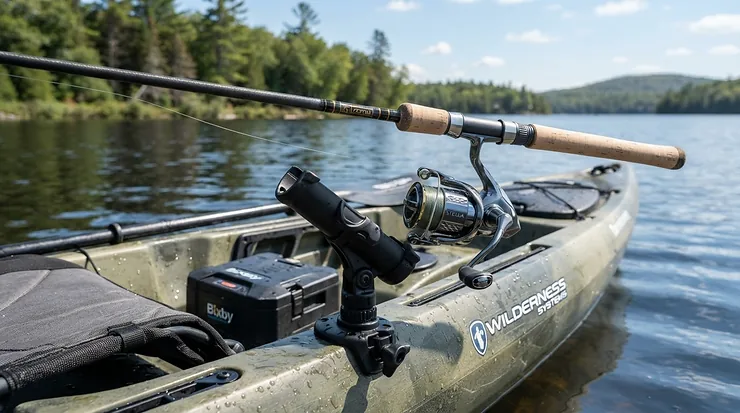
Somewhere between the dock and the first cast, most anglers make the same mistake: they buy a rod and a reel separately, guess at whether they match, and find out the hard way — usually when a redfish makes its first hard run and the drag either locks up or slips like wet soap. An inshore fishing combo is a pre-matched rod-and-reel system built specifically for shallow, structure-heavy saltwater environments — bays, flats, marshes, and river mouths — where corrosion resistance, moderate power, and a smooth drag matter more than raw offshore muscle. Get that pairing right and everything downstream gets easier: casting distance, hook-sets, and landing rates all improve. Get it wrong, and you’ll spend more time fighting your gear than the fish.
This guide breaks down seven real, currently available combos spanning true beginner pricing up through premium builds anglers keep for a decade. Every product here ships as an actual rod-and-reel package — no invented models, no rewritten spec sheets. We’ll cover redfish combo setups, speckled trout setup nuances, and how a bay fishing setup differs from a nearshore combo saltwater rig, plus the maintenance habits that separate a combo that lasts five seasons from one that seizes up after a summer of salt spray. Species like red drum are exactly why this gear category exists in the first place — they’re common, hard-fighting, and found in the same skinny water this equipment is built for. If you’ve never owned dedicated coastal fishing gear before, by the end of this article you’ll know exactly which of these seven to add to your cart — and why.
Quick Comparison Table
Short on time? Here’s the fast version before we go deep on each pick.
| Pick | Best For | Price Range |
|---|---|---|
| PENN Pursuit IV Spinning Combo | Total beginners on a tight budget | Around $60-80 |
| PENN Battle IV Spinning Combo | All-around redfish, trout, and flounder | $140-180 range |
| Daiwa BG2500/701MML Saltwater Combo | Anglers who fish hard and want a decade-long reel | $150-190 range |
Notice the spread: you’re not just choosing a price point, you’re choosing how much abuse the gear needs to shrug off. The PENN Pursuit IV Spinning Combo gets a newcomer on the water without a big investment, while the Daiwa BG2500/701MML Saltwater Combo is built for someone who’s already decided saltwater fishing is a long-term hobby, not a one-summer experiment. The PENN Battle IV Spinning Combo sits in the middle because, frankly, it’s the combo most inshore guides quietly recommend when someone asks for “just one setup that does everything.”
💬 Already know your budget? Jump straight to the pick that fits and start comparing options today.
Top 7 Inshore Fishing Combos: Expert Analysis
1. PENN Pursuit IV Spinning Combo — best true beginner setup under $100
The Pursuit IV earns its budget reputation honestly: it’s not fancy, but it works. Real-world meaning first — the graphite composite rod blank keeps swing weight low for hours of casting, while the aluminum spool and 4-7 bearing depending on size (fewer bearings on smaller sizes, more on the 4000-8000 range) means the reel doesn’t feel like a toy even though it’s priced like one. Sizes run from 2500 up to 8000, so a first-timer can match the reel to redfish combo duty in the 3000-4000 range or size up for bigger nearshore combo saltwater targets.
Based on the spec comparison against pricier combos in this guide, what stands out here is value density — you’re getting a functional saltwater-rated reel and a rod with stainless steel guides for a fraction of what the Battle IV costs. This is the pick for someone who isn’t sure yet whether inshore fishing sticks as a hobby. Reviewers consistently note that the combo holds up fine as a first saltwater setup, provided it gets a freshwater rinse after each trip; a common complaint in user reviews is that the drag feels grabbier under heavy pressure than reels twice the price, which matters most when a bull redfish decides to run.
Pros:
- ✅ Genuinely affordable entry point for new saltwater anglers
- ✅ Stainless steel guides resist salt corrosion better than expected
- ✅ Wide size range covers everything from trout to bigger reds
Cons:
- ❌ Drag can feel notchy under sustained heavy pressure
- ❌ Reel body flexes slightly compared to full-metal competitors
Priced around $60-80 depending on size and retailer, the PENN Pursuit IV Spinning Combo is the easiest “yes” in this lineup for anyone who just wants to start fishing without overthinking gear.
2. KastKing Centron Spinning Combo — lightest all-day combo for skinny water
The Centron’s calling card is weight — or the lack of it. Expanding on that: a carbon-fiber-composite rod blank paired with a reel that uses a lightweight graphite frame means you can cast all morning to tailing reds in six inches of water without your forearm complaining by lunch. The 9+1 shielded bearing system and superpolymer drag washers keep retrieves smooth, which matters when you’re working a soft-plastic jig slowly along a grass line.
What most buyers overlook about this model is that its light build is a trade-off, not a flaw — it’s tuned for finesse presentations to speckled trout setup situations under docks and around oyster bars, not for horsing oversized bull reds out of heavy current. Reviewers consistently praise the smooth cast and sensitive tip for detecting light trout bites; a recurring theme in aggregated feedback is that the shielded bearings need more frequent rinsing than sealed systems if the combo sees regular saltwater use, since sand and grit can work past the shields over time.
Pros:
- ✅ Noticeably lighter in-hand than most combos in this price range
- ✅ Sensitive tip telegraphs light bites from speckled trout
- ✅ Smooth 9+1 bearing retrieve feels premium for the price
Cons:
- ❌ Shielded bearings need more frequent freshwater rinsing
- ❌ Not built for heavy drag pressure on larger redfish
Around $50-70, the KastKing Centron Spinning Combo is the pick for finesse-focused anglers who prioritize feel over brute strength.
3. Ugly Stik Carbon Inshore Spinning Combo — toughest blank for dock pilings and oyster bars
Ugly Stik built its reputation on rods that refuse to die, and the Carbon Inshore version — sold paired with a PENN Pursuit IV reel in most current listings — carries that forward. The standout here is the Clear Tip graphite-and-fiberglass hybrid blank, a construction that flexes and absorbs shock instead of snapping when a fish bulldogs toward a piling. In practice, that means a rookie mistake — horsing a fish too aggressively out of structure — is far more forgivable here than on a pure-graphite rod.
Based on the spec comparison, the trade-off for that toughness is a slightly heavier swing weight than the KastKing Centron above, which you’ll notice on a full day of repetitive casting. The corrosion-resistant guides and stainless hooded reel seat are genuinely useful additions for anyone fishing brackish marsh water regularly. Reviewers consistently point to decades of trust in the Ugly Stik name as a reason for buying, and aggregated sentiment suggests owners keep these rods far longer than average before replacing them; a common critique is that the rod’s cosmetic finish looks dated next to sleeker modern blanks.
Pros:
- ✅ Exceptionally forgiving blank for structure fishing near pilings
- ✅ Long track record of surviving years of hard use
- ✅ Corrosion-resistant hardware suited to brackish marsh conditions
Cons:
- ❌ Heavier swing weight than lighter finesse-oriented combos
- ❌ Cosmetic design feels dated compared to newer releases
Expect a price range of about $70-100, making the Ugly Stik Carbon Inshore Spinning Combo a smart pick for anyone fishing around heavy structure who values durability over polish.
4. Pflueger President Spinning Combo — smoothest drag system under $100
The President has earned near-legendary status among budget-conscious anglers, and the reason is specific: its sealed drag system produces genuinely low start-up inertia, meaning the drag engages instantly rather than lurching when a fish takes a long run. That single detail — sealed drag over open-washer designs common at this price — is what separates the President from combos that merely look similar on a shelf.
Here’s what to weigh: the IM-8 graphite rod paired with it is sensitive enough to detect subtle strikes, which is exactly what a speckled trout setup demands, since trout often mouth a bait softly before committing. Offered in rod lengths from about 4’8″ to 7′, shorter versions suit trout and panfish while the 7′ models handle bigger bay fishing setup work. Reviewers consistently single out the drag smoothness as the standout feature, calling it disproportionately good for the price; a recurring complaint in aggregated feedback involves the bail spring wearing out faster than expected after a season or two of heavy daily use.
Pros:
- ✅ Sealed drag system with genuinely low start-up inertia
- ✅ Sensitive IM-8 graphite blank detects subtle trout bites
- ✅ Wide range of rod lengths for different inshore scenarios
Cons:
- ❌ Bail spring may wear faster under heavy daily use
- ❌ Corrosion resistance lags slightly behind fully sealed premium reels
Priced roughly $80-110, the Pflueger President Spinning Combo rewards anglers who prioritize drag feel above almost everything else.
5. Shimano Nexave Spinning Combo — best all-metal body for stand-up fights
Shimano trickled real engineering down into a value-tier combo here, and it shows. Expanding on the standout: the reel’s one-piece aluminum handle and solid metal body resist the flex that plagues composite-bodied reels once serious drag pressure gets applied — the kind of pressure a hooked redfish generates when it decides the dock is a better idea than open water. Available in 2500 to 4000 sizes across 7-foot and 7-foot-6-inch rod options, shorter setups suit jigging and finesse work while the longer rod extends casting distance to cover more water on an open flat.
On paper, this means the Nexave slots in as a bridge between entry-level plastic-bodied reels and Shimano’s far pricier Stradic line, without most of the compromises. Reviewers consistently frame it as a “punches above its price” pick, and aggregated feedback highlights the smooth oscillation system for even line lay — something budget reels often get wrong. A common gripe is that the reel runs slightly heavier in hand than composite competitors, a fair trade for the added rigidity.
Pros:
- ✅ All-metal body resists flex under sustained drag pressure
- ✅ Smooth line lay from Shimano’s oscillation engineering
- ✅ Multiple size and length configurations for different scenarios
Cons:
- ❌ Noticeably heavier in hand than composite-bodied alternatives
- ❌ Fewer bearings than Shimano’s higher-tier reel lines
At around $90-130, the Shimano Nexave Spinning Combo is the pick for anglers who’ve felt a cheap reel flex under pressure and never want to feel that again.
6. PENN Battle IV Spinning Combo — most popular all-rounder for redfish and trout
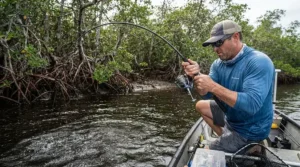
If there’s a single combo that shows up most often in inshore fishing forums, it’s this one. The standout is straightforward: a full-metal body and side plate combined with PENN’s CNC Gear Technology, which together deliver a durability level rarely found below $200. The HT-100 carbon fiber drag system — the same material used in PENN’s flagship offshore Spinfisher reels — maxes out around 30 lbs of drag, more than enough to stop a surprise black drum or bull redfish that wanders onto light tackle.
Based on the spec comparison with the Pursuit IV and Ugly Stik above, the jump in build quality here is obvious the moment you handle it: PENN’s one-piece stainless Dura-Guides eliminate the guide-insert pop-outs that plague cheaper rods after a season of use. The matched 7-foot medium-light rod has a moderate-fast action sensitive enough for light bites yet backboned enough for medium jigs. Reviewers consistently describe landing fish well above the reel’s nominal class — including reports of 50-plus-pound black drum on 4000-size reels — and aggregated sentiment treats this as the benchmark mid-tier saltwater combo; the main critique is that the reel runs a touch heavier than its Daiwa BG competitor below.
Pros:
- ✅ Full-metal body and CNC gearing built for serious durability
- ✅ HT-100 drag handles surprise oversized fish with control
- ✅ Dura-Guides eliminate a common cheap-rod failure point
Cons:
- ❌ Slightly heavier in hand than the Daiwa BG combo
- ❌ Premium feel comes with a mid-tier price jump from budget picks
Expect to pay in the $140-180 range, and treat the PENN Battle IV Spinning Combo as the default answer when someone asks for “just one” inshore setup.
7. Daiwa BG2500/701MML Saltwater Combo — best fully sealed reel for daily saltwater abuse
Daiwa built the BG series around one idea: reels that get fished hard, every day, without babying. The standout feature is construction — an aluminum body and side cover paired with Daiwa’s Digigear system, wrapped around a 6+1 bearing setup, all assembled onto a 7-foot medium-medium-light one-piece rod that arrives pre-mounted and ready to fish out of the box.
What the spec sheet won’t tell you, but reviewers note, is how that sealed, all-metal construction translates to fewer maintenance headaches over a full season of coastal fishing — less grit working into the gearbox, less internal corrosion after repeated saltwater exposure. The ATD (Automatic Tournament Drag) system also engages faster than traditional star-drag designs, which matters on the first surging run from a hooked redfish combo target. This is the setup for someone who already knows inshore fishing is a long-term hobby and wants gear that ages gracefully rather than gear that’s merely serviceable. Reviewers consistently praise the BG line’s toughness relative to its price bracket, with aggregated sentiment often calling it “overbuilt for the money”; the fair critique is that it runs slightly heavier than ultralight-focused competitors, which some finesse anglers notice on longer sessions.
Pros:
- ✅ Fully sealed aluminum construction resists saltwater intrusion
- ✅ Fast-engaging ATD drag handles sudden hard runs well
- ✅ Arrives pre-mounted and genuinely ready to fish
Cons:
- ❌ Heavier than ultralight-focused finesse combos in this guide
- ❌ Premium construction pushes it to the top of this price range
At roughly $150-190, the Daiwa BG2500/701MML Saltwater Combo is the combo experienced anglers reach for when they’re done replacing gear every year or two.
Practical Usage Guide: Setting Up Your Inshore Fishing Combo
Getting a new combo out of the box right matters more than most first-timers realize. Start by spooling with braided line in the 10-20 lb range for most redfish combo and speckled trout setup work — braid’s thin diameter and lack of stretch translate directly into better bite detection and longer casts. Tie on a 20-30 lb fluorocarbon leader using an FG or double uni knot; fluorocarbon’s low visibility matters in the clear, shallow water typical of a bay fishing setup. Before your first trip, back the drag off to roughly a third of the reel’s max rating and tighten gradually as you build confidence — a drag set too tight on day one is how rods snap and lines part on the first solid strike.
For the first 30 days, the single most common mistake is skipping the post-trip rinse. A five-minute freshwater hose-down after every outing, focused on the reel seat, bail, and guides, adds years to any combo on this list. Wipe the rod blank dry, back off the drag fully before storage to preserve the washers, and inspect guide inserts monthly for grooving from braided line — a cheap habit that prevents an expensive failure down the road.
Real-World Scenarios: Matching Your Combo to Your Fishing Life
Picture three different anglers. First, a college student commuting to a public pier three evenings a week with a tight budget — the PENN Pursuit IV Spinning Combo or KastKing Centron Spinning Combo fits both the wallet and the light, frequent-casting demands of pier fishing. Second, a weekend angler running a bay fishing setup out of a kayak, targeting redfish and trout across grass flats and mangrove edges — here the PENN Battle IV Spinning Combo earns its keep, since it needs to handle both a delicate trout bite and an unexpected redfish run in the same afternoon. Third, a retiree who fishes four mornings a week from a small skiff in coastal marsh country and wants gear that won’t need replacing — the Daiwa BG2500/701MML Saltwater Combo matches that frequency and long-term-value priority far better than a budget pick would.
None of these profiles is “correct” in isolation; matching combo to lifestyle, budget, and target species is the actual decision that matters, more than chasing whichever reel a forum crowned “best” last month.
✨ Not Sure Which Profile Fits You?
🔍 Compare your weekly fishing frequency and target species against the seven picks above, then check current pricing before you commit — the right combo for your routine might not be the priciest one.
Problem → Solution: Fixing Common Inshore Fishing Combo Headaches
Reel feels gritty after a few trips? That’s usually saltwater working past bearing shields — rinse more often and add a drop of reel oil to exposed bearings monthly. Losing fish on hook-sets? Check your drag setting first; a drag set too loose lets fish throw hooks on headshakes, especially with circle hooks used for redfish combo bait fishing. Casting distance dropping off? Old, sun-degraded line loses castability fast in saltwater UV exposure — respool braid every season, more often with heavy use. Rod tip feels “dead” after landing a big fish? Inspect for micro-fractures near the guides; a hairline crack from horsing a fish out of structure often shows up as reduced sensitivity before it fails outright. Guides squeaking or catching line? Sand and salt crystallize inside ceramic inserts — a rinse and cotton-swab cleaning usually resolves it before it grooves the line permanently.
How to Choose an Inshore Fishing Combo
Cutting through the marketing noise, here’s the actual decision process:
- Match reel size to target species. A 2500-3000 size handles trout and smaller reds; step up to 4000 for consistent bull redfish or black drum.
- Pick rod power based on lure weight, not fish size. Medium-light suits soft plastics and jigs; medium-heavy suits topwater plugs and heavier jig heads.
- Prioritize sealed construction if you fish often. Weekly anglers see faster returns from corrosion-resistant, sealed reels than occasional anglers do.
- Check line capacity against your target water. Bigger water and longer runs demand more braid capacity on the spool.
- Weigh drag smoothness over max drag rating. A smooth 15 lb drag beats a jerky 20 lb drag every time a fish actually runs.
- Consider rod length for your fishing style. Shorter rods (6’6″-7′) suit skiff and kayak fishing; longer rods (7’6″+) help with pier and surf-adjacent casting distance.
- Budget for a rinse-and-store routine, not just the purchase. The cheapest combo maintained well outlasts the priciest combo neglected.
Bay Fishing Setup: Combos Built for Skinny Water
A dedicated bay fishing setup differs from a generic saltwater rig in a few specific ways: shorter, lighter rods in the 6’6″-7′ range for accurate casts around docks and grass edges; lighter braid (10-15 lb) for better lure action on soft plastics; and reels in the 2500-3000 range that balance well on a shorter blank without feeling top-heavy. The KastKing Centron Spinning Combo and Pflueger President Spinning Combo both fit this niche well, since bay work rewards finesse and bite detection over brute stopping power. Save the heavier 4000-size setups for open-water passes and inlet mouths, where current and fish size both scale up.
Inshore Combo vs Nearshore Combo Saltwater: What’s the Real Difference
The terminology confuses a lot of first-time buyers, so here’s the honest breakdown: an inshore combo is tuned for shallow bays, marshes, and flats, typically pairing a 2500-4000 reel with a 6’6″-7′ medium or medium-light rod. A nearshore combo saltwater setup, by contrast, targets water just outside the inlet — think jetties, passes, and structure a mile or two offshore — and generally steps up to a 5000-8000 reel on a heavier 7′-7’6″ rod to handle bigger fish and stronger current. The Shimano Nexave Spinning Combo and larger sizes of the PENN Pursuit IV Spinning Combo can straddle both roles reasonably well, but if nearshore structure fishing is your main target, size up a notch from whatever you’d pick for pure bay work — undersized gear in nearshore current is the single most common regret buyers report.
Common Mistakes When Buying an Inshore Fishing Combo
The most frequent error is buying based on max drag rating alone, ignoring how smoothly that drag actually engages — a jerky 25 lb drag fails more often than a silky 15 lb one. Second is mismatching rod power to lure weight rather than fish size, leading to poor casting accuracy with topwater plugs on a rod built for finesse jigs. Third is skipping corrosion resistance to save $20, then replacing the whole combo a year later once bearings seize. Fourth is ignoring line capacity, which matters more than most buyers assume once a big redfish makes a long initial run. Last, and most common among first-timers, is buying a combo sized for open water when 90% of planned trips will happen in skinny bay water — oversized gear kills castability and feel long before it ever proves useful.
What to Expect: Real-World Performance on Redfish and Trout
Specs only tell half the story. In practice, a well-matched redfish combo should let you feel a soft-plastic jig ticking bottom while still having backbone in reserve for the moment a red inhales it and turns for open water — that transition from finesse presentation to structural fight is what separates a good combo from a merely adequate one. Fishery data from the Atlantic States Marine Fisheries Commission shows red drum can live decades and grow well past 40 inches, which is exactly why drag smoothness matters more than headline drag numbers — most anglers will never need 30 lbs of drag, but they’ll always benefit from that drag engaging instantly rather than lurching. A speckled trout setup, by comparison, rewards sensitivity above all — trout frequently strike softly, and a rod that telegraphs that subtle take converts far more hook-sets than one that doesn’t.
Long-Term Cost & Maintenance
Total cost of ownership rarely gets discussed honestly in gear reviews, so here’s the real math: a $70 combo that needs bearing replacement after one corroded season and full replacement after two effectively costs more than a $160 combo that’s still fishing hard five years later. Sealed, full-metal reels like the Daiwa BG2500/701MML Saltwater Combo and PENN Battle IV Spinning Combo trade a higher upfront price for dramatically lower maintenance frequency — fewer bearing replacements, less internal corrosion, less bail-spring fatigue. Budget picks aren’t a bad choice, but the honest expectation should be a shorter service life unless rinse-and-store discipline is genuinely consistent after every single trip, not just the ones you remember.
Features That Actually Matter (And Those That Don’t)
Sealed drag systems, full-metal reel bodies, and stainless guide inserts genuinely matter for saltwater longevity — these are the features worth paying extra for. Bearing count, by contrast, gets oversold; a well-designed 6-bearing reel often outperforms a poorly designed 11-bearing one, since bearing quality and sealing matter more than raw quantity. Flashy cosmetic finishes and marketing terms like “tournament-grade” rarely correlate with actual saltwater durability — read the materials list, not the tagline. Rod sensitivity claims are worth testing in person when possible, since “ultra-sensitive” means different things across brands and price tiers.
Coastal Fishing Safety & Regulations Guide
Coastal fishing in the U.S. requires a valid saltwater fishing license in nearly every state, and species like redfish and spotted seatrout carry specific slot limits and daily bag limits that vary by state and sometimes by region within a state. Before heading out, check your state wildlife agency’s current saltwater recreational regulations for size and bag limits, since rules on species like red drum change periodically based on stock assessments. Beyond regulations, basic safety habits matter: wear a well-fitted PFD on any boat or kayak trip, check tide charts before wading flats to avoid getting cut off by incoming water, and carry a whistle or signaling device when fishing remote marsh systems away from cell coverage.
Take your inshore fishing combo to the next level with these carefully selected products. Click on any highlighted item to check current pricing and availability — the right setup will help you land more of the fish you’re actually targeting.
Frequently Asked Questions
❓ What is the best inshore fishing combo for beginners?
❓ How much should I spend on an inshore fishing combo?
❓ What size reel is best for redfish and speckled trout?
❓ Can I use an inshore fishing combo for nearshore combo saltwater fishing?
❓ How often should I rinse and maintain my inshore fishing combo?
Conclusion
Choosing the right inshore fishing combo really comes down to being honest about how you’ll actually use it — a pier angler three evenings a week has different needs than a weekend kayaker chasing tailing reds across a grass flat. The PENN Pursuit IV Spinning Combo and KastKing Centron Spinning Combo get newer anglers on the water affordably; the Ugly Stik Carbon Inshore Spinning Combo, Pflueger President Spinning Combo, and Shimano Nexave Spinning Combo each solve a specific mid-range problem, whether that’s toughness, drag feel, or rigidity; and the PENN Battle IV Spinning Combo and Daiwa BG2500/701MML Saltwater Combo reward anglers ready to invest in gear built to last a decade of coastal fishing. Whichever you choose, the maintenance habits covered above matter just as much as the price tag — a rinsed, well-stored budget combo will outlast a neglected premium one every time.
Recommended for You
- Topwater Combo Guide 2026: 7 Explosive Rod & Reel Picks
- Flipping Combo Bass Setups: 7 Best Picks Ranked for 2026
- Fishing Combo Under $100: 7 Winning Picks for 2026
Disclaimer: This article contains affiliate links. As an Amazon Associate, I earn from qualifying purchases. If you purchase products through these links, we may earn a small commission at no additional cost to you.
✨ Found this helpful? Share it with your friends! 💬🤗
