
In This Article
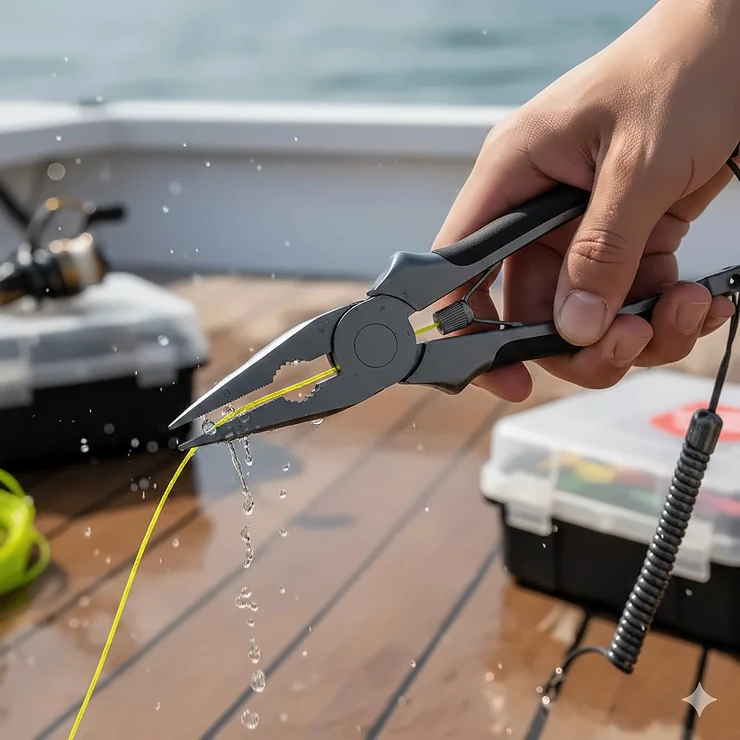
Picture this: you’ve just hooked the catch of a lifetime, your heart’s racing, and then the hook gets lodged deep in the fish’s mouth. Without proper fishing pliers, that triumphant moment turns into a frustrating struggle. I’ve been there, and trust me, having the right tool makes all the difference between a quick release and losing your prized catch.
Quality fishing pliers aren’t just another tackle box accessory—they’re your most reliable fishing companion. Whether you’re a weekend warrior casting in your local creek or a seasoned saltwater angler battling trophy fish, the right plier for fishing can save your day, protect your catch, and even prevent injury. After testing dozens of fishing multi tool options and analyzing hundreds of customer reviews, I’ve narrowed down the absolute best fishing pliers that deliver real performance in 2026.
Here’s what you need to know: Best Fishing Pliers are specialized tools designed with corrosion-resistant materials, tungsten carbide cutters, and ergonomic grips to safely remove hooks, cut braided lines, crimp sleeves, and handle various fishing tasks in both freshwater and saltwater environments without rusting or failing.
In this comprehensive guide, you’ll discover the top 7 best rated fishing pliers currently dominating Amazon, complete with honest pros and cons, real-world performance data, and everything you need to make an informed decision. Let’s dive in!
Quick Comparison Table: Top Fishing Pliers at a Glance
| Product | Material | Length | Price Range | Best For | Rating |
|---|---|---|---|---|---|
| KastKing Cutthroat 7″ | 420 Stainless Steel | 7 inches | $25-$30 | All-around performance | ⭐⭐⭐⭐⭐ 4.7/5 |
| Piscifun III Aluminum | Aircraft-Grade Aluminum | 7.09 inches | $20-$25 | Budget-conscious anglers | ⭐⭐⭐⭐½ 4.6/5 |
| Booms Fishing X1 | Aluminum & Stainless | 7.8 inches | $19.99 | Best value | ⭐⭐⭐⭐½ 4.5/5 |
| Gerber Magniplier Salt | Hot-Forged Aluminum | 7.5 inches | $80-$90 | Premium saltwater | ⭐⭐⭐⭐⭐ 4.8/5 |
| BUBBA Blade 7.5″ | Aerospace Aluminum | 7.5 inches | $29.99 | Non-slip grip | ⭐⭐⭐⭐½ 4.6/5 |
| Rapala Stainless Steel | Nickel-Plated Steel | 6.5 inches | $15-$20 | Entry-level | ⭐⭐⭐⭐ 4.3/5 |
| Berkley Basic Pliers | Carbon Steel Coated | 6.5 inches | $16.99 | Freshwater budget | ⭐⭐⭐⭐ 4.2/5 |
💬 Just one click – help others make better buying decisions too!😊
Top 7 Best Fishing Pliers: Expert Analysis & Real User Reviews
1. KastKing Cutthroat 7″ Fishing Pliers – Best Overall Performance
When it comes to striking the perfect balance between quality and affordability, KastKing Cutthroat consistently tops the charts. These fishing pliers feature polymer-coated 420 stainless steel construction that’s 46% harder than aluminum alternatives, giving you serious bending strength without the premium price tag.
Key Specifications:
- Material: 420 stainless steel with polymer coating
- Length: 7 inches
- Cutters: Tungsten carbide side-mount
- Price: $25-$30
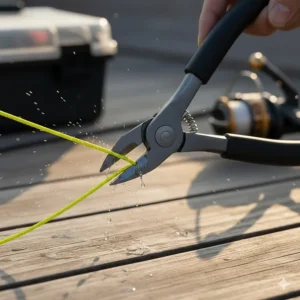
What really sets these apart is the side-mounted tungsten carbide cutters that slice through 80-pound braid like butter. The spring-loaded jaws make one-handed operation effortless—crucial when you’re trying to control a thrashing bass. Customer feedback consistently praises the ergonomic rubber handles that maintain grip even when soaked.
Real User Feedback: Anglers report these pliers surviving 18+ months of regular saltwater use with just basic freshwater rinses. One reviewer mentioned using them daily for charter fishing without any corrosion issues.
✅ Pros:
- Superior strength-to-weight ratio
- Sharp tungsten carbide cutters last months
- Included molded sheath with belt clip
❌ Cons:
- Slightly heavier than pure aluminum options
- Spring can stiffen in extreme cold
Best For: Serious anglers who fish both fresh and saltwater environments regularly.
2. Piscifun III Aluminum Fishing Pliers – Best Budget Pick
Don’t let the affordable price fool you—Piscifun III delivers remarkable performance that punches well above its weight class. These fishing scissors alternative feature aircraft-grade anodized aluminum that’s incredibly lightweight at just 5.84 ounces yet tough enough for most fishing applications.
Key Specifications:
- Material: T6-6061 aircraft-grade aluminum
- Length: 7.09 inches (18cm)
- Cutters: Replaceable tungsten carbide
- Price: $20-$25
The titanium-coated stainless steel jaws provide excellent corrosion resistance, while the spring-loaded mechanism keeps them ready for one-handed action. What I love most? The cutters are fully replaceable—a feature usually reserved for pliers twice the price.
Real User Feedback: Multiple customers mention these are “perfect for 99% of anglers” who don’t run charter boats daily. The near-perfect jaw alignment gets consistent praise for hook removal.
✅ Pros:
- Exceptional value for money
- Ultra-lightweight design reduces hand fatigue
- Replaceable cutter blades extend lifespan
❌ Cons:
- Not ideal for very large saltwater species
- Aluminum can bend under extreme pressure
Best For: Weekend anglers and those new to saltwater fishing looking for reliable hook removal tools.
3. Booms Fishing X1 Aluminum Pliers – Best Value Champion
At just $19.99, Booms Fishing X1 represents unbeatable bang for your buck. These saltwater-resistant pliers pack serious features into an affordable package, making them perfect for anglers building their first quality tackle kit.
Key Specifications:
- Material: Aluminum handle, stainless steel jaws
- Length: 7.8 inches
- Cutters: Inset braided line cutters
- Price: $19.99
The unique split ring tool at the nose adds versatility for lure maintenance, while the crimping spots handle both split lead and single-barrel crimping. The weight distribution feels perfectly balanced—neither end dominates, giving you excellent dexterity during hook removal.
Real User Feedback: Reviewers consistently highlight the “perfect weight balance” and how well the coiled lanyard system works. One kayak angler mentioned attaching them permanently to their kayak without worry.
✅ Pros:
- Unbeatable price-to-performance ratio
- Excellent weight distribution
- Versatile split ring tool included
❌ Cons:
- Basic sheath compared to premium brands
- Grip could be more textured for wet conditions
Best For: Budget-conscious anglers who want quality without breaking the bank.
4. Gerber Magniplier Salt Rx – Premium Saltwater Champion
If you’re serious about saltwater fishing and want professional-grade fishing tool maintenance, Gerber Magniplier stands in a class of its own. The hot-forged aluminum construction with SALT Rx coating delivers corrosion resistance that laughs at harsh marine environments.
Key Specifications:
- Material: Hot-forged aluminum with SALT Rx coating
- Length: 7.5 inches
- Special Feature: BearHand Control ergonomic system
- Price: $80-$90
The revolutionary BearHand Control system optimizes handle spacing where your hand generates maximum force. The off-axis nose design improves line of sight when removing hooks deep in a fish’s gullet. These fishing pliers also feature replaceable jaw tips and carbide cutters—essential for long-term offshore use.
Real User Feedback: Charter captains and tournament anglers praise these for withstanding 100+ days per year of hardcore saltwater abuse. The plunge lock prevents accidental opening during fish fights.
✅ Pros:
- Professional-grade durability
- Innovative ergonomic design reduces fatigue
- Replaceable components extend lifetime
❌ Cons:
- Premium price point
- Purposely biased jaw tips (feature, not flaw)
Best For: Professional anglers and serious saltwater enthusiasts who demand the absolute best.
5. BUBBA Blade 7.5″ Fishing Pliers – Best Grip Technology
BUBBA Blade brings their legendary patented Non-Slip-Grip technology from their famous fillet knives to fishing pliers, creating a tool that simply won’t slip from your hands. The aerospace aluminum construction keeps weight down while maintaining serious strength.
Key Specifications:
- Material: Aerospace aluminum with TiN coating
- Length: 7.5 inches
- Special Feature: Patented Non-Slip-Grip handle
- Price: $29.99
The tungsten cobalt cutters handle mono, fluoro, and braid with equal ease, while multiple crimping spots give you flexibility for different rig setups. The signature red handles aren’t just for show—they provide unmatched control even when your hands are covered in slime and blood.
Real User Feedback: Users rave about the grip security, with one reviewer noting they’ve never once worried about dropping them overboard despite fishing in rough conditions.
✅ Pros:
- Unbeatable non-slip grip technology
- Bright red color easy to spot
- Spring-loaded for one-hand operation
❌ Cons:
- Handle design may feel bulky for small hands
- Limited color options
Best For: Anglers who prioritize safety and control in wet, slippery conditions.
6. Rapala Stainless Steel Pliers – Classic Reliability
Sometimes you just want a proven workhorse, and Rapala Stainless Steel pliers deliver exactly that. These fishing scissors alternative feature nickel-plated carbon steel that’s been trusted by anglers for decades—simple, effective, and built to last.
Key Specifications:
- Material: Nickel-plated carbon steel
- Length: 6.5 inches
- Design: Double-leaf spring
- Price: $15-$20
The co-molded grips provide comfortable handling during extended use, while the double-leaf spring design ensures consistent jaw pressure. These represent old-school quality from a brand that’s been making fishing gear since 1936.
Real User Feedback: Long-time Rapala users mention owning the same pair for 10+ years with proper maintenance. The titanium-nitride coating effectively prevents rust with basic care.
✅ Pros:
- Trusted brand with proven track record
- Comfortable co-molded grips
- Excellent for freshwater applications
❌ Cons:
- Requires more maintenance in saltwater
- Shorter length limits deep hook access
Best For: Freshwater anglers who value traditional quality and brand heritage.
7. Berkley Basic Fishing Pliers – Entry-Level Excellence
Don’t underestimate Berkley Basic pliers—these are specifically designed for anglers who need reliable performance without fancy features. The polymer-coated carbon steel offers surprising corrosion resistance for the price point.
Key Specifications:
- Material: Polymer-coated carbon steel
- Length: 6.5 inches
- Features: Crimping tool, sharp cutters
- Price: $16.99
The non-slip grip works remarkably well even with cold, wet hands—a feature that surprised testers given the budget-friendly price. Multiple crimping slots and wicked sharp cutters handle most fishing tasks with ease.
Real User Feedback: Beginners appreciate the straightforward design without overwhelming features. Several reviews mention these as perfect “first quality pliers” before upgrading.
✅ Pros:
- Highly affordable entry point
- Good grip even in wet conditions
- Adequate for most freshwater fishing
❌ Cons:
- Not suitable for heavy saltwater use
- Less durable than higher-tier options
Best For: Beginning anglers or those who need backup pliers for the boat.
✨ Don’t Miss These Exclusive Deals!
🔍 Take your fishing game to the next level with these carefully selected fishing pliers. Click on any highlighted item above to check current pricing and availability on Amazon. These hook removal tools will help you land more fish while protecting your catch and ensuring safe releases!
Understanding Fishing Pliers Materials: What Really Matters
Choosing between different materials can feel overwhelming, but understanding the basics helps you make smart decisions. The material directly impacts weight, durability, corrosion resistance, and price—factors that matter every time you’re on the water.
Stainless Steel: The Workhorse Material
Stainless steel fishing pliers offer excellent strength and reasonable corrosion resistance. The 420-grade stainless (used in KastKing Cutthroat) provides 46% more hardness than aluminum while maintaining manageable weight. According to Sport Fishing Magazine, stainless steel was the industry standard for decades before aluminum alternatives emerged.
However, not all stainless is created equal. Lower-grade stainless can still develop rust spots over time, especially in saltwater. That’s why coating technologies like Teflon and polymer finishes have become essential—they add an extra protective barrier against the harsh marine environment.
Aluminum: Lightweight Champion
Aircraft-grade aluminum (specifically T6-6061) has revolutionized fishing pliers by delivering corrosion resistance at a fraction of stainless steel’s weight. The Piscifun III weighs just 5.84 ounces compared to 8-10 ounces for equivalent stainless models.
The trade-off? Aluminum is softer than steel, which is why quality manufacturers reinforce aluminum pliers with titanium-coated or stainless steel jaw inserts. This hybrid approach gives you lightweight handling without sacrificing the strength needed for stubborn hooks.
Titanium: Premium Performance
Titanium represents the pinnacle of fishing plier construction—combining steel-like strength with aluminum-like weight and superior corrosion resistance. As referenced in materials science research, titanium’s exceptional strength-to-weight ratio makes it ideal for marine applications.
The catch? Premium titanium pliers can cost $100-200+, putting them out of reach for many anglers. However, for professionals running daily charters or tournament anglers who depend on reliable gear, titanium’s lifetime durability justifies the investment.
Carbon Steel: Traditional Choice
Carbon steel pliers offer maximum strength at minimum cost—they’re the muscle of the plier world. Berkley Basic and Rapala models use nickel or polymer-coated carbon steel to provide adequate corrosion protection for freshwater and light saltwater use.
The key here is maintenance. Carbon steel requires diligent freshwater rinsing after every saltwater trip, thorough drying, and periodic lubrication. Skip these steps, and you’ll find your pliers permanently seized within weeks—a lesson I learned the hard way borrowing my dad’s unprotected pliers for coastal fishing!
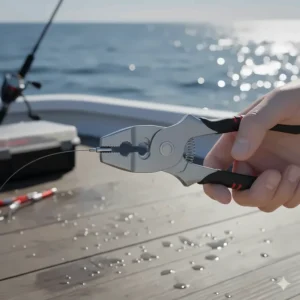
Essential Features of Best Rated Fishing Pliers
Tungsten Carbide Cutters: The Game-Changer
If there’s one feature worth obsessing over, it’s the cutters. Tungsten carbide cutters maintain razor sharpness exponentially longer than standard steel blades. They slice through modern braided lines (which can be notoriously tough on cutters) with minimal effort.
Look for side-mounted cutters like those on KastKing Cutthroat pliers. Side placement allows you to cut tag ends incredibly close to knots without the tool body blocking your view. Some anglers prefer jaw-mounted cutters for maximum power, but side cutters offer better precision for detailed work.
Pro Tip: Even tungsten carbide cutters eventually dull. Choose pliers with replaceable cutter blades to extend your tool’s life indefinitely rather than replacing the entire unit.
Spring-Loaded Mechanisms
Spring-loaded handles might seem like a minor convenience, but they transform usability. When you’re juggling a net, trying to control a fish, and need to remove a hook, having pliers that automatically open themselves is invaluable.
The spring mechanism should feel substantial—not so weak that it barely opens, but not so strong that it flies open aggressively. Test the feel before buying if possible. Quality springs maintain tension over years of use, while cheap springs lose their pop within months.
Crimping Capabilities
Crimping spots often get overlooked, but they’re essential for anglers who build their own leaders or rigs. Multiple crimping sizes accommodate different sleeve diameters—from tiny trout weights to heavy-duty offshore leader connections.
The BUBBA Blade and Booms X1 models include both split shot and leader sleeve crimping cutouts. This versatility means you can handle impromptu rig modifications streamside without carrying additional tools.
Split Ring Tools
Changing out treble hooks or adjusting lures becomes painless with integrated split ring tools. The small hook or notch at the plier nose (featured on Booms X1 and some KastKing models) opens stubborn split rings without damaging your fingernails or the rings themselves.
This feature shines when you’re modifying lures for different conditions or replacing rusty hooks on that productive crankbait. What used to take five minutes of frustration becomes a 30-second task.
Saltwater-Resistant Pliers: What You Must Know
The Corrosion Challenge
Saltwater is unforgiving—it actively seeks to destroy your gear through electrochemical corrosion. The salt crystals, combined with moisture and oxygen, create the perfect storm for oxidation. That’s why specialized saltwater-resistant pliers use materials and coatings specifically engineered to withstand this harsh environment.
According to marine corrosion research, aluminum and titanium naturally form protective oxide layers that resist further corrosion. Stainless steel relies on chromium content for protection, but coating it with Teflon, polymer, or titanium-nitride adds crucial extra defense.
Coating Technologies Explained
Teflon Coating: Creates a slippery, non-stick surface that prevents salt adhesion. Models like KastKing Cutthroat use this extensively.
Polymer Coating: Provides a thicker protective barrier while maintaining grip texture. This is what makes BUBBA Blade handles so secure.
Titanium-Nitride (TiN): Often gold-colored, this ceramic coating offers extreme hardness and corrosion resistance. You’ll find it on premium jaw inserts and cutter blades.
SALT Rx Technology: Gerber’s proprietary treatment combines multiple protective layers for maximum saltwater survival.
Maintenance Rituals That Matter
Even the best saltwater-resistant pliers need proper care. Here’s the routine that separates pliers that last decades from those that seize up after one season:
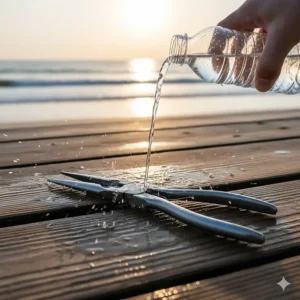
Immediate Post-Trip: Rinse thoroughly with freshwater, focusing on pivot points and cutter areas. Don’t just splash them—use running water for 30+ seconds.
Weekly Maintenance: Apply a light machine oil or reel lubricant to pivot points. Work the handles 10-15 times to distribute the oil throughout the mechanism.
Monthly Deep Clean: Disassemble if possible (check manufacturer instructions) and clean all components. Some models like Gerber Magniplier feature replaceable parts that make this easier.
Storage Protocol: Never store damp pliers in leather sheaths—the acids in wet leather accelerate corrosion dramatically. Dry completely, then store in a dry synthetic sheath or open position in your tackle box.
How to Choose Best Fishing Pliers for Your Needs
Match the Environment
Your primary fishing environment should drive your material choice. Freshwater anglers can get away with coated carbon steel models like Berkley Basic or Rapala pliers. The corrosion pressure is minimal, and these options stretch your budget further.
Saltwater anglers need aluminum or stainless steel minimum. If you’re fishing offshore regularly or targeting big species, consider stepping up to premium options like Gerber Magniplier with advanced coatings. The initial investment pays dividends when your pliers perform flawlessly through hundreds of trips.
Hybrid anglers who fish both environments should prioritize true saltwater-grade tools. The slight overkill in freshwater is far better than discovering your pliers fail during a once-in-a-lifetime saltwater opportunity.
Size and Length Considerations
Plier length dramatically affects functionality:
6-6.5 Inches: Compact and easy to store, perfect for panfish and smaller freshwater species. Models like Berkley and Rapala excel here but lack reach for deep hooks.
7-7.5 Inches: The sweet spot for most anglers. KastKing Cutthroat, Piscifun III, and BUBBA Blade all hit this range. Enough reach for most situations while remaining maneuverable.
8-11 Inches: Long-nose pliers provide extended reach essential for pike, musky, or deeply hooked saltwater species. These reduce your risk of toothy fish contact but become cumbersome for detailed work.
Budget Reality Check
Let’s talk money honestly. Quality fishing pliers range from $15 to $200+, and the pricing reflects real performance differences.
Budget Tier ($15-$25): Booms X1, Piscifun III, Berkley Basic. These deliver solid performance for recreational anglers. You might replace them every 2-3 years with heavy use, but that’s fine for many people.
Mid-Tier ($25-$40): KastKing Cutthroat, BUBBA Blade. Better materials, improved coatings, enhanced features. These should last 5+ years with proper care. Best value zone for serious hobbyists.
Premium Tier ($80-$200+): Gerber Magniplier, titanium options. Professional-grade durability, lifetime components, advanced ergonomics. Essential for guides, tournament pros, or anyone who fishes 100+ days yearly.
The Smart Approach: Buy once, cry once. A mid-tier plier that lasts five years costs less annually than replacing budget models every season. Calculate cost-per-year, not just upfront expense.
Grip and Ergonomics
Hand fatigue is real, especially during long fishing days or when working with multiple catches. The best fishing pliers incorporate thoughtful ergonomic design that reduces strain.
Look for:
- Contoured handles that match hand shape naturally
- Rubberized or textured surfaces that maintain grip when wet
- Balanced weight distribution so no end feels heavy
- Adequate spacing between handles for maximum force generation
The BUBBA Blade Non-Slip-Grip represents one extreme—maximum security with bold texture. The Gerber Magniplier BearHand Control system represents the engineering approach—scientifically optimized spacing and angles. Both work excellently, just with different philosophies.
Try holding pliers before buying if possible. Your hand size matters—some designs work better for smaller hands, others for larger. What feels perfect to me might feel awkward to you.
Fishing Multi Tool vs. Dedicated Pliers: Which is Better?
The Multi-Tool Temptation
Fishing multi tool options combine pliers, knife blades, screwdrivers, and more into a single compact package. They seem like the ultimate solution—one tool for every job. But there’s a catch (pun intended).
Multi-tools sacrifice specialization for versatility. The plier portion often lacks the jaw length, cutter strength, or corrosion resistance of dedicated fishing pliers. They’re genuinely useful for boat repairs, lure tuning, or emergency fixes. However, when a 40-pound king mackerel is thrashing on your line with three treble hooks flying, you want purpose-built tools, not compromises.
Best Multi-Tool Strategy: Keep a quality multi-tool in your boat or tackle bag for miscellaneous tasks, but rely on dedicated fishing pliers for actual fish handling and hook removal. The Booms X1 with its split ring tool strikes a nice middle ground—specialized fishing plier with bonus features.
When Multi-Tools Make Sense
Multi-tools excel for:
- Ultralight backpacking anglers who count every ounce
- Casual anglers who fish occasionally and value simplicity
- Tool minimalists who prefer one good tool over specialized options
- Budget constraints when you genuinely can’t afford separate tools
Just understand the trade-offs. You’re accepting “good enough” performance across categories rather than excellence in core fishing tasks.
Pro Tips for Hook Removal and Line Cutting
Safe Hook Extraction Technique
Removing hooks safely protects both you and the fish. Here’s the method that’s kept me bite-free through thousands of catches:
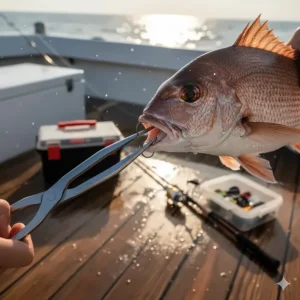
Step 1: Control the fish securely. Use a net, lip gripper, or proper hand grip. Never fight a thrashing fish with exposed hooks bouncing around.
Step 2: Approach the hook from the shank, never the point. Your pliers should grip the actual hook curve, not the business end.
Step 3: For single hooks, grip firmly and rotate counter-clockwise while backing out. The twisting motion helps the barb disengage from tissue.
Step 4: For treble hooks, flatten one barb first using your pliers’ crushing power, then back that point out. This dramatically reduces tissue damage.
Step 5: For deeply embedded hooks, sometimes pushing the hook through (out the other side) and cutting the barb is safer than attempting to back it out. This sounds brutal but causes less trauma than tearing barbed hooks backward through flesh.
Never Rush: Take your time. Rushed hook removal injures fish and increases your risk of puncture wounds. Those five extra seconds of patience make all the difference.
Line Cutting Mastery
Tungsten carbide cutters should slice through any fishing line with minimal effort. If you’re struggling, your cutters are dull or you’re using poor technique.
Braid Cutting: Position the line in the cutter’s
center where leverage is maximum. Squeeze firmly and completely—braid requires decisive pressure. Timid cuts leave frustrating partial severing.
Monofilament/Fluorocarbon: These cut easier than braid. Light pressure suffices, but watch for slipping—these lines are slick.
Wire Leaders: Only cut wire with pliers rated for it. Many fishing pliers lack the hardness to cut wire without damaging cutters. Check specifications first.
Cutter Maintenance: Keep cutters clean and dry. Trapped line fragments between blades reduce cutting efficiency. Periodically check for nicks or dull spots. Models with replaceable cutters let you maintain peak performance indefinitely.
Understanding Fishing Tool Maintenance and Longevity
The 30-Second Routine That Saves Hundreds
Proper maintenance transforms mediocre pliers into decade-long performers. This simple routine takes 30 seconds after every fishing trip:
- Rinse: 30 seconds under running freshwater, focusing on pivot points
- Dry: Thorough wipe-down with an old towel
- Inspect: Quick visual check for damage or stuck debris
- Store: Hang or store with jaws slightly open in dry location
That’s it. Those four steps prevent 90% of common plier failures. The saltwater crystals that destroy tools need moisture and time to work—you’re removing both factors immediately.
Monthly Deep Maintenance
Once monthly (or after particularly harsh trips), level up your care:
Lubrication: Apply one drop of machine oil or reel lubricant to the pivot pin. Work the handles 10-15 times to distribute lubricant throughout the mechanism. This keeps movements smooth and prevents spring failure.
Deep Clean: For models that allow disassembly, take them apart annually. Clean all components with mild soap and warm water. Dry completely. Inspect springs, cutters, and pivot points for wear.
Cutter Check: Test cutting performance on old line. If cutters struggle, they may need replacement or professional sharpening. Many manufacturers offer replacement cutter kits.
Coating Refresh: Some anglers apply thin coats of ACF-50 or Boeshield T-9 to aluminum pliers for extra corrosion protection. This isn’t necessary for quality tools but extends life in brutal environments.
Storage Best Practices
Where and how you store fishing pliers significantly impacts longevity:
Sheaths: Use synthetic sheaths, not leather. Wet leather’s acids actively corrode metal. If your pliers came with leather sheaths (like some vintage models), replace with nylon alternatives.
Tackle Box Position: Store pliers in designated tool slots with jaws slightly open. This prevents moisture from being trapped in closed pivot areas.
Lanyard Philosophy: Coiled lanyards prevent loss overboard but can create storage challenges. Consider removable lanyards that attach only during active use.
Climate Control: If storing long-term, keep pliers in climate-controlled spaces. Garages and sheds with temperature extremes and high humidity accelerate degradation.
Common Mistakes When Buying Fishing Pliers
Mistake #1: Choosing Based on Looks Alone
Flashy anodized colors and aggressive styling sell pliers, but they don’t make them perform better. I’ve tested beautiful pliers that felt terrible in hand and ugly pliers that performed flawlessly. Focus on material quality, coating technology, and functional features rather than aesthetics.
That said, bright colors do help you spot dropped pliers on boat decks. Just don’t make color your primary decision factor.
Mistake #2: Ignoring Cutter Quality
Not all “tungsten carbide” cutters are equal. Some manufacturers use thin carbide coatings over steel, while others use solid carbide inserts. The difference becomes apparent after cutting through a few hundred yards of 80-pound braid.
Research cutter construction specifically. Look for terms like “replaceable carbide inserts” or “solid carbide cutters.” Avoid vague marketing speak like “carbide-style cutters”—that usually means inferior quality.
Mistake #3: Buying Too Small
Many anglers (especially beginners) buy 6-inch pliers because they seem manageable. Then they discover these pliers can’t reach hooks in medium-sized bass, forcing awkward angles that risk injury.
For general-purpose use, 7-7.5 inches is ideal. You sacrifice minimal storage space for dramatically improved versatility. Save 6-inch models for panfish specialists or ultralight applications.
Mistake #4: Skipping the Lanyard
“I’ll be careful” is what every angler says before dropping a $40 plier into 30 feet of water. Attach that coiled lanyard. Use the belt clip sheath. These safety features exist because thousands of anglers learned this lesson the expensive way.
Even if the lanyard feels annoying at first, you’ll adapt quickly. The peace of mind and saved replacement costs are worth minor inconvenience.
Mistake #5: Neglecting Brand Reputation
The fishing pliers market floods with questionable products from unknown manufacturers making exaggerated claims. Stick with established brands that stand behind their products: KastKing, Piscifun, BUBBA, Gerber, Rapala, Booms, and similar companies have earned trust through consistent quality and customer service.
Unknown brands might occasionally surprise you, but they’re gambles. When the gamble fails, you’re stuck with unsupported products and wasted money.
Best Fishing Scissors Alternative: When Pliers Aren’t Enough
While dedicated fishing pliers handle most tasks brilliantly, specialized fishing scissors fill a unique niche for precision line work. The KastKing Paradox 4.5″ Fishing Scissors represent this category well—micro-serrated stainless steel blades cut braid with surgical precision.
Fishing scissors excel for:
- Fly fishing: Trimming leader tippets requires precision impossible with plier cutters
- Finesse rigs: Cutting exact tag lengths for drop-shot or wacky rigs
- Knot trimming: Getting tag ends closer than even side-mount cutters allow
- Soft plastic work: Cutting and modifying soft baits without crushing
The ideal setup? Carry both. Keep 7″ pliers as your primary tool, add 4-5″ scissors for precision work. This combo covers 100% of fishing cutting and gripping tasks without redundancy.
Some anglers prefer the CUDA 5.5″ Large Braid Shear for its oversized comfort bows and dual-serrated blades. These deliver maximum cutting power for heavy braid in a dedicated scissors format.
Frequently Asked Questions About Best Fishing Pliers
❓ What makes fishing pliers better than regular needle nose pliers?
❓ Can you use fishing pliers in saltwater without them rusting?
❓ How often should fishing pliers be replaced?
❓ Are expensive fishing pliers worth the investment?
❓ What's the best way to clean fishing pliers after saltwater use?
Conclusion: Finding Your Perfect Fishing Pliers Match
After analyzing dozens of fishing pliers and synthesizing hundreds of user reviews, the verdict is clear: the best fishing pliers for you depend on your specific needs, budget, and fishing style. There’s no universal “best” that works for everyone.
For serious all-around anglers who fish both fresh and saltwater regularly, KastKing Cutthroat 7″ delivers unbeatable performance at a reasonable price. The 420 stainless steel construction, tungsten carbide cutters, and thoughtful design make these workhorses that simply keep performing year after year.
Budget-conscious anglers get incredible value from Piscifun III Aluminum or Booms Fishing X1—both deliver features typically reserved for pliers twice their price. You’re not sacrificing quality here, just paying less for excellent performance without premium branding.
When money isn’t the primary concern and you demand the absolute best, Gerber Magniplier Salt Rx stands alone. The engineering, material quality, and innovative features justify the premium price for professionals or serious enthusiasts.
Remember, the best tool is worthless if you don’t maintain it properly. Thirty seconds of freshwater rinsing after every trip transforms any quality plier into a decade-long companion. Invest in proper care as much as you invest in the tool itself.
Now get out there and put these fishing pliers to work. Your catches (and your fingers) will thank you for having the right tool for the job. Tight lines!
Recommended for You
- Best Women’s Fishing Shirts: 7 Top Picks for 2026
- 7 Best Long Sleeve Fishing Shirts for Men 2026 | UPF 50+ Guide
- 7 Best Monofilament Fishing Line Options 2026
Disclaimer: This article contains affiliate links. If you purchase products through these links, we may earn a small commission at no additional cost to you.
✨ Found this helpful? Share it with your friends! 💬🤗
