
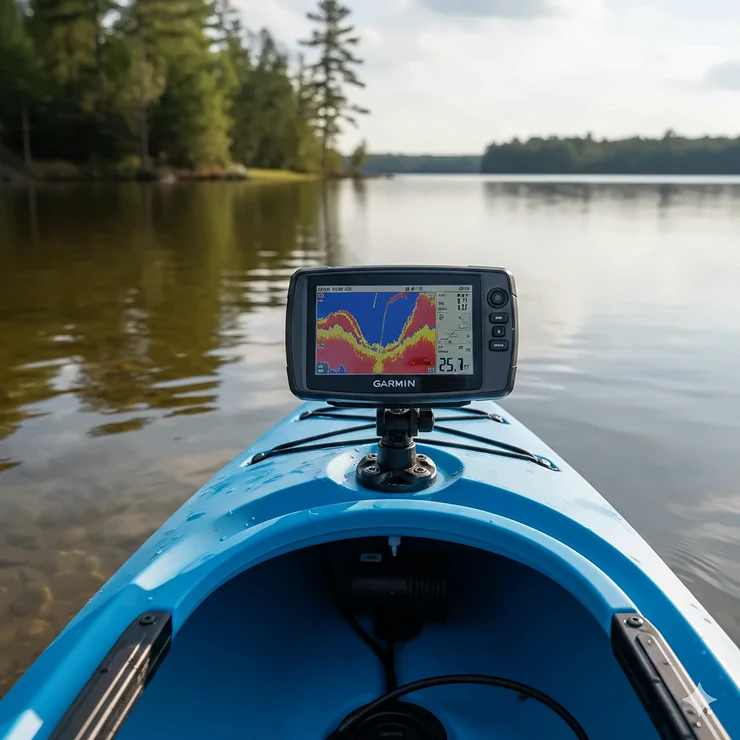
In This Article
Picture this: you’re standing on a remote shoreline, kayak beside you, wondering where those fish are hiding. Or maybe you’re drilling that tenth ice hole of the morning, hoping lady luck is on your side. What if I told you there’s a way to take the guesswork out of fishing, no matter where your adventures take you?
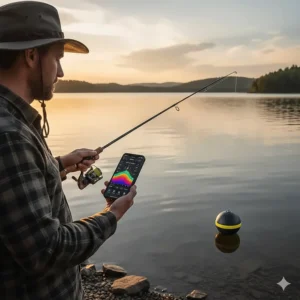
The Best Portable Fish Finders have revolutionized how anglers approach their favorite pastime. Unlike traditional mounted units that stay bolted to your boat, these versatile devices travel wherever you do – from kayaks to canoes, ice shanties to riverbanks. They’re the Swiss Army knives of fishing electronics, combining portability with performance in ways that seemed impossible just a few years ago.
In 2026, the portable fish finder market has matured beautifully. You’ll find everything from budget-friendly handheld units that slip into your tackle box to sophisticated GPS-enabled systems that create underwater maps while you fish. Whether you’re a weekend warrior or a serious angler chasing tournament fish, there’s a portable fish depth finder designed specifically for your needs.
The beauty of modern portable fish finders lies in their versatility. These aren’t watered-down versions of boat-mounted units – they’re purpose-built tools that excel at their job. Many feature the same advanced sonar technology basics found in premium boat electronics, packaged in grab-and-go formats that make sense for today’s mobile angler.
Quick Comparison Table: Top 7 Best Portable Fish Finders
| Product | Display Size | Depth Range | GPS | Battery Life | Best For | Price Range |
|---|---|---|---|---|---|---|
| Garmin Striker 4 Portable | 3.5″ | 1,600 ft | ✅ | Rechargeable | All-season versatility | $200-$250 |
| Deeper PRO+ 2 | Smartphone | 260 ft | ✅ | 6 hours | Castable shore fishing | $180-$220 |
| Humminbird Helix 7 G4 All Season | 7″ HD | 1,500 ft | ✅ | 15Ah lithium | Ice & boat fishing | $700-$900 |
| Lowrance Elite FS 7 All Season | 7″ | 3,000 ft | ✅ | 12V external | Advanced sonar imaging | $650-$850 |
| LUCKY FFC1108 | 2.4″ LCD | 328 ft | ❌ | 5 hours | Budget kayak fishing | $40-$60 |
| HawkEye FishTrax 1C | 2″ HD Color | 240 ft | ❌ | 4 AAA batteries | Ultralight portability | $130-$170 |
| Garmin Striker Cast GPS | Smartphone | 150 ft | ✅ | 10+ hours | Bank & shore fishing | $180-$230 |
💬 Just one click – help others make better buying decisions too! 😊
Top 7 Best Portable Fish Finders: Expert Analysis
1. Garmin Striker 4 Portable Bundle – Best Overall Value
The Garmin Striker 4 Portable Bundle strikes that sweet spot between functionality and affordability that makes it our top pick for 2026. This isn’t just a fish finder – it’s a complete portable fishing solution.
Key Specifications:
- 3.5-inch color display with CHIRP sonar (77/200 kHz)
- Built-in high-sensitivity GPS
- Depth capability: 1,600 ft freshwater / 750 ft saltwater
- Includes rechargeable battery and carry case
What makes the Garmin Striker 4 stand out is its genuine portability without compromise. The included carrying case houses everything – the display unit, rechargeable battery, CHIRP transducer with mounting hardware, and all cables. You can transition from boat to kayak to ice in minutes.
Customer feedback consistently praises the crisp CHIRP sonar images that separate targets down to individual fish. The built-in GPS lets you mark hot spots and navigate back to productive areas, while the Quickdraw Contours mapping creates custom 1-foot contour maps as you fish.
✅ Pros:
- Complete portable package ready to use
- Excellent CHIRP sonar clarity
- Built-in flasher mode for ice fishing
❌ Cons:
- Smaller screen may challenge older eyes
- No advanced imaging like side scan
Price: $200-$250 | Perfect for kayakers and ice anglers who want professional-grade sonar in a truly portable package.
2. Deeper PRO+ 2 – Best Castable Fish Finder
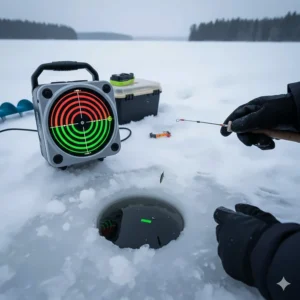
For shore anglers and anyone who wants to keep their fishing truly wireless, the Deeper PRO+ 2 redefines what’s possible with a castable fish finder. This golf ball-sized device connects to your smartphone and delivers surprising capabilities.
Key Specifications:
- Dual-beam sonar: 90 kHz (55°) and 290 kHz (15°)
- Scanning depth: 260 ft
- Built-in GPS for bathymetric mapping
- Wi-Fi connection up to 330 ft range
The Deeper PRO+ 2 solves a problem that’s plagued shore anglers forever: knowing what’s out there before you cast. Just attach it to your line, cast it out, and watch real-time sonar data stream to your phone. The dual-beam technology lets you scan wide areas quickly, then narrow down on specific targets.
What really impresses users is the onboard GPS that creates detailed underwater maps as you scan. These maps sync across all your devices through the Fish Deeper app, so you’re building a permanent library of your favorite fishing spots.
✅ Pros:
- Truly castable design perfect for shore fishing
- Creates bathymetric maps from anywhere
- No external battery or cables needed
❌ Cons:
- Relies on your phone’s battery
- Can be challenging in rough water
Price: $180-$220 | Ideal for bank anglers, kayakers, and anyone who wants GPS fish finder combos without permanent installation.
3. Humminbird Helix 7 CHIRP GPS G4 All Season – Premium All-Season Choice
When you want the best portable fish finder that performs like a premium boat unit, the Humminbird Helix 7 G4 All Season delivers in spades. This is serious fish-finding technology in a portable package.
Key Specifications:
- 7-inch HD display with adjustable brightness
- Dual Spectrum CHIRP sonar with 3/4″ target separation
- AutoChart Live for real-time mapping
- 15Ah lithium battery with USB charging ports
The Humminbird Helix 7 comes with two complete setups: one for ice fishing with an ice transducer and shuttle, another for open water with transom mount and portable kit. It’s genuinely all-season capable, with specialized modes for each fishing style.
Customers rave about the crystal-clear display that remains readable in bright sunlight, and the CHIRP Interference Rejection that keeps your screen clean even when fishing near other electronics. The included 15Ah battery provides all-day power and even charges your phone through built-in USB ports.
✅ Pros:
- True all-season capability with included accessories
- Premium CHIRP sonar with excellent target separation
- Large, bright display easy to read in any conditions
❌ Cons:
- Higher price point
- Heavier than basic portables
Price: $700-$900 | Best for serious anglers who fish year-round and want professional-grade fishfinder transducer types in a portable format.
4. Lowrance Elite FS 7 All Season Pack – Advanced Imaging Master
The Lowrance Elite FS 7 All Season Pack brings advanced sonar technology basics like Active Imaging to the portable fish finder world. If you want to see underwater in photo-realistic detail, this is your machine.
Key Specifications:
- 7-inch multi-touch display
- Active Imaging 3-in-1 (CHIRP, SideScan, DownScan)
- FishReveal combines sonar with imaging
- Preloaded C-MAP Discover charts
What sets the Lowrance Elite FS 7 apart is its imaging capability. The Active Imaging transducer delivers structure and fish images with incredible clarity, while FishReveal overlays fish targets on DownScan images so you see both structure and suspended fish simultaneously.
Users particularly appreciate the intuitive touchscreen interface that makes switching between sonar modes effortless. The all-season pack includes everything for ice fishing and portable boat use, from ice transducers to suction cup mounts.
✅ Pros:
- Exceptional imaging quality with Active Imaging
- Preloaded charts for 15,000+ lakes
- Ready for ActiveTarget Live Sonar upgrade
❌ Cons:
- Shorter battery life than lithium-equipped units
- Learning curve for all features
Price: $650-$850 | Perfect for anglers who want the latest sonar technology and plan to upgrade with forward-facing sonar.
5. LUCKY Portable Fish Finder FFC1108 – Best Budget Option
Sometimes you just need basic fish-finding capabilities without breaking the bank. The LUCKY FFC1108 proves that effective doesn’t have to mean expensive in the portable fish depth finder category.
Key Specifications:
- 2.4-inch color LCD display
- Wired sonar sensor with 45° beam angle
- Depth detection: 328 ft
- Rechargeable via USB
The LUCKY FFC1108 keeps things beautifully simple. Attach the wired transducer to your kayak or drop it through an ice hole, and you’ll see water depth, fish location, bottom contour, and water temperature on the compact color display.
Budget-conscious anglers love that this unit delivers genuine value. While you won’t get GPS or advanced imaging, you will see fish arches, depth readings, and structure – everything you actually need for successful fishing. The rechargeable battery provides about 5 hours of runtime, and the display is bright enough for daylight use.
✅ Pros:
- Unbeatable price for beginners
- Simple, intuitive operation
- USB rechargeable battery
❌ Cons:
- No GPS or mapping features
- Display unit not waterproof (needs protection)
Price: $40-$60 | Ideal for budget-minded beginners or as a backup unit for experienced anglers.
6. HawkEye FishTrax 1C – Most Versatile Compact Unit
The HawkEye FishTrax 1C might be small, but it’s mighty. This compact powerhouse runs on AA batteries and packs features that punch well above its weight class.
Key Specifications:
- 2-inch HD color VirtuView display
- Dual-beam sonar (200 kHz / 83 kHz)
- Three operating modes: Fish Finder, Data, Ice Flasher
- 100% waterproof construction
What makes the HawkEye FishTrax 1C special is its triple-mode operation. Switch between traditional fish finder view, enlarged data display, or real-time ice flasher mode depending on your needs. The dual-beam intelligent sonar automatically switches frequencies for optimal performance.
Float tube and kayak anglers particularly appreciate the AA battery power – no charging required, just swap batteries and keep fishing. At only 30 hours per set of batteries, it’s incredibly efficient. Plus, it’s the only fully waterproof portable in its price range.
✅ Pros:
- Truly waterproof, not just water-resistant
- Long battery life on inexpensive AA batteries
- Three specialized viewing modes
❌ Cons:
- Small screen requires close viewing
- No GPS capability
Price: $130-$170 | Best for minimalist anglers who want maximum functionality in the smallest package.
7. Garmin Striker Cast GPS – Revolutionary Shore Fishing Tool
The Garmin Striker Cast GPS represents a completely different approach to portable fish finding. This castable sonar ball turns your smartphone into a full-featured fish finder.
Key Specifications:
- Connects to iOS and Android via app
- Wireless range: 200 ft
- Built-in GPS for Quickdraw mapping
- 10+ hour rechargeable battery
Simply download the free Striker Cast app, pair it with the sonar ball, and cast it like a fishing bobber. The Garmin Striker Cast streams live sonar data to your phone, showing fish, depth, temperature, and structure in traditional 2D or ice flasher modes.
The built-in GPS is the game-changer here. As you cast and retrieve, the Striker Cast creates custom contour maps that you can save and share through the Garmin Quickdraw Community. Bank anglers report this has completely changed how they approach new water.
✅ Pros:
- Perfect for shore and dock fishing
- Creates bathymetric maps while you fish
- No separate display to carry
❌ Cons:
- Drains phone battery during use
- Less effective in very shallow water
Price: $180-$230 | Ideal for bank anglers and anyone who wants sophisticated fish-finding without carrying extra screens.
Understanding Portable Fish Finder Technology
What Makes Portable Fish Finders Different?
Portable fish finders are designed from the ground up for mobility. Unlike traditional mounted units that draw power from your boat’s electrical system, portables rely on internal rechargeable batteries or standard batteries, making them truly independent.
The best portable fish finders balance three critical factors: size, power consumption, and performance. Modern units achieve this through efficient processors, optimized displays, and smart power management. Many automatically power down when removed from water, extending battery life significantly.
How Sonar Technology Basics Work
At their core, all fish finders use sonar technology basics – Sound Navigation and Ranging. The transducer emits sound pulses that travel through water, bounce off objects (fish, structure, bottom), and return to the sensor. By measuring the time between transmission and echo return, the fish finder calculates distance and depth.
Traditional sonar uses single frequencies, typically 200 kHz for shallow water detail or 83 kHz for deeper penetration. CHIRP sonar (Compressed High-Intensity Radiated Pulse) sweeps through multiple frequencies continuously, providing dramatically better target separation and clarity.
Understanding Fishfinder Transducer Types
The transducer is the heart of any fish finder. Here are the main types you’ll encounter:
Single-Beam Transducers: Emit a cone-shaped sonar beam. Simple and effective for basic depth and fish finding.
Dual-Beam Transducers: Offer two beam widths simultaneously – wide for coverage, narrow for detail. Most portable fish finders use this technology.
CHIRP Transducers: Send continuous frequency sweeps rather than single pings. Result: crisper fish arches and better separation of individual targets.
Imaging Transducers: Used in advanced units like the Lowrance Elite FS, these create photo-like images of structure using high-frequency sonar.
Castable Transducers: Found in devices like the Deeper PRO+ 2 and Garmin Striker Cast, these wireless units float on the surface while scanning below.
GPS Fish Finder Combos vs. Basic Units
When You Need GPS Capability
GPS fish finder combos add significant value if you fish large bodies of water or new locations frequently. The GPS allows you to:
- Mark waypoints at productive fishing spots, boat ramps, or hazards
- Navigate back to successful locations with precision
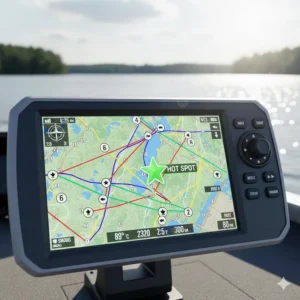
- Create custom maps using Quickdraw Contours or AutoChart Live
- Track your path to cover water efficiently without overlap
- Share locations with other anglers (or keep them secret!)
Units like the Garmin Striker 4 Portable and Humminbird Helix 7 include high-sensitivity GPS that works even under tree cover or in canyons. The mapping capability essentially gives you a custom survey of every lake you fish.
When Basic Fish Finding Is Enough
Not every situation requires GPS. If you primarily fish small ponds, familiar lakes, or ice fishing in visible structures, a basic portable fish depth finder like the LUCKY FFC1108 or HawkEye FishTrax might be all you need.
Basic units excel at their primary job – showing you depth, fish location, and bottom structure. They’re typically lighter, have longer battery life, and cost considerably less. For many anglers, especially beginners, they provide everything necessary for successful fishing.
Choosing the Right Portable Fish Finder for Your Needs
For Kayak Fishing
Kayak anglers need lightweight units that won’t upset the boat’s balance. The Garmin Striker 4 Portable and HawkEye FishTrax 1C are excellent choices, both under 2 pounds with battery. Look for:
- Compact size that fits in limited cockpit space
- Battery efficiency for all-day trips
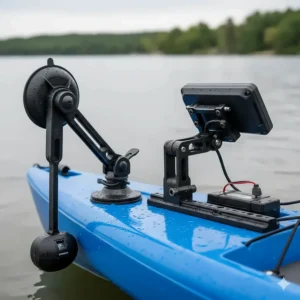
- Mounting flexibility with suction cups or track mounts
- Water resistance to handle splashes and spray
The wired transducer design works better in kayaks than castable units, as you’re constantly moving and need continuous readings.
For Ice Fishing
Ice anglers benefit most from units with dedicated ice modes and flasher displays. The Humminbird Helix 7 G4 All Season and Lowrance Elite FS 7 both include ice-specific transducers and shuttle systems.
Essential ice fishing features include:
- Flasher mode for real-time vertical displays
- CHIRP interference rejection to filter out nearby anglers’ signals
- Auto-zoom to focus on specific depth ranges
- Jig charge mode (on Humminbird units) to light up glow baits
Cold weather demands excellent battery performance, so lithium batteries are worth the investment.
For Shore and Bank Fishing
Castable fish finder options have revolutionized shore fishing. The Deeper PRO+ 2 and Garmin Striker Cast GPS allow you to scan water you can’t reach from the bank.
Shore anglers should prioritize:
- Casting range – how far the sonar signal reaches wirelessly
- GPS mapping to mark productive spots for future trips
- Depth capability matching your typical fishing locations
- Battery life sufficient for long bank sessions
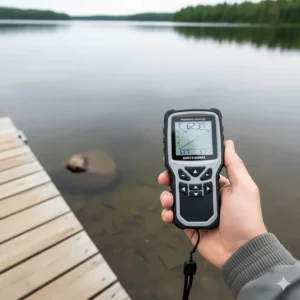
These units work equally well from docks, piers, or float tubes.
Essential Features Explained
Display Quality and Size
Display technology has improved dramatically. Even budget units now offer color screens with decent visibility. Consider:
Screen Size: Larger displays (7 inches) show more detail but consume more power and space. Smaller screens (2-3.5 inches) are lighter and more portable.
Resolution: Higher pixel counts deliver sharper images, making fish and structure easier to identify.
Brightness: Adjustable backlighting is essential for fishing at dawn, dusk, or in bright sunlight.
Viewing Angle: Important for kayak fishing where you can’t always look straight down at the screen.
Battery Life and Power Options
Portable fish finders use various power solutions:
Rechargeable Lithium Batteries: Found in premium units like the Humminbird Helix 7. Excellent capacity, lightweight, charge quickly via USB.
Standard Rechargeable Batteries: Lead-acid batteries in budget units. Heavier but often included in the package.
AA/AAA Batteries: HawkEye FishTrax uses readily available alkaline batteries. Convenient but can get expensive.
Dual Power Options: Some units accept both internal batteries and external 12V connections for flexibility.
Expect 5-10 hours of runtime from internal batteries, more with external power sources.
Water Resistance Ratings
Understanding IP (Ingress Protection) ratings helps choose the right unit:
- IPX6: Protected against powerful water jets, handles heavy spray
- IPX7: Submersion resistant up to 1 meter for 30 minutes
- Fully Waterproof: Like the HawkEye FishTrax, can be completely submerged
Most portables are IPX6 or IPX7 rated. The display unit should avoid direct immersion even if rated, but can handle wet conditions and rain.
Setting Up Your Portable Fish Finder
Initial Configuration
Modern portable fish finders are designed for quick setup:
- Charge the battery fully before first use
- Install the latest software via manufacturer’s website
- Configure basic settings: units (feet/meters), language, time zone
- Set depth range appropriate for your typical fishing
- Adjust sensitivity – start at 75% and fine-tune on the water
Most units power up with sensible defaults. You can fish effectively right away and adjust settings as you learn the system.
Transducer Mounting Options
Proper transducer placement dramatically affects performance:
Suction Cup Mounts: Perfect for kayaks and temporary installations. Ensure smooth mounting surface and firm contact.
Transom Mounts: Traditional boat mounting. Angle the transducer to point straight down when the boat is at speed.
Trolling Motor Mounts: Place the transducer on your trolling motor shaft for optimal positioning.
Ice Fishing: Use the included ice transducer in a hole, suspended on a float arm or pole mount.
Through-Hull: Permanent installations for dedicated boats. Requires drilling and proper sealant.
The transducer face should be free of air bubbles, aimed straight down, and positioned where it won’t catch weeds or debris.
Reading Your Fish Finder Screen
Understanding how to read sonar takes practice but follows logical principles:
The Display Layout: Newest information appears on the right, older scrolls left. Depth is vertical – shallow at top, deep at bottom.
Fish Arches: As fish swim through the sonar cone, they create arch shapes. Partial arches are common if fish don’t cross the entire cone.
Bottom Returns: The thickest, darkest line is the bottom. Hard bottoms (rock, gravel) show as thick lines; soft bottoms (mud, silt) appear thinner.
Structure: Submerged trees, rocks, and vegetation appear as irregular shapes rising from the bottom.
Water Column: The space between surface and bottom may show suspended fish, thermoclines, or baitfish schools.
Turn off “Fish ID” icons once you’re comfortable – raw sonar data provides more accurate information.
Tips for Maximizing Performance
Optimize Your Settings
Sensitivity: Higher sensitivity shows more detail but can clutter the screen with noise. Lower it in murky water or when too much information appears.
Depth Range: Auto range works well generally, but manual range selection shows specific depth zones with more detail.
Chart Speed: Faster speeds show more frequent updates, slower speeds compress more information on screen.
Color Palettes: Experiment with different color schemes. Some work better in bright sun, others in low light.
Common Mistakes to Avoid
Mistake 1: Assuming everything is directly below you. Remember the sonar cone covers a wider area at depth.
Mistake 2: Fishing too fast. Most portable fish finders work best at trolling speeds under 5 mph.
Mistake 3: Ignoring water temperature. Dramatic temperature changes often indicate productive fishing zones.
Mistake 4: Not marking waypoints. GPS units are worthless if you don’t save your best spots.
Mistake 5: Leaving batteries installed during storage. This causes corrosion and shortened battery life.
Maintenance and Care
Proper Storage
Portable fish finders last longer with proper care:
- Remove batteries before long-term storage
- Store in protective cases away from extreme temperatures
- Keep transducers dry and protected from impacts
- Coil cables loosely to prevent wire damage
- Update software annually or when manufacturer releases updates
Many manufacturers offer extended warranties if you register your unit online.
Winterization for Ice Fishing
Ice fishing poses unique challenges:
- Use a warm battery – keep it inside your coat until needed
- Allow the display to warm up gradually before powering on
- Protect from condensation when moving between cold ice and warm vehicles
- Keep snow and ice off the screen with covers or shelters
Lithium batteries handle cold better than lead-acid alternatives.
Cleaning and Transducer Maintenance
After each fishing trip:
- Rinse transducer with fresh water, especially after saltwater use
- Wipe display with soft, damp cloth (no solvents or cleaners)
- Check connections for corrosion or damage
- Inspect cables for wear or cracking
- Clean mounting hardware and ensure all parts move freely
Annual silicone grease application on seals extends water resistance.
Frequently Asked Questions
❓ How deep can portable fish finders detect?
❓ Can portable fish finders work through ice?
❓ Do castable fish finders scare away fish?
❓ How accurate are budget portable fish finders?
❓ Can I use my portable fish finder on saltwater?
Conclusion: Finding Your Perfect Match
After testing and researching dozens of units, one truth emerges: the Best Portable Fish Finders aren’t about having every feature – they’re about matching the right tool to your fishing style.
For most anglers, the Garmin Striker 4 Portable Bundle delivers the best overall package. Its combination of CHIRP sonar, built-in GPS, true portability, and reasonable price makes it hard to beat. You get professional-grade fish-finding capability without the professional price tag.
If you primarily fish from shore or want ultimate portability, the castable fish finder category has matured beautifully. The Deeper PRO+ 2 and Garmin Striker Cast GPS both create detailed underwater maps from places you couldn’t access before. They’re revolutionizing how anglers approach new water.
Serious multi-season anglers should seriously consider the Humminbird Helix 7 CHIRP GPS G4 All Season. Yes, it costs more, but you’re getting a genuine do-it-all system that transitions seamlessly from boat to ice. The included accessories and premium features justify the investment if you fish regularly year-round.
Budget-conscious beginners can absolutely start with units like the LUCKY FFC1108 or HawkEye FishTrax 1C. Both provide genuine fish-finding capability at prices that won’t break the bank. You’ll learn the basics of sonar interpretation and discover whether advanced features matter for your fishing.
Remember, the best fish finder is the one you’ll actually use. A simple unit on the water beats a complex unit gathering dust in your garage. Start where your budget and needs align, and upgrade when experience shows you what features truly matter for your fishing.
The water’s calling, and now you have the tools to unlock its secrets. Tight lines! 🎣
Recommended for You
- 7 Best Fishing Pliers 2026: Expert Reviews & Buying Guide
- Best Women’s Fishing Shirts: 7 Top Picks for 2026
- 7 Best Long Sleeve Fishing Shirts for Men 2026 | UPF 50+ Guide
Disclaimer: This article contains affiliate links. If you purchase products through these links, we may earn a small commission at no additional cost to you.
✨ Found this helpful? Share it with your fishing buddies! 💬🤗
