
In This Article
Have you ever wondered why professional anglers still swear by monofilament fishing line despite all the fancy braids and fluorocarbons flooding the market? I’ll let you in on a secret – mono fishing line remains one of the most versatile, forgiving, and effective options for both beginners and seasoned pros alike.
After spending countless hours on the water testing various lines and analyzing hundreds of customer reviews, I’ve discovered that choosing the right Monofilament Fishing Line can make the difference between landing that trophy bass or watching it swim away with your favorite lure. The beauty of mono lies in its incredible stretch properties, natural shock absorption, and unbeatable value for money.
Whether you’re a weekend warrior chasing panfish at your local pond or a serious tournament angler targeting lunkers, understanding monofilament line stretch properties and fishing line visibility will transform your success rate. Today’s mono technology has evolved dramatically since DuPont first introduced nylon monofilament in 1939, offering anglers unprecedented performance at accessible price points.
In this comprehensive guide, I’ll walk you through the seven best mono fishing line options available in 2026, breaking down everything from budget-friendly choices perfect for mono line for beginners to premium tournament-grade selections that serious anglers demand.
Quick Comparison Table
| Product | Best For | Lb Test Range | Price Range | Key Feature |
|---|---|---|---|---|
| Berkley Trilene XL | All-Purpose Fishing | 2-30 lb | $4-$35 | Superior manageability & low memory |
| Stren Original | Versatile Performance | 4-80 lb | $5-$30 | Exceptional knot strength & UV protection |
| KastKing TriPolymer | Advanced Sensitivity | 4-30 lb | $10-$25 | Triple extrusion technology |
| Reaction Tackle Mono | Budget-Conscious Anglers | 4-200 lb | $8-$22 | UV reactive glow option |
| Sufix Advance | Premium Performance | 4-25 lb | $10-$28 | 50% less stretch than standard mono |
| ANDE Premium | Big Game Fishing | 6-300 lb | $12-$55 | 2,000+ IGFA world records |
| KastKing Destron | Clear Water Conditions | 4-30 lb | $9-$24 | Low light refraction technology |
💬 Just one click – help others make better buying decisions too! 😊
Top 7 Monofilament Fishing Line Products: Expert Analysis
1. Berkley Trilene XL Monofilament Fishing Line
When it comes to America’s bestselling mono fishing line, Berkley Trilene XL has dominated tackle boxes since 1959 for good reason. This legendary line represents the gold standard for versatility.
Key Specifications:
- Available: 2-30 lb test weights
- Spool sizes: 110-2600 yards
- Price range: $4-$35
The upgraded formula boasts 20% greater knot strength and 50% improved wet strength compared to previous versions. Anglers consistently praise its exceptional castability and minimal line memory, making it ideal for spinning reels. The low-vis clear option remains virtually invisible underwater, while the line’s controlled stretch provides excellent shock absorption when fighting aggressive fish.
Customer feedback reveals Trilene XL performs exceptionally well across diverse fishing scenarios – from finesse bass presentations to trout fishing in crystal-clear streams. The armor-coated versions add extra abrasion resistance for cover-heavy environments.
✅ Pros:
- Superior manageability with minimal tangles
- Excellent sensitivity for detecting subtle bites
- Versatile across multiple techniques
❌ Cons:
- Can develop memory when stored long-term
- Slightly more expensive than budget options
2. Stren Original Monofilament Fishing Line
The instantly recognizable purple box contains fishing history – Stren Original revolutionized angling when DuPont introduced it in 1959. This classic Monofilament Fishing Line continues earning loyalty from multiple generations of anglers.
Key Specifications:
- Test weights: 4-80 lb
- Standard spools: 100-330 yards
- Price range: $5-$30
Stren Original delivers the perfect balance of strength, sensitivity, and suppleness. The UV Guard technology extends line lifespan by protecting against harmful ultraviolet rays that degrade nylon. An IGFA world-record 573-lb blue marlin fell to this line, speaking volumes about its reliable performance under extreme pressure.
Anglers appreciate how effortlessly Stren casts and its superior knot-tying characteristics. The low-vis green and clear blue fluorescent options provide tactical advantages in varying water conditions. Customer reviews consistently highlight its exceptional value and time-tested dependability.
✅ Pros:
- Outstanding knot and tensile strength
- UV protection extends usable life
- Proven tournament performance
❌ Cons:
- Some users report inconsistent spool quality
- Higher stretch than modern copolymers
3. KastKing TriPolymer Advanced Monofilament Fishing Line
Innovation meets performance with KastKing TriPolymer, a game-changing line that blurs the distinction between monofilament and fluorocarbon through revolutionary triple-extrusion technology.
Key Specifications:
- Available: 4-30 lb test
- Spool options: 300-1200 yards
- Price range: $10-$25
This isn’t your grandfather’s mono fishing line. TriPolymer incorporates three distinct nylon resins (Nylon 6, 6.6, and 12) through a proprietary cross-head extrusion process. The result? Low light refraction similar to fluorocarbon, making it nearly invisible underwater, combined with 2X superior abrasion resistance compared to traditional copolymer.
Anglers rave about the incredibly smooth surface that generates longer casts with minimal friction. The thin diameter relative to breaking strength allows downsizing without sacrificing power. Customer feedback emphasizes outstanding performance for jerkbaits, topwater presentations, and finesse techniques.
✅ Pros:
- Near-fluorocarbon invisibility
- Exceptional abrasion resistance
- Thin diameter for extended casts
❌ Cons:
- Takes adjustment period for anglers used to traditional mono
- Limited high-test options
4. Reaction Tackle Monofilament Fishing Line
Budget-conscious anglers rejoice – Reaction Tackle delivers premium performance without the premium price tag, making it an outstanding mono line for beginners and experienced fishermen alike.
Key Specifications:
- Test range: 4-200 lb
- Spools: 350-1000 yards
- Price range: $8-$22
This family-owned company’s commitment to quality shines through their monofilament construction. The UV-reactive yellow and green options literally glow under UV light for improved visibility in low-light or deep-water scenarios. Zero water absorption combined with remarkable abrasion resistance creates lasting performance in harsh conditions.
Customer reviews frequently mention switching from Trilene to Reaction Tackle and never looking back. The low memory design ensures smooth casting and retrieval, while the thin diameter relative to strength rating provides excellent value. Available up to 200 lb test, it handles everything from panfish to saltwater giants.
✅ Pros:
- Exceptional value for money
- UV glow feature aids bite detection
- Wide test range (4-200 lb)
❌ Cons:
- Less brand recognition than legacy names
- Color options may not suit all preferences
5. Sufix Advance Monofilament Fishing Line
When you want monofilament that thinks it’s braided line, Sufix Advance represents the pinnacle of modern mono technology with performance characteristics that challenge conventional wisdom.
Key Specifications:
- Test weights: 4-25 lb
- Spool size: 330 yards
- Price range: $10-$28
Sufix achieved something remarkable by combining HMPE and Hyper Copolymer materials to create the most abrasion-resistant, supple, and sensitive monofilament ever produced. The 50% reduced stretch compared to traditional mono provides instant bite detection and superior hook-setting power while maintaining the shock absorption anglers love.
Professional reviews from Wired2Fish praise its exceptional limp quality that resists kinking even in windy conditions. The precision-wound spools prevent line criss-crossing and pinch points. Anglers report using this best mono fishing line for applications traditionally reserved for fluorocarbon – crankbaits, jerkbaits, and flipping heavy cover.
✅ Pros:
- 50% less stretch for enhanced sensitivity
- Superior abrasion resistance
- Maintains limpness through extended use
❌ Cons:
- Higher price point
- Limited to 25 lb maximum test
6. ANDE Premium Monofilament Fishing Line
When the stakes are highest and you’re chasing record-class fish, ANDE Premium stands alone with over 2,000 IGFA world records to its credit – more than all other line companies combined.
Key Specifications:
- Test range: 6-300 lb
- Bulk spools: 1/4 lb to 2 lb options
- Price range: $12-$55
Founded in 1956 by Arthur Berel (ANDE is “Edna” spelled backwards – his wife’s name), this legendary line has proven itself from Australian waters to Florida’s bonefish flats. The medium-soft monofilament delivers excellent tensile and knot strength paired with exceptional abrasion resistance that withstands brutal big-game battles.
Saltwater captains trust ANDE Premium for everything from offshore trolling to inshore light-tackle presentations. The controlled stretch provides insurance against sudden runs while maintaining direct contact. Customer testimonials frequently mention landing personal-best fish on surprisingly light test weights.
✅ Pros:
- Proven world-record performance
- Available up to 300 lb test
- Exceptional reliability under pressure
❌ Cons:
- Premium pricing
- May be overkill for casual fishing
7. KastKing Destron Essential Monofilament Fishing Line
Rounding out our selections, KastKing Destron offers cutting-edge polymer coating technology that pushes monofilament fishing line performance boundaries in clear-water scenarios.
Key Specifications:
- Test weights: 4-30 lb
- Multiple spool sizes available
- Price range: $9-$24
The innovative polymer coating bonds tightly with nylon molecules to enhance abrasion resistance and increase knot strength significantly. This specially formulated coating allows ultra-smooth passage through rod guides for effortless casting. The 12% lower stretch factor compared to traditional copolymer monofilament enables detecting even the slightest nibbles.
Color options like Ghost Clear, BlueBird, and LimeWood Camo provide tactical advantages across varying environments. The low light refraction keeps presentations stealthy in pressured waters where fish have grown line-shy. Customer feedback highlights the line’s perfect balance on baitcasting reels, helping prevent backlashes and tangles.
✅ Pros:
- Advanced polymer coating technology
- Lower stretch for improved sensitivity
- Multiple color options for diverse conditions
❌ Cons:
- Newer to market than legacy brands
- Limited long-term performance data
Understanding Monofilament Line Stretch Properties
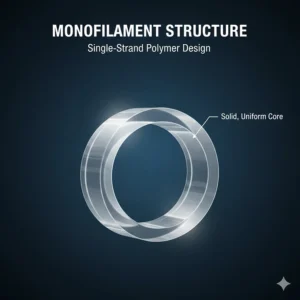
The defining characteristic that sets Monofilament Fishing Line apart from braided and fluorocarbon alternatives lies in its elastic stretch properties. This isn’t a bug – it’s a feature that savvy anglers leverage to their advantage.
How Stretch Benefits Your Fishing
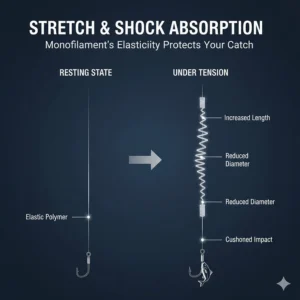
Traditional mono fishing line typically stretches 15-25% under load, acting like a shock absorber between you and the fish. When a bass makes that explosive run toward submerged timber or a trout aerial display tests your drag system, that stretch prevents line breakage and torn hooks. Think of it as built-in insurance against sudden pressure spikes.
The monofilament line stretch properties also forgive mistakes in drag settings. Newer anglers especially benefit from this forgiving nature while developing their fish-fighting skills. The stretch allows fish to run without immediately snapping the line when your drag is set slightly too tight.
Modern Low-Stretch Innovations
Contemporary lines like Sufix Advance and KastKing TriPolymer reduce stretch by 50% compared to traditional mono, offering a middle ground between classic monofilament and zero-stretch braided lines. This innovation preserves shock-absorbing benefits while dramatically improving bite detection and hook-setting power.
According to research from fishing line studies, the molecular structure of nylon polymers determines stretch characteristics. Advanced extrusion processes align polymer chains more efficiently, reducing elongation without compromising strength.
Fishing Line Visibility and Stealth Tactics
Understanding fishing line visibility transforms good anglers into great ones, especially in clear water or when targeting pressured fish that have seen every lure in the tackle box.
The Science of Underwater Visibility
Light refraction determines how visible your line appears to fish. Water and nylon monofilament have different refractive indices, creating a visible “line signature” that wary fish detect. Clear Monofilament Fishing Line minimizes but doesn’t eliminate this phenomenon.
Modern lines employ several strategies to reduce visibility:
Low-Refraction Technology: Lines like KastKing TriPolymer use three-layer construction mimicking fluorocarbon’s refractive properties, making them nearly invisible underwater.
Strategic Coloration: Counter-intuitively, colored lines sometimes outperform clear options. Smoke blue blends with offshore waters, green disappears in vegetation-heavy lakes, and camo patterns break up the line signature against varied backgrounds.
Matching Line to Water Conditions
Crystal-clear spring creeks demand ultra-low visibility approaches. Here, premium options like Sufix Advance or fluorocarbon-hybrid monofilaments provide competitive advantages. Conversely, stained or murky water allows using higher-visibility lines that help YOU track your presentation without spooking fish.
The best mono fishing line for your application balances invisibility to fish with visibility to you, enabling better strike detection and lure tracking.
Selecting the Perfect Mono Line for Beginners
If you’re just starting your angling journey, choosing the right mono line for beginners eliminates frustration and builds confidence on the water. Here’s your roadmap to success.
Start with All-Purpose Performance
Berkley Trilene XL in 8-10 lb test represents the perfect entry point. This forgiving line handles common beginner mistakes – improper drag settings, aggressive hook sets, rough handling – without constant breakoffs. The low memory characteristic prevents bird’s nests and tangles that discourage newcomers.
Spool your spinning reel with 8 lb test for bass, panfish, and small walleye. Step up to 10-12 lb for larger bass or light saltwater applications. The versatility means you’re not constantly re-spooling between fishing trips.
Budget-Friendly Learning Curve
Reaction Tackle Monofilament offers newcomers premium features without premium prices. Learning proper knot tying, drag adjustment, and fish-fighting techniques inevitably wastes some line. Starting with affordable quality prevents budget anxiety while developing essential skills.
The UV-reactive feature actually aids beginners by improving line visibility during low-light conditions when you’re still mastering strike detection. As one customer reviewed: “This is some of the best line I have ever fished with, and being in my 60s, that’s a lot of fishing.”
Characteristics Beginners Should Prioritize
Manageability: Low-memory lines spool smoothly and cast easily
Forgiveness: Adequate stretch absorbs mistakes
Knot Strength: Reliable connections despite imperfect knots
Value: Affordable enough to practice without hesitation
Avoid ultra-thin diameter lines initially – they’re harder to handle and tie properly. Similarly, skip ultra-heavy tests unless specifically targeting large species. Master the fundamentals with middle-weight options first.
Advanced Monofilament Techniques and Applications
Once you’ve mastered basics, advanced Monofilament Fishing Line techniques unlock new fishing dimensions. Professional anglers employ these specialized strategies to gain competitive edges.
Technique-Specific Line Selection
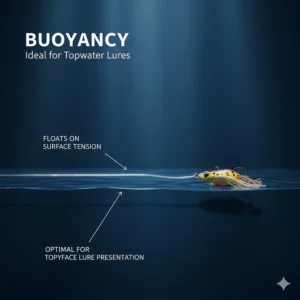
Topwater Explosions: Use 12-17 lb Sufix Advance for superior sensitivity detecting strikes while maintaining enough stretch to prevent pulling treble hooks during violent surface attacks. The low stretch improves walking-the-dog presentations.
Crankbait Crushing: Stren Original in 10-14 lb excels for diving plugs. The controlled stretch prevents ripping hooks from fish mouths during vicious strikes while allowing crankbaits to achieve maximum depth.
Flipping Heavy Cover: Step up to 20-25 lb KastKing TriPolymer when pitching jigs into dense vegetation. The superior abrasion resistance withstands constant contact with wood and weeds, while low light refraction maintains stealth in clear water.
Line Management for Extended Performance
Pro tip: Store mono fishing line away from direct sunlight and heat to prevent premature degradation. Nylon polymers break down when exposed to UV radiation, as documented in environmental fishing line research.
Re-spool annually for lines seeing heavy use, or every 18-24 months for occasional anglers. Watch for discoloration, rough texture, or increased memory – clear indicators of compromised strength. Many tournament pros strip the last 50 yards after each competition season regardless of appearance.
Creating Custom Leader Setups
Advanced anglers often pair braided mainlines with monofilament leaders, combining braid’s sensitivity and casting distance with mono’s shock absorption and invisibility. Connect using Alberto or FG knots for seamless transitions through guides.
A typical setup: 30 lb braid mainline with 6-8 feet of 12-15 lb ANDE Premium leader for walleye trolling. The braid telegraphs bottom composition while the mono leader provides essential stretch cushioning aggressive strikes.
Monofilament vs Braided vs Fluorocarbon Comparison
| Feature | Monofilament | Braided Line | Fluorocarbon |
|---|---|---|---|
| Stretch | 15-25% | 0-5% | 10-15% |
| Visibility | Moderate | High | Very Low |
| Abrasion Resistance | Good | Excellent | Very Good |
| Shock Absorption | Excellent | Poor | Good |
| Price | $ | $$ | $$$ |
| Best Applications | All-purpose, topwater, cranking | Flipping, frogging, deep water | Finesse, clear water, leader |
Understanding these differences helps you select appropriate lines for specific scenarios. Monofilament shines in situations requiring forgiveness, shock absorption, and budget-consciousness. Its moderate visibility becomes advantageous when you need to track your line for detecting subtle bites or monitoring lure action.
Braided line dominates when you need maximum sensitivity, zero stretch, and incredible strength-to-diameter ratios. However, it lacks shock absorption and remains highly visible.
Fluorocarbon excels in ultra-clear water or when fish are line-shy, offering near-invisibility and excellent abrasion resistance. The downside? Premium pricing and less shock absorption than mono.
Many experienced anglers maintain all three types, selecting based on conditions and techniques. Your tackle arsenal isn’t complete without quality options from each category.
Knot Strength and Connection Reliability
Even the best mono fishing line fails if your knots don’t hold. Mastering reliable connections ensures you land fish instead of losing them.
Top Knots for Monofilament Fishing Line
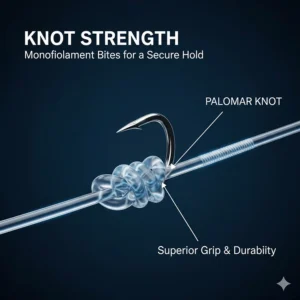
Palomar Knot: The gold standard for terminal tackle connections. Maintains 95%+ line strength and works excellently with monofilament 4-20 lb test. Double the line through the hook eye, tie an overhand knot, then pass the hook through the loop. Simple, strong, dependable.
Improved Clinch Knot: The classic that’s served anglers for generations. Thread line through eye, wrap 5-7 times around standing line, pass through small loop by eye, then back through large loop. Wet thoroughly before tightening.
Uni Knot: Incredibly versatile for both terminal connections and line-to-line joins. Creates a small, strong connection that slides through guides smoothly. Master this one knot and you’re equipped for most situations.
Maximizing Knot Performance
Always wet monofilament before cinching knots tight. Friction from dry tightening generates heat that weakens nylon at the molecular level. Saliva works, but water is cleaner.
Leave a 1/8-inch tag end after trimming – it provides insurance against slippage without creating snag-prone excess. Test each knot with steady, firm pressure before casting.
According to fishing line technology, modern lines maintain 85-95% of rated breaking strength through proper knots. Poor knot construction drops this to 50-60%, turning 20 lb line into weak 10-12 lb connections.
Environmental Considerations and Responsible Use
As anglers, we bear responsibility for protecting the waters we love. Understanding monofilament’s environmental impact guides responsible practices.
The Degradation Timeline Reality
Traditional nylon Monofilament Fishing Line persists in aquatic environments for up to 600 years according to environmental research. This creates serious hazards for wildlife – fish, birds, turtles, and marine mammals easily become entangled in discarded line.
The transparency that makes mono effective for catching fish makes it deadly for wildlife that can’t see and avoid submerged strands. Ingestion poses additional threats, with monofilament fragments causing internal injuries or starvation.
Practicing Ethical Line Management
Never Leave Line Behind: Retrieve all broken or tangled line from fishing areas. Carry a small bag or container dedicated to collecting waste line, both yours and others’.
Utilize Recycling Programs: Many tackle shops and marinas maintain monofilament recycling stations. Since 1990, Berkley Fishing has recycled over nine million miles of used line, transforming it into new fishing tackle.
Choose Biodegradable Options: Emerging biodegradable fishing lines decompose in 3-5 years rather than centuries. While currently more expensive, they represent environmentally conscious alternatives.
Educate Fellow Anglers: Share responsible practices with fishing partners and newcomers. Collective action multiplies individual efforts.
The fishing community’s future depends on healthy aquatic ecosystems. Simple conscious choices today preserve opportunities for tomorrow’s anglers.
Seasonal Monofilament Selection Strategies
Smart anglers adjust their mono fishing line choices based on seasonal conditions, matching line characteristics to changing fish behavior and environmental factors.
Spring: Low-Vis Finesse
As water temperatures rise and fish move shallow to spawn, clear water demands stealthy presentations. Deploy KastKing TriPolymer or Sufix Advance in lighter test weights (6-10 lb) for bedding bass, spawning crappie, and aggressive panfish.
The increased stretch of Monofilament Fishing Line becomes advantageous during spring when fish often strike with extreme violence. That shock-absorbing quality prevents pulled hooks during explosive attacks.
Summer: Heavy Cover Battles
When vegetation blooms and fish bury themselves in dense cover, step up to 15-20 lb Stren Original or ANDE Premium. You need raw pulling power to horse bass from lily pads and milfoil mats. Abrasion resistance becomes critical as line constantly contacts stems and roots.
Consider higher-visibility options during summer. Murky water from algae blooms means fish can’t see your line anyway, and YOU benefit from easier tracking during topwater sessions at dawn and dusk.
Fall: Versatile Transitional Approaches
Autumn fishing demands adaptability as fish relocate frequently following baitfish migrations. Keep 8-12 lb Berkley Trilene XL spooled for quick transitions between techniques – cranking offshore structure one hour, then finesse-fishing shallow flats the next.
The moderate characteristics of quality mono suit fall’s unpredictable nature perfectly. You’re prepared for anything without constant re-spooling.
Winter: Cold-Water Considerations
Monofilament stiffens in frigid conditions, increasing memory and reducing manageability. If you fish cold-weather environments, specialized ice fishing lines like Reaction Tackle Ice Mono resist freezing and maintain flexibility down to arctic temperatures.
For bass anglers fishing deeper winter structures, consider slightly heavier test weights to maintain knot strength as cold temperatures affect nylon pliability.
Spooling Techniques for Maximum Performance
Proper spooling transforms good line into great fishing experiences. These professional techniques ensure optimal performance from your Monofilament Fishing Line investment.
The Pencil Method for Spinning Reels
Insert a pencil through the line spool and have a partner hold it, applying light tension. Feed line onto your spinning reel with the bail open, ensuring the line comes off the spool in the same direction it loads onto your reel.
Watch carefully – if loops or twists appear, you’re spooling incorrectly. Flip the line spool over and resume. This prevents built-in line twist that plagues anglers with constant tangles.
Baitcasting Reel Precision
Run line directly from the manufacturer’s spool to your baitcaster, maintaining moderate tension throughout. Fill to within 1/8 inch of the spool rim – overfilling causes backlashes, while underfilling reduces casting distance.
Pro tip: After initial spooling, tie your lure to a fence post or tree, back away 50 yards, and apply maximum pressure (without breaking the line) for 30 seconds. This “sets” the line on the spool, eliminating future digging-in problems.
Breaking In New Mono
Fresh Monofilament Fishing Line benefits from a break-in period. Take your newly spooled reel fishing and make 20-30 practice casts before pursuing fish seriously. This allows the line to settle and reveals any spooling errors before they cost you a fish of a lifetime.
Some anglers soak new spools in lukewarm water for 10-15 minutes before fishing. This slightly softens the nylon, reducing memory from tight spool packaging. While not essential, it can improve initial performance.
FAQ: Monofilament Fishing Line Questions Answered
❓ How often should I replace monofilament fishing line on my reels?
❓ What pound test monofilament should beginners use for bass fishing?
❓ Does monofilament line color really matter to fish?
❓ Can you use monofilament fishing line for saltwater applications?
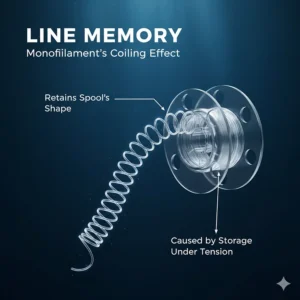
❓ What causes monofilament line memory and how do I prevent it?
Conclusion: Your Path to Monofilament Mastery
After examining seven exceptional Monofilament Fishing Line options and exploring the science behind successful mono selection, you’re equipped to make confident decisions that match your angling style and target species.
Remember, the best mono fishing line isn’t necessarily the most expensive or the newest technology – it’s the one that inspires confidence and suits your specific applications. Berkley Trilene XL delivers time-tested all-around performance. Sufix Advance pushes technological boundaries for anglers demanding premium sensitivity. Reaction Tackle proves you don’t need to empty your wallet for quality results.
Understanding monofilament line stretch properties, fishing line visibility, and proper selection criteria transforms you from someone who owns fishing line into an angler who strategically deploys the perfect tool for every situation. That knowledge gap separates average fishermen from consistently successful ones.
Whether you’re a beginner taking first steps into this amazing sport or a seasoned pro refining your arsenal, quality Monofilament Fishing Line remains foundational to success. The forgiving stretch, reliable performance, and incredible value make mono the smart choice for countless fishing scenarios.
Now it’s your turn to get on the water and put this knowledge into action. Choose your line, tie your knot, make that cast – and experience the difference that proper line selection creates. Tight lines, my friends!
Recommended for You
- 7 Best Braided Fishing Line Options for 2026
- 7 Best Travel Fishing Rods in 2026
- 7 Best Pike Fishing Lures That Trigger Monster Strikes (2026)
Disclaimer: This article contains affiliate links. If you purchase products through these links, we may earn a small commission at no additional cost to you.
✨ Found this helpful? Share it with your friends! 💬🤗
