
Have you ever stared at your once-pristine aquarium, now overtaken by unsightly green patches? I’ve been there too. As an aquarium enthusiast with over a decade of experience, I’ve discovered that algae eating fish are nature’s perfect solution to this common problem. These helpful aquatic allies not only keep your tank clean but add vibrant movement and character to your underwater world.
Algae eating fish serve as natural custodians, tirelessly working to maintain balance in your aquatic ecosystem. Whether you’re a beginner aquarist or a seasoned hobbyist, incorporating these specialized fish into your setup can dramatically reduce maintenance time while creating a healthier environment for all your aquatic pets.
In This Article
🔍 Understanding Algae in Aquariums
Before diving into our finned algae fighters, let’s understand what we’re up against. Algae is a natural part of any aquatic environment, but excessive growth can quickly become problematic. Excess light, nutrient imbalances, and poor maintenance often trigger algae blooms that can cloud water, coat decorations, and compete with plants for resources.
While chemical solutions exist, they often disrupt the delicate balance of your tank’s ecosystem. That’s where algae eating fish come in – they offer a natural, continuous solution that works in harmony with your aquarium’s environment.
🐠 Top 10 Algae Eating Fish for Your Aquarium
Let’s explore the most effective algae eating fish available for home aquariums. Each species has unique characteristics, care requirements, and algae-consuming specialties.
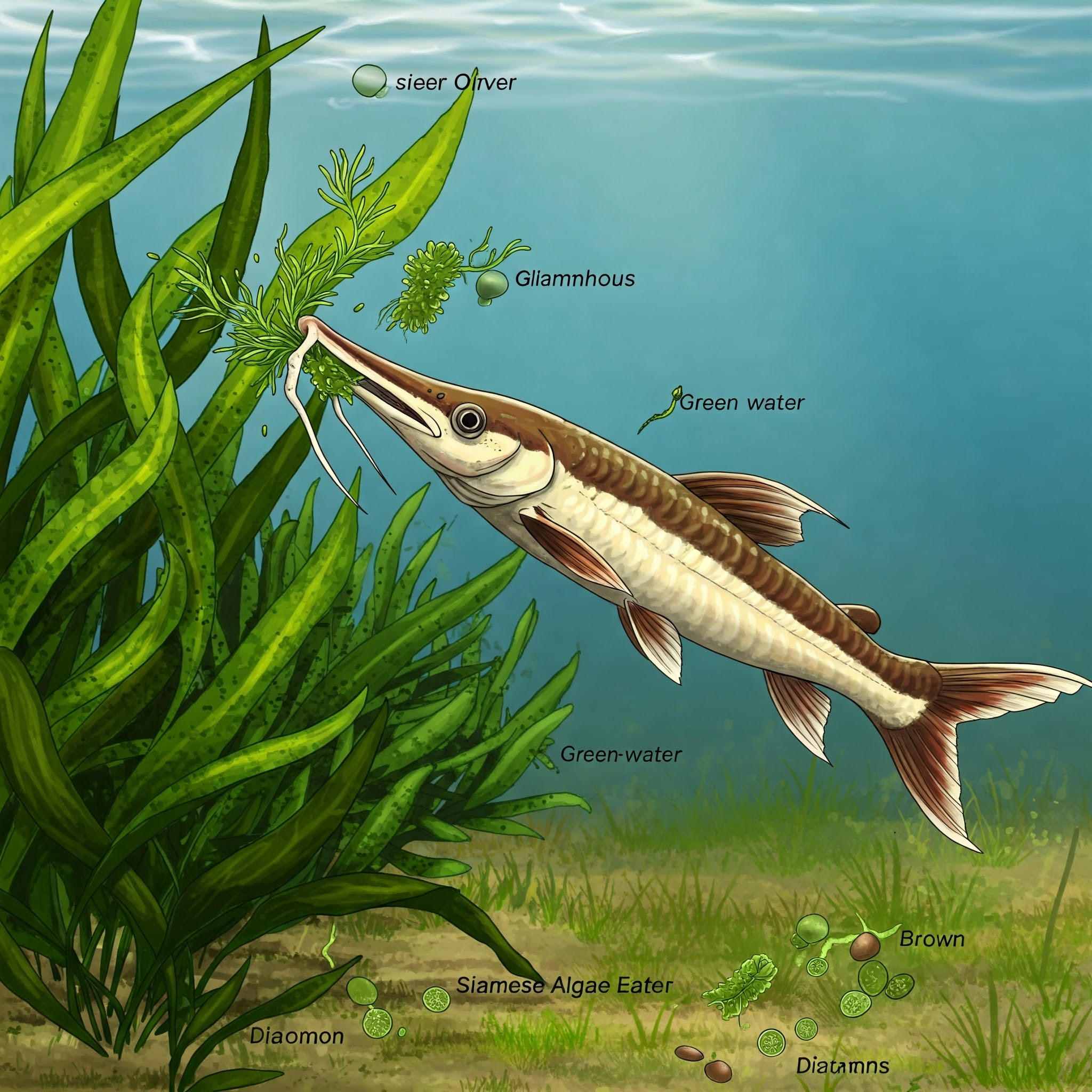
1. Siamese Algae Eater (SAE)
✅ The Siamese Algae Eater stands as perhaps the most efficient algae consumer in the freshwater world. Unlike many algae eating fish that become less interested in algae as they mature, SAEs maintain their appetite for algae throughout their lives.
These active swimmers reach about 6 inches in length and are particularly effective against black beard algae – a stubborn variety that many other fish ignore. Their peaceful nature makes them compatible with most community tanks, though they can become territorial with their own kind as they mature.
SAEs thrive in well-maintained tanks with temperatures between 75-79°F and slightly acidic to neutral pH levels. They appreciate having hiding spaces among plants and driftwood, which coincidentally often harbor the algae they love to consume.
2. Otocinclus Catfish
✅ Often called “Otos,” these tiny algae eating fish pack a powerful cleaning punch despite their small size of just 1-2 inches. Otocinclus are peaceful schooling fish that specialize in consuming soft green algae from flat surfaces like leaves, glass, and decorations.
What makes Otos particularly valuable is their gentle nature – they won’t disturb even the most delicate plants or harm small shrimp. This makes them perfect for planted aquariums and nano tanks where other algae eaters might be too large or aggressive.
For best results, keep Otocinclus in groups of at least six individuals. They prefer established tanks with stable parameters and plenty of algae growth to sustain them. If algae becomes scarce, supplement their diet with algae wafers or blanched vegetables like zucchini.
🔍 Expert Tip:
When purchasing Hikari Algae Wafers, look for their signature green packaging. These specialized wafers provide essential nutrition for algae eating fish when natural algae sources become limited in well-maintained tanks.
3. Bristlenose Pleco
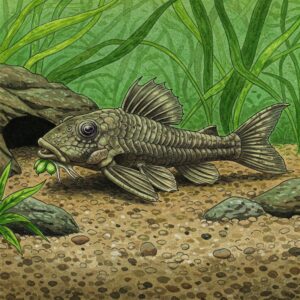
✅ If you’re looking for a character-filled algae eater with a big appetite, the Bristlenose Pleco deserves your attention. These distinctive catfish, known for the bristle-like projections on males’ snouts, remain relatively small compared to common plecos, typically reaching only 4-5 inches.
Bristlenose Plecos excel at consuming algae growing on hard surfaces, including stubborn algae on tank walls, decorations, and even filter intakes. Their rasping mouthparts make quick work of green spot algae that many other fish cannot remove.
These hardy fish adapt well to various water conditions, though they prefer well-oxygenated water with moderate flow. Adding driftwood to your aquarium is essential for their digestive health, as they rasp on it for fiber and other nutrients.
4. Nerite Snails
✅ Though not fish, Nerite snails deserve mention as premier algae eating organisms for any freshwater tank. These attractive snails come in various patterns and colors, with the Tiger Nerite and Zebra Nerite being particularly popular among aquarists.
What makes Nerites special is their ability to consume hard green algae and diatoms that many fish ignore. They excel at cleaning algae from plants without damaging the leaves and won’t reproduce in freshwater, preventing population explosions common with other snail species.
For maximum algae control, combine Nerite snails with algae eating fish for comprehensive coverage of different algae types. One Nerite per 5 gallons provides excellent cleaning power without overwhelming your bioload.
5. Amano Shrimp
✅ Another non-fish algae consumer, Amano shrimp are unmatched in their ability to control hair algae and other filamentous varieties. These industrious invertebrates constantly forage throughout your tank, picking algae from plants, decorations, and substrate.
Measuring about 2 inches when fully grown, Amano shrimp are large enough to avoid being eaten by small fish yet peaceful enough to coexist with most community species. Their translucent bodies with distinctive dotted patterns add subtle beauty to planted aquariums.
For best results, keep Amanos in groups of 5 or more in tanks with plenty of hiding spaces. They appreciate tanks with mature biofilms and benefit from occasional supplements of algae wafers when natural algae becomes scarce.
6. Chinese Algae Eater
✅ Young Chinese Algae Eaters are voracious consumers of soft algae types. These energetic fish can grow to 10-11 inches, though they typically reach 5-6 inches in home aquariums. Their sucker-like mouths allow them to cling to surfaces while rasping away algae deposits.
It’s important to note that their algae eating tendencies often diminish as they mature, with older specimens sometimes becoming territorial. For this reason, they’re best kept in larger tanks with fast-swimming tank mates and plenty of hiding spaces.
Chinese Algae Eaters are particularly useful in tanks with persistent algae problems due to their aggressive cleaning habits. However, their changing behavior means they may not be the best long-term solution for all setups.
7. Florida Flagfish
✅ These colorful native American killifish deserve more attention in the aquarium hobby. Florida Flagfish eagerly consume hair algae and blue-green algae (cyanobacteria) that many other species avoid, making them valuable additions to tanks struggling with these particular algae types.
Males display vibrant red, blue, and white patterns reminiscent of the American flag, adding ornamental value alongside their utilitarian algae control. At about 2 inches long, they fit well in smaller setups where larger algae eaters wouldn’t be appropriate.
These adaptable fish thrive in cooler water temperatures between 68-75°F, making them suitable for unheated tanks in many regions. They do best in species-specific tanks or with other fish that can match their occasionally feisty temperament.
8. Flying Fox
✅ Often confused with the Siamese Algae Eater, the Flying Fox is an efficient cleaner in its own right. These active swimmers display a distinctive black horizontal stripe running from nose to tail and grow to about 6 inches in length.
Flying Foxes excel at consuming black beard algae and thread algae that plague many aquariums. Their high activity level means they need tanks of at least 30 gallons with plenty of swimming space and moderate current.
While generally peaceful, they may become territorial as they mature, especially toward fish with similar appearances or feeding habits. Providing plenty of space and multiple feeding areas helps minimize potential conflicts.
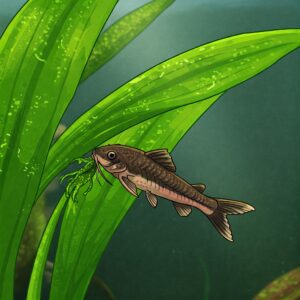
9. Rubber Lip Pleco
✅ For aquarists seeking an alternative to the popular Bristlenose, the Rubber Lip Pleco offers excellent algae cleaning capabilities in a similarly sized package. Growing to about 4-5 inches, these distinctive catfish feature thick, rubbery lips specialized for scraping algae from surfaces.
They particularly excel at consuming green spot algae and diatoms from tank walls and decorations. Unlike some larger plecos, Rubber Lips maintain their algae eating habits throughout their lives, making them reliable long-term maintenance crew members.
These hardy fish adapt well to various water conditions, though they prefer temperatures between 72-79°F and appreciate having driftwood available. Their peaceful nature makes them compatible with most community fish.
10. Mollies
✅ While not specialized algae eaters like some others on this list, Mollies do consume significant amounts of soft algae as part of their omnivorous diet. These livebearing fish come in various colors and fin types, adding ornamental value alongside their cleaning abilities.
Mollies are particularly effective against algae growing on plant leaves and decorations. Their constant grazing helps keep these surfaces clean while their active swimming adds movement to your aquarium.
As brackish water natives, Mollies appreciate harder water with some mineral content. They’re prolific breeders, so be prepared for regular fry appearances unless kept with fish that may consume the young.
📊 Comparison: Choosing the Right Algae Eating Fish
| Fish Species | Size | Tank Size | Algae Specialty | Temperament | Community Compatible |
|---|---|---|---|---|---|
| Siamese Algae Eater | 6 inches | 30+ gallons | Black beard algae | Active, peaceful | Yes |
| Otocinclus Catfish | 1-2 inches | 10+ gallons | Green film algae | Peaceful, shy | Yes |
| Bristlenose Pleco | 4-5 inches | 20+ gallons | Green spot algae | Peaceful, territorial with own kind | Yes |
| Chinese Algae Eater | 5-10 inches | 30+ gallons | Soft algae | Can become aggressive | With caution |
| Florida Flagfish | 2 inches | 15+ gallons | Hair algae | Semi-aggressive | With caution |
| Flying Fox | 6 inches | 30+ gallons | Black beard algae | Active, can be territorial | Most community tanks |
| Rubber Lip Pleco | 4-5 inches | 20+ gallons | Green spot algae | Peaceful | Yes |
| Mollies | 3-4 inches | 20+ gallons | Soft surface algae | Peaceful, active | Yes |
🔍 Essential Equipment for Algae Eating Fish Success 🔍
To ensure your algae eating fish thrive while performing their cleaning duties, consider these carefully selected products that support their health and enhance their effectiveness:
Top Recommended Products:
- API Algae Scraper for Glass Aquariums – For those tough spots your fish can’t reach
- Seachem Flourish Excel – Liquid carbon supplement that helps prevent algae while supporting plant growth
- Fluval Plant and Shrimp Stratum – Perfect substrate for planted tanks with algae eaters
- Fluval Edge Pre-Filter Sponge – Protects smaller algae eaters from being pulled into filter intakes
- Zoo Med Laboratories Spirulina 20 Flakes – Nutritious supplement for algae eating fish when natural sources are depleted
🛒 Don’t Miss These Exclusive Aquarium Deals! 🛒
Transform your aquarium into a crystal-clear underwater paradise with these carefully selected products. Click on any highlighted item to check current pricing and availability. These tools and consumables will help you create the perfect environment for your algae eating fish to thrive!
🌿 Creating the Perfect Environment for Algae Eating Fish
While algae eating fish provide tremendous maintenance benefits, they still require proper care to thrive. Let’s explore how to create the ideal environment for these helpful aquatic cleaners.
Water Parameters
Most algae eating fish prefer stable water conditions with moderate temperatures between 72-78°F. Regular water changes of 20-30% weekly help maintain water quality while removing excess nutrients that feed algae. Test your water regularly to ensure ammonia and nitrite remain at zero, with nitrate below 20ppm.
While specific species have individual preferences, maintaining a neutral pH between 6.8-7.5 accommodates most algae eaters. If keeping specialized species like Otocinclus, research their specific requirements for optimal health.
Tank Setup
⚡ Create an environment that mimics the natural habitat of your algae eating fish. Many species appreciate:
- Plenty of hiding spaces from caves, driftwood, and plants
- Areas with moderate water flow for oxygen-rich conditions
- Smooth surfaces where algae can grow safely (like river rocks)
- Plants that provide resting places and additional surfaces for algae growth
🔋 Proper lighting plays a crucial role in maintaining balance. While some light promotes healthy algae growth for your cleaners to feed on, excessive lighting can cause algae blooms beyond what your fish can manage. Consider a timer to maintain consistent photoperiods of 6-8 hours daily.
Compatible Tank Mates
When selecting companions for your algae eating fish, choose species that:
- ✅ Occupy different parts of the tank (surface, middle, bottom)
- ✅ Have similar temperature and water chemistry needs
- ✅ Won’t compete aggressively for the same food sources
- ✅ Are similar in size or have mouths too small to consume your algae eaters
Avoid fin-nipping species that might harass slower-moving algae eaters like plecos or aggressive bottom-dwellers that could compete for territory with your cleaning crew.
🍽️ Supplemental Feeding for Healthy Algae Eaters
A common mistake among aquarists is assuming algae eating fish can survive solely on the algae in your tank. While algae forms a significant portion of their diet, most species require supplemental feeding to remain healthy and active.
Natural Diet Supplements
Provide these nutritious options to ensure your algae eaters thrive:
- 🚴♂️ Blanched vegetables like zucchini, spinach, and cucumber slices
- 🚴♂️ Specialized algae wafers that sink to the bottom where many algae eaters feed
- 🚴♂️ Occasional high-quality sinking pellets for protein supplementation
- 🚴♂️ Driftwood for species like plecos that rasp on it for dietary fiber
Feed small amounts daily, removing any uneaten portions after a few hours to prevent water quality issues. Many algae eaters feed more actively in subdued lighting or at night, so consider feeding just before turning off tank lights.
🔍 Expert Tip:
When introducing New Life Spectrum Algae Max Pellets to your feeding routine, start with small amounts to prevent overfeeding. These nutrient-dense pellets provide concentrated nutrition and help maintain the vibrant colors of your algae eating fish.
🚫 Common Challenges with Algae Eating Fish
While these specialized fish provide tremendous benefits, they can present certain challenges for aquarists. Being prepared for these potential issues ensures long-term success with your aquatic cleaning crew.
Insufficient Algae
Ironically, one common problem is your algae eaters becoming too efficient! In well-maintained tanks, natural algae may become scarce, leaving your cleaners without adequate nutrition. Watch for these signs of hunger:
- ✅ Increased aggression or competition during feeding
- ✅ Constant searching behavior and restlessness
- ✅ Weight loss or sunken bellies
- ✅ Decreased coloration or vitality
If you notice these symptoms, increase supplemental feeding with algae wafers, blanched vegetables, or specialized foods designed for algae eating species.
Compatibility Issues
As algae eaters mature, some species may develop territorial behaviors or outgrow their spaces. The Chinese Algae Eater, for example, often becomes less focused on algae and more aggressive toward tank mates as it ages.
Research the adult size and behavior of any species before purchase, ensuring your tank can accommodate them throughout their lifespan. When aggression occurs, adding additional hiding spaces or rearranging decor can often reset territorial behaviors.
Specialized Care Requirements
Some algae eaters have specific needs that, if unmet, can lead to health issues:
- 🔋 Otocinclus require very stable water parameters and are sensitive to medication
- 🔋 Plecos need driftwood for proper digestion
- 🔋 Siamese Algae Eaters need swimming space and moderate current
- 🔋 Nerite snails require hard water for shell development
Research the specific requirements of your chosen species and ensure your aquarium setup can accommodate these needs before purchase.
🌟 Combining Multiple Algae Eaters for Maximum Effectiveness
For comprehensive algae control, consider creating a cleanup crew with complementary species that target different types of algae and areas of your tank:
Sample Cleanup Crew for a 30-Gallon Community Tank:
- ✅ 1-2 Bristlenose Plecos for hard surfaces and glass
- ✅ 6-8 Otocinclus for plant leaves and gentle cleaning
- ✅ 5-7 Amano Shrimp for filamentous algae and detritus
- ✅ 3-5 Nerite Snails for stubborn algae spots
This combination provides comprehensive coverage without overstocking your tank. Each species occupies a slightly different ecological niche, working together to maintain balance while minimizing competition.
🛒 Take Action Now for a Cleaner, Healthier Aquarium! 🛒
Ready to tackle algae problems naturally? The products mentioned throughout this article have been carefully selected to support your algae eating fish and enhance their effectiveness. Click any highlighted product to check current pricing and take the first step toward a crystal-clear aquarium!
🎯 Conclusion: A Natural Balance
Algae eating fish represent one of the most elegant solutions to a common aquarium problem. Instead of fighting against nature with chemicals and excessive manual cleaning, these specialized species work with the natural ecosystem to maintain balance, creating a healthier environment for all your aquatic pets.
When selecting algae eating fish for your aquarium, consider your specific setup, the types of algae you’re experiencing, and the compatibility with existing tank mates. With proper care and appropriate supplemental feeding, these helpful cleaners will provide years of maintenance assistance while adding movement, color, and character to your underwater world.
Remember that while algae eating fish provide tremendous benefits, they work best as part of a comprehensive maintenance approach that includes proper lighting, regular water changes, and appropriate stocking levels. By combining these strategies, you’ll create a naturally balanced ecosystem where algae remains present in healthy amounts but never becomes problematic.
Have you incorporated algae eating fish into your aquarium? Which species have you found most effective for your particular setup? Share your experiences and questions in the comments below!
More FAQs:
❓ What algae eating fish are best for beginners?
❓ Do algae eating fish clean the tank completely?
❓ Can algae eating fish survive on algae alone?
❓ Which algae eating fish are good for planted tanks?
❓ How fast do algae eating fish start working?
Recommended for You:
- 10 Best Pucci Fishing Lures That Guarantee Amazing Catches in 2025
- 10 Best Fishing Carts That Will Transform Your Angling Experience in 2025
- 10 Powerful Reasons Why Fish Hippie Is the Ultimate Coastal Lifestyle Brand in 2025
Disclaimer: This article contains affiliate links. If you purchase products through these links, we may earn a small commission at no additional cost to you.
