
In This Article
Picture this: you’re sitting on the riverbank at dusk, rod in hand, waiting for that telltale tug. But hours pass, and your line stays still. Sound familiar? Here’s the truth most anglers miss—you don’t need luck to catch catfish; you need the right bait.
Catfish are fascinating creatures with an extraordinary sense of smell and taste. According to the U.S. Fish & Wildlife Service, channel catfish have been called “swimming tongues” because they possess taste buds spread over their entire body, with the highest concentration around their gills and whiskers. This biological superpower means that scent-based baits and lures can be devastatingly effective when chosen correctly.
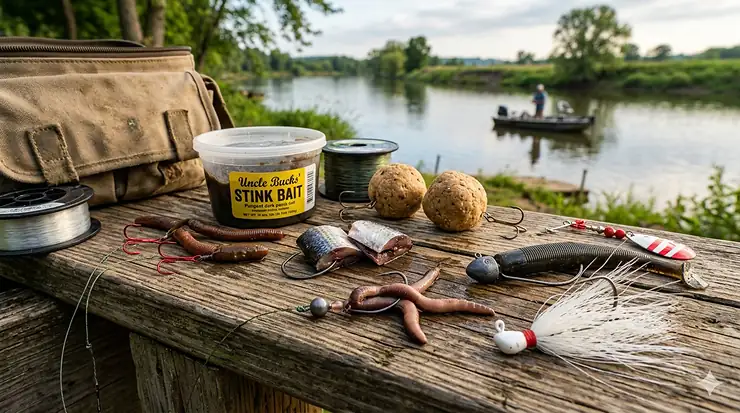
Whether you’re targeting channel cats in your local creek, pursuing massive flatheads in deep river holes, or chasing trophy blues in reservoirs, the Best Catfish Fishing Lures and Baits you select can make or break your fishing trip. After testing dozens of products and consulting with seasoned catfish guides, I’ve narrowed down the most effective options that consistently produce results in 2026.
In this guide, you’ll discover seven proven lures and baits that work across different catfish species, water conditions, and fishing styles. We’ll cover everything from classic stink baits to modern float rigs, complete with real pricing, specifications, and honest pros and cons. Let’s dive in and transform your catfishing game.
Quick Comparison Table: Top Catfish Lures and Baits at a Glance
| Product | Type | Best For | Price Range | Rating |
|---|---|---|---|---|
| Berkley PowerBait Catfish Bait Chunks | Prepared Bait | Channel & Blue Catfish | $6-8 | ⭐⭐⭐⭐½ |
| Dovesun Santee Rig with Float | Float Rig System | Bank/Shore Fishing | $12-15 | ⭐⭐⭐⭐⭐ |
| Berkley Gulp! Catfish Chunks | Scented Soft Bait | All Catfish Species | $4-6 | ⭐⭐⭐⭐ |
| YOTO Santee Cooper Rig | Pre-Tied Rig | River & Lake Fishing | $10-13 | ⭐⭐⭐⭐½ |
| Eagle Claw Catfish Santee RIG | Traditional Float Rig | Budget-Friendly Option | $5-8 | ⭐⭐⭐⭐ |
| Soulchen Dip Bait Worms | Stink Bait System | Summer Channel Catfish | $8-12 | ⭐⭐⭐⭐ |
| TRUSCEND Whopper Plopper Lures | Topwater/Crankbait | Aggressive Feeding Periods | $18-20 | ⭐⭐⭐⭐½ |
💬 Just one click – help others make better buying decisions too!😊
Top 7 Best Catfish Fishing Lures and Baits: Expert Analysis
1. Berkley PowerBait Catfish Bait Chunks (Blood/Cheese Formula)
When it comes to catfish fishing lures that consistently deliver results, the Berkley PowerBait Catfish Bait Chunks stand in a league of their own. This prepared bait features Berkley’s legendary PowerBait formula—developed over 30 years of scientific research—specifically designed to trigger catfish feeding responses.
Key Specifications:
- Weight: 6 oz jar
- Flavors: Blood/Cheese combination
- Consistency: Moldable dough-like texture
- Price: $6-8
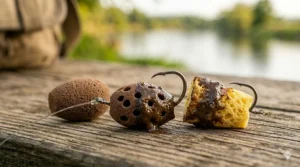
The blood and cheese formula creates an irresistible scent trail that channel catfish and blue catfish simply cannot ignore. The moldable consistency allows you to form the bait around treble hooks or specialized catfish hooks, ensuring it stays put during long casts and strong currents. Many anglers report that this stink bait for catfish outperforms live bait in warmer months when catfish are actively feeding.
Customer feedback highlights the bait’s effectiveness in both still water and moving water conditions. One veteran angler noted that he couldn’t put his rod down after deploying this bait—the catfish hit so fast and frequently. The scent dispersion technology ensures the attractant spreads downstream or across the fishing area, drawing catfish from considerable distances.
✅ Pros:
- Scientifically formulated scent proven effective
- Stays on hook better than many competitors
- Works in various water temperatures
❌ Cons:
- Can be messy to handle
- May require treble hooks for best retention
2. Dovesun Santee Rig with Catfish Float and Rattler (6-Pack)
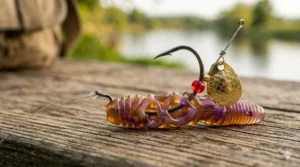
For serious catfish anglers seeking channel catfish lures that maximize hookup rates, the Dovesun Santee Rig represents modern innovation meeting time-tested rigging techniques. This pre-tied system incorporates a high-visibility EVA float, dual rattle beads, and 2X strong circle hooks in sizes 5/0, 6/0, or 8/0.
Key Specifications:
- Pack: 6 pre-tied rigs
- Hook sizes: 5/0, 6/0, 8/0 circle hooks
- Float material: EVA foam with fluorescent coating
- Features: Double rattle beads, snag-proof weights
- Price: $12-15
The genius of this catfish fishing lures design lies in its multi-sensory approach. The brightly colored float adds visual attraction while keeping your bait suspended in the strike zone—off the bottom where snags lurk but at the perfect depth where catfish patrol. The double rattle beads create underwater sonic vibrations that catfish detect through their highly sensitive lateral lines, as noted by fisheries biologists studying catfish behavior.
The Santee rig configuration allows you to adjust leader length, making it versatile for different water depths and fishing scenarios. Whether you’re drifting, trolling, or tight-lining from the bank, this rig excels. The pre-tied construction with Uni knots and Snell knots ensures strength and reliability—no more fumbling with complicated knot tying in low light conditions.
✅ Pros:
- Pre-tied and ready to fish immediately
- Dual rattle system attracts fish effectively
- Snag-proof weight design saves tackle
❌ Cons:
- Slightly higher price point
- Float size may be too visible in ultra-clear water
3. Berkley Gulp! Catfish Chunks (Liver Flavor)
The Berkley Gulp! Catfish Chunks revolutionize lure fishing for catfish by offering the scent power of natural bait with the convenience and durability of synthetic materials. These fortified chunks feature Berkley’s patented scent dispersion technology, releasing 400 times more scent than ordinary plastic baits.
Key Specifications:
- Weight: 0.5 oz pack
- Flavor: Liver
- Contains: 12 catfish chunks
- Material: Scent-infused biodegradable formula
- Price: $4-6
Unlike traditional chicken liver that falls off hooks or deteriorates quickly, these Gulp! chunks maintain their integrity through multiple casts and catches. The liver scent formula mimics one of catfish’s favorite natural foods while the chunk design presents a substantial profile that appeals to trophy-sized fish. Many flathead catfish tackle enthusiasts have adopted these chunks as go-to baits when targeting bigger specimens.
The biodegradable formula makes this an environmentally responsible choice compared to some synthetic baits. Anglers appreciate that these chunks can be rigged on standard hooks, jig heads, or catfish rigs without special equipment. The scent dispersion continues working even in cold water when catfish metabolism slows—giving you an edge during challenging conditions.
✅ Pros:
- 400X more scent than standard plastics
- Outperforms natural livers in durability
- Easy to rig and transport
❌ Cons:
- Smaller pack size compared to dough baits
- Premium pricing for synthetic bait
4. YOTO Santee Cooper Rig with Rattler Floats
The YOTO Santee Cooper Rig brings innovation to traditional catfish float rig systems with its bell-equipped design and three-way swivel construction. This setup minimizes line tangling while maximizing fish attraction through both visual and auditory cues.
Key Specifications:
- Configuration: Float with integrated bell
- Swivel: 3-way design for tangle prevention
- Colors: Multiple high-visibility options
- Hook compatibility: Works with various catfish hooks
- Price: $10-13
The standout feature of this catfish fishing lures system is the integrated bell mechanism. In low-light conditions—prime time for catfish activity—the bell produces clear, enticing sounds that trigger aggressive responses from curious catfish. Research on catfish sensory systems indicates they’re highly attuned to vibrations and sounds, making this acoustic element particularly effective.
The 3-way swivel design solves a common frustration: tangled lines. By allowing independent movement of the float, sinker, and hook leader, this rig maintains proper presentation even in current or when casting to structure. The float’s multiple color options let you match water clarity and light conditions, ensuring optimal visibility for monitoring strikes while remaining attractive to fish.
Bank fishing enthusiasts particularly appreciate how this rig keeps bait suspended above rocky or weedy bottoms where snags commonly occur. The direct connection point for sinkers enables quick weight adjustments as water flow or depth changes throughout your fishing session.
✅ Pros:
- Bell attracts catfish in low-light conditions
- 3-way swivel prevents frustrating tangles
- Multiple colors for varying conditions
❌ Cons:
- Bell may spook fish in highly pressured waters
- Requires separate sinker purchase
5. Eagle Claw Catfish Santee RIG
For budget-conscious anglers seeking reliable Best Catfish Fishing Lures and Baits, the Eagle Claw Catfish Santee RIG delivers exceptional value without compromising effectiveness. Eagle Claw’s 90+ year heritage in hook manufacturing ensures quality components that serious catfishermen can trust.
Key Specifications:
- Brand: Eagle Claw (established 1920s)
- Design: Traditional Santee float rig
- Components: Float, swivel, pre-tied leader
- Hook quality: Eagle Claw signature sharp hooks
- Price: $5-8
This straightforward rig system proves that you don’t need elaborate features to catch catfish consistently. The traditional Santee configuration—a cigar-shaped float on a sliding leader above a bottom weight—has caught millions of catfish across North America because it simply works. The float suspends your bait in the strike zone while the weight anchors your presentation.
Eagle Claw’s reputation for manufacturing sharp, strong hooks means less worry about lost fish due to hook failure. The pre-tied leaders save valuable fishing time, though experienced anglers can easily customize leader length for specific depths or presentations. This versatility makes it suitable for various catfish species, from aggressive channel cats to cautious flatheads.
Many tournament catfish anglers keep these rigs as reliable backups, knowing they perform when it counts. The simple design also makes it an excellent choice for introducing newcomers to catfishing—they can focus on technique and location rather than complicated rig setups.
✅ Pros:
- Unbeatable value for money
- Eagle Claw’s trusted hook quality
- Simple, proven design
❌ Cons:
- No rattle or noise-making features
- Basic components without premium materials
6. Soulchen 20 Pack Dip Bait Worms for Catfish
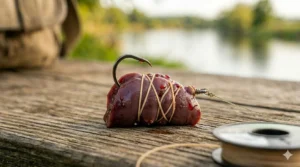
When summer heat has catfish congregating in deep holes, the Soulchen Dip Bait Worms become your secret weapon. This 20-piece set combines the application convenience of dip worms with integrated trident hooks for secure hooksets.
Key Specifications:
- Pack size: 20 dip bait worms
- Hook style: Trident hook pre-attached
- Material: Hollow rubber worms
- Compatible: Works with all stink baits and dip baits
- Price: $8-12
The hollow rubber worm design allows you to inject or pack your favorite stink bait for catfish directly into the worm body, creating a slow-release scent delivery system. The porous material gradually disperses scent throughout your fishing session, maintaining attraction power without constant re-baiting. This makes them particularly effective for river fishing where current constantly washes away scent trails.
The pre-attached trident hooks eliminate the hassle of threading traditional catfish hooks through soft baits. The three-point design increases hookup percentages compared to single-hook systems, especially important when fishing for aggressive channel catfish that hit hard and fast. Many guides recommend cutting the worms to about half their original length—this concentrates the bait and improves hook exposure without wasting product.
These dip bait worms excel in warm water periods (above 70°F) when catfish metabolism peaks and they actively search for food. Pair them with strong-smelling prepared baits like blood or cheese formulas for maximum effectiveness. The pack quantity provides excellent value, ensuring you have plenty of rigs ready for multi-day fishing trips.
✅ Pros:
- Slow-release scent dispersion
- Pre-rigged trident hooks save time
- Great value with 20-piece pack
❌ Cons:
- Requires separate purchase of dip bait
- Rubber can tear with aggressive fish
7. TRUSCEND Whopper Plopper Topwater Fishing Lures
While many anglers associate catfish with bottom-feeding exclusively, the TRUSCEND Whopper Plopper Lures prove that lure fishing for catfish can be explosive when conditions align. These topwater lures trigger aggressive strikes from catfish during feeding frenzies.
Key Specifications:
- Length: Approximately 4-5 inches
- Action: Surface walking with rotating tail
- Hooks: BKK premium treble hooks
- Targeting: Bass, catfish, pike, walleye
- Price: $18-20
Here’s what most catfish anglers don’t realize: channel catfish and even flatheads will strike at surface lures during low-light periods, particularly at dawn and dusk. The Whopper Plopper’s rotating tail creates surface disturbance and vibrations that mimic struggling baitfish or injured prey—triggers that opportunistic catfish cannot resist.
The 3D holographic eyes and realistic scale patterns add visual realism, while the propeller tail generates continuous noise and water displacement. Research from the Washington Department of Fish & Wildlife confirms that channel catfish rely significantly on sight when feeding, making these visual and acoustic elements highly effective.
This technique works best when water levels rise suddenly from rainfall, flushing prey from hiding spots and putting catfish in active hunting mode. Cast near structure, retrieve steadily to create consistent action, and prepare for aggressive strikes. While not a primary catfish lure, having a few of these in your tackle box opens up exciting topwater opportunities during optimal conditions.
✅ Pros:
- Triggers explosive topwater strikes
- Premium BKK hooks ensure solid hooksets
- Versatile for multiple species
❌ Cons:
- Situational effectiveness (not all conditions)
- Higher price point than traditional baits
✨ Don’t Miss These Exclusive Deals!
🔍 Take your catfish fishing to the next level with these carefully selected products. Click on any highlighted item to check current pricing and availability. These tools will help you create authentic results your fellow anglers will envy!
Understanding Catfish Biology and Feeding Behavior
To consistently catch catfish, you need to understand what makes them tick. Catfish belong to the order Siluriformes and possess unique biological adaptations that influence which lures and baits work best.
The Catfish Sensory System
Catfish are often called “swimming tongues” for good reason—they have taste receptors covering their entire body surface. These chemoreceptors allow them to “taste” the water around them, detecting prey from considerable distances. The barbels (whiskers) contain the highest concentration of taste buds and tactile sensors, functioning like underwater antennae that sweep across the bottom to locate food.
Their olfactory system is equally impressive. Catfish can detect scent molecules in extremely diluted concentrations, explaining why stink bait for catfish works so effectively. When you deploy a strong-smelling bait, you’re creating a chemical highway that leads hungry catfish directly to your hook.
Species-Specific Preferences
Channel Catfish: The most common target for recreational anglers, channel cats feed opportunistically on fish, insects, crayfish, and prepared baits. They’re active day and night but peak during twilight hours. Channel catfish lures that create vibration and scent excel for this species.
Flathead Catfish: Unlike their scavenging cousins, flatheads are ambush predators that primarily eat live fish. According to Texas Parks and Wildlife, when flatheads exceed 10 inches, their diet consists almost entirely of live fish. This makes flathead catfish tackle choices different—live bait or lures that convincingly mimic wounded baitfish work best.
Blue Catfish: The largest North American catfish species, blues prefer open water and current breaks. They respond well to cut bait and strong-scented prepared baits. Trophy blue catfish often inhabit deep channels near dams where current concentrates baitfish.
Seasonal Patterns
Spring brings spawning activity when catfish move to shallow, protected areas. Males guard nests aggressively, making them less interested in feeding but more territorial—bright lures near spawning sites can trigger defensive strikes.
Summer sees peak catfish activity, especially at night. Water temperatures above 70°F accelerate metabolism, making scent-based baits incredibly effective as catfish actively hunt for calories.
Fall triggers feeding frenzies as catfish bulk up before winter. They become less selective, creating ideal conditions for experimenting with various Best Catfish Fishing Lures and Baits.
Winter slows catfish considerably in cold climates. They congregate in deep holes, requiring precise presentations with strong scent to trigger lethargic fish into feeding.
How to Choose the Best Catfish Fishing Lures and Baits
Selecting effective catfish fishing lures involves matching your choice to species, conditions, and technique. Follow these proven criteria:
1. Match the Water Conditions
Clear water demands more natural presentations—Gulp! chunks or live bait work well. Murky water amplifies the importance of scent—prepared dough baits and stink baits shine because catfish rely heavily on their olfactory system.
Current strength matters too. Strong current requires heavier presentations that stay in the strike zone. Santee rigs with appropriate weight keep bait positioned correctly despite water movement.
2. Consider Target Species
Channel catfish respond to virtually any strong-scented bait, making them the most forgiving target. Blue catfish prefer cut bait and oily fish preparations. Flatheads demand live bait or lures with realistic swimming action—remember, they’re predators, not scavengers.
3. Evaluate Fishing Location
Bank fishing benefits from float rigs that suspend bait above snags and present at multiple depths. Boat fishing allows more precise depth control and the option to use bottom rigs or drift presentations. River fishing requires weight adjustments for current, while lake fishing often succeeds with lighter presentations.
4. Factor in Time of Day
Daytime fishing in bright conditions often requires more subtle presentations or deeper water targeting. Night fishing—prime catfish time—allows aggressive presentations with strong scents since visual cues matter less.
5. Budget and Convenience
Pre-tied rigs cost more but save time and ensure proper knot strength. Prepared baits offer convenience versus live bait’s effectiveness but handling challenges. Consider your fishing frequency—serious catfish anglers benefit from investing in quality tackle that lasts seasons rather than replacing cheap gear constantly.
6. Scent Strength and Dispersion
Strong-scented baits work better in moving water where scent disperses quickly. In still water, moderate scent prevents over-concentrating and potentially spooking cautious fish. Scientific formulations like PowerBait maximize scent dispersion while maintaining effectiveness across conditions.
7. Hook Size and Style
Match hook size to target fish. Small channel cats (1-3 pounds) need size 2-4 hooks. Larger channels and smaller blues work with 1/0-4/0. Trophy hunting for big flatheads or blues requires 6/0-10/0 circle hooks. Circle hooks reduce gut hooking, supporting catch-and-release ethics.
Essential Catfish Fishing Techniques and Rig Setups
Understanding how to deploy your Best Catfish Fishing Lures and Baits properly separates successful anglers from those watching their lines motionless.
The Santee Cooper Rig Technique
Named for South Carolina’s famous catfish waters, the Santee rig suspends bait off the bottom using a slip float and leader system. Thread your mainline through a barrel swivel, add a sinker slide with 2-3 oz weight, then attach the Santee rig to the swivel. Adjust float position on the leader to control bait depth.
This setup excels for bank fishing because it keeps bait in the strike zone regardless of bottom contour irregularities. When drifting or trolling, it presents bait naturally without constant monitoring. The slip design lets catfish run with bait without feeling resistance, improving hookup rates.
The Carolina Rig for Catfish
A cousin to the Santee rig, the Carolina setup uses an egg sinker sliding on the mainline above a barrel swivel, followed by a leader to the hook. This rig’s sensitivity allows you to feel subtle bites while the sliding sinker prevents fish from detecting weight during the initial strike.
Carolina rigs work brilliantly for finicky catfish in pressured waters. The separation between sinker and bait gives a more natural presentation, and the setup accommodates various bait types from cut fish to prepared dough baits.
Bottom Bouncing for River Catfish
River catfish often hold near the bottom in current breaks and deep holes. Bottom bouncing—slowly dragging your rig downstream—covers water efficiently and puts bait directly in front of fish. Use just enough weight to maintain occasional bottom contact without constant snagging.
Pair this technique with channel catfish lures that create vibration, like dip bait worms rigged with rattle weights. The combination of scent trail and sound attracts fish from upstream and downstream positions.
Tightlining from Shore
Also called “rod-holding,” tightlining involves minimal slack between rod tip and bait. This direct connection maximizes bite detection and enables immediate hook sets. Position rod holders at 45-degree angles pointed toward your bait. Watch rod tips—they’ll dance or bend distinctly when catfish investigate and strike.
Tightlining works best with secure baits like Berkley PowerBait chunks that stay on hooks through subtle nibbles and aggressive strikes. It’s particularly effective during peak feeding periods when catfish hit aggressively.
Drift Fishing for Blue Catfish
Big blue catfish often suspend in open water, following baitfish schools. Drift fishing covers extensive areas, locating active fish. Use minimal weight with cut bait or prepared baits. Let current or wind push your boat while lines trail baits at various depths.
This technique requires patience but pays off when you locate concentrations of feeding blues. Once you mark fish on sonar or experience consistent action, anchor and thoroughly work that area.
Comparing Catfish Baits: Natural vs. Prepared vs. Artificial
Understanding the pros and cons of different bait categories helps you make informed decisions for specific situations.
| Bait Type | Effectiveness | Convenience | Cost | Best For |
|---|---|---|---|---|
| Natural Live Bait | Highest (flatheads) | Low (requires care) | Medium | Trophy flatheads, finicky fish |
| Cut Bait | Very High | Medium | Low (if self-caught) | Blue catfish, large channels |
| Prepared Dough Baits | High | Very High | Medium | Channel catfish, general use |
| Stink Baits | Very High | High | Medium | Warm water, aggressive channels |
| Soft Plastic w/ Scent | Medium-High | Very High | Medium-High | All species, all conditions |
| Hard Lures/Topwater | Low-Medium | Highest | Medium-High | Active feeding periods |
When to Use Natural Baits
Live minnows, shad, or sunfish prove unbeatable for trophy flathead catfish that demand live prey. The realistic movement and distress signals from live bait trigger instinctive predatory responses. However, keeping bait alive requires aeration equipment and frequent replacement.
Cut bait from oily fish like skipjack herring or shad creates powerful scent trails that attract blue catfish from long distances. Fresh cut bait outperforms frozen options, but both work effectively. Cut bait costs little if you catch your own baitfish, making it economical for serious catfish anglers.
The Prepared Bait Advantage
Prepared baits like stink bait for catfish offer unmatched convenience—no hauling bait buckets, no keeping bait fresh, no messy cutting boards. Modern formulations from companies like Berkley incorporate fish attractants scientifically proven to trigger feeding responses.
Prepared baits maintain effectiveness across temperature ranges and stay on hooks better than many natural options. The shelf life measured in months (or years if properly stored) means you’re always ready to fish spontaneously.
Artificial Lures: The Active Approach
While not traditionally associated with catfishing, artificial lures open up active presentations that cover water quickly. Soft plastics infused with catfish attractants blend lure versatility with bait effectiveness. Topwater lures like Whopper Ploppers create excitement during feeding windows but require the right conditions.
Artificial lures eliminate bait management entirely and allow catch-and-release anglers to fish without concern about wasting live bait. They’re reusable, reducing per-fish cost over time compared to consumable baits.
Regional Catfish Fishing Hotspots and Tactics
Southern Rivers and Reservoirs
The South hosts prime catfish waters including the Mississippi River system, Tennessee River, and countless reservoirs. Warm climates mean extended feeding seasons and larger average fish sizes. Focus on deep channels, tributary confluences, and below-dam areas where current concentrates baitfish.
Summer fishing peaks at night when catfish move shallow to feed. Use flathead catfish tackle with live bait in timber and rocky structure where big fish ambush prey. Channel catfish congregate near baitfish schools, making prepared baits highly effective.
Great Lakes Region
Great Lakes tributaries and inland lakes support excellent channel catfish populations. Cooler water means slower growth but healthy fish populations. Target spring spawning areas in shallow coves with protected structure. Summer requires deeper water targeting, especially midday.
Use lighter presentations compared to southern waters—2-3 oz weights suffice for most situations. Stink baits work well in smaller rivers and streams, while cut bait excels in larger waters and connecting channels.
Western Reservoirs
Western catfish waters include the Colorado River system, California’s Delta, and numerous impoundments. Blue catfish introductions in several western waters created trophy fisheries. These fish often suspend in open water, requiring different tactics than bottom-feeding approaches.
Drift fishing with cut bait covers water efficiently. Electronics help locate suspended blue cats that follow shad schools. Night fishing with lighted floats produces well when blues move shallow to feed.
Urban Fishing Opportunities
Many cities maintain stocked catfish ponds and urban lakes specifically for recreational fishing. These waters often receive regular stockings of eating-size channel catfish. Dough baits and prepared baits work extremely well in these controlled environments.
Urban waters typically see heavy fishing pressure, making fish more selective. Lighter line (12-15 lb test), smaller hooks (size 2-4), and subtler presentations often outperform heavy gear. The Best Catfish Fishing Lures and Baits in these situations balance attraction with natural presentation.
Common Catfish Fishing Mistakes to Avoid
Using Hooks That Are Too Large
Oversized hooks reduce hookup percentages because catfish must take more bait before hooks penetrate. Match hook size to expected fish size and bait profile. A 10/0 hook looks impressive but costs you fish when targeting average-sized channels.
Neglecting Scent Dispersion
Even the best-smelling bait loses effectiveness if scent doesn’t disperse properly. In still water, occasionally reeling in line creates current that spreads scent. In moving water, position upstream from likely catfish holding areas so scent flows to fish.
Fishing Only at Night
While catfish feed most aggressively at night, daytime fishing can be incredibly productive with proper techniques. Target deep holes, heavy cover, and shaded areas during daylight. Stronger scents compensate for catfish wariness in bright conditions.
Setting Hooks Too Early
Catfish often mouth bait before committing. Premature hooksets pull bait away before fish fully engage. Wait for sustained pressure or line movement before setting hooks. Circle hooks partially solve this—the fish hooks itself by swimming away with the bait.
Ignoring Water Temperature
Water temperature dramatically affects catfish activity. Between 75-85°F, catfish metabolism peaks and they feed aggressively. Below 60°F, metabolism slows significantly, requiring longer soak times and stronger scent. Above 85°F, catfish may seek cooler water refuges rather than feed actively.
Using Worn Line and Terminal Tackle
Catfish fights involve powerful runs and obstacle-heavy environments. Old, abraded line breaks at critical moments. Rusty hooks straighten or break. Damaged swivels twist and fail. Inspect and replace terminal tackle regularly—it’s cheaper than losing trophy fish.
FAQ: Your Catfish Fishing Questions Answered
❓ What is the best time of day to fish for catfish?
❓ Do catfish like lures or bait better?
❓ What color lures do catfish like?
❓ How long should I wait before changing catfish bait?
❓ What pound test line is best for catfish fishing?
Conclusion: Putting It All Together for Catfish Success
After exploring the Best Catfish Fishing Lures and Baits available in 2026, the path to consistent catfish catches becomes clear. Success comes from understanding catfish biology, matching presentations to conditions, and using proven products that eliminate guesswork.
The seven lures and baits reviewed here represent tested solutions across price points, techniques, and target species. From the scientific formulation of Berkley PowerBait to the versatile Santee rigs that keep bait in strike zones, each product earned its place through real-world performance.
Remember that the “best” lure isn’t always the most expensive or complicated—it’s the one that matches current conditions and effectively triggers feeding responses. Start with versatile options like prepared dough baits and Santee rigs, then expand your arsenal as you gain experience with local waters and specific species.
Catfish populations remain healthy across North America, offering anglers sustainable fishing opportunities. Whether you’re pursuing dinner-sized channels, trophy-class blues, or monster flatheads, proper lure and bait selection dramatically improves your odds.
Don’t overthink it—grab a proven bait from this guide, head to your local catfish water, and start fishing. Pay attention to what works in your specific situations, adjust based on feedback from the water, and enjoy the process. Tight lines and muddy hands, my friend!
✨ Don’t Miss These Exclusive Deals!
🔍 Ready to upgrade your catfish fishing game? Click any of the highlighted lures and baits above to check current pricing and availability on Amazon. These proven products will help you catch more and bigger catfish this season. Your next personal best is waiting—don’t let it slip away because you didn’t have the right bait!
Recommended for You
- 7 Best Fishing Lures for Crappie and Perch 2026
- 7 Best Snook Fishing Lures and Gear 2026
- 7 Best Automatic Fish Feeders 2026
Disclaimer: This article contains affiliate links. If you purchase products through these links, we may earn a small commission at no additional cost to you.
✨ Found this helpful? Share it with your fishing buddies! 💬🤗
