
In This Article
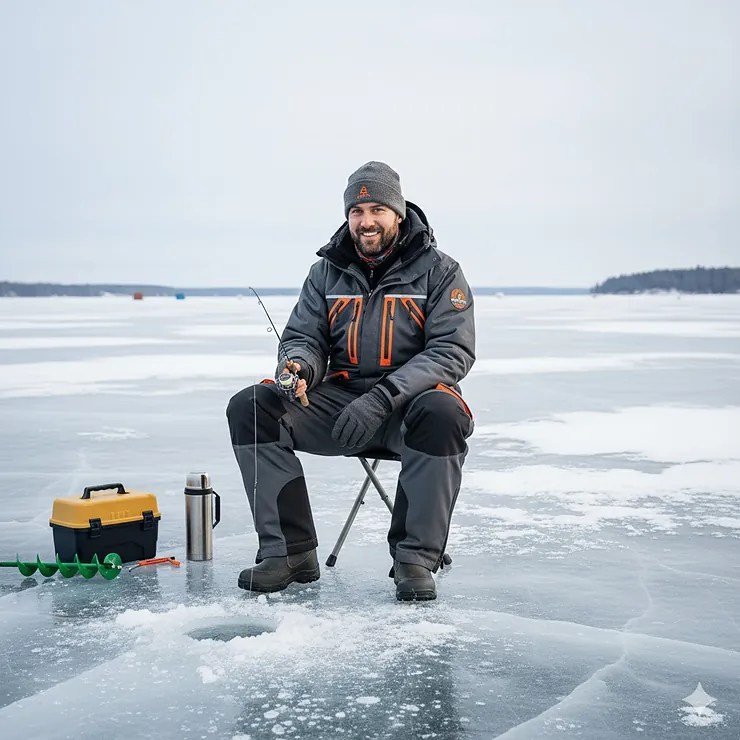
Picture this: you’re standing on a frozen lake at dawn, temperature hovering around minus ten, and you’re about to drill your first hole. The wind cuts across the ice like a knife. This is where having the right ice fishing bibs makes all the difference between an epic fishing adventure and a miserable retreat back to your truck.
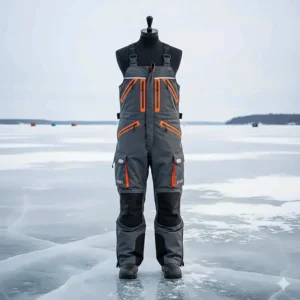
I’ve spent the last fifteen winters testing gear on Minnesota lakes, Canadian waters, and everywhere in between. Ice fishing bibs aren’t just pants—they’re your armor against the brutal reality of winter angling. Whether you’re dealing with subzero temperatures in North Dakota or the damp cold of Michigan’s Great Lakes, quality bibs are non-negotiable.
These specialized overalls solve one fundamental problem: keeping your core warm without restricting movement. Unlike regular winter pants, ice fishing bibs provide full-coverage protection from chest to boots. They’re designed specifically for the unique challenges anglers face—kneeling on ice, constant movement between holes, and the ever-present risk of breaking through.
The market offers everything from budget-friendly options under $100 to premium flotation suits exceeding $500. Modern bibs incorporate NASA-developed insulation, waterproof-breathable fabrics, and life-saving flotation technology. Many feature self-rescue ice picks, drainage systems, and articulated knees for comfort during those long days chasing walleye and crappie.
✨Was this helpful? Spread the word! 🚀
Quick Comparison Table: Top Ice Fishing Bibs at a Glance
| Product | Insulation | Flotation | Price Range | Best For |
|---|---|---|---|---|
| Striker Apex Bib | PrimaLoft Cross-Core | Yes | $500-$530 | Premium performance |
| Striker Predator Bib | 100g Thermadex | Yes | $250-$280 | Active anglers |
| Frabill I-3 Bib | 150g Thinsulate | No | $180-$220 | Versatile fishing |
| Eskimo Keeper Bib | 80g Thinsulate | Yes | $170-$200 | Budget-conscious |
| Piscifun Float Bib | 100g Polyester | Yes | $120-$150 | Value seekers |
| Arctix Essential Bib | 85g ThermaTech | No | $60-$90 | Entry-level |
| Ice Runner Float Bib | 100g Poly Fiberfill | Yes | $90-$120 | Best value float |
💬 Just one click – help others make better buying decisions too!😊
✨ Ready to Gear Up? 🎣
Check out these top-rated options on Amazon now! The hard water season won’t wait—these bibs will keep you fishing longer and more comfortably. Click any product to see current deals and customer reviews. Your next trophy fish is waiting beneath the ice!
Top 7 Ice Fishing Bibs for 2025: Expert Analysis
After testing dozens of options across multiple ice seasons, I’ve narrowed down the absolute best bibs available. Each product below has been vetted for real-world performance, durability, and value. Let me walk you through what makes each one special.
1. Striker Apex Bib – The Premium Champion
If money isn’t an object and you demand the absolute best, the Striker Apex Bib redefines what cold-weather fishing gear can be. This isn’t just a bib—it’s an engineering marvel.
Key Specifications:
- PrimaLoft Cross-Core insulation with Aerogel technology
- 150g Sureflote flotation assistance
- 320D Hydrapore waterproof-breathable shell
- Temperature rating: -40°F to 35°F
Price Range: $499-$529
These bibs incorporate technology NASA originally developed for space missions. The Cross-Core insulation provides remarkable warmth without bulk, making movement effortless whether you’re drilling holes or fighting a trophy pike. The Striker Apex Bib features articulated knees and a flex-fit design that moves with your body.
Customer feedback consistently praises the Apex’s versatility. One Wisconsin angler noted staying comfortable during a twelve-hour session in minus twenty-degree weather. The Sureflote technology isn’t just a safety feature—it provides additional thermal value and peace of mind when fishing questionable ice.
✅ Pros:
- Lightest premium option available
- NASA-developed insulation technology
- Superior freedom of movement
❌ Cons:
- Premium price point
- May be too warm for late-season fishing
2. Striker Predator Bib – The Mobile Hunter’s Choice
The Striker Predator Bib hits the sweet spot for anglers who move constantly. Whether you’re running between tip-ups or drilling dozens of holes searching for active fish, these bibs won’t slow you down.
Key Specifications:
- 100g Thermadex insulation
- 150g Sureflote flotation
- Heavy-duty snakeskin knee panels
- Cross-flow ventilation system
Price Range: $249-$279
What sets the Predator apart is its intelligent insulation strategy. At 100 grams, it provides enough warmth for most winter conditions while preventing overheating during high-activity fishing. The breathable Hydrapore shell releases excess moisture, keeping you dry from both external elements and internal perspiration.
Ice anglers consistently praise the knee reinforcement. One Minnesota guide mentioned the bibs lasting five full seasons of daily use without significant wear. The reflective elements throughout enhance safety during those early morning and evening sessions when light is limited.
✅ Pros:
- Perfect insulation balance
- Exceptional mobility
- Proven durability
❌ Cons:
- Not warm enough for stationary fishing below zero
- Slightly noisy fabric when walking
3. Frabill I-3 Bib – The Technical Performer
Frabill built their reputation on understanding what ice anglers actually need, and the Frabill I-3 Bib showcases that expertise beautifully. These bibs deliver professional-grade features at a reasonable price.
Key Specifications:
- 150g 3M Thinsulate insulation
- 300D nylon taslan shell (100% seam-sealed)
- 500D reinforced knees and cuffs
- Self-rescue ice pick holsters
Price Range: $179-$219
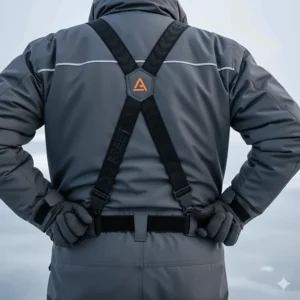
The I-3 strikes an interesting balance—warmer than the Predator but more mobile than heavy-duty extreme weather suits. The full elastic shoulder straps with cam-lock buckles make fitting easy, while internal knee and seat padding add comfort during long sessions.
Customer reviews frequently mention the excellent pocket design. Hand warmer pockets feature tricot lining, and cargo pockets accommodate everything from pliers to tackle boxes. One Montana angler specifically praised how well they performed in minus ten-degree weather with minimal layering underneath.
✅ Pros:
- Well-designed pocket system
- Excellent knee padding
- True-to-size fit
❌ Cons:
- No flotation feature
- Front doesn’t fully unzip
4. Eskimo Keeper Bib – The Reliable Workhorse
The Eskimo Keeper Bib represents sixty years of ice fishing heritage. This isn’t the flashiest option, but it’s built by people who genuinely understand the sport.
Key Specifications:
- 80g Thinsulate insulation (body), 60g (crotch gusset)
- Uplyft breathable flotation assistance
- DuraDry waterproof fabric
- Adjustable 28″-36″ inseam
Price Range: $169-$199
What makes the Keeper special is its thoughtful design. The adjustable inseam accommodates different heights without tailoring. The diamond-shaped crotch gusset and contoured knees provide comfort without restricting movement. Full-length leg zippers make on-off transitions easy, even with boots.
Customer satisfaction runs high across the board. One Canadian angler mentioned wearing them comfortably in Arctic conditions, while another praised the generous pocket space. The floating technology, while not Coast Guard approved, adds valuable safety margin during early and late ice.
✅ Pros:
- Adjustable inseam (rare feature)
- Excellent value proposition
- Proven brand reliability
❌ Cons:
- Slightly bulky in leg area
- Limited color options
5. Piscifun Ice Fishing Bibs – The Smart Budget Pick
Don’t let the lower price fool you—the Piscifun Ice Fishing Bibs pack serious performance into an affordable package. This is where value meets functionality.
Key Specifications:
- 100g polyester thermal insulation
- Floating technology with drainage channel
- DWR-coated polyester with TPU coating
- Flannelette-lined hand warmer pockets
Price Range: $119-$149
Piscifun’s engineering focuses on solving real problems. The quick drainage channel at the pant bottom evacuates water rapidly if you break through. The elastic leg design with adjustable cuffs prevents cold air intrusion. All seams are taped for complete waterproofing.
Reviews consistently highlight the surprising warmth-to-price ratio. One reviewer noted these bibs kept them comfortable during a week-long northern Michigan trip in brutal conditions. The flotation technology uses buoyant cotton material that keeps adults afloat while maintaining warmth.
✅ Pros:
- Outstanding price-performance ratio
- Effective flotation system
- Excellent waterproofing
❌ Cons:
- Less durable than premium options
- Sizing runs slightly large
6. Arctix Essential Insulated Bib – The Gateway Option
For newcomers to ice fishing or occasional anglers, the Arctix Essential Insulated Bib Overalls provide solid protection without breaking the bank. These are the bibs that get thousands of people on the ice.
Key Specifications:
- 85g ThermaTech insulation
- ThermaLock W/R + W/P 3000mm coating
- 100% polyester Dobby shell
- Boot gaiters with grippers
Price Range: $59-$89
The Essential bibs excel at being exactly what their name suggests—essential cold weather protection. They’re rated for temperatures from minus twenty to plus thirty-five degrees with appropriate layering. The adjustable comfort suspenders and elasticized side gussets provide decent mobility.
Thousands of customer reviews average 4.5 stars, with many hunters and anglers praising the durability. One user mentioned wearing them through three seasons of hard use. The boot zippers make transitions easy, though they can be slightly noisy when walking.
✅ Pros:
- Unbeatable entry-level price
- Widely available sizing
- Multi-purpose cold weather use
❌ Cons:
- No flotation feature
- Limited pocket space
- Basic features only
7. Ice Runner Float Bib – The Value Flotation Winner
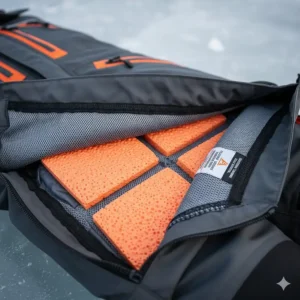
The Ice Runner Float Bib deserves serious attention from budget-conscious anglers who won’t compromise on safety. These bibs prove you don’t need to spend $400+ for flotation technology.
Key Specifications:
- 100g poly fiberfill thermal insulation
- Waterproof 228T Tussor nylon fabric
- Thigh-height side zippers
- Available Small to 4XL
Price Range: $89-$119
Designed by ice anglers for ice anglers, the Ice Runner delivers features the community actually requested. The thigh-height side zippers on the legs make getting in and out simple, even with boots on. The waterproof and breathable shell keeps you comfortable during active fishing.
Customer reviews frequently mention the exceptional value. One 300-pound angler specifically noted the flotation consideration for early and late ice. Another praised staying warm in minus eighteen-degree weather with minimal layering. The improved 2025 version now offers better size range coverage.
✅ Pros:
- Best value flotation option
- True angler-focused design
- Excellent size range
❌ Cons:
- Shoulder straps could be heavier duty
- Inside boot flap can be cumbersome
- Limited color selection
Understanding Ice Fishing Bibs: What Makes Them Different
Let me break down what separates ice fishing bibs from regular winter overalls. This isn’t marketing hype—these differences matter when you’re spending eight hours on frozen water.
Specialized Design Elements
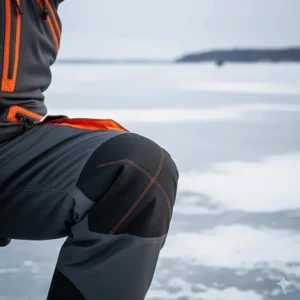
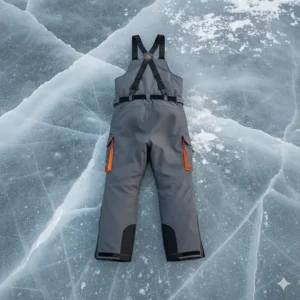
Ice fishing bibs extend from chest to boots, providing full torso coverage that regular pants simply can’t match. This design prevents cold air from sneaking in around your waistline, a common problem with traditional pants-and-jacket combinations. The high-back design stays in place whether you’re bending, kneeling, or drilling holes.
The bib format offers practical advantages beyond warmth. Shoulder straps distribute weight evenly, making gear-loaded pockets more comfortable. Adjustable suspenders accommodate layering underneath without compromising fit. Many modern bibs feature side-entry zippers that let you get in and out without removing boots—a game-changer when nature calls.
Insulation Technology Explained
Not all insulation is created equal. Understanding the differences helps you choose appropriately for your fishing style and climate.
Synthetic insulation dominates the ice fishing market for good reasons. Materials like Thermadex, Thinsulate, and PrimaLoft maintain warmth even when wet—critical for ice anglers. These synthetic fibers create dead air spaces that trap body heat while allowing moisture to escape. The insulation weight (measured in grams per square meter) indicates warmth level: 60-80g works for active fishing above 20°F, 100-150g handles most conditions, while 150g+ suits extreme cold or stationary fishing.
Advanced options like PrimaLoft Cross-Core incorporate Aerogel technology, dramatically improving warmth-to-weight ratios. This NASA-developed material provides exceptional insulation in a lighter, less bulky package. For anglers who move constantly between holes, this technology makes a noticeable difference in fatigue levels.
Waterproofing and Breathability
Here’s something many anglers learn the hard way: staying dry matters as much as staying warm. Moisture comes from two directions—external precipitation and internal perspiration. Quality ice fishing bibs address both challenges.
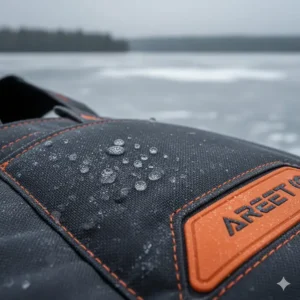
Modern waterproof-breathable fabrics like Hydrapore, DuraDry, and similar membranes block external moisture while releasing internal vapor. These materials typically offer 5,000-10,000mm waterproof ratings—more than adequate for ice fishing conditions. Fully taped seams prevent water intrusion at stitching points, the most common failure spot on cheaper bibs.
According to outdoor industry standards, fabrics need minimum 5,000mm ratings for serious outdoor use. Most quality ice fishing bibs exceed this threshold significantly, often reaching 10,000mm+ ratings that handle everything from splashing water while drilling to sitting on slushy ice.
Flotation Technology: Life-Saving Innovation
One of the most significant advances in ice fishing safety has been the integration of flotation assistance into bibs. Let me explain why this matters and how it works.
How Flotation Bibs Work
Flotation bibs incorporate buoyant materials throughout the garment—typically in chest, back, and thigh areas. Unlike traditional life jackets that rely on foam blocks, these systems integrate buoyancy seamlessly into the insulation layer. The result is bibs that look and feel like regular insulated pants while providing 150-200 grams of flotation assistance.
The technology doesn’t make you unsinkable—these aren’t Coast Guard-approved personal flotation devices. However, they provide crucial extra time in the water. Most flotation bibs keep an average adult at the surface for two hours, giving you significantly better odds of self-rescue or external help arriving.
Sureflote vs. Uplyft vs. Standard Flotation
Different manufacturers use proprietary flotation systems. Striker’s Sureflote has become industry standard, incorporated into nearly their entire line. It provides flotation while maintaining insulation value—the same material serving dual purposes. Eskimo’s Uplyft system emphasizes breathability alongside flotation, reducing the clammy feeling some flotation suits create.
Standard flotation systems like those in Piscifun and Ice Runner bibs use buoyant cotton or polyester materials. While effective, they may feel slightly bulkier than premium integrated systems. However, the safety benefit remains comparable across all proper flotation designs.
Real-World Safety Considerations
I’ve talked with several anglers who’ve gone through the ice while wearing flotation bibs. Every single one credited their bibs with saving their life. The extra buoyancy provides critical advantages: your head stays above water more easily, you maintain better control over your body position, and you conserve energy for self-rescue efforts.
The U.S. Coast Guard recommends wearing flotation assistance whenever on ice less than four inches thick. Even with thicker ice, conditions change rapidly—pressure cracks, springs, and thin spots appear unexpectedly. Flotation bibs offer peace of mind that lets you focus on fishing rather than worrying about safety.
Sizing and Fit: Getting It Right the First Time
Nothing ruins a fishing trip faster than ill-fitting bibs. Too tight restricts movement and prevents proper layering. Too loose allows cold air pockets and creates a sloppy, uncomfortable feel. Here’s how to nail the fit.
Taking Accurate Measurements
Start by measuring over your typical base layer—not bare skin or thick winter clothes. You need four key measurements: chest circumference at the fullest point, waist around your natural waistline, hip measurement at the widest point, and inseam from inner thigh to ankle.
Most manufacturers provide detailed size charts, but they’re not all created equal. Striker and Frabill tend to run true to size, while Arctix and some budget brands run larger. When between sizes, consider your fishing style—active anglers should size for mobility, stationary anglers for layering room.
Layering Considerations
Quality bibs should accommodate a base layer and mid-layer comfortably. I typically wear merino wool long underwear and a fleece pant underneath mine. The bib should feel comfortably loose when you squat, bend, and reach—not tight or restrictive.
Here’s a pro tip: test the range of motion before committing. Simulate drilling motions, kneeling positions, and reaching movements. Your bibs should move with you, not against you. Articulated knees and a diamond-cut crotch gusset make a huge difference in real-world comfort.
Adjustability Features
Look for elastic shoulder straps with cam-lock buckles—they allow precise adjustment and stay put during activity. Some bibs like the Eskimo Keeper offer adjustable inseams via folding systems, accommodating height variations without alterations. Side gussets provide additional give around the waist, crucial after a big shore lunch.
Material Durability: What Really Holds Up
After testing bibs across multiple seasons, patterns emerge clearly. Some materials laugh at abuse while others show wear disappointingly fast. Understanding fabric specs helps predict longevity.
Shell Fabric Ratings
The outer shell does the heavy lifting against abrasion, punctures, and wear. Denier ratings indicate fabric weight—higher numbers mean heavier, more durable material. Entry-level bibs use 300D fabrics, mid-range options feature 320-500D shells, while heavy-duty models like the Frabill Ice Hunter sport 1200D+ reinforcements.
High-wear areas need extra protection. Quality bibs reinforce knees, seats, and cuffs with double-layer construction or ultra-tough materials. The Striker Predator’s snakeskin knee panels exemplify this approach—they’ve proven nearly indestructible across years of kneeling on ice, rocks, and shelter floors.
Zipper Quality Matters More Than You Think
Cheap zippers fail first and fail often in cold weather. Quality bibs use YKK or similar premium zippers that operate smoothly even when frost-covered. Look for oversized zipper pulls you can operate with gloved hands and two-way zippers that allow ventilation adjustment without fully opening the garment.
Full-length leg zippers add convenience but create potential failure points. The best implementations use storm flaps behind zippers to prevent water intrusion and reduce cold air transfer. Test zippers before purchase—they should move smoothly without catching or requiring excessive force.
Reinforcement Strategies
Smart manufacturers reinforce inevitable wear points. Knee areas see constant abuse from kneeling and crawling. Cuff edges drag across ice and shelter floors. Pocket openings experience repeated friction from gloved hands. Quality bibs address these stress points with extra fabric layers, bartacking at seams, and abrasion-resistant materials.
Temperature Ratings and Insulation Levels
Matching insulation to conditions prevents both freezing and overheating. Here’s how to decode the numbers and choose appropriately.
Understanding Gram Weights
Insulation weight tells you how much synthetic fill exists per square meter of fabric. Lower numbers mean less insulation—60-80g works for active fishing above 20°F. Mid-range 100-120g suits most ice fishing from 0-30°F. Heavy 150g+ insulation handles extreme cold below zero or stationary fishing.
However, gram weight isn’t everything. Insulation type matters too. Thinsulate provides more warmth per weight than basic polyester. PrimaLoft Cross-Core with Aerogel technology outperforms traditional synthetics significantly. A 100g PrimaLoft bib often matches 150g Thinsulate warmth.
Activity Level Impact
Your fishing style dramatically affects insulation needs. If you’re drilling dozens of holes, running between tip-ups, and staying constantly active, lighter insulation prevents overheating and sweat buildup. One Michigan guide told me he prefers 100g bibs for active guiding even in brutal cold—movement generates enough heat.
Conversely, stationary anglers sitting over holes need maximum insulation. If you’re ice fishing from a shelter or sitting on a bucket for hours, invest in 150g+ insulation. Your activity level won’t generate significant body heat, so the bibs must provide all the warmth.
Climate Considerations
Regional weather patterns matter significantly. The damp cold of Great Lakes regions penetrates differently than the dry cold of inland areas. Moisture-laden air transfers heat faster, making 20°F on Lake Superior feel colder than minus ten in Montana.
Wind makes everything worse. A 15mph wind at 10°F creates minus ten wind chill—that’s a forty-degree difference. Quality bibs include windproof shell fabrics that block air infiltration. According to National Weather Service data, windproof outer layers can improve effective warmth by 20-30 degrees compared to non-windproof options.
Price vs. Performance: Where to Invest Your Money
Ice fishing bibs range from $60 budget options to $530 premium suits. Understanding where that money goes helps you make informed decisions aligned with your fishing frequency and conditions.
Entry-Level Options ($60-$120)
Budget bibs like Arctix Essential and similar offerings provide basic cold weather protection. You’re getting synthetic insulation, water-resistant shells, and adequate construction. These work fine for occasional anglers fishing mild conditions or inside shelters.
Compromises exist at this price point. Expect less durable fabrics, basic zippers, minimal pocket organization, and no flotation features. Waterproofing may be less robust, and insulation typically uses basic polyester rather than premium synthetics. However, proper care can extend their usable life to 3-5 seasons for occasional use.
Mid-Range Excellence ($150-$280)
This category offers tremendous value—you’re getting 80% of premium performance for 40% of the cost. Bibs like the Eskimo Keeper, Frabill I-3, and Striker Predator deliver professional-grade features at reasonable prices.
Expect quality insulation (Thinsulate or Thermadex), durable shells (300-500D), reliable waterproofing, and thoughtful design. Many include flotation assistance, premium zippers, and reinforced wear points. These bibs easily last 5-10 seasons with proper care—making cost-per-use very favorable.
Premium Territory ($400-$530)
High-end options like Striker Apex and Simms Challenger represent the absolute best performance available. You’re paying for cutting-edge materials, superior engineering, and maximum durability.
The difference is noticeable. Advanced insulation technology provides better warmth-to-weight ratios. Fabrics offer enhanced breathability and durability. Construction quality shows in every detail—better zippers, more thoughtful pocket placement, superior articulation. For serious anglers spending 40+ days annually on ice, premium bibs justify their cost through superior comfort and extended lifespan.
Essential Features Every Angler Should Consider
Beyond the basics of warmth and waterproofing, certain features separate good bibs from great ones. Prioritize these based on your specific fishing style.
Pocket Configuration and Accessibility
You need places for gear—and they need to be accessible with gloved hands. Hand warmer pockets with fleece lining provide refuge for cold fingers between fish. Cargo pockets should accommodate plier holsters, measuring tapes, and small tackle boxes.
Look for pocket placement that works in fishing positions. Chest pockets become difficult to access when leaning over holes. Hip-height cargo pockets work better. Internal pockets protect electronics from cold, but you’ll want quick access for phones and fish finders.
Ventilation Systems
Even in cold weather, hard work generates heat and sweat. Quality bibs include ventilation options—typically zippered vents on the thighs or hips. These let you dump excess heat during drilling sessions or long walks without removing your bibs entirely.
Cross-flow ventilation, featured in the Striker Predator, actively moves air through the garment. This prevents sweat buildup that later makes you cold when activity level drops. It’s a subtle feature that makes a huge difference during all-day trips.
Safety Features
Beyond flotation, look for reflective elements throughout the bibs. Early morning and evening fishing happens in low light—visibility matters for safety. Ice pick holsters provide secure storage for these essential self-rescue tools. Some bibs include drainage mesh and integrated safety labels with rescue instructions.
Comfort Details
Padded knees make kneeling on ice far more pleasant. Internal knee padding also adds insulation right where cold transfers fastest from the ice. Articulated knees allow natural leg movement rather than fighting against stiff fabric.
Storm flaps over zippers block wind and water intrusion. Boot gaiters seal the bottom of legs to your boots, preventing snow infiltration. Adjustable hems let you customize fit for different boot heights. These small touches accumulate into significant comfort improvements.
Care and Maintenance: Maximizing Bib Lifespan
Quality bibs represent significant investment—proper care extends their useful life dramatically. I’ve had premium bibs last over a decade with appropriate maintenance.
Cleaning Best Practices
Wash ice fishing bibs sparingly—only when actually dirty. Over-washing degrades waterproofing treatments and insulation loft. When cleaning is necessary, use technical wash products designed for outdoor gear. Standard detergents leave residues that impair breathability and water resistance.
Front-loading machines on gentle cycles work best. Avoid top-loaders with agitators—they’re too harsh on technical fabrics. Close all zippers and Velcro before washing to prevent snagging. Turn bibs inside-out to protect the shell fabric. Never use fabric softener—it coats fibers and destroys water-repellent treatments.
Drying and Storage
Air drying is ideal but time-consuming. If machine drying, use low heat and remove promptly when dry. High heat damages waterproof membranes and melts synthetic insulation. Add clean tennis balls to help restore insulation loft.
Store bibs hanging in a cool, dry location. Avoid compression—stuffing bibs in tight spaces degrades insulation permanently. Ensure they’re completely dry before storage to prevent mildew. Leave zippers partially open to reduce stress on the teeth.
Reproofing and Repairs
Water-repellent coatings eventually wear off with use and washing. When water stops beading on the shell surface, it’s time to reproof. Products like Nikwax TX.Direct or Granger’s Performance Repel restore DWR treatments effectively. Follow product instructions carefully—proper application matters.
Address small tears and holes immediately before they enlarge. Tenacious Tape or similar repair patches work well on shells. For larger damage, outdoor gear repair services can perform professional fixes. Regular inspection catches problems early when repairs are simple.
Common Mistakes When Buying Ice Fishing Bibs
Having helped dozens of anglers choose bibs over the years, I’ve seen the same errors repeatedly. Avoid these pitfalls to ensure satisfaction with your purchase.
Prioritizing Price Over Value
The cheapest option rarely proves economical long-term. $60 bibs that last one season cost more than $200 bibs lasting five seasons. Calculate cost-per-use rather than upfront price. If you fish twenty days annually, paying $200 more for bibs lasting three times longer makes financial sense.
However, avoid overbuying too. Occasional anglers fishing mild conditions from heated shelters don’t need $500 premium flotation suits. Match purchase to usage realistically.
Ignoring Flotation Features
Many anglers consider flotation an unnecessary luxury—until they go through the ice. I’ve personally witnessed close calls that could have ended tragically without flotation assist technology. If you fish any time except mid-winter peak ice conditions, flotation isn’t optional—it’s life insurance.
Even if you fish conservatively and check ice thickness religiously, unexpected situations occur. Springs weaken ice from below invisibly. Pressure cracks open suddenly. Someone else’s snowmobile creates weak spots. Flotation bibs provide security you can’t put a price on.
Wrong Size Selection
Ill-fitting bibs destroy comfort and performance. Too tight restricts layering and movement. Too loose creates air pockets and allows heat loss. Always consult manufacturer-specific size charts—generic standards don’t work across brands.
When possible, try bibs on with your typical layering system before purchase. Move through fishing motions—drilling, kneeling, reaching. The fit should feel comfortable across the full range of movement, not just standing still.
Neglecting Activity Level
Stationary and mobile fishing require different insulation strategies. Aggressive anglers running tip-ups need lighter, more breathable bibs. Sedentary fishing demands maximum insulation. Buying bibs designed for the wrong fishing style guarantees dissatisfaction.
How to Choose Ice Fishing Bibs: Step-by-Step Guide
Let me walk you through the selection process systematically. Following these steps ensures you find bibs matching your specific needs.
Step 1: Assess Your Fishing Style and Frequency
Start honestly evaluating how you fish. Do you move constantly or fish stationary? How many days annually do you ice fish? What conditions do you typically encounter? Your answers guide every subsequent decision.
Active mobile anglers need lighter, more breathable bibs prioritizing mobility. Stationary anglers require maximum insulation. Frequent anglers justify premium investments. Occasional anglers should focus mid-range options offering best value.
Step 2: Determine Your Climate Requirements
Consider typical temperatures during your fishing season. Great Lakes anglers face different challenges than Rocky Mountain fishers. Windy exposed lakes demand different solutions than protected inland waters.
Use this guideline: 60-80g insulation for above 20°F active fishing, 100-120g for 0-30°F general use, 150g+ for below zero or stationary fishing. Factor in wind exposure—add insulation levels if fishing consistently windy areas.
Step 3: Set Your Budget Realistically
Establish a realistic budget considering frequency of use. Divide your budget by expected years of service and annual fishing days. This gives you cost-per-use—the number that actually matters.
Remember that quality bibs represent multi-year investments. Spending $200 on bibs used fifty times over five years costs $0.80 per use—outstanding value even if the upfront price seems steep.
Step 4: Prioritize Must-Have Features
List features in order of importance to you. Is flotation non-negotiable? Do you need extensive pocket systems? Is minimal weight crucial? Rank features honestly based on your fishing reality, not idealized scenarios.
Use this prioritization when comparing options. Don’t pay extra for features you won’t use, but don’t skimp on genuinely important capabilities that enhance safety and comfort.
Step 5: Research and Compare Options
Now research specific models fitting your criteria. Read professional reviews and customer feedback. Focus on reviews from anglers fishing similar conditions and styles—their experiences predict yours most accurately.
Compare specifications directly. Create a simple spreadsheet listing key features, weights, insulation types, and prices. Visual comparison reveals which options offer best value for your specific needs.
Step 6: Consider Brand Reputation and Warranty
Brand reputation matters in outdoor gear. Companies like Striker, Frabill, and Eskimo have built reputations over decades. They stand behind products and honor warranties. Lesser-known brands may offer lower prices but provide uncertain long-term support.
Check warranty coverage before purchase. Quality manufacturers offer multi-year warranties covering defects and workmanship. This protection provides additional value and peace of mind.
Step 7: Make Your Purchase and Test Thoroughly
After selecting your bibs, test them thoroughly before the season. Wear them around home with your layering system. Move through fishing motions. Identify any fit or comfort issues while you can still exchange or return them.
Break them in gradually during early season trips before committing to all-day expeditions. This identifies problems early when solutions are simple rather than discovering issues mid-trip on a frozen lake.
Ice Fishing Bibs vs. Traditional Snow Pants: The Showdown
Many anglers wonder if regular snow pants suffice for ice fishing. Short answer: they don’t. Here’s why dedicated ice fishing bibs outperform snow pants significantly.
| Feature | Ice Fishing Bibs | Traditional Snow Pants |
|---|---|---|
| Coverage | Chest to boots | Waist to boots |
| Flotation | Often included | Never included |
| Reinforcements | Heavy-duty knees/seat | Minimal/none |
| Waterproofing | Complete seal | Often compromised at waist |
| Pocket Design | Angler-specific | General purpose |
| Temperature Range | -40°F to 35°F | 0°F to 40°F typically |
The fundamental difference is design intent. Snow pants serve general winter recreation—skiing, snowboarding, sledding. Ice fishing bibs address specific angling challenges—kneeling on ice, constant moisture exposure, safety flotation, and extended exposure to extreme cold.
Bibs eliminate the gap between jacket and pants that lets cold air infiltrate. They stay in position regardless of movement. The bib front provides an extra insulation layer protecting your core—exactly where your body loses heat fastest.
For serious ice anglers, dedicated bibs aren’t a luxury—they’re fundamental gear enabling comfortable, safe fishing across the full winter season.
Women’s Ice Fishing Bibs: Specific Considerations
The ice fishing industry has finally recognized that women need properly fitted gear, not just smaller versions of men’s products. Quality women’s-specific bibs now exist offering appropriate fit and comfort.
Fit Differences That Matter
Women’s bodies have different proportions than men’s—shorter torsos, different hip-to-waist ratios, different shoulder widths. Women’s-specific bibs account for these differences. The Striker Stella and Prism series exemplify proper women’s design with adjusted cut patterns and strap placements.
Proper women’s bibs fit the shoulders correctly without gap, sit properly at the natural waist, and provide appropriate hip room without excess bulk. The crotch gusset design accommodates anatomical differences, dramatically improving comfort during long fishing sessions.
Design and Aesthetic Options
Beyond fit, women’s lines now offer style choices beyond basic black or camo. Color options let female anglers express personal style while enjoying technical performance. More importantly, these aren’t just cosmetic changes—the underlying engineering matches men’s technical capabilities.
Striker’s Stella series features the same PrimaLoft insulation and Sureflote technology as men’s options. The Prism series delivers identical performance with women-specific fit. No compromises in capability—just better fit and expanded aesthetic choices.
Youth and Kid’s Ice Fishing Bibs
Getting kids into ice fishing requires proper gear that keeps them comfortable. Cold, uncomfortable children don’t become lifelong anglers. Quality youth bibs make the difference.
Size and Growth Considerations
Kids grow fast—buying bibs that fit perfectly today means they’re too small next season. Look for adjustable features accommodating growth. Adjustable inseams, elastic components, and versatile sizing extend usable life.
Arctix offers excellent youth options with good adjustability at reasonable prices. These provide solid performance for kids still growing rapidly. For older youth in stable sizes, consider adult small sizes—often better value if they’ll use them multiple seasons.
Safety Features for Young Anglers
Flotation becomes even more critical for children. Their lower body mass makes self-rescue significantly harder. If your children fish any open water or questionable ice, flotation assistance isn’t negotiable—it’s mandatory safety equipment.
Bright colors improve visibility, helping you keep track of mobile youngsters on big lakes. Reflective elements enhance safety during low-light conditions. Some youth bibs include whistle attachments and other safety features appropriate for young anglers.
❓ Frequently Asked Questions
❓ How do you know if ice fishing bibs fit properly?
❓ Can ice fishing bibs be used for other winter activities?
❓ What's the difference between men's and women's ice fishing bibs besides size?
❓ How long should quality ice fishing bibs last with regular use?
❓ Do I really need flotation bibs or is that just marketing hype?
Conclusion: Your Path to Comfortable Ice Fishing
After thousands of hours testing gear on frozen lakes across North America, I’ve learned that quality ice fishing bibs transform the winter angling experience. They’re not just clothing—they’re the foundation enabling comfortable, safe fishing regardless of conditions.
The right bibs keep you warm without overheating, dry without sacrificing breathability, and mobile without compromising protection. They provide flotation peace of mind, practical pocket systems, and durability lasting years of hard use. Whether you invest $100 or $500, selecting appropriate bibs for your fishing style and conditions pays dividends every single trip.
Start by honestly assessing your fishing patterns, climate, and budget. Prioritize features matching your actual needs rather than aspirational scenarios. Don’t compromise on safety features like flotation—they’re insurance you hope never to use but can’t afford to skip. Finally, buy quality you can afford, care for it properly, and it’ll serve you faithfully for years.
The ice season is short—don’t waste precious days being cold, wet, or uncomfortable. Get out there, stay warm, and catch some fish!
🎣 Upgrade Your Ice Fishing Experience Today! ⛏️
These top-rated bibs are just a click away on Amazon! Whether you’re a weekend warrior or hardcore angler, the right bibs keep you fishing longer and catching more. Check current prices, read hundreds of customer reviews, and get fast shipping. Your trophy walleye is waiting beneath the ice—stay comfortable enough to catch it!
Recommended for You
- Ice Fishing Rod Case: 7 Best Options That Protect Your Gear
- Ice Fishing Reels: 7 Best Options Expert-Tested (2025)
- 7 Best Ice Fishing Rods 2025: Top Picks That Actually Work
Disclaimer: This article contains affiliate links. If you purchase products through these links, we may earn a small commission at no additional cost to you.
✨ Found this helpful? Share it with your friends! 💬🤗
