
In This Article
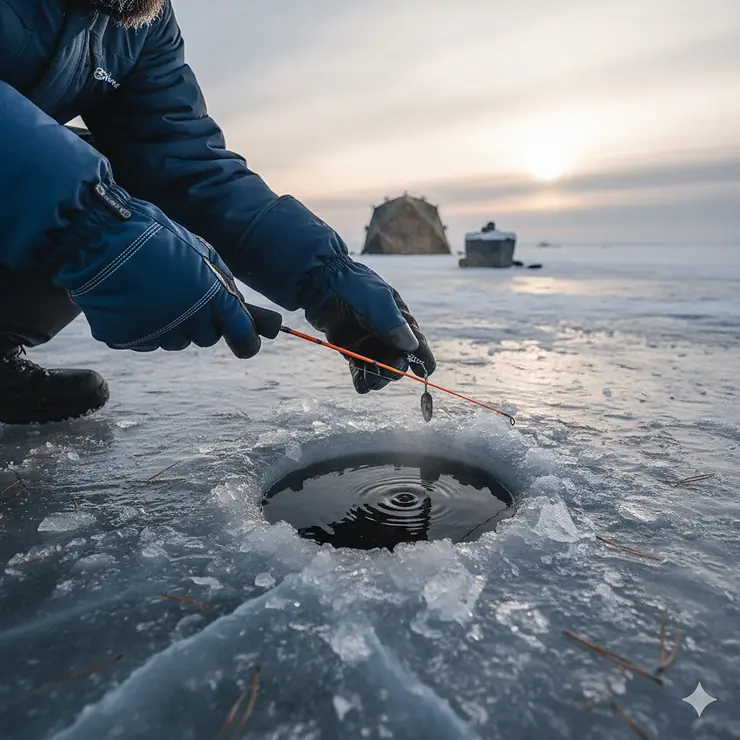
When you’re out on frozen lakes in sub-zero temperatures, your hands take the brunt of winter’s fury. I’ve spent countless mornings on the hard water, and let me tell you—cheap gloves that soak through after one ice scoop will ruin your entire day. Quality ice fishing gloves aren’t just nice to have; they’re essential gear that can make or break your winter fishing experience.
✨Was this helpful? Spread the word! 🚀
The right pair of gloves keeps you fishing longer, handling lines better, and actually enjoying yourself instead of rushing back to warm up every 20 minutes. Whether you’re jigging for walleye through eight inches of ice or setting tip-ups for northern pike, your hands need protection that balances warmth with dexterity. After testing dozens of options and researching what actual anglers are buying in 2025, I’ve narrowed down the absolute best choices across different budgets and fishing styles.
Quick Comparison Table
| Glove Model | Material | Warmth Rating | Waterproof | Price Range | Best For |
|---|---|---|---|---|---|
| Glacier Glove Perfect Curve | 2mm Neoprene | Excellent | 100% | $57-$60 | All-around performance |
| Glacier Ice Bay | 2mm Neoprene | Excellent | 100% | $45-$48 | Budget neoprene option |
| Striker Attack | Hipora/Thinsulate | Very Good | Yes | $40-$50 | Extreme cold |
| Fish Monkey Yeti | Premium Dry-Tec | Excellent | 100% | $60-$80 | Premium choice |
| IceArmor Edge | DINTEX membrane | Good | Yes | $30-$40 | Best value |
| Palmyth Magnetic Fleece | Fleece/Magnets | Moderate | Water-resistant | $35-$40 | Versatility & dexterity |
| Palmyth Convertible Mitt | 3M Thinsulate | Good | Water-resistant | $36-$40 | Mitten warmth, glove dexterity |
💬 Just one click – help others make better buying decisions too!😊
🎣 Ready to Upgrade Your Ice Fishing Gear?
✨ These hand-picked gloves represent the best options available in 2025. Click on any product name in the sections below to check current Amazon prices and read verified customer reviews. Don’t let cold hands cut your ice fishing trips short! 🧊
Top 7 Ice Fishing Gloves: Expert Analysis
1. Glacier Glove Perfect Curve Neoprene
The Glacier Glove Perfect Curve Neoprene stands as my top recommendation for serious ice anglers who demand both warmth and functionality. What sets these gloves apart is their pre-curved finger design—molded to match your natural hand position at mid-grip. This isn’t gimmicky marketing; it genuinely reduces hand fatigue during long days on the ice.
Key Specifications:
✅ 2mm fleece-lined TechLine Neoprene construction
✅ 100% waterproof with blind-stitched seams
✅ Seamless palm design for enhanced grip
✅ Pro Strap integrated adjustment system
The fleece lining provides luxurious warmth while the neoprene shell blocks wind and water completely. I’ve dunked these reaching into fishing holes countless times—hands stay bone dry. Customer feedback consistently praises their durability, with many anglers reporting 3+ seasons of heavy use. However, they do run slightly large, so consider sizing down if you’re between sizes.
Pros:
- Exceptional waterproofing holds up to submersion
- Pre-curved design reduces hand strain
- Durable construction lasts multiple seasons
Cons:
- Slightly harder to get on/off initially
- Runs large (size down for best fit)
Price Range: $57-$60 | Rating: 4.6/5 stars
2. Glacier Glove Ice Bay
The Glacier Glove Ice Bay offers premium neoprene protection at a more accessible price point. These gloves feature a unique sharkskin-textured palm that provides incredible grip—even when handling wet, slimy fish. The 2mm neoprene with fleece lining keeps hands toasty in temperatures down to -10°F according to testing by multiple reviewers.
Key Specifications:
✅ 2mm fleece-lined TechLine Neoprene
✅ Seamless palm with sharkskin texture
✅ Waterproof blind-stitched construction
✅ Slightly less insulation than Perfect Curve
One field researcher from Field & Stream tested these during a November program in -10°F conditions, fully submerging them in ice-cold water. His hands stayed warm and completely dry, even with chunks missing from the gloves after extensive use. The balance between cushioned warmth and retained dexterity makes these ideal for anglers who need to write notes, untangle lines, or handle delicate tackle.
Pros:
- Excellent value for neoprene quality
- Superior grip with sharkskin palm
- Proven durability in harsh conditions
Cons:
- Slightly less warm than Perfect Curve
- Can run tight (check sizing carefully)
Price Range: $44-$48 | Rating: 4.5/5 stars
3. Striker Attack Waterproof Insulated Gloves
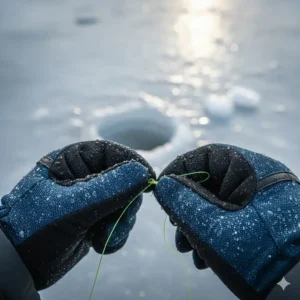
When the mercury drops into dangerous territory, the Striker Attack Waterproof Insulated Gloves deliver serious cold-weather protection. These gloves pack 150g of 3M Thinsulate insulation combined with a Hipora waterproof and breathable membrane—a combination that holds up to winter’s absolute worst conditions.
Key Specifications:
✅ 150g 3M Thinsulate insulation
✅ Hipora waterproof/breathable insert
✅ 300D back-of-hand shell
✅ Suede palm for comfortable grip
✅ Adjustable neoprene cuff
Striker Brands specializes in ice fishing apparel, and their expertise shows. The suede palm provides excellent tactile feedback for handling rods and reeling in fish, while the durable shell resists abrasion from ice augers and sled equipment. Multiple customers report using these successfully in temperatures as low as -10°F, with hands staying warm even when scooping ice from holes. The adjustable cuff creates a secure seal that prevents snow from sneaking inside.
Pros:
- Outstanding insulation for extreme cold
- Breathable membrane prevents sweaty hands
- Durable construction built for ice fishing
Cons:
- Wrist opening can feel tight for larger hands
- Less dexterity than thinner neoprene options
Price Range: $40-$50 | Rating: 4.4/5 stars
4. Fish Monkey Yeti Premium Ice Fishing Mittens
The Fish Monkey Yeti Premium Ice Fishing Mittens represent the pinnacle of ice fishing hand protection. These are the gloves you reach for when conditions turn truly brutal—think -30°F with howling winds. Fish Monkey’s Dry-Tec technology combines 100% waterproof and windproof fabrics with hardcore field testing to create what many consider the industry’s most advanced ice fishing mitten.
Key Specifications:
✅ Premium Dry-Tec construction
✅ HIPORA waterproof membrane
✅ Thinsulate insulation
✅ Touchscreen-compatible fingertips
✅ Extended gauntlet design
The extended cuff slides over jacket sleeves to eliminate any cold spots at your wrists. One Alaskan reviewer noted these mittens performed flawlessly in -35°C weather during week-long exposure. The touchscreen compatibility means you can check your fish finder or snap photos without exposing skin. Yes, they’re pricey, but for anglers who fish in genuinely dangerous cold, they’re worth every penny.
Pros:
- Unmatched warmth for extreme conditions
- Touchscreen functionality works reliably
- Extended cuff prevents wrist exposure
Cons:
- Premium pricing ($60-$80)
- Mitten design limits fine motor tasks
Price Range: $60-$80 | Rating: 4.7/5 stars
5. IceArmor Edge Gloves by Clam
The IceArmor Edge Gloves by Clam have earned their reputation as the world’s most popular ice fishing glove through a winning combination of features and affordability. Clam Outdoors pioneered the ice fishing shelter revolution, and their glove expertise shows in this best-selling design.
Key Specifications:
✅ DINTEX waterproof membrane
✅ 200g 3M Thinsulate insulation
✅ Full leather palm and back
✅ Immersion-proof design
✅ Fitted yet flexible construction
According to reviews on DICK’S Sporting Goods, these gloves deliver exceptional warmth retention while maintaining the dexterity needed for setting tip-ups or tying on lures. The full leather construction provides durability that synthetic materials can’t match, and the immersion-proof design lets you reach into holes without hesitation. At under $40, they represent tremendous value for anglers who want quality without breaking the bank.
Pros:
- Outstanding value under $40
- Leather construction extremely durable
- Good balance of warmth and dexterity
Cons:
- Not as warm as premium neoprene options
- Leather requires periodic treatment
Price Range: $30-$40 | Rating: 4.5/5 stars
6. Palmyth Magnetic Fleece Convertible Gloves
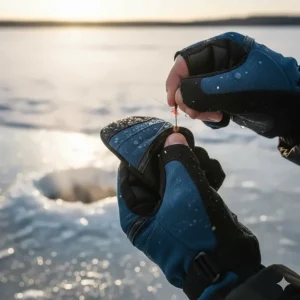
The Palmyth Magnetic Fleece Convertible Gloves bring innovation to ice fishing with their unique 3-cut finger design that converts using 12 integrated magnets. This clever system lets you switch from full-finger warmth to exposed fingertips for detail work—no fumbling with buttons or Velcro.
Key Specifications:
✅ High-stretch anti-pilling fleece
✅ 12-magnet convertible system
✅ Synthetic leather palm with silicone grip
✅ Heat-pack compatible wrist pocket
✅ Wind-resistant construction
The magnetic system works brilliantly in practice. Flip back the thumb, index, and middle finger caps instantly for tying knots or baiting hooks, then snap them closed when you’re done. The heat-pack pocket on the wrist adds extra warmth without compromising dexterity. While not fully waterproof (water-repellent only), these excel for anglers who prioritize versatility and fine motor control over maximum waterproofing. Amazon customers average 4.5 stars across 2,200+ reviews, highlighting the gloves’ comfort and functionality.
Pros:
- Magnetic conversion system works smoothly
- Excellent dexterity for detailed tasks
- Heat-pack pocket adds versatility
Cons:
- Only water-resistant, not waterproof
- Not suitable for extremely cold conditions
Price Range: $35-$40 | Rating: 4.5/5 stars
7. Palmyth Convertible Ice Fishing Mittens
The Palmyth Convertible Ice Fishing Mittens offer the best of both worlds—mitten warmth when you need it and fingerless dexterity when you don’t. The magnetic flip design transforms these from warm mittens to gloves in seconds, making them perfect for varied ice fishing tasks.
Key Specifications:
✅ 40g 3M Thinsulate insulation
✅ 4-way stretch shell with TPU membrane
✅ Microfiber fleece lining
✅ Magnetic mitten flap closure
✅ Silicone anti-slip palm
✅ Reflective safety strips
The 3M Thinsulate insulation provides solid warmth down to about 20°F, while the windproof TPU membrane keeps cold air at bay. When you need to handle delicate tasks like threading line or operating electronics, just flip back the mitten cover—magnets hold it securely in place. The reflective strips add a safety element for early morning or evening fishing. These mittens work beautifully for bass anglers transitioning to ice fishing or anyone who values flexibility over maximum cold protection.
Pros:
- True mitten warmth with glove versatility
- Magnetic system secure and easy to use
- Reflective strips enhance safety
Cons:
- Bulkier than standard gloves for fine tasks
- Limited to 20°F and above conditions
Price Range: $36-$40 | Rating: 4.4/5 stars
Understanding Neoprene vs Insulated Ice Fishing Gloves
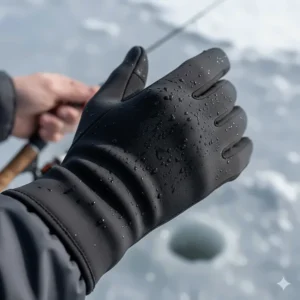
Choosing between neoprene and insulated gloves represents the fundamental decision every ice angler faces. Neoprene gloves, like the Glacier Perfect Curve and Ice Bay, use the same closed-cell rubber material found in wetsuits. This material traps tiny air pockets that provide insulation while remaining completely waterproof. The beauty of neoprene lies in its ability to keep hands warm even when wet, plus it offers a snug, second-skin fit that maintains dexterity.
Insulated gloves, such as the Striker Attack and IceArmor Edge, layer synthetic insulation (typically 3M Thinsulate) between waterproof outer shells and soft linings. They generally provide more warmth for their thickness than neoprene but sacrifice some waterproofing. These gloves excel in dry, extremely cold conditions where maximum insulation matters more than submersion protection. According to research from the University of Minnesota Extension, proper hand protection in cold weather requires understanding both insulation values and moisture management—both glove types address these needs differently.
The choice ultimately depends on your fishing style. If you frequently reach into water to clear ice or handle fish, neoprene wins. For anglers who stay relatively dry but face bitter cold, insulated gloves provide superior warmth. Many serious ice fishermen own both types, switching based on conditions.
How Waterproof Technology Protects Your Hands
Modern waterproof gloves employ several technologies to keep moisture out while allowing sweat vapor to escape. The most common systems include HIPORA, DINTEX, and blind-stitched neoprene—each with distinct advantages. HIPORA membranes, found in premium gloves like the Fish Monkey Yeti, feature microporous films with billions of tiny holes. These pores are large enough for water vapor molecules (sweat) to escape but too small for liquid water droplets to penetrate. This breathability prevents the clammy feeling that ruins cheaper waterproof gloves.
DINTEX membranes, used in the IceArmor Edge, work similarly but typically at a lower price point. They provide reliable waterproofing for most ice fishing situations, though they may not breathe quite as efficiently during high-activity periods like drilling multiple holes. Blind-stitched neoprene, the technology behind Glacier gloves, takes a different approach. Instead of using a membrane, the stitching itself creates the waterproof seal by not penetrating all the way through the material. Combined with glued seams, this construction method achieves 100% waterproofing.
Understanding these technologies helps explain price differences. A $30 glove with basic waterproof coating will fail after brief submersion, while a $60 glove with HIPORA or blind-stitched neoprene can handle repeated dunking for seasons. Your hands are worth the investment.
Essential Features for Maximum Dexterity
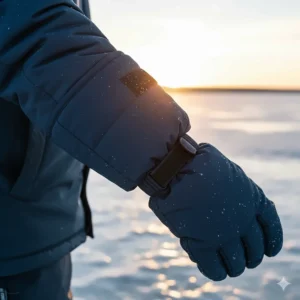
Dexterity might seem like a luxury on the ice, but try tying a Rapala knot with frozen fingers or adjusting a finicky electronics screen with bulky mittens. The best gloves for ice fishing strike a careful balance between warmth and finger mobility. Pre-curved finger designs, like those on the Glacier Perfect Curve, reduce the effort needed to grip rods or tools. Your fingers rest in their natural bent position rather than fighting against stiff material.
Key Dexterity Features:
🔹 Articulated fingers – Pre-shaped to match natural hand position
🔹 Flexible materials – Stretch fabrics that move with your hands
🔹 Minimal palm padding – Enhanced feel without sacrificing protection
🔹 Convertible designs – Expose fingertips only when needed
Convertible gloves and mittens, such as the Palmyth options, offer the ultimate dexterity solution. Keep full coverage for warmth, then expose just your fingertips for precision tasks. This flexibility proves invaluable when conditions change throughout the day or when switching between different fishing techniques. Ice anglers who jig aggressively need more dexterity than those running tip-ups, so consider your primary techniques when evaluating this feature.
Glove thickness also impacts dexterity significantly. While 5mm neoprene provides maximum warmth, 2mm neoprene or thin insulated gloves maintain better tactile feel. Many anglers opt for thinner gloves with hand warmer pockets as a compromise—add warmth when static, enjoy dexterity when active.
Comparing Benefits vs Traditional Winter Gloves
| Feature | Ice Fishing Gloves | Traditional Winter Gloves |
|---|---|---|
| Waterproofing | Fully submersible (neoprene) or highly water-resistant | Water-resistant at best |
| Grip | Enhanced with textured palms for wet fish | General-purpose |
| Durability | Reinforced for hooks, lines, and ice | Designed for everyday wear |
| Dexterity | Balanced for handling tackle and rods | Prioritizes warmth over function |
| Temperature Range | Optimized for 0°F to 30°F | General cold weather |
| Breathability | Technical membranes prevent moisture buildup | Basic insulation often traps sweat |
Regular winter gloves simply can’t handle ice fishing’s unique demands. I’ve watched beginners show up with ski gloves or work gloves, only to have them soaked and frozen within an hour. Ice fishing gloves are purpose-built for repeated water contact, handling sharp hooks and spiny fish, and maintaining grip on frozen rod handles. The specialized construction justifies the investment for anyone who fishes hard water more than occasionally.
Choosing the Right Size for Perfect Fit
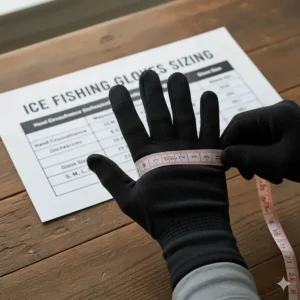
Proper glove sizing makes the difference between comfortable hands and circulation-cutting torture. Most ice fishing gloves use standard sizing (S, M, L, XL), but manufacturers’ sizing charts vary significantly. Always measure your hand circumference around the knuckles with fingers together, excluding the thumb. Compare this measurement against the specific brand’s sizing chart rather than assuming your usual size translates.
Sizing Tips:
⚡ Neoprene gloves typically run slightly large—consider sizing down
⚡ Insulated gloves generally run true to size
⚡ Between sizes? Go larger for layering potential, smaller for maximum dexterity
⚡ Long fingers? Check finger length measurements, not just palm circumference
The perfect fit feels snug without restricting blood flow. You should be able to make a fist easily and wiggle all fingers without resistance. For neoprene gloves specifically, remember they’ll feel tight initially but will conform to your hands after a few uses. If you can easily slide them on and off without any resistance, they’re probably too large and won’t provide optimal warmth.
Women and younger anglers often struggle finding properly sized ice fishing gloves since many manufacturers focus on men’s sizing. Brands like Palmyth and Glacier offer better size ranges, including options that work well for smaller hands. Don’t settle for oversized gloves—they leak warmth and reduce dexterity.
Maintenance Tips to Extend Glove Lifespan
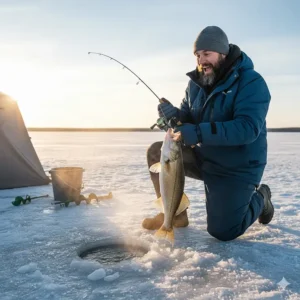
Quality ice fishing gloves represent a significant investment, so proper care extends their usability across multiple seasons. After each outing, rinse gloves with fresh cold water to remove salt (if fishing brackish waters), fish slime, and debris. Salt is particularly corrosive to waterproof membranes and can degrade stitching over time. Hang gloves to air dry in a well-ventilated area—never use direct heat sources like radiators or dryers, which can damage waterproof coatings and shrink materials.
For neoprene gloves, occasional treatment with wetsuit conditioner maintains flexibility and prevents premature cracking. Apply a thin coat, let it absorb for 10 minutes, then wipe off excess. This treatment also restores some water-repellency to the outer layer. Insulated gloves benefit from waterproofing spray applications at the start of each season, particularly on leather palms and high-wear areas.
Storage Matters:
- Keep gloves in a dry, cool location away from direct sunlight
- Don’t fold or compress gloves for long periods
- Store with fingers straightened to prevent creasing
- Check for small tears or worn seams before storage
- Apply Aquaseal or similar neoprene repair adhesive to small punctures immediately
Inspect gloves before each trip for wear points, particularly at seams and high-flex areas. Small problems caught early prevent catastrophic failures mid-trip. I’ve had gloves last 5+ seasons with proper care versus watching friends destroy expensive pairs in single seasons through neglect.
Understanding Temperature Ratings and Real-World Performance
Glove temperature ratings can be frustratingly imprecise because individual cold tolerance varies dramatically. What keeps one person toasty at 10°F might leave another shivering. Most manufacturers provide general temperature ranges rather than specific ratings, and these assume moderate activity levels. Here’s how to decode marketing claims versus real-world performance.
A glove rated for “cold weather” typically handles 20°F to 32°F—fine for mild ice fishing days but inadequate for hardcore winter conditions. “Extreme cold” ratings suggest 0°F to 20°F performance, suitable for most ice fishing scenarios. “Arctic” or “extreme” designations indicate gloves designed for sub-zero temperatures, often featuring 200g+ Thinsulate or thick neoprene.
However, these ratings assume continuous moderate activity. Sitting stationary over a hole in -10°F wind demands more insulation than actively jigging in the same conditions. Your personal metabolism, hydration status, and acclimatization all impact how cold feels. I generally recommend choosing gloves rated 10-15°F colder than your typical fishing temperatures to account for inactive periods.
Wind chill dramatically affects how cold your hands feel, even with quality gloves. A windproof outer shell becomes crucial below 20°F or in exposed locations. The Striker Attack and Fish Monkey Yeti both excel here with their windproof construction.
Best Practices for Layering and Hand Protection Systems
Smart ice anglers use a hand protection system rather than relying on a single pair of gloves. This approach provides flexibility for changing conditions and activities throughout the day. Start with thin liner gloves made from merino wool or synthetic materials. These provide a base insulation layer and allow you to handle detailed tasks when main gloves come off. Glacier Outdoor’s Poly Liner ($10) works perfectly for this purpose.
Over liners, wear your primary ice fishing gloves matched to expected conditions. For extremely cold days (below 0°F), consider adding mitten shells or overmitts over your gloves. These windproof, waterproof shells add an extra warmth layer without the bulk of ultra-thick gloves. Remove them during active periods to prevent overheating and sweating.
Effective Layering Strategy:
- Base layer: Thin liner gloves
- Main layer: Ice fishing gloves (neoprene or insulated)
- Optional: Overmitt shells for extreme conditions
- Backup: Keep spare gloves in your sled—wet gloves = miserable day
Keep chemical hand warmers in your tackle box for emergencies. The Palmyth gloves’ heat-pack pockets accommodate standard warmers perfectly. Use warmers judiciously—overheating causes sweating, which makes hands colder long-term. Deploy them during inactive periods or when hands start going numb despite proper gloves.
Never tough it out with cold hands thinking they’ll warm up. Once your hands get truly cold, warming them requires returning to shelter. Early intervention with warmers or better gloves prevents this miserable scenario.
Price Range & Value Analysis
| Price Tier | Price Range | What You Get | Best For |
|---|---|---|---|
| Budget | $15-$30 | Basic waterproofing, moderate insulation, shorter lifespan | Occasional anglers, mild conditions |
| Mid-Range | $30-$50 | Quality materials, reliable waterproofing, 2-3 season durability | Regular ice fishermen, varied conditions |
| Premium | $50-$80+ | Advanced materials, superior warmth, multiple season lifespan | Serious anglers, extreme conditions |
The sweet spot for most ice anglers falls in the $30-$50 range, where gloves like the IceArmor Edge and Striker Attack deliver excellent performance without premium pricing. These gloves use proven waterproof technologies and quality insulation that handle regular use for multiple seasons. For $30-$40, you’re getting 90% of the performance of $80 gloves.
Premium gloves justify their cost through superior materials, enhanced durability, and better performance in extreme conditions. The Fish Monkey Yeti’s $60-$80 price tag buys genuinely better cold-weather protection and longer lifespan. If you fish 20+ times per winter in harsh conditions, this investment pays dividends. Casual anglers who fish a few times yearly won’t see enough benefit to justify the extra cost.
Budget gloves under $30 work fine for beginners or fair-weather anglers but expect compromises. Waterproofing might fail after a season, insulation may be adequate rather than exceptional, and construction quality varies. They’ll get you on the ice without breaking the bank, but plan to upgrade as you fish more seriously.
Safety Considerations for Extreme Cold Fishing
Ice fishing in severe cold presents real dangers beyond mere discomfort. Frostbite can occur in exposed skin within minutes once temperatures drop below -20°F with wind chill. Quality gloves provide the first line of defense, but understanding cold injury warning signs remains crucial. Fingers that go from painful cold to painfully numb to completely numb without pain indicate the progression toward frostbite. Remove gloves immediately, check for white or grayish-yellow skin, and warm hands gradually—never use hot water or direct heat.
Beyond frostbite, hypothermia threatens when your core temperature drops below 95°F. Cold hands contribute to this dangerous condition because your body restricts blood flow to extremities to protect vital organs. Shivering, confusion, and loss of coordination signal early hypothermia. Get to shelter immediately and warm your core first before worrying about hands.
Critical Safety Rules:
- Always carry spare dry gloves in waterproof storage
- Limit exposure to bare hands to under 30 seconds in sub-zero conditions
- Watch for whitening skin (frostbite warning)
- Stay hydrated—dehydration increases cold susceptibility
- Never ignore persistent pain or numbness in fingers
According to the National Weather Service, frostbite can occur in just 5 minutes when wind chill reaches -40°F or below. Some northern ice fishing locations regularly see these conditions. No glove provides unlimited protection in these extremes—recognize when conditions exceed your gear’s capabilities and adjust accordingly.
Top Mistakes to Avoid When Buying Ice Fishing Gloves
After watching countless anglers make expensive mistakes, I’ve identified the most common pitfalls. First, buying gloves one size too large thinking extra room equals extra warmth. This backfires spectacularly—loose gloves leak heat and reduce dexterity. The air gaps between glove and hand actually cool faster than properly fitted gloves.
Second, prioritizing warmth over waterproofing proves equally problematic. You might survive cold hands temporarily, but wet and cold hands become dangerous quickly. Always verify genuine waterproofing (not just water-resistance) before considering warmth levels. Third, many anglers buy cheap gloves planning to “try ice fishing first,” then end up miserable with soaked, frozen hands their first time out. This sours them on the entire sport. Spending $40-50 on quality gloves prevents this scenario.
Fourth, ignoring the activity level required by your fishing style leads to poor matches. Aggressive jiggers generate more body heat and need less insulation with more dexterity. Tip-up fishermen standing around need maximum warmth with less concern for fine motor control. Match your gloves to your methods.
Finally, failing to maintain gloves drastically shortens their lifespan. I’ve seen anglers destroy $70 neoprene gloves by tossing them wet into truck beds or leaving them on dashboards in direct sun. Spend five minutes on basic care and get 4-5 seasons instead of one.
FAQ
❓ How do I prevent my ice fishing gloves from freezing when wet?
❓ Can ice fishing gloves work for ice climbing or winter sports?
❓ What's the difference between mittens and gloves for ice fishing?
❓ How long should quality ice fishing gloves last with regular use?
❓ Are touchscreen-compatible gloves worth it for ice fishing?
Conclusion
Finding the perfect pair of ice fishing gloves transforms your hard water experience from enduring cold to genuinely enjoying winter fishing. Whether you choose the premium waterproofing of the Glacier Perfect Curve, the value-packed IceArmor Edge, or the versatile Palmyth convertibles, investing in quality hand protection pays dividends every trip. Your hands work harder ice fishing than in almost any other outdoor pursuit—they deserve gear that matches the challenge.
Remember that the best glove combines warmth, waterproofing, and dexterity in proportions matching your specific fishing style and local conditions. Start with your typical temperature range, consider how actively you fish, and choose accordingly. The products reviewed here represent the best available options in 2025, each excelling in different scenarios.
Don’t let another season pass with inadequate hand protection. Quality ice fishing gloves keep you on the ice longer, fishing more effectively, and actually enjoying those frigid mornings instead of counting minutes until you can escape to warmth. Your next trophy fish might require hours of persistence in brutal conditions—make sure your hands can handle it.
🎯 Transform Your Ice Fishing Experience Today!
✨ Ready to keep your hands warm and dry all season? Click on any of the glove recommendations above to check current Amazon prices, read detailed customer reviews, and find your perfect fit. Don’t settle for cold, wet hands when premium protection is just a click away! 🎣❄️
Recommended for You
- 7 Best Ice Fishing Bibs 2025: Stay Warm Guide
- Ice Fishing Rod Case: 7 Best Options That Protect Your Gear
- Ice Fishing Reels: 7 Best Options Expert-Tested (2025)
Disclaimer: This article contains affiliate links. If you purchase products through these links, we may earn a small commission at no additional cost to you.
✨ Found this helpful? Share it with your friends! 💬🤗
