
In This Article
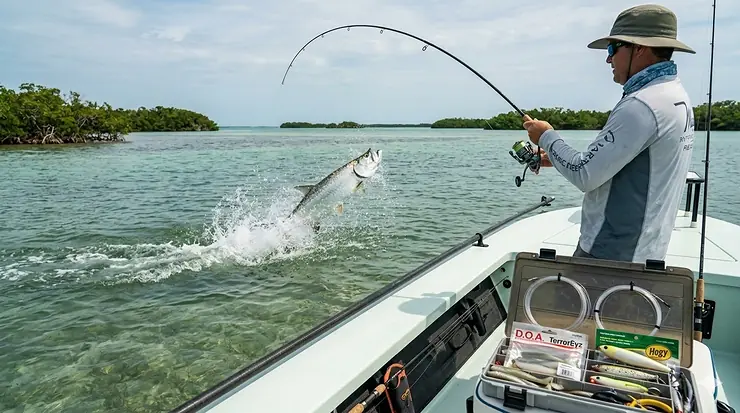
The massive silver body breaks the surface, twisting violently six feet in the air before crashing back down. Your line screams off the reel as you fight to keep tension. This is what makes tarpon fishing one of the most exhilarating experiences in saltwater angling.
Tarpon Fishing Gear and Lures aren’t just about throwing any bait into the water and hoping for the best. These prehistoric giants, which have roamed our oceans for over 50 million years according to research published in scientific journals, demand specific tackle that can withstand their explosive power and acrobatic leaps. Whether you’re stalking juvenile tarpon in mangrove-lined creeks or targeting 100+ pound silver kings in Florida’s passes, having the right tarpon fishing lures and equipment makes all the difference.
I’ve spent countless hours researching and analyzing the best tarpon fishing gear available in 2026, consulting with professional guides and examining real customer feedback. This comprehensive guide will walk you through everything you need to successfully target these magnificent fish, from hard-pulling swimbaits to specialized leader material that can handle their sandpaper-like mouths.
Quick Comparison Table: Top Tarpon Fishing Gear
| Product | Best For | Price Range | Key Feature | Rating |
|---|---|---|---|---|
| DOA Bait Buster Trolling | All-around versatility | $8-10 | Multiple sink rates | ⭐⭐⭐⭐⭐ |
| Rapala Skitter Walk SSW11 | Topwater action | $10-13 | Walk-the-dog action | ⭐⭐⭐⭐½ |
| Johnson Silver Minnow | Heavy cover fishing | $6-10 | Weedless design | ⭐⭐⭐⭐⭐ |
| Seaguar Blue Label Leader | Leader material | $20-35 | 60-80lb fluorocarbon | ⭐⭐⭐⭐⭐ |
| Z-Man DieZel MinnowZ | Durability | $8-11 | 10X tough ElaZtech | ⭐⭐⭐⭐½ |
| Berkley Gulp! Swimming Mullet | Scent attraction | $7-9 | 400X scent dispersion | ⭐⭐⭐⭐ |
| RiverBum Tarpon Fly Kit | Fly fishing | $35-45 | 14-piece assortment | ⭐⭐⭐⭐½ |
💬 Just one click – help others make better buying decisions too!😊
Top 7 Tarpon Fishing Gear and Lures: Expert Analysis
1. DOA Bait Buster Trolling Model
When professional tarpon guides need a lure that consistently produces results, many reach for the DOA Bait Buster. This 4.25-inch mullet imitation has become a staple in tackle boxes from the Florida Keys to Central America, and for good reason.
The Trolling model features a heavy-duty 6/0 Mustad Extra Heavy Ultra Point Hook weighing 7/8 oz, specifically designed to handle the bone-jarring strikes and powerful runs of trophy tarpon. Unlike cheaper imitations, the hollow body design allows the lure to collapse in a fish’s mouth, dramatically improving hookset percentages.
Customers consistently praise its versatility. One Florida guide reported catching nine tarpon in two weeks, though noted the plastic bodies can tear with heavy use. The key is matching the retrieve speed to water conditions – a medium-slow retrieve works best around mangroves, while a twitching action near the bottom produces strikes in deeper channels.
✅ Pros:
- Exceptional hookset success rate with collapsing body
- Heavy-duty construction for big tarpon
- Multiple color options for various water conditions
❌ Cons:
- Plastic bodies require replacement after multiple catches
- Slightly heavier than some anglers prefer for sight fishing
Price: $8-10 | Specifications: 4.25″ length, 7/8 oz weight, 6/0 hook
2. Rapala Saltwater Skitter Walk SSW11
Nothing gets a tarpon’s attention quite like a well-worked topwater plug creating commotion on the surface. The Rapala Saltwater Skitter Walk SSW11 excels at this presentation, delivering the classic walk-the-dog action that triggers aggressive strikes from rolling fish.
Measuring 4 3/8 inches and weighing 5/8 oz, this lure features VMC Perma Steel treble hooks that resist saltwater corrosion and maintain their bite through multiple fish. The large internal rattle creates a rhythmic sound that mimics fleeing mullet or baitfish, one of tarpon’s primary food sources.
Professional guides recommend using this lure during early morning or evening sessions when tarpon are actively rolling on the surface. The key technique is a twitch-twitch-pause retrieve that allows the lure to “walk” side-to-side, creating an irresistible target. Anglers report success in colors like silver mullet and pilchard, especially under bright skies.
✅ Pros:
- Proven walk-the-dog action
- Rugged VMC hooks handle tarpon abuse
- Long casting distance for reaching distant fish
❌ Cons:
- Requires practice to master retrieve technique
- Treble hooks may need upgrading for largest tarpon
Price: $10-13 | Specifications: 4 3/8″ length, 5/8 oz, floating topwater
3. Johnson Silver Minnow Spoon
For nearly a century, the Johnson Silver Minnow Spoon has remained a tackle box essential, and tarpon anglers have discovered its unique advantages. This weedless wonder allows you to fish areas other lures can’t reach – under mangroves, through turtle grass, and around oyster bars where big fish lurk.
Available in sizes from 1/4 oz to 1 oz (the 3/4 oz works best for most tarpon applications), this spoon’s patented 35-degree wobble creates fish-attracting flash without line twist. The weedless hook design means you can cast into structure without constant hang-ups, dramatically increasing your productive fishing time.
The silver finish reflects light like natural baitfish scales, while the spoon’s action mimics wounded prey. Add a plastic trailer in white or chartreuse to increase profile and action. Customers fishing heavy cover report this spoon comes through clean on virtually every cast, with solid hookup ratios on strikes.
✅ Pros:
- Truly weedless for fishing heavy structure
- Versatile – cast, troll, or jig
- Incredible value for the price
❌ Cons:
- Factory hook may need sharpening
- Requires moderate retrieve speed for best action
Price: $6-10 | Specifications: 3/4 oz (recommended), various colors available
4. Seaguar Blue Label Fluorocarbon Leader (60-80lb)
Tarpon have sandpaper-rough mouths that can shred inferior leader material in seconds. The Seaguar Blue Label Fluorocarbon in 60-80 lb test has earned its reputation as the gold standard for tarpon leader material, trusted by professional guides worldwide.
This double-structure fluorocarbon combines a harder inner resin for tensile strength with a softer outer resin for superior knot strength – a crucial advantage when a 150-pound tarpon is testing your tackle. The fluorocarbon’s near-invisibility underwater gives presentations a natural appearance, critical when targeting fish with excellent eyesight.
One Florida Keys guide shared that this leader holds up through 5-6 tarpon before needing replacement, compared to 1-2 fish with cheaper alternatives. The fast-sinking property keeps presentations in the strike zone, while exceptional abrasion resistance handles contact with bridge pilings, oyster bars, and tarpon gill plates. Available in 25-yard and 100-yard spools, it’s an investment that pays off in landed fish.
✅ Pros:
- Outstanding knot and tensile strength
- Exceptional abrasion resistance
- Near-invisible to fish
❌ Cons:
- Premium pricing (worth it for serious anglers)
- Requires proper knot technique to maximize strength
Price: $20-35 (depending on test/length) | Specifications: 60-80lb test recommended, 25-100 yard spools
5. Z-Man DieZel MinnowZ (5-7 inch)
Soft plastics typically last one or two fish before needing replacement. The Z-Man DieZel MinnowZ revolutionizes this equation with ElaZtech construction that’s genuinely 10 times tougher than standard soft plastics, making it perfect for toothy tarpon encounters.
Available in 4″, 5″, 6″, and 7″ sizes, the 5-7″ versions work exceptionally well for adult tarpon. The molded hook slot and split dorsal fin provide easy weedless rigging while ensuring problem-free hooksets – no more short strikes from poorly rigged baits. The paddle tail activates at all retrieve speeds, from slow crawls to aggressive burns.
Saltwater guides report using the same bait for multiple days of fishing, even after catching numerous tarpon. The Purple Demon and Mulletron color patterns prove especially effective in backcountry waters and during low-light periods. Pair with a heavy-duty jighead (1/2 to 3/4 oz) for best results when targeting larger fish.
✅ Pros:
- Extraordinary durability saves money long-term
- Excellent action at any retrieve speed
- Multiple size options for various tarpon
❌ Cons:
- Cannot be stored with regular plastics (will melt together)
- Higher initial cost than standard plastics
Price: $8-11 | Specifications: 5-7″ recommended, pack of 3-4 baits
6. Berkley Gulp! Swimming Mullet (4 inch)
Scent can be the deciding factor when tarpon are finicky. The Berkley Gulp! Swimming Mullet releases 400 times more scent than ordinary plastic baits, creating an expanded strike zone that pulls fish from greater distances and triggers aggressive bites.
This 4-inch scented soft plastic features a realistic baitfish profile with textured scales, molded eyes, and a high-action swimming tail that creates lifelike movement. The biodegradable material supercharged with Gulp! Saltwater attractant makes it particularly effective for juvenile tarpon in backcountry creeks and residential canals.
Professional anglers recommend rigging it on a 1/8 to 1/4 oz jighead in red or chartreuse, depending on water clarity. The steady, slow retrieve works best, mimicking natural mullet movement. While pinfish and pufferfish love these baits too, the strong scent consistently outproduces unscented alternatives when targeting juvenile tarpon in 20-60 pound range.
✅ Pros:
- Powerful scent attraction
- Realistic swimming action
- Effective for multiple inshore species
❌ Cons:
- Durability lower than ElaZtech plastics
- Pinfish can be problematic in some areas
Price: $7-9 | Specifications: 4″ length, pack of 10
7. RiverBum Tarpon Fishing Flies Assortment Kit
Fly fishing for tarpon represents the ultimate challenge in shallow water angling. The RiverBum Tarpon Fishing Flies Assortment Kit delivers 14 essential patterns tied on chemically sharpened Japanese hooks, giving you a complete selection for various conditions.
This guide-choice package includes two Cockroach flies (size 3/0), the legendary pattern developed in the Florida Keys that remains deadly on tarpon worldwide. You’ll also receive Tarpon Bunnies, Clouser Deep Minnows, Tarpon Toads, and the exclusive Paradise Sunset pattern. Each fly is tied with premium materials on hooks that won’t bend or pull under pressure from trophy fish.
The kit covers you for both clear water (tan and natural colors) and dirty water situations (black, purple, red combinations). Whether you’re fishing the Florida Keys, Costa Rica, Venezuela, or any tarpon destination, these proven patterns provide confidence. The included fly box keeps everything organized and protected.
✅ Pros:
- Complete assortment covers all conditions
- Premium Japanese hooks won’t fail
- Excellent value versus buying flies individually
❌ Cons:
- May need to supplement with specific local patterns
- Fly box included is basic
Price: $35-45 | Specifications: 14 flies, sizes 1/0-3/0, includes box
What is Tarpon Fishing Gear and Lures?
Tarpon Fishing Gear and Lures represent specialized tackle designed to target one of saltwater’s most challenging game fish. According to Wikipedia, Atlantic tarpon (Megalops atlanticus) can reach lengths of 4-8 feet and weights of 60-280 pounds, requiring equipment that balances strength with finesse. The right combination includes hard lures that mimic baitfish, soft plastics with realistic action, heavy-duty leader material resistant to abrasion, and fly patterns that trigger instinctive strikes from these prehistoric predators.
Understanding Tarpon Biology and Behavior
Before diving into tackle selection, understanding your quarry dramatically improves success rates. Tarpon possess several unique biological adaptations that directly influence tackle choices and fishing strategies.
The Silver King’s Special Abilities
Tarpon can breathe air using a modified swim bladder that functions like a primitive lung, allowing them to survive in oxygen-poor backwaters where other predators can’t follow. You’ll often see them “rolling” at the surface to gulp air – this behavior creates prime sight-fishing opportunities but also means they can detect poorly presented lures more easily than fish focused solely underwater.
Their large eyes feature adipose eyelids and provide exceptional vision, making leader visibility and lure realism crucial factors. Research from Bonefish & Tarpon Trust shows tarpon can spot unnatural presentations from surprising distances, especially in clear water conditions.
Feeding Patterns and Prey Selection
Adult tarpon are strictly carnivorous and feed primarily on midwater prey, swallowing food whole due to their small teeth. Their diet includes mullet, sardines, pinfish, marine catfish, crabs, and shrimp. This explains why the most effective tarpon fishing lures mimic these baitfish profiles and movements.
Juvenile tarpon in nursery areas consume insects, small fish, and grass shrimp, making downsized presentations necessary when targeting fish in the 10-40 pound range. As they mature and move to coastal waters, their prey size increases proportionally.
How to Choose Tarpon Fishing Gear and Lures
Selecting the right tarpon fishing gear involves matching tackle to your specific fishing situation. Follow these proven steps:
1. Determine Your Target Size Juvenile tarpon (10-40 lbs) require lighter tackle and smaller lures (3-4 inches), while adult fish (80-200+ lbs) demand heavy-duty equipment and larger presentations (4-7 inches). Match your gear to the fish you’re targeting.
2. Assess Your Fishing Environment Backcountry creeks need weedless lures and lighter tackle. Open beaches and passes allow topwater plugs and heavier spoons. Bridge fishing requires strong leader material that resists pilings. Match lure type to habitat.
3. Consider Water Conditions Clear water demands natural colors and fluorocarbon leader. Dirty or stained water benefits from brighter colors (chartreuse, white) and scented baits. Bright days suggest subdued tones; overcast skies allow bolder patterns.
4. Match the Hatch Identify the primary forage in your area. During mullet runs, use mullet-profile lures. When crabs are plentiful, consider crab patterns. Matching local bait improves strike rates dramatically.
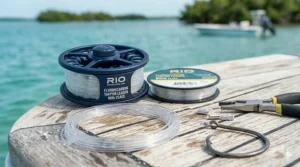
5. Select Appropriate Leader Material Use 40-60 lb fluorocarbon for juvenile fish, 60-80 lb for adults in open water, and 80-100 lb when fishing around structure. Always check leader for abrasion after each fish.
6. Choose Versatile Color Patterns Start with natural colors (silver/white, root beer, natural mullet) for clear conditions. Add purple/black combinations for low light and dirty water. Chartreuse options for stained conditions round out a basic selection.
7. Test Multiple Retrieve Speeds Tarpon aren’t always aggressive. Vary retrieve from dead-slow to fast burns until you find what triggers strikes on any given day. Most effective retrieves fall in the medium to medium-fast range with occasional pauses.
Essential Tarpon Tackle Components
Rod and Reel Considerations
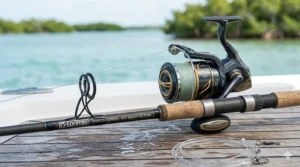
For spinning tackle targeting adult tarpon, a 7-8 foot medium-heavy to heavy rod rated for 20-40 lb line works well. Pair with a 4500-6500 size spinning reel featuring a smooth drag system capable of handling 150+ yard runs. Conventional tackle offers more power but requires additional skill.
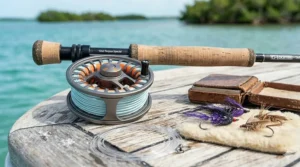
Fly anglers need 10-12 weight rods with large-arbor reels holding 200+ yards of 30 lb backing. The reel’s drag system becomes critical during a tarpon’s initial run and aerial acrobatics.
Main Line Selection
Braided line in 30-50 lb test provides the sensitivity and low stretch needed to detect strikes and set hooks at distance. The thin diameter allows longer casts and handles abrasion better than monofilament. Always use a fluorocarbon leader (discussed earlier) between braid and lure.
Hook Sharpness Matters
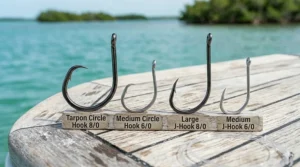
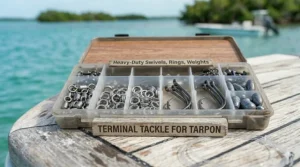
Tarpon mouths are notoriously hard and bony. Sharp hooks are non-negotiable. Many experienced anglers replace factory treble hooks with premium alternatives or upgrade to single inline hooks for better hookup ratios and easier releases. Check hook points before every trip.
Advanced Techniques for Tarpon Success
The Art of the Hookset
Unlike most fish where a quick wrist snap sets the hook, tarpon require a different approach. When you feel the strike, resist the urge to immediately set. Instead, count “one thousand one, one thousand two” while maintaining tension, then execute a firm, sweeping hookset. This timing allows the fish to fully take the lure.
“Bowing to the King”
When a hooked tarpon goes airborne (and they will), immediately lower your rod tip toward the fish – this technique called “bowing” creates slack that prevents the fish from leveraging against a tight line and pulling the hook free. The moment the fish re-enters the water, tighten up and resume fighting.
Reading Water for Tarpon
Tarpon often congregate in specific areas: passes on outgoing tides, shadowed areas under bridges, deep holes in backcountry creeks, and along beach drop-offs. Look for rolling fish, bait schools being harassed, and current breaks where tarpon can ambush prey with less effort.
Seasonal Tarpon Patterns
Spring Migration (April-June)
The Florida tarpon migration brings massive numbers of fish to coastal waters. This represents peak season for targeting trophy-sized silver kings. Focus on passes, beaches, and bridge areas where migrating fish stage before moving into bays and backwaters.
Summer Residency (July-September)
Many tarpon remain in shallow backcountry areas through summer, providing excellent sight-fishing opportunities. Morning and evening sessions produce best, as fish often become lethargic during midday heat. Juvenile tarpon fishing peaks during these months.
Fall Transition (October-November)
As water temperatures cool, tarpon begin moving back toward offshore waters. The fall period offers less pressure and willing fish before winter arrives. Target deeper channels and warm-water discharge areas where fish linger longer.
Winter Challenges (December-March)
Cold fronts push most tarpon south or into deep water. Die-hard anglers can still find fish in South Florida and the Keys, particularly around power plant discharges and deep channels. Expect tougher conditions but less competition.
Comparing Tarpon Fishing Lures vs Traditional Live Bait
| Factor | Artificial Lures | Live Bait |
|---|---|---|
| Convenience | Cast repeatedly without re-baiting | Requires constant bait procurement |
| Cost | Higher upfront, reusable | Ongoing expense for bait |
| Skill Level | Requires retrieve technique mastery | More forgiving for beginners |
| Selectivity | Can target aggressive fish | Attracts all species including bait stealers |
| Challenge | Higher accomplishment factor | More consistent hookups |
Common Mistakes to Avoid
Using leader that’s too light represents the most common error. Tarpon can easily break 30 lb test during powerful runs or when rubbing against structure. Always use appropriate poundage for your target size.
Setting the hook too quickly causes many missed fish. Tarpon often follow lures multiple times before committing. When you feel weight, resist the instant hookset urge. Let the fish fully take the bait.
Ignoring tide and current patterns dramatically reduces success. Tarpon are ambush predators that use current to position for feeding. Fish aren’t randomly distributed – they’re where conditions create feeding opportunities.
Environmental Considerations and Conservation
Tarpon are not typically consumed as food – their value lies in the sporting challenge and their role in healthy ecosystems. Florida Fish and Wildlife Conservation Commission requires special permits to harvest tarpon, and most anglers practice catch-and-release.
Proper release techniques ensure fish survival:
- Minimize fight time to reduce exhaustion
- Keep large fish in the water during unhooking
- Support the fish’s weight properly if bringing aboard
- Revive exhausted fish by moving them forward to push water through gills
- Use circle hooks and single hooks instead of trebles when possible
Tarpon populations remain relatively healthy, but habitat loss and water quality issues pose ongoing threats. Supporting conservation organizations helps protect these magnificent fish for future generations.
✨ Don’t Miss These Exclusive Deals!
🔍 Take your tarpon fishing to the next level with these carefully selected products. Click on any highlighted item to check current pricing and availability. These tools will help you create authentic silver king memories your family will love!
FAQ: Tarpon Fishing Gear and Lures
❓ What is the best time of day to catch tarpon?
❓ Can you use tarpon fishing lures in freshwater for juvenile tarpon?
❓ How do you prevent tarpon from jumping and throwing the hook?
❓ What pound test tarpon leader material should I use?
❓ Are topwater lures effective for tarpon in all conditions?
Conclusion: Your Path to Tarpon Success
Tarpon Fishing Gear and Lures represent more than just equipment – they’re your connection to one of sportfishing’s ultimate challenges. From the explosive topwater strikes triggered by a perfectly worked Rapala Skitter Walk to the subtle thumps of a tarpon inspecting your Gulp! Swimming Mullet, each component of your tackle system plays a crucial role in hooking, fighting, and landing these silver kings.
The seven products highlighted in this guide provide a solid foundation for any tarpon angler, whether you’re chasing 20-pounders in backcountry creeks or battling 150-pound giants under moonlit bridges. Remember that tarpon fishing requires patience, persistence, and proper technique – even the best gear won’t compensate for poor presentation or timing.
Start with versatile options like the DOA Bait Buster and Johnson Silver Minnow that work across multiple situations. Invest in quality leader material like Seaguar Blue Label – it’s the one component you absolutely cannot compromise on. As your skills develop, expand into specialized presentations like fly fishing with the RiverBum kit or experiment with ultra-durable Z-Man plastics for extended fishing sessions.
Most importantly, respect these magnificent prehistoric fish. They’ve survived for 50 million years, and with proper conservation and catch-and-release practices, future generations will experience the same heart-pounding thrill of a silver king cartwheeling across the surface.
Tight lines, and remember – the next cast could connect you with the fish of a lifetime.
Recommended for You
- 7 Best Waterproof Fishing Jackets 2026
- 7 Best Portable Fish Finders 2026
- 7 Best Fishing Pliers 2026: Expert Reviews & Buying Guide
Disclaimer: This article contains affiliate links. If you purchase products through these links, we may earn a small commission at no additional cost to you.
✨ Found this helpful? Share it with your friends! 💬🤗
