
In This Article
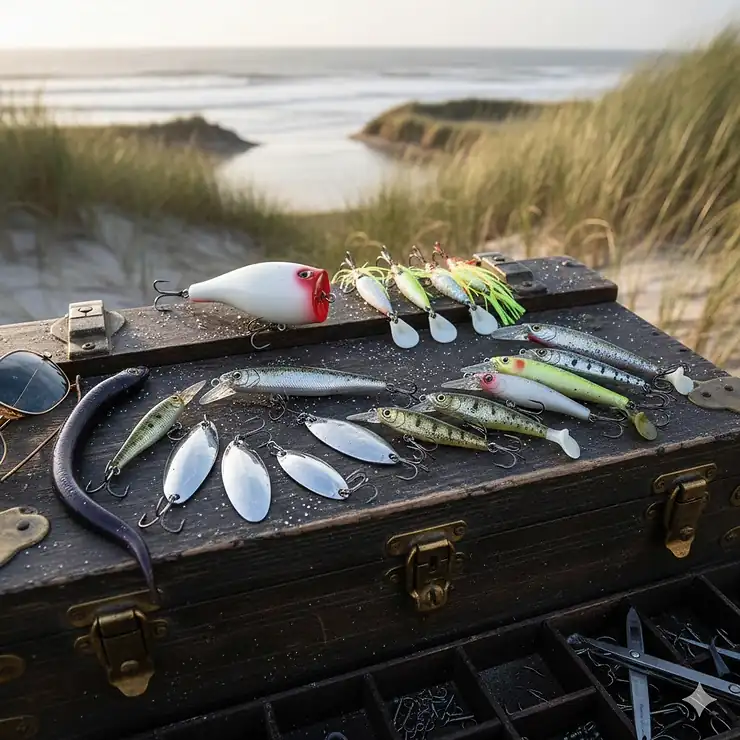
What is fishing lures for striped bass? They’re specialized artificial baits designed to mimic the natural prey of striped bass—including menhaden, herring, sand eels, and squid—triggering aggressive strikes from these powerful game fish found along the Atlantic coast.
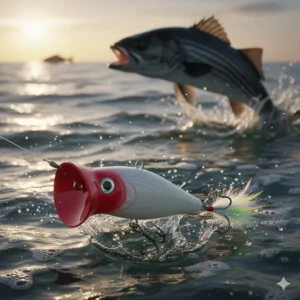
There’s nothing quite like the explosive strike of a trophy striper hitting your lure at sunrise. I still remember my first 40-pounder—it crushed a white bucktail jig in the Cape Cod surf, and the fight lasted nearly 20 minutes. That’s when I truly understood why choosing the right fishing lures for striped bass can make or break your day on the water.
Striped bass, also known as rockfish or linesiders, are among the most sought-after game fish in North America. These apex predators can grow up to 5 feet long and weigh over 75 pounds, according to NOAA Fisheries. Whether you’re casting from the beach, trolling offshore, or jigging in tidal rivers, having the right lure selection is absolutely critical.
Throughout this comprehensive guide, you’ll discover the top 7 striper fishing lures currently dominating tackle shops in 2026, learn exactly when and how to use each one, and gain insider techniques that consistently produce fish. We’ll cover everything from budget-friendly options to premium performers that serious anglers swear by.
Quick Comparison Table
| Lure | Type | Best For | Price Range | Rating |
|---|---|---|---|---|
| Yo-Zuri Crystal 3D Minnow | Hard Bait | Deep diving, trolling | $10-$15 | ⭐⭐⭐⭐⭐ |
| Daiwa SP Minnow | Floating/Sinking | Surf casting, long distance | $15-$20 | ⭐⭐⭐⭐⭐ |
| Rapala X-Rap Saltwater | Jerkbait | Aggressive feeding, schooling fish | $12-$18 | ⭐⭐⭐⭐½ |
| SPRO Prime Bucktail | Jig | Vertical jigging, bottom bouncing | $6-$12 | ⭐⭐⭐⭐⭐ |
| Zoom Magnum Super Fluke | Soft Plastic | Finesse, clear water | $5-$8 | ⭐⭐⭐⭐ |
| Storm WildEye Swim Shad | Paddle Tail | Casting, slow retrieve | $8-$14 | ⭐⭐⭐⭐ |
| Heddon Super Spook Jr. | Topwater | Early morning, feeding frenzy | $9-$13 | ⭐⭐⭐⭐⭐ |
💬 Just one click – help others make better buying decisions too! 😊
Top 7 Fishing Lures for Striped Bass: Expert Analysis
1. Yo-Zuri Crystal 3D Minnow Deep Diver – The Trolling Legend
When striped bass are staging deep or cruising fast during spring and fall migrations, the Yo-Zuri Crystal 3D Minnow Deep Diver becomes absolutely lethal. This 5-6 inch hard bait features the patented 3D Prism Finish that reflects subsurface light brilliantly, even in murky water.
The internal holographic foil creates flashes that stripers can detect from remarkable distances. What sets this lure apart is its responsive darting action combined with durable ABS body construction. The weight transfer system allows for exceptional casting distance, while VMC treble hooks ensure solid hooksets. Available in colors like Sardine, Blue Mackerel, and Silver patterns that closely mimic local baitfish.
Customer feedback consistently highlights this lure’s effectiveness in both trolling applications (3-5 knots recommended speed) and cast-and-retrieve scenarios. Anglers report it dives to impressive depths while maintaining a tight, realistic swimming pattern.
Pros:
✅ Exceptional depth range for targeting suspended fish
✅ Ultra-realistic 3D prism finish attracts from distance
✅ Durable construction withstands toothy strikes
Cons:
❌ Higher price point than basic plugs
❌ Requires proper trolling speed to achieve optimal action
Price: $10-$15 | Best for: Deep water trolling, spring/fall runs
2. Daiwa Salt Pro SP Minnow – The Surf Caster’s Dream
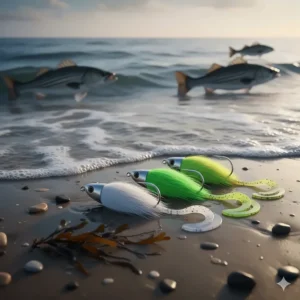
Surfcasters along the Northeast coast have made the Daiwa SP Minnow an absolute staple, and for good reason. This 6-inch, 1-1/9oz floating model was originally designed specifically for striped bass and delivers exactly what surf anglers need—extreme casting distance and irresistible action.
The internal weight transfer system launches this lure like a rocket, easily reaching 100+ yards in favorable conditions. Once in the water, the small diving lip gets it down to about 3 feet while producing a roving side-to-side action that drives stripers crazy. The 3D eyes and realistic scale pattern add visual appeal, while heavy-duty saltwater hooks hold up to the most punishing fights.
Northeast anglers particularly love the Bone, Chicken Scratch, and Black Purple color patterns for dawn and dusk fishing. One customer reported catching their first striper with this lure on day one, followed by 9 more fish in the same session—a testament to its fish-catching ability.
Pros:
✅ Unmatched casting distance for covering water
✅ Proven track record with surf-caught stripers
✅ Available in both floating and sinking models
Cons:
❌ Action requires proper retrieve technique
❌ Premium pricing compared to entry-level lures
Price: $15-$20 | Best for: Surf fishing, jetty casting, long-distance applications
3. Rapala X-Rap Saltwater 12 – The Aggressive Strike Generator
The Rapala X-Rap Saltwater brings legendary hard-cutting, darting action that forces striped bass to react. This 4-inch jerkbait produces an aggressive slashbait presentation that’s perfect when stripers are actively feeding on schooling baitfish.
Built to withstand saltwater punishment, it features an integrated long-casting system that doubles as an internal rattle. The textured translucent body includes holographic foil inserts and 3D holographic eyes that create incredible flash. VMC Perma Steel hooks resist corrosion while delivering penetrating hooksets.
The beauty of the X-Rap lies in its versatility—you can work it aggressively with hard rips and twitches, or slow it down for a more subtle presentation. It suspends at rest, triggering strikes from following fish. Customer reviews emphasize its effectiveness on everything from schooling stripers to bluefish, with many noting how it can be “cast a mile.”
Pros:
✅ Explosive darting action triggers reaction strikes
✅ Suspending design excellent for pausing technique
✅ Saltwater-grade components built tough
Cons:
❌ Requires active rod work for best results
❌ Treble hooks can snag in heavy structure
Price: $12-$18 | Best for: Schooling fish, active feeding periods, open water
4. SPRO Prime Bucktail Jig – The Versatile Classic
If you could only have one lure in your striper arsenal, the SPRO Prime Bucktail Jig would be a wise choice. Available in weights from 1 to 3 ounces, this jig’s unique head shape and eyelet placement create a natural gliding action that’s irresistible to stripers.
Unlike traditional bucktails that fall straight down, the SPRO stays nearly parallel to the bottom, maintaining a more natural swimming appearance. The super-sharp Gamakatsu O’Shaughnessy hooks are incredibly strong, while the generous amount of bucktail hair creates a larger profile with a slower sink rate—keeping it out of the rocks.
The 3D surface contours, realistic eyes, and holographic finish add visual appeal. You can fish it countless ways: bounce it off the bottom for fluke and weakfish, cast it at schooling fish and work it back quickly, swim it through current, or even troll it. Colors like white, chartreuse, and combinations with pink or red are particularly effective.
Pros:
✅ Incredibly versatile for multiple techniques
✅ Durable construction withstands abuse
✅ Budget-friendly with excellent fish-catching ability
Cons:
❌ Requires trailer (soft plastic or pork rind) for maximum effectiveness
❌ Bucktail can come loose with heavy use
Price: $6-$12 | Best for: Bottom bouncing, jigging, all-around versatility
5. Zoom Magnum Super Fluke 7-Inch – The Finesse Champion
When striped bass become finicky or you’re targeting trophy fish in clear water, the Zoom Magnum Super Fluke delivers a finesse presentation that other lures can’t match. This 7-inch soft plastic jerkbait has a deep belly that causes it to dart, glide, and knuckleball through the water with incredibly realistic action.
Rigged weightless on a 5/0 offset hook, it skitters across the surface like an injured shad. Add a belly-weighted hook or insert weights, and you can fish it at any depth. The salt-impregnated plastic gives fish extra hold time, increasing your hookup ratio. Arkansas Shiner, Albino, and Pearl colors are top producers.
Customer testimonials frequently mention catching both limit-sized bass and the biggest fish in the lake on this lure. Its universal baitfish profile works year-round, and the soft plastic construction allows for multiple rigging options. Some anglers report catching 30+ bass in a single session when conditions align.
Pros:
✅ Natural darting action mimics injured baitfish perfectly
✅ Affordable price allows multiple color experimentation
✅ Works at any depth depending on rigging
Cons:
❌ Soft plastic tears on toothy fish
❌ Requires proper technique for best action
Price: $5-$8 (5-pack) | Best for: Finesse fishing, clear water, trophy hunting
6. Storm WildEye Swim Shad – The Paddle Tail Performer
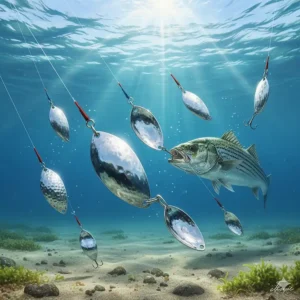
The Storm WildEye Swim Shad represents one of the most realistic pre-rigged swimbaits available for striped bass fishing. Available in sizes from 3 to 9 inches, these paddle tail baits feature soft hand-poured bodies with internal lead heads and bio-salt impregnated tails.
The holographic swimming flash foil creates incredible underwater flash, while the I-bolt secured 3D WildEye gives fish a target to strike. Superior VMC needle point hooks come pre-rigged, making this a ready-to-fish option. The paddle tail produces active kicking motion even on slow retrieves, and the lure swims upright with excellent action.
Anglers targeting stripers in both fresh and saltwater report catching “everything that swims” on these baits. The 4-inch size in Pearl color is particularly deadly for mimicking various baitfish species. Customer reviews highlight exceptional durability compared to other soft swimbaits, with some baits lasting through multiple fish.
Pros:
✅ Pre-rigged and ready to fish immediately
✅ Realistic holographic finish and 3D eyes
✅ Heavy enough for long casts and deep presentations
Cons:
❌ Single hook reduces hookup percentage vs. trebles
❌ Soft tail can tear with aggressive strikes
Price: $8-$14 (3-pack) | Best for: Casting, slow rolling, mimicking shad
7. Heddon Super Spook Jr. – The Topwater Explosion Maker
Few experiences match the heart-stopping moment when a 30-pound striper explodes through the surface to crush a topwater lure. The Heddon Super Spook Jr. delivers that adrenaline rush consistently. This 3.5-inch, 1/2oz walk-the-dog style topwater features tough construction specifically designed for aggressive saltwater species.
The classic “walk-the-dog” retrieve creates irresistible left-right action that draws stripers from 20+ feet away. Internal rattles call fish to investigate, while rugged line ties and VMC treble hooks ensure the bait holds up to explosive strikes. The Baby Bass, Bone, and Silver Mullet patterns are proven fish-catchers.
Customer feedback emphasizes how easy this lure is to work compared to larger topwaters, making it accessible for anglers of all skill levels. Multiple reports mention catching fish “within minutes” of first cast, with stripers jumping 4+ times trying to shake the lure. Works exceptionally well on schooling stripers and early morning feeds.
Pros:
✅ Easy to walk with rhythmic rod twitches
✅ Calls fish from great distances with rattles
✅ Explosive surface strikes create memorable moments
Cons:
❌ Only effective during topwater feeding windows
❌ Requires calm to moderate water conditions
Price: $9-$13 | Best for: Dawn/dusk, schooling activity, calm water
✨ Don’t Miss These Exclusive Deals!
🔍 Take your striper fishing to the next level with these carefully selected products. Click on any highlighted item to check current pricing and availability. These lures will help you create authentic fish-catching results your buddies will envy!
Understanding Striped Bass Behavior and Feeding Patterns
Striped bass are anadromous fish that migrate between fresh and saltwater environments, according to striped bass fishing research. They can live up to 30 years and grow to impressive sizes, making them prime targets for recreational anglers from Maine to North Carolina.
Seasonal Migration Patterns
During spring (April-June), stripers move inshore to spawn in freshwater rivers and estuaries. This is when you’ll find them in the Chesapeake Bay, Hudson River, and other major spawning areas. They’re actively feeding to build energy reserves, making this prime time for fishing.
Summer months see stripers dispersing along the coast, often moving to deeper, cooler water during the day and coming shallow at dawn and dusk. Fall brings the famous migration southward, with massive schools following baitfish along the coast—creating some of the year’s best fishing opportunities.
Winter pushes most stripers to deeper offshore waters or southern regions, though some fish remain in bays and estuaries where water temperatures stay moderate.
Primary Forage Species
Understanding what stripers eat is crucial for lure selection. Their diet includes:
🐟 Menhaden (bunker) – Large, oily baitfish that travel in schools
🐟 Herring – Silvery fish that spawn in spring rivers
🐟 Sand eels – Thin, elongated baitfish found in sandy areas
🐟 Squid – Important forage during offshore migrations
🐟 Shad – Abundant during spring spawning run
🐟 Mackerel – Attracts larger stripers in summer
Matching your lure size, color, and action to the predominant forage in your area dramatically increases success rates.
How to Choose Fishing Lures for Striped Bass
Selecting the right striper lure involves considering multiple factors that impact fish behavior and feeding activity. Here’s a systematic approach:
Step 1: Assess Water Conditions
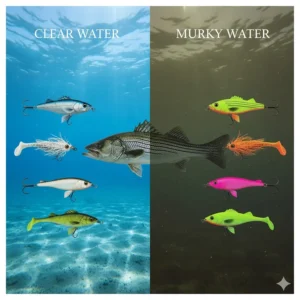
Water clarity determines lure color choice. In clear water, opt for natural colors like silver, white, or shad patterns. Murky water calls for brighter colors—chartreuse, pink, or combinations with white. Water temperature affects fish activity levels and feeding aggression.
Step 2: Determine Forage Type
Observe what baitfish are present. Seeing sand eels? Use slender lures like the Daiwa SP Minnow. Bunker schools around? Larger profile lures like bucktails with trailers work best. Match the size and silhouette of local forage.
Step 3: Consider Fishing Location
Surf fishing demands long-casting lures with good action at varying retrieve speeds. Jetty fishing requires snag-resistant designs. Boat fishing opens up more options including trolling plugs and vertical jigging presentations.
Step 4: Evaluate Fish Activity Level
Actively feeding stripers respond well to aggressive lures like topwaters and jerkbaits. Lethargic fish require finesse presentations—soft plastics worked slowly often produce when nothing else works.
Step 5: Match Depth to Fish Location
Know where stripers are holding. Surface activity? Topwaters shine. Fish suspended mid-depth? Diving plugs and swimbaits excel. Bottom dwellers? Bucktails and jigs get down to them.
Step 6: Factor in Current and Tide
Strong current requires heavier lures to maintain bottom contact or reach desired depth. Slack tide periods often see fish move shallow, making lighter presentations more effective.
Step 7: Select Appropriate Tackle
Match your lure weight to rod specifications. Spinning gear handles lighter lures (under 2oz) better, while conventional tackle excels with heavier plugs and jigs. Use 20-30lb braided line for sensitivity and strength.
Lure Types Comparison: Finding Your Perfect Match
| Lure Type | Action | Best Conditions | Skill Level | Versatility |
|---|---|---|---|---|
| Hard Diving Plugs | Swimming, Wobbling | Deep water, Trolling | Beginner-Intermediate | ⭐⭐⭐ |
| Jerkbaits | Erratic Darting | Active fish, Clear water | Intermediate-Advanced | ⭐⭐⭐⭐ |
| Bucktail Jigs | Vertical/Swimming | All depths, All conditions | Beginner-Advanced | ⭐⭐⭐⭐⭐ |
| Soft Plastics | Subtle Swimming | Finesse, Pressured fish | Intermediate | ⭐⭐⭐⭐ |
| Paddle Tail Swimbaits | Natural Swimming | Steady retrieve, Various depths | Beginner-Intermediate | ⭐⭐⭐⭐ |
| Topwater Walkers | Surface Walking | Calm water, Feeding activity | Intermediate | ⭐⭐⭐ |
Proven Techniques for Each Lure Type
Mastering the Walk-the-Dog Retrieve
Topwater lures like the Heddon Super Spook require rhythmic downward rod twitches while reeling slack. The lure glides left-right across the surface, imitating an injured baitfish. Start with slower cadences and speed up until you find the rhythm that triggers strikes.
Jigging Bucktails Effectively
Drop your bucktail to the bottom, then lift sharply 2-3 feet and let it fall on controlled slack line. The gliding descent is when most strikes occur. Vary cadence—sometimes slow lifts work, other times aggressive snaps trigger bites. Add a soft plastic trailer for extra action and scent.
Working Jerkbaits for Maximum Action
Cast beyond your target area and let the lure settle briefly. Then execute sharp downward rod snaps while reeling slack. The lure darts erratically side-to-side. Pause periodically—the suspending action often draws follows into strikes. Adjust pause duration based on fish mood.
Swimming Swimbaits Naturally
Cast and count down to desired depth, then maintain steady retrieve speed. The paddle tail does the work—no rod action needed. Experiment with retrieve speeds until you find what fish prefer that day. Periodic pauses can trigger reaction strikes.
Deep Diving Plug Strategies
When trolling, adjust boat speed to achieve proper lure depth and action. For casting, use a fast initial retrieve to get the plug diving, then slow to maintain depth. Ripping the rod tip creates additional flash and vibration that attracts fish.
Seasonal Lure Selection Guide
Spring Striper Fishing (March-May)
Spring brings stripers into rivers and estuaries for spawning. Water temperatures climb from 40s into 60s°F, increasing fish activity.
Top lure choices:
- Bucktail jigs with white or chartreuse (1-2oz for current)
- Soft plastics (paddle tails in 4-6 inches)
- Diving plugs mimicking herring and shad
- Topwaters during warm afternoons
Focus on current breaks, river mouths, and shallow flats where baitfish concentrate. Slow to moderate retrieves work best as fish are still building energy.
Summer Tactics (June-August)
Stripers move to deeper, cooler water during midday heat but feed shallow at dawn and dusk. Target structure like jetties, bridge pilings, and rocky points.
Effective presentations:
- Early morning topwaters for surface blitzes
- Deep-diving plugs for midday depths
- Swimbaits worked slowly in current
- Bucktails bounced on bottom structure
Night fishing becomes productive—black or dark blue lures create good silhouettes against moonlight. Fish around lighted areas where baitfish gather.
Fall Migration Madness (September-November)
This is primetime! Massive schools of stripers push south following huge baitfish pods. Incredible surface action with birds diving on bait schools.
Can’t-miss lures:
- Topwaters for blitzing fish
- Large swimbaits (6-9 inches) for trophies
- Metal lures for deep jigging under birds
- Bucktails sweetened with soft plastic trailers
Cover water quickly until you locate active fish, then work the area thoroughly. Have multiple rods rigged with different lures for fast lure changes.
Winter Strategies (December-February)
Colder water slows metabolism, making stripers lethargic. Focus on deep holes, channels, and areas with structure providing current breaks.
Cold water producers:
- Slow-sinking soft plastics (white, pearl)
- Small profile bucktails (1-2 inches)
- Deep-diving plugs trolled slowly
- Vertical jigging in deep water
Retrieve speeds should be painfully slow. Fish won’t chase—put lures directly in front of them with minimal action.
Color Selection: Matching the Hatch
Lure color significantly impacts strike rates. While stripers aren’t overly color-selective, certain patterns consistently outperform in specific conditions.
Clear Water Colors
When visibility exceeds 3-4 feet, natural baitfish imitations work best:
- Silver/Chrome with blue or green backs
- Pearl white with black backs
- Natural shad patterns
- Translucent smoke with holographic flash
Subtle colors don’t spook wary fish in clear conditions. Match local baitfish species precisely.
Murky Water Colors
Reduced visibility (under 2 feet) requires high-contrast, easily seen colors:
- Chartreuse and white combinations
- All white with pink or red accents
- Bright yellow patterns
- Black creates good silhouette at night
Vibration and water displacement become more important than visual appeal in dirty water.
Low Light Conditions
Dawn, dusk, and overcast days benefit from:
- Black for strong silhouette
- Purple and black combinations
- Dark blue patterns
- White for contrast against dark water
Reflective finishes help, but silhouette matters more than flash in limited light.
Size Matters: Matching Lure Size to Conditions
Small Lures (2-4 inches)
Best when:
- Baitfish are small (sand eels, spearing)
- Fish are pressured or finicky
- Targeting schoolie-sized stripers
- Using light tackle for sport
Medium Lures (4-6 inches)
Most versatile size range:
- Matches most common forage
- Works for fish from 18-40 inches
- Good action without overwhelming fish
- Easy to cast with medium tackle
Large Lures (6-10+ inches)
Trophy fish territory:
- Specifically targets bigger stripers (30+ pounds)
- Matches adult bunker, large herring
- Reduces smaller fish strikes
- Requires heavier tackle to fish properly
Remember: big lures don’t always mean big fish, but they definitely select for them. A 10-inch swimbait will get passed by schoolies but hammered by cows.
Advanced Tips from Professional Striper Guides
Trailer Modifications for Bucktails
Adding the right trailer transforms a basic bucktail into a fish-catching machine. Curly tail grubs in 4-5 inches add action and bulk. Paddle tails create more water displacement. Stick baits (like Slug-Gos) provide erratic action.
Pro tip: marinate soft plastic trailers in bunker oil or other fish attractants overnight for added scent appeal.
Hook Upgrades for Better Hookups
Factory hooks work, but upgrading to premium models increases landing percentages. Replace standard trebles with VMC or Owner hooks in the same size. Single inline hooks reduce snags and make releasing fish easier while maintaining hookup rates.
For topwaters, some guides remove the rear treble entirely—stripers typically hit the front of the lure, and removal improves walking action.
Reading Water to Locate Fish
Current seams where fast and slow water meet concentrate baitfish and attract stripers. Look for structure breaks—jetty tips, points, channel edges. Watch for bird activity indicating baitfish schools. Observe other successful anglers (but don’t crowd them).
Temperature breaks where cooler water meets warm often hold fish. Wind-blown shorelines push baitfish against structure where stripers ambush them.
Boat vs. Shore Lure Selection
Shore fishing requires maximum casting distance—choose lures like the Daiwa SP Minnow that launch long and produce action at varying speeds. Avoid lures requiring constant rod work since fatigue sets in faster from the beach.
Boat fishing allows precise lure placement and depth control. You can use heavier jigs, troll deep-diving plugs, and work structure vertically with bucktails. Lighter lures become viable since you’re right on top of fish.
Price Range Analysis: Getting the Best Value
| Budget Category | Price Range | What to Expect | Best Value Picks |
|---|---|---|---|
| Budget | $5-$8 | Basic soft plastics, simple jigs | Zoom Super Fluke, Basic bucktails |
| Mid-Range | $9-$15 | Quality hard baits, proven designs | Heddon Super Spook, SPRO Bucktails, Storm WildEye |
| Premium | $16-$25 | Top-tier components, advanced features | Daiwa SP Minnow, Yo-Zuri Crystal Minnow, Rapala X-Rap |
| Specialty | $25+ | Hand-crafted plugs, limited editions | Custom needlefish, Artisan swimmers |
Budget Strategy for New Anglers
Start with versatile options like bucktails and soft plastics. These cost-effective lures catch fish consistently and allow experimentation without breaking the bank. As you learn what works in your area, invest in premium hard baits that match local conditions.
Purchase lures on sale during off-season (winter) when tackle shops clear inventory. Buy proven colors first—you can experiment with exotic patterns later.
Tackle Setup Recommendations
Rod Specifications
Surf Casting: 9-11 foot medium-heavy rods rated 1-4oz lure weight
Jetty Fishing: 7-9 foot medium to medium-heavy rods
Boat Casting: 6.5-7.5 foot medium rods for versatility
Trolling: 7-8 foot medium to medium-heavy conventional rods
Reel Considerations
Spinning Reels: 4000-5000 size, quality drag system (25+ pounds drag)
Conventional Reels: Level wind or low-profile, high gear ratio (6:1 or higher)
Line Capacity: Minimum 200 yards of 30lb braid or 20lb monofilament
Line Selection
Braided line (20-30lb) provides excellent sensitivity, no stretch for solid hooksets, and smaller diameter allows longer casts. Use 20-30lb fluorocarbon leader (2-3 feet) for abrasion resistance and low visibility.
Monofilament (15-20lb) works well for topwaters due to built-in stretch that prevents ripping lures from fish mouths during explosive strikes.
Common Mistakes to Avoid
Fishing Too Fast
Many anglers retrieve way too quickly, especially beginners excited about their first few fish. Stripers often prefer moderate to slow presentations. Experiment with different speeds—sometimes painfully slow triggers bites when faster retrieves fail.
Wrong Line Weight
Using line too light leads to break-offs on trophy fish and prevents proper lure action. Too heavy reduces casting distance and increases visibility. Match line class to target fish size and conditions.
Ignoring Tide Tables
Tides dramatically affect striper feeding behavior. The best bite usually occurs during moving water—incoming or outgoing tide. Slack tide can be dead slow. Plan fishing around peak tidal movement for maximum success.
Failing to Vary Presentation
If fish aren’t hitting, change something! Different retrieve speeds, depths, lures, or locations often make the difference between getting skunked and limiting out. Stubborn anglers catch fewer fish than adaptable ones.
Poor Hook Maintenance
Dull hooks miss fish. Check hook points regularly by dragging across your thumbnail—they should catch slightly. Touch up with a file or replace hooks entirely. Premium hooks stay sharp longer but eventually dull.
Conservation and Ethical Fishing Practices
Striped bass populations face pressure from both recreational and commercial fishing. According to NOAA Fisheries research, implementing proper conservation practices ensures future generations can enjoy this amazing fishery.
Proper Handling Techniques
Support fish horizontally, never vertically by the jaw alone. Wet hands before touching to protect slime coating. Use rubber nets or wet towels instead of bare hands on hot days. Keep fish in water during hook removal when possible.
Quick Release Protocols
Have pliers, hook removers, and de-hookers ready before landing fish. Circle hooks reduce deep hooking and allow faster releases. If a fish is deeply hooked, cut the line rather than trying to remove the hook—fish have better survival rates with hooks left in.
Know Size and Bag Limits
Regulations vary by state. Most areas enforce slot limits (keeping fish within specific size ranges) to protect spawning stock. Check local regulations before fishing and follow them strictly. Respect closed seasons.
Practice Selective Harvest
Consider keeping smaller fish (within legal limits) for the table and releasing trophies to spawn. Larger females produce exponentially more eggs—a 40-pound striper produces millions more eggs than a 20-pounder.
❓ FAQ Section
❓ What is the best overall fishing lure for striped bass?
❓ When is the best time to use topwater lures for striped bass?
❓ What lure colors work best for striped bass in murky water?
❓ How do you fish a bucktail jig for striped bass effectively?
❓ What size fishing lures should I use for trophy striped bass?
Conclusion: Your Path to Striped Bass Success
Choosing the right fishing lures for striped bass transforms average outings into memorable fishing experiences. The seven lures we’ve covered—from the versatile SPRO bucktail to the explosive Heddon Super Spook—give you a complete arsenal for any striper fishing situation you’ll encounter in 2026.
Remember that consistent success comes from understanding not just which lures to use, but when and how to fish them effectively. Match your lure selection to seasonal patterns, local forage, and current conditions. Don’t be afraid to experiment with retrieve speeds, depths, and colors until you crack the code for your specific fishing location.
Start building your collection with proven fish-catchers like bucktails and swimbaits, then expand into specialty lures as you gain experience. Quality matters—investing in well-made lures saves money long-term through improved durability and better fish-catching performance.
The striper fishing community thrives on shared knowledge and mutual respect for this incredible resource. Practice catch-and-release for trophy fish, follow all regulations, and help others learn this amazing sport. Tight lines, and may your next cast bring that explosive surface strike we all live for!
Recommended for You
- 7 Best Boat Fishing Inflatable Options in 2026
- 7 Best Fish Finder on a Kayak 2026: Expert Picks & Reviews
- 7 Best Kayak Fish Finder Mount 2026
Disclaimer: This article contains affiliate links. If you purchase products through these links, we may earn a small commission at no additional cost to you.
✨ Found this helpful? Share it with your fishing buddies! 💬🤗
