
In This Article
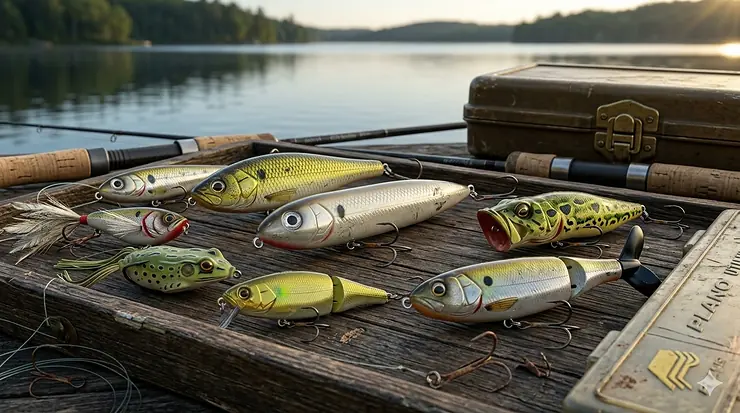
Picture this: a calm morning on the lake, the sun just breaking the horizon, and suddenly—SPLASH! A massive bass erupts from the surface, crushing your topwater lure in an explosion of water and adrenaline. That heart-pounding moment is why topwater fishing remains one of the most thrilling experiences any angler can have. Whether you’re a weekend warrior or a tournament pro, choosing the right topwater fishing lures can mean the difference between watching fish swirl under your bait and experiencing those explosive topwater strikes that make your hands shake with excitement.
The world of surface lure techniques has evolved dramatically over the past decade. From the classic walk-the-dog retrieve that made the Heddon Zara Spook legendary to modern plopper-style baits that create irresistible commotion, today’s anglers have more options than ever. But here’s the challenge: with hundreds of topwater lures flooding the market, how do you know which ones actually deliver results?
I’ve spent countless hours testing topwater fishing lures in everything from crystal-clear highland reservoirs to murky farm ponds, and I’ve learned that success isn’t just about the lure itself. It’s about understanding when to use a fishing lure jerkbait versus a popper, how water temperature affects surface feeding, and why sometimes a subtle fluke fishing lure outperforms louder options. In this comprehensive guide, we’ll break down the 7 Best Topwater Fishing Lures currently available, explore essential surface lure techniques, and help you understand the nuances between popper vs walking bait presentations.
Quick Comparison Table
| Lure | Type | Length | Weight | Best For | Price Range |
|---|---|---|---|---|---|
| Heddon Zara Spook | Walking Bait | 4.5″ | 0.5 oz | Open water, schooling bass | $7-10 |
| Berkley Choppo | Plopper | 3.5-4.7″ | 0.5-1 oz | Calm to choppy water, all-day fishing | $10-14 |
| River2Sea Whopper Plopper | Plopper | 3.5-5″ | 0.38-1.38 oz | Covering water, aggressive bass | $12-18 |
| Rebel Pop-R | Popper | 2-3″ | 0.25-0.5 oz | Precision targets, early morning | $5-8 |
| Booyah Pad Crasher | Frog | 2-2.5″ | Various | Heavy cover, lily pads, vegetation | $7-9 |
| Rapala X-Rap | Jerkbait | 2.5-4″ | Various | Suspended fish, cooler water | $9-12 |
| Arbogast Jitterbug | Wobbler | 2.5-3.5″ | 0.38-0.63 oz | Night fishing, low light conditions | $6-10 |
💬 Just one click – help others make better buying decisions too!😊
Top 7 Best Topwater Fishing Lures: Expert Analysis
1. Heddon Zara Spook – The Original Walk-the-Dog Legend
The Heddon Zara Spook isn’t just a topwater lure—it’s the lure that literally invented the walk-the-dog retrieve back in 1939. This cigar-shaped classic remains the gold standard against which all other walking baits are judged, and for good reason.
Key Specifications:
- Length: 4.5 inches
- Weight: 0.5 oz
- Hooks: Two 1/0 treble hooks
- Price: $7-10
What makes the Zara Spook special is its perfectly balanced design that allows even novice anglers to achieve that signature side-to-side action. The lure casts like a bullet, letting you cover vast amounts of water efficiently. Available in over 20 color patterns, from classic bone to more natural shad patterns, there’s a Zara Spook for every water clarity condition.
Customer feedback consistently praises its durability and fish-catching ability. Anglers report catching trophy bass, pike, and even striped bass on this versatile lure. The only common complaint involves the stock hooks, which some anglers upgrade to heavier-duty trebles for larger fish.
✅ Pros:
- Easy to walk even for beginners
- Exceptional casting distance
- Proven track record spanning decades
❌ Cons:
- Stock hooks may need upgrading for big fish
- Requires proper technique to maximize effectiveness
2. Berkley Choppo – Modern Plopper Excellence
The Berkley Choppo represents the new generation of plopper-style topwater fishing lures that have revolutionized surface fishing. With its cupped propeller tail and straight-tracking design, this lure makes topwater fishing accessible to everyone.
Key Specifications:
- Available sizes: 75mm, 90mm, 105mm, 120mm
- Weight range: 0.25-1 oz
- Hooks: Berkley Fusion19 treble hooks
- Price: $10-14
The Choppo’s durable propeller tail creates maximum surface disturbance without requiring the finesse of walk-the-dog baits. Simply cast and retrieve at varying speeds—the Choppo does the work for you. The precision balance ensures immediate action and straight swimming at any retrieve speed, making it deadly effective in both calm and choppy conditions.
Anglers love that this lure works in conditions where traditional walking baits struggle. The Fusion19 hooks are exceptionally sharp, reducing missed strikes significantly. Many consider it a more affordable alternative to the River2Sea Whopper Plopper with comparable performance.
✅ Pros:
- Beginner-friendly operation
- Works in various water conditions
- Durable construction with quality hooks
❌ Cons:
- Propeller can break after heavy use
- Less subtle than walking baits
3. River2Sea Whopper Plopper – The Sound of Success
When Larry Dahlberg designed the River2Sea Whopper Plopper, he created what many consider the most productive topwater lure of the past decade. The unique rotating tail produces an unmistakable “plop-plop-plop” sound that bass simply cannot ignore.
Key Specifications:
- Popular sizes: 90 (3.5″), 110 (4.3″), 130 (5″)
- Weight: 0.38-1.38 oz
- Hooks: River2Sea 4X strong treble hooks
- Price: $12-18
What sets the Whopper Plopper apart is its versatility. You can burn it across the surface for aggressive fish, slow-roll it for finicky bass, or work it with a stop-and-go cadence. The soft, pliable tail rotates on a steel harness, creating varying tones based on retrieve speed. Tournament anglers swear by this lure for covering water and triggering reaction strikes.
The bone color pattern has become legendary, but the lure produces in virtually every color offered. Customer reviews frequently mention catching personal-best bass on the 130 size, while the 90 excels for numbers of fish. The only downside is that heavy vegetation can foul the tail rotation.
✅ Pros:
- Irresistible sound and action
- Multiple size options for various conditions
- Tournament-proven effectiveness
❌ Cons:
- Higher price point
- Tail can tangle in heavy weeds
4. Rebel Pop-R – Classic Popper Perfection
The Rebel Pop-R has been winning bass tournaments for over three decades, earning its reputation as America’s number-one topwater popper. This lure’s concave mouth design creates the perfect chug-and-spit action that draws explosive strikes.
Key Specifications:
- Sizes: Standard (2″), Magnum (3″), Super (3.125″)
- Weight: 0.25-0.5 oz
- Hooks: XCalibur Tx3 rotating hooks
- Price: $5-8
The Pop-R excels when you need pinpoint accuracy around specific targets like boat docks, laydowns, or cypress trees. Its cupped face produces two distinct sounds depending on rod angle—a loud chug with the rod tip high or a subtle spit pointed toward the water. This versatility allows you to match your presentation to fish activity levels.
Tournament anglers particularly appreciate the Pop-R’s ability to trigger strikes from pressured fish. The dressed rear hook adds extra attraction during pauses. At under $10, it represents exceptional value, though some users report paint chipping after catching multiple fish.
✅ Pros:
- Affordable price point
- Precise target fishing capability
- Multiple retrieve options
❌ Cons:
- Paint durability issues
- Smaller profile limits casting distance
5. Booyah Pad Crasher – Frog Fishing Champion
When bass are buried in thick slop and lily pads, the Booyah Pad Crasher becomes your secret weapon. This hollow-body frog combines the perfect consistency of soft plastic with super-strong double hooks that collapse on impact.
Key Specifications:
- Sizes: Jr (2″), Standard (2.5″)
- Hooks: Double 3/0 weedless hooks
- Special feature: Spinnerbait-style legs
- Price: $7-9
The Pad Crasher’s smaller profile compared to competitors proves deadly for finicky bass, especially in post-frontal conditions. It skips effortlessly under docks and overhangs, letting you reach fish that never see other lures. The body consistency is firm enough to stay weedless yet soft enough to ensure solid hooksets.
Professional anglers consistently rank this as a must-have frog, citing excellent hookup ratios and durability. The legs don’t dry rot like some competitors, maintaining their action throughout the season. Many anglers keep multiple colors rigged and ready from spring through fall.
✅ Pros:
- 100% weedless design
- Excellent hookup ratio
- Budget-friendly pricing
❌ Cons:
- Limited to heavy cover situations
- Requires heavy tackle (65lb braid minimum)
6. Rapala X-Rap – Jerkbait Versatility
While technically a suspending jerkbait, the Rapala X-Rap deserves mention for its incredible topwater potential when worked with aggressive slashbait techniques. This lure bridges the gap between surface and subsurface presentations.
Key Specifications:
- Popular sizes: XR08 (3.125″), XR10 (4″)
- Weight: Various by size
- Hooks: VMC black nickel treble hooks
- Price: $9-12
The X-Rap’s translucent body with internal holographic foil creates incredible flash that draws fish from long distances. Its integrated long-casting system allows you to cover water efficiently. When worked with hard jerks on slack line, it darts erratically just below the surface, mimicking fleeing baitfish perfectly.
This lure excels during cooler months when fish are less willing to commit to pure topwater presentations. The suspending action on pauses gives bass extra time to track and strike. Tournament pros use this as a search bait to locate active fish before switching to other techniques.
✅ Pros:
- Multiple presentation options
- Excellent casting distance
- Realistic baitfish profile
❌ Cons:
- Body can crack with hard strikes
- More expensive than some alternatives
7. Arbogast Jitterbug – Night Fishing Specialist
The Arbogast Jitterbug has been catching bass since 1937, and its rhythmic “plop-plop-plop” sound remains irresistible, especially during low-light conditions. This double-cupped lip design creates surface disturbance unlike any other lure.
Key Specifications:
- Sizes: Standard (2.5″), Jointed (3.5″)
- Weight: 0.38-0.63 oz
- Hooks: Two treble hooks
- Price: $6-10
What makes the Jitterbug legendary is its effectiveness at night when bass rely on sound and vibration to locate prey. The wobbling action produces strong vibrations that bass detect through their lateral lines. During evening hours or overcast days, this lure consistently outproduces flashier options.
The Clicker version adds an audible rattle for extra attraction. Anglers report that the black color dominates for night fishing, while natural patterns work better during daylight. The jointed version adds tail action that some anglers prefer for added realism.
✅ Pros:
- Unmatched night fishing effectiveness
- Simple to fish with steady retrieve
- Affordable classic design
❌ Cons:
- Limited effectiveness in bright conditions
- Slower retrieve required than modern lures
✨ Don’t Miss These Exclusive Deals!
🔍 Take your fishing game to the next level with these carefully selected products. Click on any highlighted item to check current pricing and availability. These Best Topwater Fishing Lures will help you create authentic trophy catches your fishing buddies will envy!
Understanding Topwater Fishing Lure Categories
Topwater fishing lures fall into several distinct categories, each designed for specific situations and techniques. Understanding these differences helps you select the right tool for the conditions you’re facing. Research on largemouth bass feeding behavior shows that these fish are voracious predators that feed on everything from insects to frogs, making topwater presentations highly effective. Let’s break down the major categories and when to deploy each type.
Walking Baits and the Walk-the-Dog Retrieve
Walking baits like the Zara Spook represent the most versatile category of topwater fishing lures. These cigar-shaped lures glide side-to-side across the surface when worked with a rhythmic cadence. The walk-the-dog retrieve technique requires maintaining slack in your line while creating short, crisp rod twitches. This side-to-side presentation mimics a dying or disoriented baitfish, triggering predatory instincts in bass.
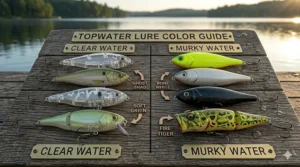
The beauty of walking baits lies in their ability to cover water efficiently while maintaining a natural presentation. You can work them quickly over vast flats to locate active fish, or slow down to entice finicky bass holding on specific structure. Water clarity plays a crucial role—clear water demands more subtle colors and cadences, while stained water allows for aggressive retrieves and bold patterns.
Plopper-Style Revolution
Plopper baits changed the topwater game by eliminating the learning curve associated with walk-the-dog presentations. These lures feature a rotating tail that creates constant surface disturbance with a simple straight retrieve. The Whopper Plopper and Berkley Choppo dominate this category, offering beginners instant success while remaining deadly effective in expert hands.
The key advantage of ploppers involves their effectiveness in windy or choppy conditions where walking baits struggle. The constant commotion helps bass locate the lure even when surface visibility is reduced. Retrieve speed dramatically affects the sound—fast retrieves create aggressive plopping, while slower speeds produce more subtle tones. Experiment with different cadences to determine what triggers strikes on your water.
Popper vs Walking Bait: Making the Right Choice
The debate between popper vs walking bait presentations often comes down to specific fishing scenarios. Poppers excel when fish are holding tight to specific structure or cover. Their ability to stay in the strike zone while creating explosive surface disturbance makes them ideal for working boat docks, isolated stumps, or weed edges where you know fish are present.
Walking baits shine when covering water to locate active fish or when bass are scattered across large flats. Their more subtle presentation often outproduces poppers when fish are pressured or feeding on smaller baitfish. Consider poppers your precision tool and walking baits your search bait, though both can produce in either scenario.
Water temperature influences this decision significantly. As water warms above 65°F, bass become more willing to chase faster-moving walking baits. Cooler water often demands the slower, more deliberate presentation that poppers provide. Pay attention to how aggressively fish strike—tentative taps suggest slowing down and possibly switching from walking baits to poppers.
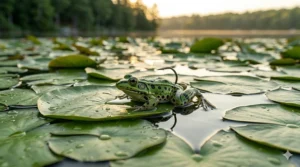
Essential Surface Lure Techniques for Maximum Success
Mastering the Walk-the-Dog Retrieve
The walk-the-dog retrieve separates amateur topwater anglers from experts. This technique requires coordinating your rod movements with reel cranking to create slack line that allows the lure to dart side-to-side. Start with your rod tip pointed down toward the water, then make short, sharp wrist flicks while simultaneously taking up slack with your reel.
The rhythm matters more than rod movement intensity. Think of it like a drum beat—twitch, pause, twitch, pause—maintaining consistent timing throughout your retrieve. Many pros recommend practicing in a swimming pool or clear, shallow water where you can watch the lure’s action and adjust your cadence accordingly.
Line choice affects walking ability dramatically. Monofilament floats and provides stretch that forgives minor technique errors, making it ideal for learning. As you advance, experiment with braided line for longer casts and more direct hooksets, though braid’s lack of stretch requires more refined technique to avoid pulling the lure away from striking fish.
Popping and Chugging Techniques
Working popper-style topwater fishing lures demands understanding how rod angle and retrieve speed affect the sound and spray pattern. Hold your rod tip high for aggressive, loud chops that create maximum surface disturbance. This presentation works when you need to call fish from long distances or when targeting extremely active fish.
Lower your rod tip toward the water for subtle spits that mimic smaller baitfish or injured prey. This finesse approach often outproduces aggressive popping when bass are finicky or the water is calm and clear. Vary your cadence—try three quick pops followed by a long pause, or single pops with extended waits to trigger reluctant strikes.
The pause is where many strikes occur. As the popper sits motionless with concentric rings rippling outward, bass often can’t resist attacking what appears to be wounded, vulnerable prey. Fight the urge to immediately continue your retrieve if nothing happens—sometimes bass circle and examine the lure before committing.
Working Fishing Lure Jerkbait on the Surface
While jerkbaits like the X-Rap typically run subsurface, aggressive slashbait techniques can keep them dancing on top. Use sharp downward rod snaps with immediate slack to make the lure dart erratically just under or across the surface. This presentation mimics panicked baitfish trying to escape, triggering violent reaction strikes.
The key involves creating true slack between rod movements. If you maintain tight line, you’ll simply pull the lure forward rather than creating the erratic side-to-side action that triggers strikes. Think “jerk-slack-jerk-slack” rather than a continuous retrieve. This technique requires faster, more aggressive rod movements than traditional walk-the-dog presentations.
Water clarity and baitfish size dictate color selection. In clear water, natural shad or perch patterns produce best. Stained or murky water calls for brighter colors or patterns with contrasting backs and bellies that provide better visibility. Match your lure size to the predominant forage—don’t throw 4-inch jerkbaits when bass are feeding on 2-inch shad.
Fluke Fishing Lure Techniques
The fishing lure fluke, or soft jerkbait, offers a more subtle topwater option when hard baits are being refused. These soft plastics can be worked with a “dead stick” presentation—twitching the lure then allowing it to slowly sink on a slack line. While not strictly topwater, this technique keeps the bait in the upper water column where bass can see and react to it.
For true surface presentations, rig flukes weightless on wide-gap hooks. Work them with sharp twitches that make the bait dart across the surface, then pause to let it slowly sink. Bass often strike during this fall on slack line. The trick involves not setting the hook immediately when you see the strike—wait until you feel weight before sweeping the rod to drive the hook home.
Fluke baits excel around vegetation where treble-hooked lures would snag constantly. Their weedless rigging allows you to work them through sparse grass or along weed edges where bass ambush prey. White and pearl colors dominate, though subtle variations like pearl with chartreuse tails or pink shad can make a difference on pressured waters.
Seasonal Strategies for Topwater Success
Spring: Prespawn and Spawn Patterns
As water temperatures climb above 55°F, bass begin their migration toward spawning areas. According to the U.S. Fish & Wildlife Service, largemouth bass spawn when water temperatures reach 59-75 degrees Fahrenheit. This transition period offers exceptional topwater opportunities, though lure selection and presentation require adjustment based on water temperature and spawning stage. Early prespawn bass stage near deep water adjacent to spawning flats, making walking baits excellent search tools.
Target secondary points, channel swings, and depth transitions where bass hold before moving shallow. Work topwater fishing lures more slowly than summer presentations—bass metabolism remains sluggish in cooler water. Focus efforts during warming trends when surface temperatures tick upward, triggering more aggressive feeding.
During the actual spawn, many anglers avoid targeting bedding bass, but topwater lures can draw strikes from guarding males protecting fry. Small poppers and subtle walking baits worked slowly over visible beds trigger defensive strikes. Post-spawn bass recovering from spawning stress readily attack topwater presentations, particularly early and late in the day when baitfish concentrate in the shallows.
Summer: Prime Time Performance
Summer represents peak season for topwater fishing lures, with bass actively feeding on surface-oriented forage throughout the day. As noted by the Kansas Department of Wildlife, hot summer days drive bass to shady areas around shallow habitat where surface lures and popping bugs excite them. Dawn and dusk remain prime times, but cloudy days or periods of light rain can trigger all-day surface feeding. Focus on shad-spawn events in May and June when bass gorge on vulnerable baitfish near the surface.
Work areas with baitfish activity—look for nervous water, jumping shad, or diving birds indicating feeding fish below. Plopper-style baits excel for covering water quickly to locate active schools. Once you find fish, slow down and work the area thoroughly with walking baits or poppers for additional strikes.
During extreme heat, bass retreat to deeper water during midday but still feed actively during low-light periods. Target shallow flats adjacent to deep water during morning and evening hours. Points, humps, and submerged roadbeds that provide quick access to deep water often hold bass that move shallow to feed then retreat when sun intensity increases.
Fall: The Feeding Frenzy
Fall topwater fishing rivals spring for productivity as bass aggressively feed to pack on weight before winter. Cooler water temperatures allow for all-day topwater action, particularly on cloudy, overcast days. Bass follow baitfish schools moving toward creek arms and shallow flats, creating excellent opportunities for anglers who can locate these roaming fish.
The key involves covering water to find active fish rather than focusing on specific structure. Walking baits and ploppers shine during this period, allowing you to efficiently search vast areas. Once you locate a school, expect multiple fish—fall bass often feed competitively, triggering aggressive strikes on consecutive casts.
Pay attention to water temperature—as it drops below 60°F, bass become less willing to chase fast-moving lures. Transition to slower retrieves and more deliberate presentations. Jerkbaits worked on the surface become increasingly effective as water cools, their suspending action giving bass extra time to commit.
Matching Lures to Water Conditions
Clear Water Strategies
Crystal-clear water demands finesse presentations and natural color selections. Bass in clear water can scrutinize lures more carefully, making realistic profiles and subtle actions crucial. Walking baits with translucent or natural baitfish patterns typically outproduce loud, aggressive options. Work lures more slowly and deliberately, avoiding excessive splashing that might spook wary fish.
Consider downsizing your topwater fishing lures in ultra-clear conditions. A 3-inch walking bait or small popper often generates more strikes than larger, more intrusive options. Clear or smoke-colored lures with subtle hints of color match the translucent appearance of real baitfish in clear water.
Time your fishing around low-light conditions when bass feel more comfortable feeding near the surface. Early morning, late evening, and overcast days provide the best opportunities. During bright, sunny conditions, fish often hold deeper or tighter to cover, making topwater presentations less productive.
Stained and Murky Water Tactics
Stained or murky water requires the opposite approach—louder, more aggressive presentations that help bass locate your lure through sound and vibration. Plopper-style baits excel in these conditions, their constant commotion acting like a dinner bell for bass. Bright colors or patterns with strong contrast (chartreuse, white, black) provide better visibility.
Don’t be afraid to work lures aggressively—fast retrieves, hard pops, and exaggerated actions all help bass zero in on your bait. The increased turbidity reduces spooking potential, allowing for more forceful presentations that would scare fish in clear water. Target shallow cover where bass position to ambush prey they detect through vibration rather than sight.
Wind can actually improve fishing in stained water by creating additional surface disturbance that masks your approach. While wind makes precise casts more challenging, it often triggers more aggressive feeding as bass capitalize on reduced visibility that gives them an advantage over prey.
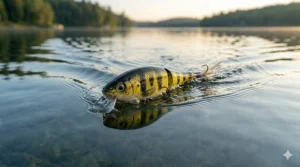
Advanced Tips and Tricks
Hook Upgrades and Modifications
Many topwater fishing lures arrive with adequate but not optimal hooks. Upgrading to premium treble hooks dramatically improves hookup ratios and landing percentages. Look for hooks with wider gaps and sharper points—VMC and Gamakatsu both produce excellent options. Consider going one size larger for the rear hook to catch short-striking fish.
Some anglers replace all trebles with feathered hooks on walking baits, adding visual appeal during pauses. The feathers continue moving even when the lure sits motionless, triggering additional strikes. For fish holding in heavy cover, consider replacing front trebles with single hooks to reduce snag potential while maintaining hooking capability.
Tune your lures regularly—bent hooks or bodies can ruin action and reduce effectiveness. Hold the lure at eye level and sight down its body to ensure it swims straight. Adjust hook hangers gently with pliers if the lure veers to one side. A properly tuned lure makes a dramatic difference in both casting accuracy and fish-catching ability.
Reading Surface Activity
Learning to interpret surface activity separates good topwater anglers from great ones. Research from the University of Illinois has shown that largemouth bass have distinct personalities, with some being more exploratory and others more cautious in their feeding behavior. “Nervous water” with subtle ripples or boils indicates baitfish being pushed to the surface by feeding bass below. Cast beyond the disturbance and work your lure back through the area—aggressive strikes often occur as soon as your lure enters the feeding zone.
Jumping baitfish suggest panicked prey escaping predators. Target areas where you see multiple jumps, as this indicates active feeding rather than isolated, opportunistic strikes. Swirls or boils near cover suggest bass ambushing prey from specific locations—these fish often strike topwater presentations aggressively.
Pay attention to birds, particularly diving terns or gulls working an area. These birds indicate baitfish near the surface, which almost always means feeding bass below. Work topwater lures through and around bird activity for explosive action. Don’t be discouraged if fish don’t strike immediately—keep working the area as bass activity can turn on suddenly.
Weather and Moon Phase Considerations
Barometric pressure dramatically affects bass behavior and topwater productivity. Falling or stable low pressure typically triggers aggressive feeding, making topwater presentations highly effective. Rising pressure or high, stable pressure often shuts down surface activity—bass feed but often refuse to commit to topwater offerings.
Moon phase influences feeding behavior, with new and full moons creating the most active periods. The increased gravitational pull generates stronger current in connected waterways and triggers increased feeding activity. Plan topwater fishing trips around these lunar periods for maximum productivity.
Wind direction matters more than many anglers realize. Wind blowing into points or pockets concentrates baitfish and creates ambush opportunities for bass. Work topwater lures with the wind when possible—it helps create natural action and masks your approach. Calm days require more finesse presentations, while wind allows for more aggressive tactics.
Tackle and Equipment Recommendations
Rod and Reel Selection
Your rod choice dramatically impacts topwater success. Medium to medium-heavy power rods in 6’10” to 7’6″ lengths provide the ideal combination of casting distance and fish-fighting capability. Look for moderate-fast to fast action tips that allow for proper lure action while maintaining enough backbone to drive hooks home and control big fish.
For walking baits, slightly softer tips help create the rhythmic action needed for proper lure movement. Plopper-style baits and poppers benefit from stiffer tips that maintain better lure control during hard jerks or pops. Glass composite rods offer excellent feel and hookset delay that helps prevent pulling lures away from striking fish.
Reel speed matters—6.3:1 or faster gear ratios allow you to quickly take up slack and maintain proper cadence during retrieves. High-speed reels also help when you need to burn ploppers across the surface or when covering large amounts of water searching for active fish. Smooth drags are essential for absorbing the explosive strikes topwater fishing produces.
Line Selection Strategies
Line choice represents one of the most debated aspects of topwater fishing. Monofilament remains popular for its floating properties and stretch that forgives minor technique errors. Twelve to seventeen-pound test handles most situations, with lighter line for smaller lures and clearer water, heavier for larger baits or heavy cover.
Fluorocarbon sinks, making it less ideal for true topwater applications, though some anglers use it successfully with plopper-style baits. Its low visibility appeals in ultra-clear water, but the sinking tendency can impede walking bait action. Save fluorocarbon for subsurface jerkbait presentations where you want the lure to sink slightly.
Braided line offers incredible casting distance and strength in small diameters, making it excellent for fishing around heavy cover. Its lack of stretch provides superior hooksets but requires careful technique to avoid pulling lures away from striking bass. Many anglers add a monofilament or fluorocarbon leader to gain some shock absorption while maintaining braid’s benefits.
Common Mistakes to Avoid
The Premature Hookset
The most common mistake in topwater fishing involves setting the hook too quickly when you see a strike. Bass often miss topwater lures on their initial attack, particularly when you’re working lures quickly or when smaller fish attempt to eat lures too large for their mouth. Wait until you feel weight before setting the hook.
Many strikes occur when lures are paused—bass approach cautiously, then suddenly attack. If you immediately jerk the rod when you see this approach, you’ll pull the lure away before the fish can commit. Instead, wait for the telltale tug indicating the bass has the lure in its mouth, then sweep the rod to drive the hooks home.
Some anglers adopt a “reel down and sweep” approach rather than traditional snap sets. This technique involves continuing your retrieve motion when you feel the strike, reeling until the line comes tight, then sweeping the rod to set the hook. This method significantly improves hookup percentages, particularly with treble-hooked lures.
Retrieve Speed Errors
Working topwater fishing lures too quickly ranks as another frequent mistake. While aggressive retrieves occasionally trigger reaction strikes, more often they result in missed hookups or fish that refuse to commit. Start with moderate retrieves and adjust based on fish response—you can always speed up if bass are showing but not striking.
Conversely, some anglers work lures too slowly, particularly plopper-style baits that require minimum speed to create proper action. Each lure has an optimal speed range where it performs best—experiment to find the sweet spot for your specific bait. Watch your lure during retrieves to ensure proper action.
Pauses are critical yet often overlooked. Many strikes occur during pauses when the lure sits motionless or slowly sinks. Vary your pause duration throughout the day—sometimes bass want long pauses of 10-15 seconds, other times they strike during brief hesitations. Pay attention to when strikes occur and adjust accordingly.
Ignoring Environmental Factors
Fishing the same topwater presentation regardless of conditions guarantees inconsistent results. Water temperature, clarity, time of day, weather conditions, and seasonal patterns all influence what lures and techniques produce. Adapt your approach based on the conditions you’re facing rather than stubbornly sticking with favorite techniques.
Many anglers give up on topwater too quickly when they don’t get immediate strikes. Topwater fishing often involves triggering instinctive reactions rather than feeding responses—it may take multiple casts to the same area before a bass commits. Work productive areas thoroughly before moving on.
❓ Frequently Asked Questions
❓ What is the best time of day for topwater fishing lures?
❓ Should I use braid or monofilament line for the walk-the-dog retrieve?
❓ How do I choose between popper vs walking bait for bass fishing?
❓ Can I use topwater fishing lures in stained or muddy water?
❓ What's the difference between a fishing lure jerkbait and traditional topwater lures?
Conclusion
Mastering topwater fishing lures transforms ordinary fishing trips into extraordinary experiences filled with explosive strikes and heart-pounding action. Whether you choose the classic walk-the-dog retrieve of the Heddon Zara Spook, the modern effectiveness of plopper-style baits, or the precision popping of the Rebel Pop-R, success comes from understanding when and how to deploy each technique.
The seven lures we’ve covered represent proven performers that consistently catch fish across diverse conditions. From the versatile Berkley Choppo that works for beginners and experts alike, to the specialized Booyah Pad Crasher for heavy cover, these topwater fishing lures deserve spots in every serious angler’s tackle box.
Remember that presentation matters as much as lure selection. Master the walk-the-dog retrieve, understand the nuances between popper vs walking bait applications, and don’t be afraid to experiment with fishing lure jerkbait techniques when subsurface action is needed. Pay attention to water conditions, seasonal patterns, and environmental factors that influence bass behavior and feeding preferences.
The beauty of topwater fishing lies not just in catching fish, but in the visual excitement of watching bass explode on your lure. Every strike offers that surge of adrenaline that keeps anglers coming back season after season. Now that you understand which lures work best and how to fish them effectively, it’s time to hit the water and experience the thrill yourself. Tight lines and explosive strikes await!
Recommended for You
- 7 Best Ultralight Fishing Rods for Epic Stream Trout 2026
- 7 Best Tarpon Fishing Gear and Lures That Actually Work (2026)
- 7 Best Waterproof Fishing Jackets 2026
Disclaimer: This article contains affiliate links. If you purchase products through these links, we may earn a small commission at no additional cost to you.
✨ Found this helpful? Share it with your fishing buddies! 💬🤗
