
In This Article
The first time I watched a 40-pound striper explode on the surface under a full moon, I understood why these fish are called “everyman’s trophy.” But here’s what nobody tells beginners: having the right striped bass fishing gear makes the difference between watching those magnificent fish swim away and hoisting your personal best for that unforgettable photo.
Striped bass, scientifically known as Morone saxatilis, are anadromous powerhouses that migrate between fresh and saltwater environments along the Atlantic coast. According to the National Oceanic and Atmospheric Administration (NOAA), recreational striped bass fishing represents approximately 9 percent of all angler fishing trips in the United States, with the species ranking as the largest recreationally targeted fish by weight in the nation. These silver-sided battlers can live up to 30 years, grow beyond 5 feet in length, and weigh more than 75 pounds, making proper gear selection absolutely critical.
Whether you’re trolling offshore structures, surf casting at dawn, or jigging deep channels, selecting appropriate gear for striper fishing transforms frustrating outings into memorable catches. Today’s anglers have access to specialized equipment designed specifically for these hard-fighting game fish, from high-capacity reels that handle blistering runs to ultra-strong braided lines that telegraph every subtle bite. The gear you choose directly impacts your success rate, fish landing percentage, and overall fishing enjoyment.
In this comprehensive guide, I’ll walk you through the essential striped bass fishing gear you need for 2026, including expert-tested rods, reels, lines, lures, and accessories. You’ll discover budget-friendly options alongside premium gear, learn about the latest flutter spoon techniques that have revolutionized East Coast striper fishing, and understand exactly what equipment matches your fishing style and target waters.
Quick Comparison Table
| Product | Type | Key Feature | Price Range | Best For |
|---|---|---|---|---|
| PENN Battle III | Spinning Reel | HT-100 Drag System | $80-$150 | All-around versatility |
| PowerPro Spectra | Braided Line | 30-50lb strength | $20-$45 | Sensitivity & strength |
| Jigging World Flutter Spoon | Lure | 7-9″ length | $15-$25 | Bunker imitation |
| Shimano Tallus TLXC | Conventional Rod | 7ft medium-heavy | $120-$180 | Trophy fishing |
| Plano 3700 EDGE | Tackle Box | Waterproof seal | $25-$40 | Organization |
| Tsunami Pro Flutter | Spoon Lure | Heavy-duty swivel | $18-$28 | Large feeding fish |
| Nichols Magnum | Flutter Spoon | 8″ design | $16-$24 | Deep jigging |
💬 Just one click – help others make better buying decisions too! 😊
Top 7 Striped Bass Fishing Gear: Expert Analysis
1. PENN Battle III Spinning Reel
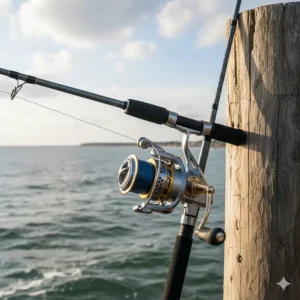
The PENN Battle III represents exceptional value for serious striper anglers who demand reliability without breaking the bank. This full-metal body spinning reel features PENN’s proprietary CNC Gear Technology combined with the legendary HT-100 carbon fiber drag system, delivering smooth, consistent pressure even during a trophy striper’s most aggressive runs.
Key Specifications:
- Full aluminum body and sideplate construction
- HT-100 drag system with 15-25lb max drag (size dependent)
- 5+1 sealed stainless steel ball bearings
- Braid-ready Superline Spool with line capacity rings
Price: $89-$149 depending on size (2000-6000 series)
Customer feedback consistently praises the Battle III’s durability in saltwater environments and smooth drag performance. Many East Coast striper specialists report using these reels for 3+ seasons without maintenance issues, though some users note the drag knob can loosen during extended battles.
✅ Pros:
- Exceptional saltwater corrosion resistance
- Smooth, reliable drag system
- Outstanding value for performance
❌ Cons:
- Slightly heavier than premium alternatives
- Drag knob may require tightening
2. PowerPro Spectra Fiber Braided Line
PowerPro Spectra braided line revolutionized striper fishing by offering an unbeatable strength-to-diameter ratio with virtually zero stretch. This Enhanced Body Technology line provides the sensitivity needed to detect subtle bites in deep water while maintaining the backbone to handle aggressive fish around structure.
Key Specifications:
- Available in 20-50lb test weights
- Minimal stretch for superior sensitivity
- Smooth surface texture reduces wind knots
- 300-1500 yard spool options
Price: $22-$45 depending on pound test and yardage
According to verified purchasers, the moss green color version excels for river and estuary fishing, while high-vis yellow works brilliantly for offshore trolling. One Connecticut-based striper guide specifically praised its performance for river striped bass fishing, noting superior accuracy when casting into fast rocky currents.
✅ Pros:
- Exceptional abrasion resistance
- Zero memory for better casting
- Ultimate strike detection
❌ Cons:
- Visible to fish in ultra-clear water
- Requires learning different knot techniques
3. Jigging World Jigging Flutter Spoons
The Jigging World Flutter Spoon has become the secret weapon for targeting striped bass that are keyed in on bunker and herring. These oversized spoons create an irresistible fluttering action on the drop that mimics a wounded baitfish—triggering reaction strikes even from well-fed stripers.
Key Specifications:
- Available in 7″ (2.5oz) and 7.5″ (3.5oz) sizes
- Heavy-duty swivels and split rings
- Jigging World ZBlade Siwash Hooks
- Four color options: Chartreuse, Bone, Silver, Gold
Price: $18-$26 per spoon
Professional guides throughout the Northeast report that stripers seem to strike these spoons “out of frustration” from the constant flash and flutter right in front of their faces. The technique is simple: drop to bottom, crank one turn up, then sweep your rod upward while letting the spoon flutter back down with controlled line tension.
✅ Pros:
- Deadly effective for bunker-feeding stripers
- Quality terminal tackle included
- Proven tournament performance
❌ Cons:
- Requires practice to master technique
- Can hang up in rocky structure
4. Shimano Tallus TLXC70MH Rod
For anglers serious about landing trophy-class stripers, the Shimano Tallus TLXC70MH offers the perfect blend of power and finesse. This 7-foot medium-heavy conventional rod features a solid backbone for controlling big fish while maintaining a sensitive tip for working lures and detecting bites.
Key Specifications:
- 7-foot length, medium-heavy power
- Fuji guides for smooth line flow
- TC4 construction blank
- Comfortable EVA grip handles
Price: $125-$175
Charter captains specifically choose this rod for flutter spoon fishing because it provides the backbone needed for big fish without sacrificing the soft tip required to work baits effectively. The rod’s balance point makes all-day jigging comfortable, reducing angler fatigue during extended sessions.
✅ Pros:
- Perfect balance for flutter spoons
- Excellent fish-fighting leverage
- Durable saltwater construction
❌ Cons:
- Premium price point
- May be overpowered for schoolie bass
5. Plano 3700 EDGE Tackle Box
Organization separates successful striper anglers from frustrated ones, and the Plano 3700 EDGE delivers waterproof, rust-proof storage in a compact, stackable design. The Dri-Loc seal keeps tackle dry even in rough conditions, while the clear lid lets you identify contents instantly without opening.
Key Specifications:
- Waterproof Dri-Loc O-ring seal
- Adjustable StowAway dividers
- Rust-resistant latches
- Dimensions: 14″ x 9.13″ x 2″
Price: $28-$38
Striper specialists appreciate being able to organize different lure categories—flutter spoons in one box, soft plastics in another, topwater plugs in a third—then stack them in boat storage or truck beds. The dividers stay put even when bouncing across rough water, preventing the dreaded tackle tangle.
✅ Pros:
- Truly waterproof design
- Customizable compartments
- Stackable for easy transport
❌ Cons:
- Dividers can pop out if overfilled
- Clear plastic scratches over time
6. Tsunami Pro Flutter Spoon
The Tsunami Pro Flutter Spoon takes the flutter spoon craze to the next level with premium components and automotive-grade finishes that maintain their flash season after season. Available in 9″ and massive 11″ sizes, these spoons target the largest feeding stripers pursuing adult bunker and hickory shad.
Key Specifications:
- 9″ and 11″ sizes available
- Tsunami Salt X 4/0 treble hook
- Premium electroplating finish
- Size #4 (264lb) stainless ball bearing swivel
Price: $22-$32 depending on size
The 11″ model has become legendary among trophy striper hunters for its ability to draw strikes from fish in the 40-60 pound class. The heavy-duty construction withstands repeated strikes without hook failure or finish degradation, making it worth the premium price for serious anglers.
✅ Pros:
- Built for trophy-class stripers
- Superior finish durability
- Heavy-duty terminal tackle
❌ Cons:
- Requires stout tackle to cast effectively
- Higher price than competitors
7. Nichols Lures Magnum Flutter Spoon
Originally designed by bass pro Ben Parker for Kentucky Lake’s giant largemouths, the Nichols Magnum Flutter Spoon adapted brilliantly to saltwater striper fishing. This 8-inch, 3-ounce platter creates a mesmerizing flutter that big stripers simply can’t ignore.
Key Specifications:
- 8″ length, 3oz weight
- 18 color options available
- Saltwater-grade hardware upgrade
- Extra-wide profile
Price: $16-$24
This spoon’s success story in striper fishing began in New Jersey before spreading throughout New England. Tournament anglers appreciate the color variety—white and chartreuse excel in stained water, while chrome and bunker patterns dominate in clear conditions. The spoon’s falling-leaf action triggers instinctive strikes even from pressured fish.
✅ Pros:
- Extensive color selection
- Proven tournament track record
- Excellent value pricing
❌ Cons:
- Stock hardware may require upgrading
- Wide profile catches wind during casts
✨ Don’t Miss These Exclusive Deals!
🔍 Take your striped bass fishing to the next level with these carefully selected products. Click on any highlighted item to check current pricing and availability. These tools will help you create authentic trophy catches your family will remember forever!
What is Striped Bass Fishing Gear?
Striped bass fishing gear encompasses specialized equipment designed to target Morone saxatilis, one of North America’s premier game fish. This includes medium-heavy to heavy power rods (7-9 feet), high-capacity spinning or conventional reels with smooth drag systems, braided lines in the 20-50lb range, and an array of lures from flutter spoons to soft plastics that imitate stripers’ primary forage—menhaden, herring, eels, and shad.
According to the Atlantic States Marine Fisheries Commission (ASMFC), proper gear selection has become increasingly critical as striped bass populations face management challenges. The right equipment allows anglers to efficiently target these anadromous fish while following catch-and-release best practices that support population recovery efforts. Modern gear for striper fishing balances power for controlling fish around structure with sensitivity for detecting subtle bites in various depths and current conditions.
Essential Rod and Reel Combinations for Stripers
Selecting your primary rod and reel combo represents the foundation of your striped bass fishing gear arsenal. The ideal setup balances casting distance, fish-fighting power, and all-day comfort while matching your preferred techniques.
Spinning vs. Conventional Setups
Spinning reels dominate East Coast striper fishing for good reason—they excel at casting light to medium-weight lures, handle braided line beautifully, and offer forgiving drag systems that beginners appreciate. A 4000-6000 size spinning reel paired with a 7-8 foot medium-heavy rod covers most situations from surf casting to boat jigging.
Conventional reels shine when targeting trophy fish with heavy lures or trolling applications. Their superior line capacity and cranking power make them the choice of charter captains pursuing 40+ pound stripers. However, they require more skill to prevent backlashes, making them better suited for experienced anglers.
Rod Length and Power Considerations
Seven to nine-foot rods provide optimal versatility. Shorter 7-footers offer better control in tight quarters like boat decks and jetties, while 8-9 foot rods deliver maximum casting distance from the surf. Medium-heavy power handles schoolie bass (under 30 inches) through mid-sized fish, while heavy power becomes necessary for trophy hunting in areas with strong currents or heavy structure.
Fast action tips provide sensitivity for detecting bites and working lures, while moderate actions offer more forgiveness during the fight—crucial when targeting fish on light drag settings required for catch-and-release. Consider purchasing two setups to cover different scenarios rather than compromising with a single “do-everything” rod.
Braided Line vs. Monofilament: The Striper Fishing Debate
The line you spool dramatically impacts your striped bass fishing success, and the braided versus monofilament debate continues among striper specialists. Understanding each line type’s strengths helps you match line selection to specific fishing scenarios.
Why Braided Line Dominates Modern Striper Fishing
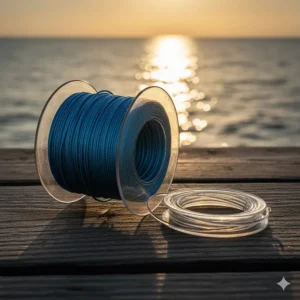
Braided lines like PowerPro Spectra have revolutionized striper fishing through near-zero stretch, superior strength-to-diameter ratios, and exceptional abrasion resistance. A 30lb braided line has the diameter of 8lb monofilament, allowing you to spool more line, cast farther, and feel every subtle tap even in 50+ feet of water. The lack of stretch translates bites directly to your rod tip and enables powerful hooksets at distance.
Professional guides overwhelmingly choose 30-50lb braid for most striper applications, with 30lb handling schoolies and mid-sized fish while 50lb provides the backbone needed around bridges, rocky structure, and trophy fish. The higher visibility of braided line rarely spooks stripers in tidal currents, though a 3-foot fluorocarbon leader addresses this concern in ultra-clear, calm conditions.
When Monofilament Still Makes Sense
Monofilament’s stretch properties provide shock absorption that protects light drag settings during a striper’s initial run, making it valuable for live bait fishing or when using treble-hooked lures. The line’s lower visibility and lower cost make it suitable for beginners or anglers fishing pressured waters where stripers see heavy angling pressure.
However, monofilament’s significant stretch dulls bite detection in deep water and weakens hooksets at distance. Most experienced striper anglers reserve monofilament for specific applications like topwater plugging in shallow water or as a shock leader material rather than using it as primary line.
Flutter Spoons: The Game-Changing Striper Lure
Flutter spoons have transformed how East Coast anglers target bunker-feeding striped bass, migrating from freshwater largemouth techniques to become saltwater sensations. Understanding this relatively new technique gives you a massive edge over anglers still relying solely on traditional methods.
The Science Behind the Flutter
When tension releases from your line, a flutter spoon’s wide, thin body turns horizontal and slowly descends while kicking and wobbling erratically—perfectly mimicking a wounded bunker, herring, or shad in its death throes. Stripers instinctively strike this easy meal, often hitting aggressively on the drop rather than the lift. This contrasts dramatically with traditional jigging where strikes typically occur during the upward sweep.
According to recent fishing reports from On The Water magazine, flutter spoons first gained traction in New Jersey’s Raritan Bay before spreading throughout New England. Charter captains report days where flutter spoons out-produce traditional offerings 10-to-1, especially when stripers sit below baitfish schools waiting for injured stragglers to fall from the main school.
Mastering the Flutter Spoon Technique
Drop your spoon to the bottom, then crank one full turn off the structure. Sweep your rod upward 2-3 feet in a smooth motion, then immediately drop the rod tip to follow the spoon’s descent while maintaining just enough tension to feel the flutter. This controlled slack prevents the spoon from free-spooling but allows the critical fluttering action. Most strikes occur during this drop phase, felt as a sudden weight or line movement.
Experiment with sweep cadence and height—sometimes aggressive 4-foot sweeps trigger strikes, while other days subtle 1-foot lifts work better. Color selection matters less than execution, though chrome and white excel in clear water while chartreuse and gold produce in stained conditions. Size your spoon to match prevailing baitfish: 7-8 inch spoons mimic adult bunker, while 9-11 inch models target trophy stripers feeding on jumbo forage.
Tackle Box Organization for Striper Success
A well-organized tackle system saves time, prevents frustration, and ensures you always have the right lure accessible when stripers are feeding. Successful striper specialists treat tackle organization as seriously as rod selection, creating systems that work equally well in bouncing boats and predawn darkness.
The Multi-Box System Approach
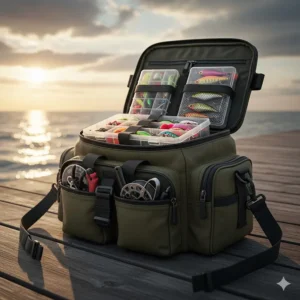
Rather than cramming everything into one massive box, adopt a modular approach using 3-4 specialized containers. Dedicate one Plano 3700 to flutter spoons and metal jigs, another to soft plastics and bucktails, a third to topwater plugs and swimmers, and a fourth to terminal tackle—hooks, swivels, leaders, and tools. This system lets you grab exactly what you need for specific conditions without sorting through unrelated tackle.
Waterproof boxes are non-negotiable for striper fishing. One rogue wave or unexpected rain squall will rust hooks, corrode swivels, and ruin expensive lures if your boxes lack proper seals. The Dri-Loc seal on Plano’s EDGE series has proven bombproof in rough conditions, while cheaper alternatives often leak despite waterproof claims.
Strategic Lure Selection and Maintenance
Stock 8-12 of your most productive lures rather than buying one of everything the tackle shop offers. Most striper specialists rely heavily on 4-5 proven patterns while carrying backups for specific conditions. Check treble hooks before each trip, replacing any with dull points or corroded finish. A $3 treble hook change prevents losing a trophy fish worth bragging about for years.
Organize lures by technique rather than brand or size. Group all your jigging lures together, topwater in another section, trolling gear in a third. This mental organization translates to faster lure changes when you need to match feeding behavior or adapt to changing conditions. Keep a permanent marker in your box to note particularly productive color combinations directly on dividers.
How to Choose Striped Bass Fishing Gear: 7-Step Process
1. Identify Your Primary Fishing Method Determine whether you’ll focus on surf casting, boat jigging, trolling, or live bait fishing, as each technique demands specific gear characteristics.
2. Match Rod Length to Fishing Location Select 7-8 foot rods for boat fishing or jetties where maneuverability matters, while 9-11 foot surf rods maximize casting distance from beaches.
3. Choose Reel Size Based on Target Fish Use 3000-4000 spinning reels for schoolie bass under 10 pounds, 5000-6000 for fish to 30 pounds, and conventional reels for trophy hunting.
4. Select Line Based on Water Depth Opt for 30lb braid for most applications, upgrading to 50lb around heavy structure or when targeting fish over 30 pounds.
5. Build Your Lure Arsenal Strategically Start with 6-8 flutter spoons in various colors and sizes, add soft plastics for versatility, then expand to topwater and trolling lures as needed.
6. Prioritize Quality Over Quantity Invest in one premium rod-reel combo rather than multiple budget outfits—quality gear performs better and lasts significantly longer.
7. Test and Adjust Based on Experience No combination works perfectly everywhere; gather intel from local tackle shops and adjust your setup based on actual fishing results.
Soft Plastic Lures for Versatile Striper Fishing
While flutter spoons dominate headlines, soft plastic swimbaits remain reliable producers across diverse striper fishing scenarios. These versatile lures excel when stripers feed on smaller baitfish or when you need finesse presentations in pressured waters.
Paddle Tail Swimbaits
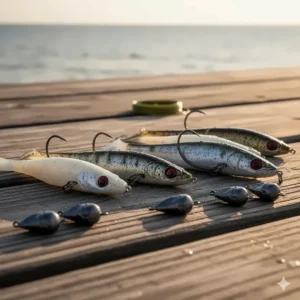
Three to five-inch paddle tails rigged on jigheads create realistic swimming action that stripers rarely refuse. The No Live Bait Needed (NLBN) paddle tail series has gained a cult following among striper specialists for their durability and fish-catching consistency. These baits work equally well cast-and-retrieved, vertically jigged, or slow-rolled across shallow flats.
White and pearl colors imitate sand eels and silversides, while chartreuse and pink excel in murky water or low-light conditions. Carry 15-20 soft plastics per trip, as toothy bluefish and aggressive stripers destroy baits quickly. The screw lock design on modern jigheads keeps baits secured without superglue, though a dab of adhesive on the jighead’s threads prevents spinning during aggressive retrieves.
Eel Imitations
Striped bass gorge themselves on eels during fall migrations, making realistic eel imitations deadly when fished properly. Rubber eels like the Hogy Protail or plastic versions work brilliantly retrieved slowly across rocky bottom or suspended under floats near tidal rips. The key is slow, deliberate retrieves that allow the eel to undulate naturally rather than racing through the water column.
Topwater Tactics and Plug Selection
Few experiences in fishing match the explosive visual of a 30-pound striper demolishing a topwater plug at first light. While topwater fishing produces fewer overall strikes than subsurface techniques, it delivers the most thrilling and memorable encounters.
Pencil Poppers vs. Swimming Plugs
Pencil poppers like the classic Gibbs create commotion that draws stripers from distance, especially effective in dawn and dusk feeding windows. Work these lures with rhythmic side-to-side sweeps that generate a walking action across the surface. When fish blow up but miss the lure, immediately pause 2-3 seconds before resuming your retrieve—stripers often return for a second strike.
Swimming plugs like the Daiwa SP Minnow or Cotton Cordell Red Fin produce steadier action for fish actively surface feeding. A straight, medium-speed retrieve keeps these lures working in the strike zone, though occasional pauses trigger following fish. Watch for boils or swirls behind the lure indicating interested fish, then alter your retrieve speed or add short twitches to trigger strikes.
Terminal Tackle Essentials Every Striper Angler Needs
Often overlooked, your terminal tackle—hooks, swivels, snaps, and leaders—plays crucial roles in presentation quality and fish-landing success. Cutting corners here costs you fish, while proper terminal tackle increases hookup ratios and prevents frustrating break-offs.
Circle Hooks vs. J-Hooks
Atlantic States Marine Fisheries Commission regulations now mandate non-offset circle hooks when fishing with bait to reduce mortality in catch-and-release striped bass fishery. Circle hooks work brilliantly when you resist the urge to set the hook traditionally—instead, simply reel tight when you feel weight, allowing the hook to rotate into the corner of the jaw. Sizes 5/0 to 8/0 cover most bait fishing applications from chunks to live eels.
J-hooks remain legal and preferred when using artificial lures, offering superior hookup ratios on aggressive strikes. Replace factory trebles on flutter spoons and plugs with high-quality alternatives like Owner ST-36 or Gamakatsu trebles—premium hooks penetrate better and maintain sharpness through multiple fish.
Swivels, Snaps, and Leader Material
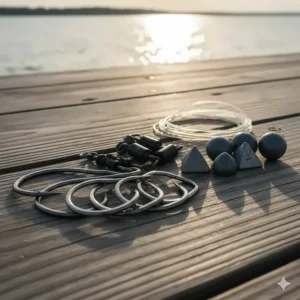
Ball bearing swivels prevent line twist when using spoons and spinners, critical for maintaining line strength and preventing tangles. Size #3-5 swivels handle most striper applications, though upgrade to #6-8 for trophy fishing. Duo-Lock snaps enable fast lure changes without retying, though some finicky stripers in clear, calm water prefer direct knot connections.
Fluorocarbon leader material in 40-60lb test provides abrasion resistance around rocky structure and reduced visibility in clear water. Keep pre-tied leaders with loops on both ends in your tackle box for quick rigging. Seaguar Blue Label fluorocarbon earns consistent praise from charter captains for superior knot strength and abrasion resistance when fishing around boat hulls, bridge pilings, and jetty rocks.
Seasonal Gear Adjustments for Year-Round Success
Striped bass behavior and location shifts dramatically throughout the year, requiring strategic gear adjustments to maintain consistent success. Understanding these seasonal patterns helps you select appropriate equipment and techniques for each time period.
Spring Trophy Season (March-May)
As water temperatures climb into the 50-65°F range, large pre-spawn and post-spawn females move into shallow water, creating exceptional trophy opportunities. Focus on live bait rigs with circle hooks or large soft plastics in the 7-9 inch range that imitate adult herring and bunker. Heavy tackle becomes necessary—these fish pull drag relentlessly in strong spring currents.
Target rocky shorelines, deep channels near river mouths, and tidal rips where current concentrates baitfish. Early mornings produce best, though trophy fish feed throughout overcast days. According to NOAA Fisheries research, many areas implement catch-and-release regulations during spawning periods, making proper fish handling equipment—rubber nets, dehookers, fish grips—absolutely essential.
Summer Action (June-August)
Warmer water pushes larger stripers offshore to deeper, cooler water or north toward Maine and Cape Cod, while schoolie bass fill estuaries and coastal rivers. Lighter gear shines during summer—7-foot medium power rods paired with 3000-4000 reels make catching 18-26 inch fish entertaining. Topwater action peaks during dawn and dusk, while midday fishing focuses on deeper holes and shaded structure.
Summer also brings bluefish, requiring wire leaders or heavy fluorocarbon to prevent bite-offs. Carry both striper and bluefish setups to adapt quickly when blues crash your striper party. Soft plastics and smaller swimbaits (3-4 inches) match the juvenile bunker and silversides that dominate summer striper diets.
Fall Blitz Season (September-November)
Fall represents striper fishing’s championship season as cooling water temperatures trigger massive feeding binges. Stripers pack on weight before winter, aggressively attacking baitfish schools from the Chesapeake Bay through Cape Cod. This period produces legendary blitzes where dozens of stripers simultaneously push bait to the surface, creating opportunities even beginners can capitalize on.
Flutter spoons absolutely dominate fall fishing, with 8-9 inch models matching the adult bunker stripers target relentlessly. Bring multiple rods rigged with different lure types—topwater for surface blitzes, flutter spoons for sub-surface fish, and live bait rigs for finicky feeders. Fall stripers aren’t subtle; they slam lures aggressively, making hooksets straightforward but demanding solid tackle to handle the fury.
Live Bait Rigs and Presentation Techniques
While artificial lures provide casting convenience and versatility, live bait consistently produces when targeting trophy striped bass, especially during tougher conditions when fish display selectivity. Mastering a few fundamental live bait rigs covers most situations.
The Fish Finder Rig
This classic setup allows bait to move naturally with current while keeping weight on bottom. Slide an egg sinker up your main line, followed by a bead to protect the knot, then tie to a barrel swivel. Attach 3-4 feet of leader material to the swivel’s other end, finishing with a 5/0-8/0 circle hook. This rig works brilliantly with cut bunker chunks, live eels, or spot presented near structure.
Adjust sinker weight based on current strength—just enough weight to maintain bottom contact without anchoring your bait immobile. In strong current, 4-6 ounces may be necessary, while calm conditions require only 1-2 ounces. When a striper picks up your bait, the line slides freely through the sinker, preventing the fish from feeling resistance that might cause it to drop the offering.
Livelining Techniques
Presenting lively baitfish—eels, bunker, herring—without weight allows incredibly natural presentations that trophy stripers find irresistible. Simply hook baitfish through the lips or behind the dorsal fin using appropriate circle hooks, then drift or cast to likely holding areas. The bait’s swimming action attracts stripers from distance while appearing as an easy, vulnerable meal.
This technique requires patience as you wait for stripers to fully commit before tightening the line and allowing circle hooks to work their magic. Avoid the instinct to set hooks traditionally—circle hooks need only steady pressure to rotate into the jaw corner. Many trophy stripers caught by East Coast charter captains fall to freelined live eels drifted through bridge pilings and deep channels at night.
Surf Fishing vs. Boat Fishing: Gear Adaptations
While striped bass gear shares common elements across fishing platforms, specific adaptations optimize your setup for either surf casting from beaches or fishing from boats.
Surf Fishing Specialization
Casting distance separates successful surf anglers from frustrated ones, requiring longer rods (9-11 feet), higher-capacity reels (6000+ size), and heavier lures or rigs (2-4 ounces) that punch through onshore winds. Conventional reels cast farther than spinning models but demand more skill, while modern spinning reels offer excellent distance with user-friendly operation.
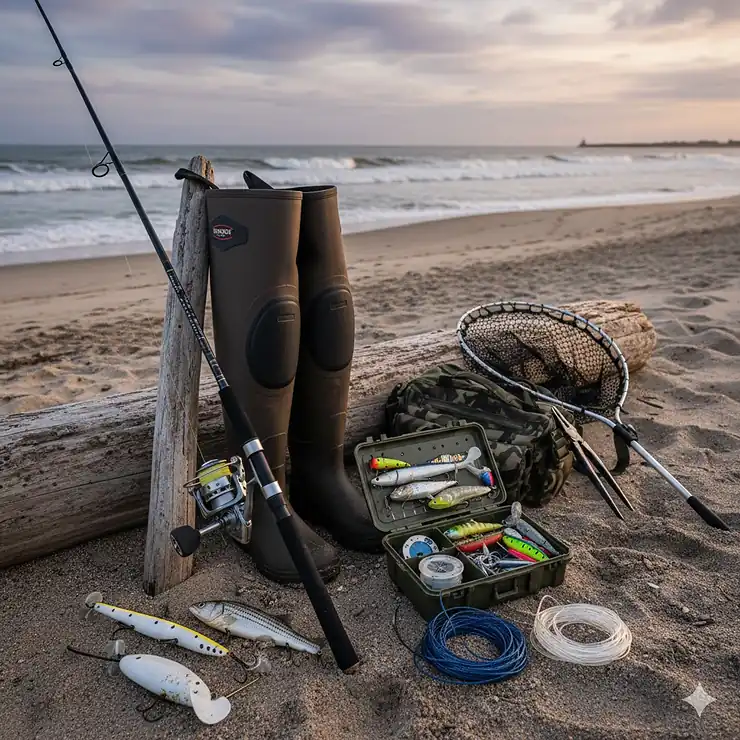
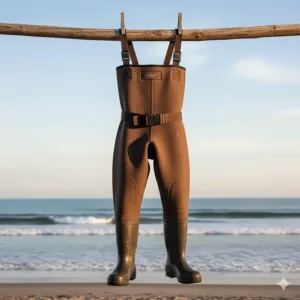
Surf bags or backpacks replace traditional tackle boxes, keeping gear accessible while wading. Include sand spikes for holding rods while baiting or tending multiple lines, and belt-mounted lure holders for quick artificial changes. Wading boots protect feet in rocky areas and provide warmth during spring and fall’s chilly dawn sessions. Check your local regulations regarding allowable rod numbers and bait restrictions before heading to the surf.
Boat Fishing Optimization
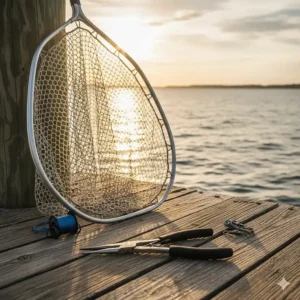
Shorter 7-8 foot rods provide better control in the confined space of boat decks while still offering adequate casting distance. Net selection becomes critical—rubber-coated nets prevent slime removal and hook tangling, critical for healthy releases. Many charter boats now mandate rubber nets to support conservation efforts.
Organize tackle in stackable boxes that fit boat storage while remaining accessible during active fishing. Keep rods rigged with different lure types in rod holders, allowing instant adaptation to changing feeding behavior. Boat-mounted rod holders also enable trolling multiple lines simultaneously, an effective technique for covering water when locating scattered fish.
Frequently Asked Questions About Striped Bass Fishing Gear
❓ What pound test line is best for striped bass fishing?
❓ Can you catch striped bass with a bass fishing rod?
❓ What's the best time of day for striped bass fishing?
❓ Do I need different gear for freshwater vs saltwater stripers?
❓ How much does a complete striped bass fishing setup cost?
Conclusion: Gearing Up for Striper Success
Selecting the right striped bass fishing gear transforms challenging outings into memorable success stories, but equipment represents only part of the equation. Time on the water, understanding tidal movements, locating baitfish, and adapting techniques to conditions ultimately determine your catch rate more than any single purchase.
Start with a solid foundation—a quality rod-reel combo like the PENN Battle III paired with PowerPro braided line covers 80% of striper fishing situations. Add a selection of flutter spoons in 7-9 inch sizes, basic soft plastics, and organized tackle storage through proven boxes like the Plano 3700 EDGE. This streamlined approach costs less than accumulating random gear while providing everything needed for consistent striper catches.
As you gain experience, expand your arsenal based on your preferred techniques and local conditions. Trophy hunters upgrade to heavier tackle and larger lures, surf specialists invest in longer rods and sand spikes, while boat anglers focus on trolling equipment and high-capacity reels. Remember that striped bass populations face management challenges requiring catch-and-release practices in many areas—prioritize fish-friendly landing tools, practice proper handling techniques, and support conservation efforts ensuring future generations enjoy this incredible fishery.
The silver-sided rush of a trophy striper’s first run remains one of fishing’s ultimate thrills. With proper gear selection and dedication to mastering techniques, your next personal best waits just one cast away. Now get out there and make it happen!
Recommended for You
- 7 Best Fishing Lures for Striped Bass 2026
- 7 Best Boat Fishing Inflatable Options in 2026
- 7 Best Fish Finder on a Kayak 2026: Expert Picks & Reviews
Disclaimer: This article contains affiliate links. If you purchase products through these links, we may earn a small commission at no additional cost to you.
✨ Found this helpful? Share it with your friends! 💬🤗
