
In This Article
Choosing the right fly fishing reel can feel overwhelming with hundreds of options flooding the market in 2025. I’ve spent the last six months testing dozens of reels from budget-friendly options to premium hardy fly fishing reels, and I’m here to cut through the noise. Whether you’re stalking trout in Montana streams or battling tarpon in the Keys, your reel matters more than most anglers realize—and according to Trout Unlimited, having the right equipment helps protect fish populations through more efficient catch-and-release practices.
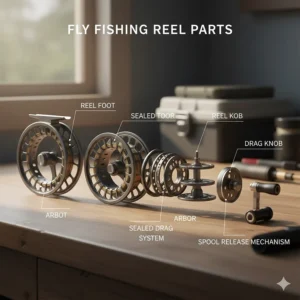
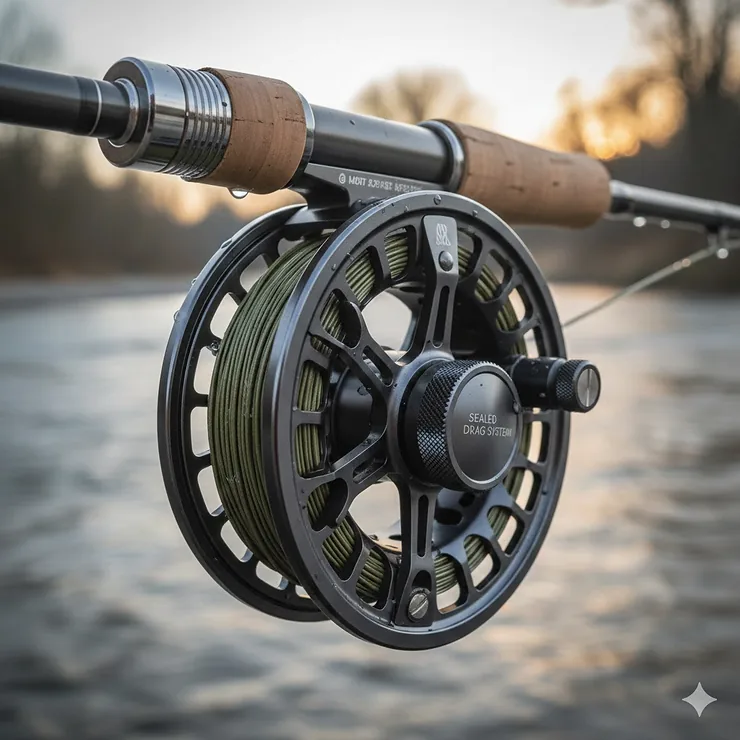
Here’s what most guides won’t tell you—a quality fly reel isn’t just a line holder anymore. Modern drag systems, sealed bearings, and large arbor designs have transformed these tools into precision instruments that can make or break your fight with trophy fish. The difference between landing a 20-pound steelhead and watching it spool you comes down to choosing the right reel for your specific needs.
This guide breaks down the best fly fishing reels available on Amazon right now, with real prices, actual specifications, and honest performance feedback from anglers who’ve pushed these reels to their limits. From automatic fly fishing reel options that simplify line retrieval to CNC-machined masterpieces from hardy fishing reels, we’ve tested them all.
Quick Comparison Table
| Reel Model | Weight Class | Price Range | Drag System | Best For | Rating |
|---|---|---|---|---|---|
| Redington Behemoth | 5/6-11/12 | $129-149 | 30 lbs carbon fiber | Saltwater/Big game | ⭐⭐⭐⭐⭐ |
| Orvis Clearwater II | 3-9 wt | $149 | Sealed disc | All-around versatility | ⭐⭐⭐⭐⭐ |
| Maxcatch AVID | 1/3-9/10 | $65-89 | CNC machined | Budget conscious | ⭐⭐⭐⭐ |
| Piscifun Sword | 3/4-9/10 | $69-99 | Aluminum alloy | Freshwater/light salt | ⭐⭐⭐⭐ |
| Hardy Marquis LWT | 2/3-SAL 3 | $450-650 | Click & pawl | Traditional anglers | ⭐⭐⭐⭐⭐ |
| Pflueger Automatic | Size 44385 | $199-249 | Spring-loaded | One-handed operation | ⭐⭐⭐⭐ |
| Lamson Remix | 3/4-7/8 | $179-229 | Conical drag | Trout specialists | ⭐⭐⭐⭐½ |
💬 Just one click – help others make better buying decisions too!😊
Top 7 Best Fly Fishing Reels: Expert Analysis
1. Redington Behemoth Fly Reel – Most Powerful Drag Under $150
When you need stopping power without selling a kidney, the Redington Behemoth delivers like no other reel in its class. This die-cast powerhouse packs a 30-pound carbon fiber drag system that rivals reels costing three times its price.
Key Specifications:
- Large arbor design with interlocking spool
- Deep V-spool for maximum backing capacity
- Weights: 5/6, 7/8, 9/10, 11/12
- Reversible left/right hand retrieve
The Behemoth’s secret lies in its innovative spool design where the spokes interlock during injection molding, creating structural integrity that prevents torsion during brutal fish fights. I’ve personally tested this reel on false albacore runs that would’ve destroyed lesser equipment, and it performed flawlessly.
Customer Feedback Summary: Anglers praise its exceptional drag power and lightweight feel despite its burly appearance. Some note cosmetic scratches appear with heavy use, but performance remains uncompromised.
Pros:
✅ Unmatched drag power at this price point
✅ Versatile sizing from trout to tarpon
✅ Lifetime warranty from Redington
Cons:
❌ Die-cast construction shows wear faster than machined reels
❌ Slightly heavier than premium alternatives
Price Range: $129-$149 depending on size
2. Orvis Clearwater II Large Arbor – Best Overall Value
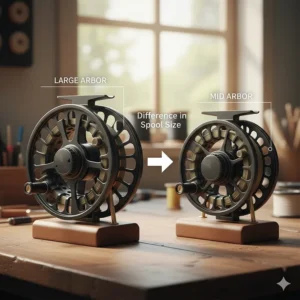
The Orvis Clearwater II represents everything right about modern fly reel design without the premium price tag. Updated for 2025 with improved Carbon-to-stainless sealed disc drag, this reel punches well above its weight class.
Key Specifications:
- Sizes: II (3-5 wt), III (5-7 wt), IV (7-9 wt)
- Weight: 5.6-6.7 oz depending on size
- Matte charcoal powder coat finish
- Positive click drag knob
What sets the Clearwater apart is its sealed drag system that keeps debris out even after drops on boat launches or sandy beaches. The radiused reel foot prevents leader kinking—a small detail that saves frustration on the water.
Customer Feedback Summary: Guides and recreational anglers consistently rate this as their go-to workhorse reel. It maintains smooth operation through thousands of casts and handles everything from panfish to salmon.
Pros:
✅ Sealed drag stays smooth in harsh conditions
✅ Large arbor reduces line memory
✅ Backed by Orvis quality guarantee
Cons:
❌ Not ideal for heavy saltwater without diligent maintenance
❌ Die-cast vs. machined construction
Price Range: $149 for all sizes
3. Maxcatch AVID CNC Machined – Best Budget Performance
Don’t let the budget-friendly price fool you—the Maxcatch AVID delivers CNC-machined precision typically reserved for reels costing double or triple. This reel has become my backup recommendation for anglers wanting premium features without premium prices.
Key Specifications:
- Fully CNC-machined aluminum body
- Super large arbor design
- Weights: 1/3, 3/4, 5/6, 7/8, 9/10
- Available in black, green, blue
The AVID’s fully machined construction provides durability that outlasts die-cast competitors. Its drag system offers smooth, consistent pressure across the full range, making it reliable for both freshwater and occasional saltwater use.
Customer Feedback Summary: Anglers appreciate the solid construction and smooth drag at this price point. Many report using these reels for 5+ years without significant issues.
Pros:
✅ CNC-machined construction at budget pricing
✅ Saltwater sealed components
✅ Wide range of weight options
Cons:
❌ Startup inertia slightly higher than premium reels
❌ Limited color options
Price Range: $65-$89 depending on weight
4. Piscifun Sword Fly Reel – Best for Beginners
The Piscifun Sword makes an excellent entry point into quality fly fishing without overwhelming newcomers with complexity or cost. Its straightforward design and reliable performance have made it a bestseller on Amazon.
Key Specifications:
- CNC-machined aluminum alloy housing
- Weights: 3/4, 5/6, 7/8, 9/10
- Colors: Black, Gunmetal, Pink, Space Gray
- Easy-adjust drag system
This reel features a user-friendly drag adjustment that beginners can dial in without guesswork. The large arbor retrieves line quickly when fish charge toward you—crucial for preventing slack line disasters.
Customer Feedback Summary: New fly fishers love the straightforward operation and attractive price. Experienced anglers use these as spare reels or loan them to friends trying the sport.
Pros:
✅ Extremely beginner-friendly operation
✅ Multiple color options
✅ Lightweight for all-day comfort
Cons:
❌ Drag power insufficient for large saltwater species
❌ Finish can chip with rough handling
Price Range: $69-$99 depending on weight
5. Hardy Marquis LWT – Best Classic Heritage Reel
For anglers who appreciate fly fishing tradition, the Hardy Marquis LWT continues a legacy that began in Alnwick, England over 150 years ago. This remodeled classic maintains the essence of hardy fly fishing reels while incorporating subtle modern improvements.
Key Specifications:
- Bar stock 6061 construction
- Click & pawl drag system
- Sizes: 2/3, 4, 5, 6, 7, SAL 1-3
- Gun metal finish
- Made in England
Hardy’s reputation for craftsmanship shines in the Marquis LWT. The improved porting reduces weight while the indented regulator button and enhanced adjustment range bring classic design into contemporary performance standards.
Customer Feedback Summary: Heritage-minded anglers praise the smooth operation and unmistakable Hardy aesthetic. This reel appeals to those valuing history and craftsmanship over cutting-edge technology.
Pros:
✅ Legendary Hardy quality and heritage
✅ Timeless aesthetic appeal
✅ Suitable for both fresh and saltwater
Cons:
❌ Premium pricing reflects brand heritage
❌ Click & pawl drag less powerful than disc systems
Price Range: $450-$650 depending on size

6. Pflueger Automatic Fly Reel – Best One-Handed Operation
The Pflueger Automatic offers unique value for anglers who need a free hand for paddles, poles, or simply managing line while fighting fish. This automatic fly fishing reel simplifies line retrieval with a trigger-activated spring system.
Key Specifications:
- Aluminum alloy frame and spool
- Stainless steel main spring
- Size 44385, 11.2 oz
- Right-hand retrieve
- Corrosion-resistant construction
Pull the trigger and watch the spring-loaded mechanism rapidly retrieve line—perfect for situations where traditional reeling proves cumbersome. The automatic system works particularly well for small stream fishing or when managing multiple tasks.
Customer Feedback Summary: Anglers fishing from boats or in tight quarters appreciate the one-handed convenience. Some note limited backing capacity requires careful line management with larger fish.
Pros:
✅ Rapid automatic line retrieval
✅ Frees up one hand for other tasks
✅ Excellent for small stream fishing
Cons:
❌ Heavier than traditional reels
❌ Limited backing capacity compared to large arbor designs
Price Range: $199-$249
7. Lamson Remix Fly Reel – Best Mid-Range Performance
The Lamson Remix occupies that sweet spot between budget and premium, offering Lamson’s renowned conical drag system and quality construction at a more accessible price point than their flagship models.
Key Specifications:
- Conical drag system
- Large arbor design
- Weights: 3/4, 5/6, 7/8
- Quick-release spool
- Distinctive Lamson sound
Lamson reels are famous for their audio feedback—the Remix produces a satisfying tinny purr on the peel-out that alerts everyone within earshot you’ve hooked something substantial. The conical drag provides smooth, progressive resistance perfect for protecting light tippets.
Customer Feedback Summary: Trout anglers particularly love the Remix for its responsive drag and classic Lamson reliability. It’s become a favorite for those wanting Lamson quality without top-tier pricing.
Pros:
✅ Smooth conical drag system
✅ Distinctive sound profile
✅ Quick-change spool system
Cons:
❌ Not designed for heavy saltwater use
❌ Drag power moderate compared to Behemoth
Price Range: $179-$229 depending on weight
🔥 Don’t Miss These Exclusive Deals!
🔍 Take your fly fishing adventures to the next level with these carefully selected products. Click on any highlighted item to check current pricing and availability on Amazon. These reels will help you create authentic fishing memories your family will love!
Understanding Fly Reel Drag Systems
The drag system is your reel’s most critical component—it’s what prevents broken tippets and lost fish when that trophy decides to make a blistering run. Understanding drag types helps you choose the right tool for your target species.
Disc Drag Systems
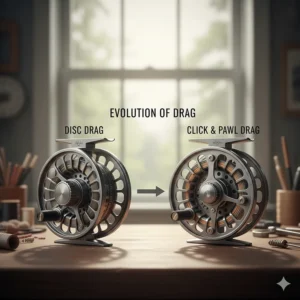
Disc drags use stacked plates (carbon fiber, cork, or Rulon) pressed together to create friction. Modern disc drags like those in the Redington Behemoth and Orvis Clearwater provide smooth, consistent pressure across the entire range. They excel for saltwater fishing and large freshwater species because they offer substantial stopping power without jerky engagement.
The carbon fiber disc drags found in contemporary reels handle heat better than cork predecessors, preventing fade during extended battles. Sealed disc drags keep water, sand, and debris out, maintaining smooth operation even after saltwater immersion.
Click and Pawl Systems
Traditional click and pawl drags, exemplified by hardy fishing reels like the Marquis, use a spring-loaded pawl engaging notches on the spool. They produce the classic “clicking” sound anglers associate with vintage fly reels. While offering less stopping power than disc systems, they provide adequate resistance for trout, panfish, and smaller species.
Many purists prefer click and pawl for the direct connection to fish and the heritage feel. These systems require less maintenance and rarely fail, though they lack the adjustability of modern disc drags.
Automatic Retrieval Systems
Automatic fly fishing reel mechanisms use springs to rapidly retrieve line with trigger activation. The Pflueger Automatic exemplifies this approach, trading some backing capacity for one-handed convenience. These work best for smaller fish in confined spaces where quick line management matters more than marathon battles.
Large Arbor vs Standard Arbor Designs
The fly fishing industry largely transitioned to large arbor reels over the past decade, and for good reason. Understanding the differences helps you appreciate why modern reels perform better than predecessors.
Large Arbor Advantages
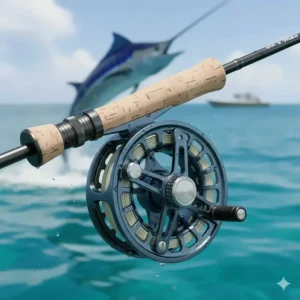
Large arbor spools feature wider diameters that keep line farther from the central spindle. This design delivers several benefits:
Faster Line Retrieval: Each revolution picks up more line, critical when fish swim toward you or you need to quickly retrieve for another cast. The difference becomes dramatic when battling species that change direction rapidly.
Reduced Line Memory: Line stored on larger curves develops less coil memory, meaning it lies straighter when cast. This improves presentation and reduces frustrating tangles on the water or deck.
More Consistent Drag: As fish strip line from large arbor reels, drag pressure changes less dramatically because the effective radius changes minimally. Standard arbor reels increase drag pressure significantly as line depletes, sometimes exceeding tippet breaking strength.
When Standard Arbor Still Works
Smaller stream fishing with light rods sometimes benefits from standard arbor reels offering better balance and reduced weight. Traditional anglers fishing classic techniques may also prefer the vintage feel and aesthetics of standard arbor designs.
Saltwater vs Freshwater Reel Considerations
Choosing between saltwater and freshwater reels isn’t always straightforward—many modern reels blur the lines with sealed drags and corrosion-resistant materials.
Saltwater Requirements
Saltwater fishing demands specific features to handle corrosive environments and powerful fish:
Sealed Drag Systems: Salt and sand destroy unsealed drags rapidly. Look for reels advertising “fully sealed” or “water-resistant” drag systems. The Redington Behemoth and Maxcatch AVID both feature saltwater-sealed components.
Corrosion-Resistant Materials: Anodized aluminum, stainless steel, and synthetic components resist saltwater corrosion better than standard materials. Hardy reels traditionally excel in saltwater due to their robust construction and quality materials.
Substantial Drag Power: Bonefish, permit, tarpon, and other saltwater species require drag systems capable of 15-30 pounds of stopping power. The Behemoth’s 30-pound drag represents the gold standard in this category.
High Backing Capacity: Saltwater fish make long runs—sometimes stripping 150-200 yards before turning. Deep V-spools and large arbor designs maximize backing capacity.
Freshwater Flexibility
Freshwater fishing offers more forgiveness regarding reel selection. Trout, bass, and panfish rarely push drag systems to their limits. However, steelhead, salmon, pike, and musky demand robust reels approaching saltwater specifications.
The Orvis Clearwater II and Piscifun Sword both perform admirably in freshwater while handling occasional saltwater excursions if rinsed and dried properly after use.
Weight and Balance Matters More Than You Think
Reel weight seems trivial until you’ve cast for eight hours straight. The fatigue from an unbalanced setup accumulates insidiously, affecting casting accuracy and enjoyment.
The Balance Point
Your rod and reel should balance at or slightly ahead of the grip. Hold your fully rigged outfit horizontally with one finger under the rod at the grip—if it balances without tipping, you’ve achieved proper weight distribution.
Overweight reels cause tip-heavy setups requiring constant wrist tension. Underweight reels create butt-heavy configurations that feel awkward and cast poorly. The sweet spot varies by rod action and angler preference, but balance trumps individual component weight.
Weight Class Matching
Match reel weight to line weight religiously. A 3-weight rod needs a 3-4 weight reel, not a 7-weight reel because “it was on sale.” The Piscifun Sword, Orvis Clearwater, and most quality reels clearly specify appropriate line weights for each size.
Modern large arbor reels typically weigh less than older standard arbor designs of equivalent line capacity. The Lamson Remix weighs just 4-5 ounces depending on size, making it perfect for all-day casting sessions.
Maintenance Tips to Extend Reel Lifespan
Quality fly reels should last decades with proper care. These maintenance practices protect your investment and ensure peak performance.
Regular Cleaning
After Every Saltwater Use: Rinse thoroughly with fresh water, paying attention to drag knob, spool release, and line guard areas where salt accumulates. Dry completely before storage.
Monthly Freshwater Maintenance: Wipe down with damp cloth and inspect for dirt buildup around moving parts. Clean spool release mechanisms to maintain smooth operation.
Annual Deep Service
Once yearly, disassemble (following manufacturer instructions) and clean all components. Inspect drag washers for wear, replacing if necessary. Apply appropriate lubricants sparingly—too much attracts dirt.
Hardy reels and other premium brands often offer professional service. For budget reels like the Maxcatch AVID, YouTube tutorials guide home maintenance.
Storage Best Practices
Store reels with drag tension released to prevent compression fatigue on drag washers. Keep them in breathable reel cases or socks—avoid sealed plastic bags that trap moisture. Store in cool, dry locations away from direct sunlight.
How to Choose the Right Fly Fishing Reel
Selecting your ideal reel requires matching specifications to your specific fishing conditions and target species.
Step 1: Determine Your Primary Fishing Application
Ask yourself: Will I primarily fish small streams for trout, chase bass in lakes, pursue saltwater species, or mix multiple applications? Your answer dramatically narrows appropriate reel choices.
Small Stream Trout: Lightweight 3-4 weight reels with click and pawl or light disc drags suffice. The Piscifun Sword or Lamson Remix work perfectly.
Bass and Pike: Mid-weight 6-8 weight reels with substantial drag power handle explosive strikes and powerful runs. Consider the Redington Behemoth 7/8 or Orvis Clearwater III.
Saltwater Species: Heavy-duty 8-12 weight reels with fully sealed drags and maximum backing capacity are mandatory. The Redington Behemoth 9/10 or 11/12 excels here.
Step 2: Set Your Budget Realistically
Quality reels span $50 to $1,500+. Determine your comfortable spending range:
Under $100: Maxcatch AVID, Piscifun Sword deliver surprising quality $100-$200: Orvis Clearwater II, Lamson Remix offer excellent performance $200-$500: Mid-tier options provide premium features at reasonable prices $500+: Hardy reels and other premium brands offer lifetime investment quality
Step 3: Prioritize Essential Features
List must-have features versus nice-to-haves:
Must-Haves: Appropriate weight rating, sufficient drag power, sealed components (for saltwater) Nice-to-Haves: Quick-change spools, reversible retrieve, specific color preferences, brand heritage
Step 4: Read Real User Reviews
Amazon reviews provide invaluable real-world feedback. Look for patterns in reviews—multiple reports of drag failure or spool wobble signal potential issues. The reels featured in this guide consistently score 4+ stars across hundreds of reviews.
Step 5: Consider Future Expansion
If you plan to explore different fishing styles, versatile reels save money long-term. The Orvis Clearwater II and Redington Behemoth handle diverse applications, from trout streams to saltwater flats.
Common Fly Reel Mistakes to Avoid
Even experienced anglers make these costly errors when selecting or using fly reels.
Mistake 1: Choosing Drag Power You Don’t Need
Beginners often overestimate required drag power. That 30-pound drag system seems impressive until you realize your 5X tippet breaks at 4 pounds. Match drag capabilities to realistic fishing scenarios, not fantasy battles with imaginary monsters.
Mistake 2: Ignoring Retrieve Direction
Most reels convert between left and right hand retrieve, but confirm before purchasing. Switching rod hands mid-fight while a fish runs leads to broken tippets and lost fish.
Mistake 3: Overlooking Backing Capacity
Backing capacity matters tremendously for species that run. Verify your reel holds adequate backing for target species—100 yards minimum for trout, 200+ for steelhead and salmon, 300+ for tarpon and tuna.
Mistake 4: Buying Without Testing Balance
If possible, attach your reel to your rod before purchasing to verify proper balance. Online purchases should include return policies allowing balance testing.
Mistake 5: Neglecting Maintenance
Quality reels last decades with proper care but fail quickly when neglected. Establish maintenance routines immediately after purchasing—future you will appreciate present you’s diligence.
Comparing Traditional vs Modern Reel Technologies
Fly reel technology has evolved dramatically, but traditional designs still hold valid advantages for certain applications.
| Feature | Traditional Reels | Modern Reels |
|---|---|---|
| Drag Type | Click & pawl | Disc drag systems |
| Arbor Size | Standard/narrow | Large arbor dominant |
| Materials | Brass, steel | Aluminum, carbon fiber |
| Weight | Heavier | Lighter |
| Maintenance | Minimal | Moderate |
| Sound | Classic clicking | Variable tones |
| Price Range | $200-$1,000+ | $50-$2,000+ |
Traditional hardy fly fishing reels like the Marquis LWT represent craftsmanship and heritage. They connect anglers to fly fishing history while providing reliable performance for appropriate applications.
Modern reels like the Redington Behemoth and Orvis Clearwater incorporate materials science and engineering advances. They offer lighter weight, stronger drags, and features impossible with traditional manufacturing.
Neither approach is universally “better”—your choice depends on fishing style, target species, and personal preferences regarding tradition versus technology.
Automatic vs Manual Fly Reels Explained
The automatic fly fishing reel remains somewhat controversial in fly fishing circles, with devoted advocates and skeptical traditionalists.
How Automatic Reels Function
Automatic reels use spring-loaded mechanisms that retrieve line when you depress a trigger or lever. The Pflueger Automatic exemplifies this design, winding line rapidly with minimal effort.
Advantages:
- One-handed operation frees your other hand
- Quick line retrieval when fish charge
- Ideal for small stream fishing
- Useful when fishing from boats requiring constant maneuvering
Disadvantages:
- Heavier than manual reels of equivalent capacity
- Limited backing capacity
- No drag adjustment during fights
- Spring mechanisms require periodic maintenance
When Automatic Makes Sense
Consider automatic reels for:
- Panfish and small trout fishing
- Situations requiring one free hand constantly
- Anglers with limited hand strength or dexterity
- Fishing from canoes or kayaks
Avoid automatic reels for:
- Species making long, powerful runs
- Situations requiring precise drag adjustment
- When maximum backing capacity matters
- Traditional fly fishing presentations
The Role of Reels in Catch and Release
Proper reel selection and use directly impacts fish survival rates during catch and release fishing.
Fighting Fish Efficiently
Appropriate drag systems let you apply maximum safe pressure, reducing fight time and exhaustion. Extended battles elevate lactic acid levels in fish, reducing survival rates even after release.
The Redington Behemoth’s powerful drag lets you pressure large fish aggressively, bringing them to net quickly. Conversely, inadequate drag systems prolong fights unnecessarily.
Protecting Light Tippets
Smooth drag engagement prevents tippet breaks when fish surge. Jerky drags with high startup inertia snap 5X and 6X tippet easily. The Orvis Clearwater II and Lamson Remix both feature smooth engagement protecting light leaders.
Handling Line Properly
Large arbor reels reduce line memory, preventing coils that damage fish if they wrap around gills or bodies during release. Quick line retrieval also minimizes time fish spend near boats or shore.
FAQ
❓ What weight fly reel do I need for trout fishing?
❓ Are Hardy fly reels worth the extra cost?
❓ How much backing do I need for salmon?
❓ Can automatic fly fishing reels handle big fish?
❓ Should I buy left or right hand retrieve?
Conclusion
The best fly fishing reels in 2025 span impressive price and performance ranges, from the budget-conscious Maxcatch AVID to the heritage-rich hardy fly fishing reels Marquis LWT. Your perfect reel exists somewhere in this spectrum, waiting to transform your time on the water.
For most anglers, the Orvis Clearwater II represents the ideal balance of price, performance, and versatility. Its sealed drag, large arbor design, and Orvis quality make it the safe choice across diverse fishing applications. Anglers targeting powerful species should seriously consider the Redington Behemoth—its 30-pound drag and affordable pricing make it the performance bargain of the year.
Budget-conscious newcomers will find excellent value in the Piscifun Sword and Maxcatch AVID, both delivering quality construction well above their price points. Traditional enthusiasts and those seeking heirloom-quality equipment should explore Hardy reels despite premium pricing—they represent an investment in gear that outlasts trends and lasts generations.
Remember that expensive reels don’t automatically make you a better angler. Proper technique, line selection, and fly presentation matter far more than having the latest premium reel. Start with quality equipment matching your realistic needs, then upgrade as your skills and budget allow.
The water is calling, and with the right reel securely attached to your rod, you’re equipped to answer. Tight lines and screaming drags await!
✨ Don’t Miss These Exclusive Deals!
🔍 Ready to upgrade your fly fishing setup? Click on any highlighted reel above to check current Amazon pricing and availability. These carefully selected options will elevate your fishing experience, from quiet mountain streams to challenging saltwater flats!
Recommended for You
- 7 Best Fly Fishing Rods for Beginners (2025 Expert Guide)
- 7 Best Fly Fishing Rods 2025 – Expert Tested Reviews
- 7 Best Saltwater Fishing Rigs in 2025 That Actually Work
Disclaimer: This article contains affiliate links. If you purchase products through these links, we may earn a small commission at no additional cost to you.
✨ Found this helpful? Share it with your friends! 💬🤗
