
In This Article
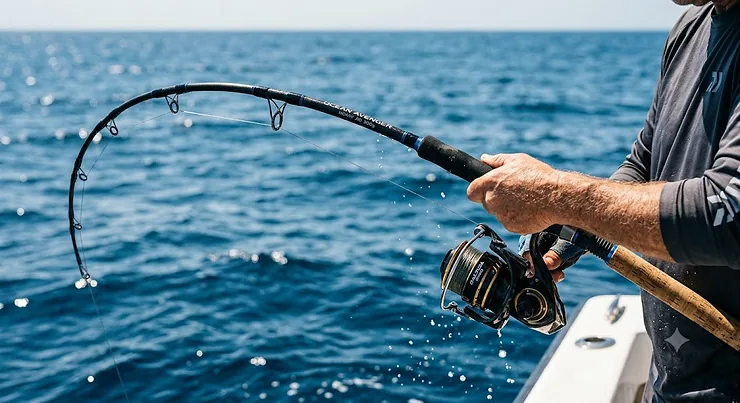
A good jigging rod saltwater setup is the difference between watching your jig flutter uselessly and feeling every single tap from forty feet down. In plain terms, a jigging rod saltwater is a short, sensitive, heavily reinforced rod built to work a metal lure up and down through the water column instead of casting it out and reeling it back. That vertical motion is what separates jigging from almost every other style of saltwater fishing, and it’s why the gear matters so much more here than it does for, say, tossing a topwater plug at dawn.
I’ve spent the last few weeks digging through spec sheets, warranty pages, and the messy, contradictory world of angler forums to figure out which rods actually earn their price tags in 2026. This isn’t a copy-paste of Amazon bullet points — it’s a breakdown of what each rod’s construction actually means once you’re three hours offshore with a bent rod and burning forearms. Whether you’re chasing amberjack on a vertical jigging stick, working a butterfly jig rod for wahoo, learning speed jigging for tuna, dropping baits with deep drop jigging gear for tilefish, or running general offshore jigging setups for whatever swims by, there’s a rod below built for it.
We’ll cover seven real rods spanning budget to flagship, then dig into how to choose, common buying mistakes, and the safety realities of fishing hundreds of feet down. Prices below are shown as ranges only, since retail pricing shifts constantly — always check current pricing before buying. Jigging itself is rooted in a jerky, vertical retrieve style that mimics injured baitfish, which is what separates it from lures worked horizontally through the water, as Wikipedia’s overview of the technique explains in more depth.
Quick Comparison Table: Jigging Rod Saltwater at a Glance
| Rod | Best For | Price Range | Power |
|---|---|---|---|
| PENN Carnage III | Offshore all-rounder | $150–$220 | Medium-Heavy |
| Shimano Trevala B | Butterfly jig rod work | $220–$260 | Medium-Light to Heavy |
| St. Croix Mojo Jig | Vertical jigging value | $190–$230 | Medium to XH |
| PENN Squadron IV | Budget jigging | $90–$140 | Medium-Heavy |
| Daiwa Saltiga Light Jigging | Speed jigging | $470–$520 | Light to Medium |
| Blackfin Deep Stix Slow Pitch | Deep drop jigging | $180–$260 | Heavy |
| Daiwa Saltiga Slow Pitch Jigging | Premium slow-pitch feel | $550–$600 | Medium |
Looking at the spread above, there’s a clear split between crossover rods that jig and cast equally well, like the PENN Carnage III and Shimano Trevala B, versus purpose-built specialists like the Daiwa Saltiga Slow Pitch Jigging rod, which sacrifices casting range for tip sensitivity. Budget-conscious anglers shouldn’t dismiss the PENN Squadron IV either — it covers a shocking amount of ground for the price, even if it can’t match the blank technology of the Saltiga line. If your trips mix bottom fishing with jigging on the same day, prioritize a rod that appears in both the “offshore all-rounder” and “vertical jigging” categories rather than buying two specialists right away.
💬 Already narrowing down your pick? Scroll to the full breakdown below and check current availability before your next trip!
💬 Just one click — help others make better buying decisions too!😊
Top 7 Jigging Rod Saltwater Picks: Expert Analysis
1. PENN Carnage III — battle-tested reel seat built for big tuna
The standout here is the reel seat: a Fuji graphite-and-aluminum design shaped to cup comfortably in one hand, which matters more than it sounds once you’ve jigged for three hours straight. The rod runs a durable graphite composite blank paired with rubberized, shrink-wrapped grips that stay tacky even when coated in fish slime — a small detail that keeps your hands from slipping mid-fight. Based on the spec comparison with other crossover jigging rods, the aluminum gimbal is the real differentiator, since it locks securely into a fighting belt when a big fish doubles the rod over. This is a genuine do-it-all stick for anglers who want one rod that jigs, bottom fishes, and casts iron at breaking baitfish without feeling undergunned. Reviewers consistently report that the Carnage III holds up well against yellowfin tuna and large bottom fish, though the rod currently ships in a narrower size range than some competitors, which limits how finely you can match it to lighter jigs. What most buyers overlook is that this rod pairs best with a reel in the same weight class — undersizing the reel wastes the blank’s lifting power.
Pros:
- ✅ Reinforced Fuji reel seat handles sustained heavy drag pressure
- ✅ Rubberized grips stay secure even when wet or slimy
- ✅ Aluminum gimbal seats cleanly into a fighting belt
Cons:
- ❌ Limited size range compared to dedicated jigging lines
- ❌ Heavier in hand than lighter speed-jigging specialists
At the time of research, the PENN Carnage III sits in the $150–$220 range, and for anglers who want one rod to handle multiple offshore techniques, it’s a strong value.
2. Shimano Trevala B — the original butterfly jig crossover rod
The standout feature is TC4 construction, Shimano’s blend of T-Glass and high-modulus graphite wrapped in a double spiral, which is what gives this butterfly jig rod its distinctive snap-back action after a hookset. Key specs include Fuji Alconite and Hardloy guides plus a rubber gimbal with a removable butt cap, meaning the rod transitions from stand-up jigging to rail-braced fighting without swapping gear. Here’s what to weigh: this series essentially introduced the Japanese-style butterfly jigging system to U.S. anglers, and the rod is purpose-tuned to work with fast, high-power reels rather than standard bottom-fishing setups. Reviewers consistently note the rod’s lighter overall weight compared to older Trevala generations, crediting the optimized guide train for better all-day balance. A common theme in owner feedback is that the softer-tipped models excel at working lighter butterfly jigs but feel underpowered against true giant amberjack, so matching the specific Trevala model to your target species matters more here than with most crossover rods. What the spec sheet won’t tell you, but owners note, is that the EVA grip shape takes a session or two to feel natural if you’re used to standard cork handles.
Pros:
- ✅ TC4 blank delivers durability without excess weight
- ✅ Removable butt cap adapts to stand-up or rail fighting
- ✅ Purpose-built guide train suits fast high-speed reels
Cons:
- ❌ Lighter models can feel underpowered on the biggest fish
- ❌ EVA grip takes some adjustment for cork-grip loyalists
Currently priced in the $220–$260 range, the Shimano Trevala B remains the benchmark most other butterfly jig rods are measured against.
3. St. Croix Mojo Jig — USA-engineered value for vertical jigging
The standout advantage is St. Croix’s Advanced Reinforcing Technology, which adds exotic carbon fiber reinforcement without increasing blank diameter or weight — engineering language for “stronger hookset, same feel.” Built specifically for saltwater vertical jigging, the blank blends SCII graphite with an exclusive resin system, then adds Sea Guide guides with corrosion-resistant frames, a real concern given how brutal saltwater spray is on cheaper components. Based on the spec comparison, what most buyers overlook about this model is the Fuji palming reel seat, designed so your palm rests directly against the blank for better feedback on every jig stroke, rather than through a bulky seat. A common theme in review sentiment is praise for the rod’s balance and finish quality relative to price, though a handful of owners note the guides feel modest for a rod at this tier and that certain power ratings run stiffer than expected for finesse jigging. This rod suits intermediate anglers upgrading from a generic boat rod who want a dedicated vertical jigging tool without stepping into four-figure territory.
Pros:
- ✅ ART reinforcement adds strength with no added bulk
- ✅ Corrosion-resistant guide frames suit heavy saltwater use
- ✅ Palming reel seat improves strike feedback
Cons:
- ❌ Guide hardware feels basic for the price tier
- ❌ Heavier power ratings run stiffer than some finesse anglers prefer
At around $190–$230, the St. Croix Mojo Jig is one of the more balanced value plays in vertical jigging.
4. PENN Squadron IV Jigging — the most affordable true jigging stick
The standout here is versatility on a budget: this rod castability also allows anglers to cast or jig, meaning it isn’t locked into one narrow technique like some ultra-specialized slow-pitch blanks. In the medium-heavy configuration with 20-pound braid, it handles metals, bucktails, and irons cast at busting baitfish equally well as it does working lures deep, which is exactly the kind of crossover flexibility a beginner needs before investing in a specialist rod. Here’s what to weigh: this isn’t the rod for anglers chasing ultra-light custom slow-pitch jigs with exact gram specifications, since the blank prioritizes broad usefulness over finesse precision. Aggregated owner sentiment describes it as a reliable, no-drama rod for anglers just getting into jig fishing, with the main complaint being that the blank feels noticeably less refined than premium siblings in the same PENN lineup. On paper this means it’s the rod to recommend to someone who isn’t sure yet whether jigging will become their main technique or a once-a-season activity.
Pros:
- ✅ Handles both casting and jigging duties in one stick
- ✅ Medium-heavy power suits a wide range of species
- ✅ Low price removes the barrier to trying jigging
Cons:
- ❌ Not refined enough for precision slow-pitch presentations
- ❌ Blank feel is noticeably plainer than premium siblings
Typically found in the $90–$140 range, the PENN Squadron IV Jigging rod earns its spot as the entry point most beginners should start with.
5. Daiwa Saltiga Light Jigging — fastest-loading blank for speed jigging
The standout feature is a blank engineered specifically for the rapid, high-repetition strokes that define speed jigging, where the goal is triggering reaction strikes from fast-moving pelagics rather than working a slow, deliberate cadence. Daiwa’s Saltiga lineup uses high-modulus carbon construction designed to load and unload quickly, so energy from your jig stroke transfers to the lure almost instantly instead of getting absorbed by a sluggish blank. Based on the spec comparison with the heavier Saltiga Slow Pitch model in this same lineup, the Light Jigging version trades raw lifting power for a faster recovery rate, which is exactly the tradeoff serious speed jiggers want. What most buyers overlook about premium jigging blanks like this one is that the componentry, not just the carbon, drives the price — you’re paying for guide trains and reel seats engineered to survive thousands of repetitive strokes without loosening. Reviewers in enthusiast forums consistently frame this tier of Saltiga rod as an investment for anglers who jig frequently enough that blank fatigue and component wear actually become real concerns, rather than casual users.
Pros:
- ✅ Fast-loading blank suits rapid speed-jigging cadence
- ✅ Premium componentry built for repetitive stroke fatigue
- ✅ Lighter overall weight reduces angler fatigue on long drops
Cons:
- ❌ Premium price limits this to committed jigging anglers
- ❌ Less raw lifting power than heavier Saltiga siblings
Around the $470–$520 mark, the Daiwa Saltiga Light Jigging rod is a serious tool for anglers who jig often enough to justify it.
6. Blackfin Deep Stix Slow Pitch — purpose-built for heavy deep-drop jigs
The standout advantage is jig-weight range: this rod is built specifically for 120- to 300-gram jigs, which puts it squarely in deep drop jigging territory for species holding several hundred feet down. Constructed from 100% solid Toray carbon, the blank is engineered for durability while staying lighter in hand than the jig weights it’s rated for would suggest. Here’s what to weigh: Blackfin is a direct-to-consumer brand rather than a big-box name, which keeps pricing competitive but means the company leans on its own warranty and support rather than wide retail distribution. Aggregated review sentiment on direct-to-consumer rod brands like this one tends to praise the value-for-carbon-quality ratio, since cutting out traditional retail markup lets brands like Blackfin spec higher-grade blanks at lower price points. A common complaint in this category, though not necessarily specific to this model, is a smaller pool of verified long-term reviews compared to legacy brands with decades on the market, so buyers should weigh that thinner track record against the genuinely strong specs on paper.
Pros:
- ✅ Rated specifically for heavy 120g–300g deep-drop jigs
- ✅ 100% Toray carbon construction balances strength and weight
- ✅ Direct-to-consumer pricing undercuts comparable legacy brands
Cons:
- ❌ Smaller verified review pool than long-established brands
- ❌ Support relies on the brand directly rather than wide retail networks
Priced around $180–$260, the Blackfin Deep Stix Slow Pitch rod is a smart pick for anglers building a dedicated deep drop jigging setup.
7. Daiwa Saltiga Slow Pitch Jigging — flagship blank for finesse presentations
The standout feature is a blank tuned for slow pitch jigging’s finesse cadence, where subtle rod-tip movement — not brute lifting force — makes the jig flutter and dart on the fall. As the flagship jigging rod in Daiwa’s Saltiga lineup, it commands a premium price point that reflects both the carbon fiber grade and the level of component engineering packed into the blank. Based on the spec comparison against mid-range slow-pitch options, what most buyers overlook is that slow-pitch technique demands a rod with a very specific bend curve; a stiffer all-purpose jigging rod simply can’t replicate the fall-action that triggers strikes in this style. Reviewers in dedicated slow-pitch communities consistently frame the Saltiga name as aspirational gear — the rod anglers upgrade to once they’ve confirmed slow-pitch jigging is their preferred technique rather than a passing interest. The tradeoff is real: this is not a beginner’s first rod, and buyers who aren’t sure they’ll stick with the technique may find better value starting with the St. Croix Mojo Jig above and upgrading later.
Pros:
- ✅ Blank curve tuned specifically for slow-pitch fall action
- ✅ Premium carbon and component grade throughout
- ✅ Regarded as aspirational, proven gear in slow-pitch circles
Cons:
- ❌ High price makes it a poor first rod for beginners
- ❌ Overkill for anglers who only jig occasionally
At roughly $550–$600, the Daiwa Saltiga Slow Pitch Jigging rod is the one to grow into, not necessarily the one to start with.
Practical Usage Guide: Setup, First Trips, and Maintenance
Getting a new jigging rod saltwater-ready takes more than spooling line and heading out. Start by matching line to the rod’s rated capacity — most vertical jigging rods perform best with 30-65 lb braid, since anything lighter sacrifices the no-stretch sensitivity that lets you feel a strike thirty stories down. Tie your leader with a uni-to-uni or FG knot rather than a bulky swivel connection; bulky knots catch on guides constantly during the up-down motion that defines jigging.
During your first thirty days, the most common mistake is over-tightening the drag to “muscle” fish up faster, which actually increases hook-pulls on jigged fish since their mouths tear more easily under jerky pressure than under steady trolling tension. Set your drag closer to a third of your line’s breaking strength and let the rod’s bend absorb the fight instead.
Maintenance is simple but frequently skipped: rinse the reel seat and guides with fresh water after every trip, since saltwater crystallizes in guide frames and accelerates corrosion within weeks, not months. Check guide inserts every few trips for hairline cracks — a cracked guide will fray expensive braid fast. Every season, back off the reel seat locking nut, clean any grit, and re-lubricate lightly; salt buildup here is the single most common reason “stuck” reel seats get reported in owner forums.
Real-World Scenarios: Matching Anglers to the Right Rod
The weekend bottom-and-jig angler: If you split trips between bottom fishing for grouper and jigging when marks show up mid-water, the PENN Carnage III covers both roles without forcing a second rod purchase — its reinforced reel seat and versatile power rating handle the switch without missing a beat.
The budget-conscious beginner: If you’re not sure jigging will become a regular technique, the PENN Squadron IV Jigging lets you try it properly without the four-figure buy-in some tackle shops push on newcomers. It’s forgiving enough to learn proper jig cadence on before deciding whether to specialize further.
The committed speed jigger chasing tuna and wahoo: If you’re running six or more offshore trips a season specifically targeting fast pelagics, the Daiwa Saltiga Light Jigging rod’s fast-loading blank justifies its price through reduced fatigue and quicker strike conversion over a full day of repetitive strokes.
The deep drop specialist: Anglers regularly dropping baits or jigs past 400 feet for tilefish and deepwater snapper should look at the Blackfin Deep Stix Slow Pitch, built specifically for the heavier 120-300g jig weights that deep drop jigging demands.
Buyer’s Decision Framework
If you fish fewer than five offshore trips a year, choose a budget crossover rod like the PENN Squadron IV, because paying premium prices for a technique you’re still testing rarely pays off. If you fish weekly and jig as your primary technique, choose a mid-tier specialist like the St. Croix Mojo Jig or Shimano Trevala B, because the improved componentry noticeably reduces fatigue over a full season. If you’ve confirmed slow-pitch or speed jigging as your dedicated style and fish 20+ trips a year, choose a flagship rod like the Daiwa Saltiga line, because the blank-specific tuning genuinely changes your hookup rate at that skill level. Use this simple priority checklist: frequency of use first, target species and technique second, budget third — buying backwards from budget alone is the fastest way to end up with a rod that fights your technique instead of helping it.
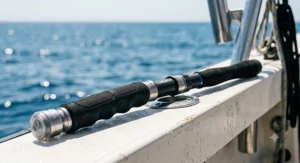
How to Choose a Jigging Rod Saltwater
Choosing the right jigging rod saltwater setup comes down to matching seven variables to your actual fishing habits, not just picking the most expensive option on the shelf.
- Match rod length to your boat and technique. Shorter 5’8″–6’6″ rods give better leverage for vertical jigging in tight boat quarters, while longer rods suit casting-heavy crossover work.
- Choose power based on jig weight, not fish size alone. A rod rated for 80-200g jigs will feel mismatched if you’re actually fishing 300g+ deep drop jigs.
- Pick action based on technique style. Fast action suits speed jigging’s rapid strokes; slower, more parabolic actions suit slow-pitch’s finesse fall.
- Prioritize guide and reel seat materials over cosmetic finish. Rod action matters here too — fast-action blanks that flex mainly at the tip tend to suit jigging best, while slower, more parabolic actions are built for different techniques entirely, a distinction covered in more depth in Field & Stream’s saltwater rod testing coverage.
- Match the rod to a compatible reel weight class. An unbalanced combo fatigues your wrist far faster than the rod’s raw specs would suggest.
- Consider corrosion resistance for your fishing frequency. Weekend warriors can tolerate basic guide frames; frequent offshore anglers need marine-grade hardware.
- Budget for the technique you’ll actually use most, not the one you aspire to. Buying a $600 slow-pitch specialist before confirming you enjoy the technique is the single most common regret purchase in this category.
Vertical Jigging vs Butterfly Jig Rod: The Real Differences
Vertical jigging and butterfly jigging get lumped together constantly, but the rods built for each solve different problems. A standard vertical jigging rod is generally built with a bit more backbone throughout the blank, since the technique often targets bottom-oriented structure fish that require lifting power more than finesse. A butterfly jig rod, by contrast, is tuned around Japan’s original high-speed jigging system, favoring a lighter, faster-recovering tip designed to impart erratic action on smaller, lighter jigs worked at higher speed through open water for pelagics.
In practice, this means a vertical jigging stick like the St. Croix Mojo Jig rewards patient, rhythmic lifts near structure, while a dedicated butterfly jig rod like the Shimano Trevala B rewards rapid, continuous strokes in open water. Anglers who try to use a stiff vertical rod for butterfly technique often report the jig “dying” on the fall instead of fluttering erratically, since the blank doesn’t unload fast enough. Conversely, using a soft butterfly rod to horse a big amberjack off structure risks the blank folding under sustained pressure it was never designed to absorb. If your trips mix both styles, a moderate-power crossover rod is the more practical single purchase; if you’re specializing, buy the rod built for the specific technique rather than assuming “jigging rod” is a single category.
Speed Jigging vs Slow Pitch: What to Expect in Real-World Performance
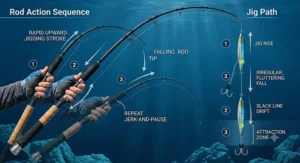
On paper, speed jigging and slow pitch jigging look similar — both involve a weighted metal jig worked vertically. In practice, they feel completely different in hand. Speed jigging with a rod like the Daiwa Saltiga Light Jigging means constant, repetitive high-speed cranking paired with sharp rod lifts, targeting fast, aggressive pelagic species that respond to erratic, high-energy movement. Expect forearm fatigue within the first hour if you’re not conditioned for it — this is a physically demanding style, closer to interval training than relaxed fishing.
Slow pitch jigging with something like the Daiwa Saltiga Slow Pitch Jigging rod feels almost meditative by comparison. The technique relies on subtle wrist and rod-tip movement to make the jig flutter horizontally on the fall, mimicking a dying baitfish rather than a fleeing one. Reviewers consistently note that slow pitch produces more strikes from less aggressive, pressured fish that ignore fast-moving jigs entirely. The real-world tradeoff: speed jigging tires your body faster but can cover more water and trigger reaction strikes quickly, while slow pitch demands more technical rod-handling skill but often out-fishes speed jigging on pressured structure where fish have seen fast retrieves before.
Deep Drop Jigging: Safety, Regulations, and Rod Requirements
Deep drop jigging introduces a safety dimension that shallower techniques don’t: barotrauma. Fish brought up rapidly from several hundred feet experience rapid gas expansion that can cause severe internal injury, which is why federal fishery managers have introduced gear rules encouraging the use of descending devices to improve survival rates for fish released from deep water, detailed further in NOAA Fisheries’ gear modification bulletin. If you’re regularly deep drop jigging past 300-400 feet, carry a proper descending device, not just a release hook, and know how to use it before you need it.
On the equipment side, deep drop jigging rods like the Blackfin Deep Stix Slow Pitch need to handle both the jig weight and the added drag of hundreds of feet of line and current resistance, which is why rods rated for heavier 120-300g jigs exist as their own category rather than scaled-down versions of inshore gear. Federal recreational fishing rules generally apply across the U.S. exclusive economic zone starting a few miles offshore out to two hundred miles, as outlined in NOAA Fisheries’ recreational deep sea fishing overview, so always confirm current species-specific size and bag limits before a deep drop trip, since these change by region and season more often than casual anglers expect.
✨ Ready to Gear Up for Deep Water?
🔍 Explore the deep drop and slow-pitch rods above and check current pricing before your next offshore run. The right gear turns an exhausting session into a genuinely fun one!
Offshore Jigging for Every Angler
Beginners stepping into offshore jigging for the first time should prioritize versatility over specialization — a crossover rod like the PENN Carnage III or PENN Squadron IV lets you learn proper jig cadence without the added pressure of a four-figure investment sitting in your hands. Weekend warriors who fish a dozen or so trips a year benefit most from mid-tier specialists like the St. Croix Mojo Jig, since the improved guide and reel seat durability pays for itself over repeated saltwater exposure. Budget-conscious anglers shouldn’t feel pressured into premium gear at all — the difference between a $100 rod and a $500 rod matters far less than proper drag setting and knot tying for most recreational catch rates. Tournament-level and highly frequent anglers are the group flagship rods like the Daiwa Saltiga line are actually built for, since blank fatigue over hundreds of repetitive strokes becomes a real performance factor at that usage level, not a marketing talking point.
Common Mistakes When Buying a Jigging Rod Saltwater
The most common mistake is buying rod power based on target fish size alone rather than jig weight — a rod rated for 100g jigs will feel wrong paired with 250g deep drop jigs, regardless of how big the fish might be. A close second is pairing a premium rod with an undersized or mismatched reel, which wastes the blank’s actual performance and creates an unbalanced, tiring combo. Many first-time buyers also skip corrosion-resistant guide frames to save money, then face frayed braid and stuck guides within a season of regular saltwater use. Another frequent misstep: buying a dedicated slow-pitch specialist as a first rod before confirming you enjoy the technique, which is an expensive way to discover you actually prefer speed jigging. Finally, overlooking line capacity requirements for deep drop applications leads anglers to buy a rod that handles the jig weight fine but pairs poorly with a reel that can’t hold enough braid for genuine deep-water depths.
Long-Term Cost & Maintenance
A budget rod like the PENN Squadron IV costs less upfront but may need guide or reel-seat repairs sooner under heavy saltwater use, since component grades scale with price more than blank material alone. A mid-tier rod like the St. Croix Mojo Jig or Shimano Trevala B typically holds up for several seasons of regular use with basic rinse-and-store maintenance, making the total cost of ownership genuinely competitive with buying two budget rods over the same period. Flagship rods like the Daiwa Saltiga line carry the highest sticker price but also the strongest warranty support and component-level durability, which matters if you’re fishing frequently enough that blank fatigue becomes a real factor rather than a theoretical one. When calculating true value, factor in cost-per-trip rather than sticker price alone: an angler fishing 30 times a year gets far more value from a $550 rod lasting a decade than a beginner fishing five times a year who’d be better served replacing a $100 rod every few seasons instead.
Frequently Asked Questions
❓ What's the difference between a jigging rod saltwater and a regular spinning rod?
❓ Can I use a butterfly jig rod for bottom fishing?
❓ How much line capacity do I need for deep drop jigging?
❓ Is speed jigging physically demanding?
❓ What power rating should I choose for offshore jigging?
Conclusion
Picking the right jigging rod saltwater setup really comes down to being honest about how often you’ll actually use it and which technique you’re chasing. Beginners and occasional anglers get excellent value from crossover picks like the PENN Carnage III or budget-friendly PENN Squadron IV, while dedicated speed jiggers and slow-pitch specialists will genuinely feel the difference flagship rods like the Daiwa Saltiga line make once fatigue and blank responsiveness matter over a full season. Deep drop anglers should prioritize jig-weight-rated rods like the Blackfin Deep Stix Slow Pitch and never skip a proper descending device. Whatever you choose, match power to jig weight, pair it with a compatible reel, and rinse everything after every trip — the gear above will outlast plenty of fishing seasons if you do.
✨ Don’t Miss These Exclusive Deals!
🔍 Take your saltwater jigging game to the next level with the rods above. Click through to check current pricing and availability before your next trip offshore!
Recommended for You
- Best Offshore Trolling Rod 2026: 7 Picks That Actually Hold Up
- 7 Best Inshore Saltwater Rod Picks for 2026 (Budget to Pro)
- Lake Trout Trolling Rod: 7 Best Picks for 2026
Disclaimer: This article contains affiliate links. As an Amazon Associate, I earn from qualifying purchases. If you purchase products through these links, we may earn a small commission at no additional cost to you.
✨ Found this helpful? Share it with your friends! 💬🤗
