
In This Article
Here’s the moment that sends most anglers shopping for new shorts: you’re forty yards from the truck, a fish just blew up on your topwater, and your hands are full of rod, net, and a wriggling bass — and your phone starts sliding out of a pocket that was never built to hold it. That’s the whole argument for cargo fishing shorts with lots of pockets in one sentence. A pair built right turns your shorts into a small, wearable tackle box, and a pair built wrong turns every cast into a juggling act.
Cargo fishing shorts with lots of pockets are outdoor shorts that combine a traditional cargo layout — multiple exterior pockets beyond the standard front-and-back four — with fishing-specific materials like quick-dry synthetics, UPF-rated fabric, and water-resistant treatments. The extra storage is the whole point: pliers, tippet, a phone, a wallet, sunscreen, and a handful of soft plastics, all riding on your body instead of in a tackle bag you have to set down every time you move.
This guide breaks down seven real, currently available options across budget, mid-range, and premium price points, then digs into how to actually choose between them — because the “lots of pockets” part is only useful if the pockets are shaped, placed, and secured in ways that survive a real day of casting, wading, and hauling gear.
Quick Comparison Table
| Product | Pocket Count | Best For |
|---|---|---|
| Huk Next Level 10.5″ Short | 5+ (cargo, zip, back) | Serious anglers who want top-tier performance |
| Columbia PFG Brewha II Short | 4-5 | Maximum sun protection on long days |
| World Wide Sportsman Baitcast Short | 5-6 | Boat anglers who want Bass Pro reliability |
| KastKing Casual Hiking Cargo Short | 6-7 | All-around hiking-meets-fishing versatility |
| TACVASEN 7″/10″ Cargo Short | 5 | Tightest budget without giving up storage |
| IGOLUMON Hiking Cargo Short | 6 | Anglers who genuinely overpack their gear |
| G Gradual Hiking Cargo Short | 5 | Lightest, most breathable budget pick |
Looking at the spread above, the pocket count alone doesn’t tell the whole story — what matters more is whether those pockets zip shut, drain water, or gape open under a full tackle load. The premium end (Huk Next Level 10.5″ Short, Columbia PFG Brewha II Short) trades a little bit of price for materials that hold their shape after dozens of wash cycles, while the budget options bunch up around similar five-to-six-pocket layouts with less refined construction. If you fish a handful of times a season, that difference may never matter to you; if you’re out three days a week, it will.
💬 Bookmark this guide before you check out — the difference between the right pockets and the wrong ones shows up the very first time you’re wading with your hands full.
Top 7 Cargo Fishing Shorts With Lots of Pockets: Expert Analysis
1. Huk Next Level 10.5″ Short — the fully-loaded performance pick
The standout here is the perforated back yoke, which does more for comfort on a hot boat deck than any amount of “breathable fabric” marketing copy usually delivers. Built from a stretch cotton-poly-spandex blend rated UPF 30+, the short pairs an adjustable waistband with a gusseted crotch, a zippered back pocket, and a dedicated cargo pocket sized for a small tackle wallet or phone.
What most buyers overlook about this model is that the adjustable waistband does real work — it keeps the fit consistent even after the short dries out from a soaking, which is exactly when elastic-only waistbands tend to sag. This is the pick for anglers who fish often enough that fabric fatigue, seam failure, and waistband stretch actually show up over a season, and who’d rather pay once than replace a budget pair twice.
Reviewers consistently note the stretch and quick-dry performance as the strongest selling points, with the gusseted crotch specifically called out for allowing a full casting motion without the fabric binding at the hip. A recurring theme in owner feedback is that the fit runs true to size, though a few mention the 10.5-inch inseam reads slightly longer than expected for shorter anglers.
Pros:
- ✅ Perforated back yoke keeps you noticeably cooler on hot days
- ✅ Adjustable waistband holds fit through repeated wet-dry cycles
- ✅ Gusseted crotch allows a full, unrestricted casting motion
Cons:
- ❌ Price sits well above the budget and mid-range field
- ❌ 10.5-inch inseam runs long for shorter frames
At around $60-$70, the Huk Next Level 10.5″ Short is priced like the category leader it’s built to be — worth it if you fish weekly, harder to justify if you fish twice a summer.
2. Columbia PFG Brewha II Short — best UPF sun protection value
The standout feature is Columbia’s Omni-Shade treatment, rated UPF 50, which blocks roughly 98% of UV radiation without adding bulk to the fabric. Built from a lightweight nylon blend with a quick-dry finish, the short includes a mesh-lined main pocket that lets water drain instead of pool, plus a secure zip pocket for a phone or keys.
Here’s what the spec sheet won’t tell you, but long-time PFG wearers note: the mesh lining matters far more on a hot day than the pocket count does, because a soaked cotton pocket against your leg is miserable in a way a mesh-lined synthetic one simply isn’t. This is a strong match for anglers who spend entire days exposed on open water — flats, jetties, open boat decks — where sun exposure, not pocket volume, is the real hazard.
Aggregated reviewer sentiment across retail listings consistently praises the fabric’s cooling feel and fast dry time, with the UPF rating specifically mentioned as a reason for repeat purchases. A common complaint in user reviews is that the cargo pocket, while mesh-lined, is on the smaller side compared to tactical-style competitors.
Pros:
- ✅ UPF 50 rating blocks about 98% of UV exposure
- ✅ Mesh-lined pocket drains water instead of trapping it
- ✅ Genuinely lightweight fabric for all-day comfort
Cons:
- ❌ Main cargo pocket is smaller than tactical-style rivals
- ❌ Fewer total pockets than the multi pocket fishing shorts built around storage first
Priced in the $35-$50 range depending on colorway, the Columbia PFG Brewha II Short earns its spot by prioritizing sun protection over sheer pocket count — the right trade for open-water anglers.
3. World Wide Sportsman Baitcast Short — the boat-angler’s reliable middle ground
The standout advantage is the UPF 50 rating paired with a genuinely roomy cargo layout, giving boat anglers a short that handles both sun exposure and gear storage without asking for a premium price. Constructed from a quick-drying nylon blend with an elastic waistband, the short includes multiple cargo pockets sized for pliers, a small lure box, or a folded rain jacket, plus front slash pockets for quick-access items.
Based on the spec comparison with pricier rivals, this short’s main advantage isn’t any single standout feature — it’s that Bass Pro Shops built it specifically around boat-deck use cases, so the pocket placement avoids interfering with a PFD or a wading belt. That makes it a smart pick for anglers who spend most of their time on a boat rather than wading, since it isn’t over-engineered for water submersion the way some hybrid designs are.
Reviewers frequently mention the elastic waistband as more comfortable over a full day than rigid-waist alternatives, and the price-to-durability ratio comes up often in aggregated feedback. A common gripe is that the fabric runs slightly boxier than slimmer performance-fit competitors.
Pros:
- ✅ UPF 50 protection at a genuinely mid-range price
- ✅ Pocket placement designed around boat-deck movement
- ✅ Elastic waistband stays comfortable through long days
Cons:
- ❌ Boxier fit than slimmer performance-cut competitors
- ❌ Less brand-name performance testing data available than Huk or Columbia
At roughly $30-$40, the World Wide Sportsman Baitcast Short is the value pick for boat-based anglers who want real cargo shorts design without paying premium-brand prices.
4. KastKing Casual Hiking Cargo Fishing Short — best hybrid for fishing and everything else
The standout feature is the sheer pocket count — this short layers hand pockets, a large flap-closed cargo pocket, and a side tool pocket with wear-resistant lining, all built from a stretchy, quick-drying fabric with ventilation holes below the waistband.
What most buyers overlook about this model is that KastKing designed it to double as a genuine hiking or work short, not just a fishing-specific garment, which means the pocket layout leans toward general utility rather than being purpose-built for a single rod-and-reel task. That makes it a smart match for anglers who fish as one activity among several on a given trip — camping, hiking to a remote spot, then fishing once they arrive — rather than someone driving straight to a boat ramp.
Reviewers commonly point to the stretch fabric and ventilation as standout comfort features for hot, humid conditions, and the side tool pocket gets specific praise for holding pliers securely during movement. A repeated theme in feedback is that sizing runs slightly large, so buyers frequently recommend ordering one size down from a normal waist measurement.
Pros:
- ✅ Side tool pocket has wear-resistant lining for pliers and tools
- ✅ Ventilation holes genuinely improve airflow in heat
- ✅ Doubles well as a hiking or general outdoor short
Cons:
- ❌ Sizing runs large — order down if between sizes
- ❌ Less water-resistant treatment than dedicated fishing brands
Sitting under $35 in most listings, the KastKing Casual Hiking Cargo Fishing Short is the pick for anglers who want one short that works for the whole trip, not just the fishing part of it.
5. TACVASEN 7″/10″ Cargo Short — tightest budget without cutting pockets
The standout is the dual inseam option — 7-inch and 10-inch versions of the same design — which lets buyers pick coverage without hunting through separate product lines. Built with a stretch, water-resistant fabric and five total pockets including a zippered security pocket, the short is marketed explicitly around golf, hiking, and fishing crossover use.
On paper this means you’re getting a moisture-wicking, quick-dry fabric and a “no belt” elastic-and-drawcord waistband at a price point usually reserved for basic cotton cargo shorts, which is a genuinely good value proposition if the stitching holds up over time. This short suits budget-conscious anglers and beginners who aren’t ready to commit real money to a fishing-specific wardrobe yet, or who want a backup pair to keep in the truck.
Aggregated review sentiment leans positive on comfort and stretch, with the zippered security pocket specifically called out as reassuring for phone storage near water. A recurring complaint is that colors run slightly darker or lighter than the product photos suggest.
Pros:
- ✅ Choice of 7-inch or 10-inch inseam in one product line
- ✅ Zippered security pocket adds real peace of mind near water
- ✅ Genuinely low price for a stretch, quick-dry fabric
Cons:
- ❌ Color accuracy is inconsistent across listings
- ❌ Fewer total pockets than the IGOLUMON or KastKing options
At around $25-$30, the TACVASEN 7″/10″ Cargo Short delivers real hands-free fishing setup potential without asking beginners to spend big before they know if the hobby sticks.
6. IGOLUMON Hiking Cargo Short — the most pockets for confirmed gear hoarders
The standout feature is the six-pocket layout, which is the most generous storage count in this lineup, spread across two inseam lengths (9-inch and 11-inch) so buyers can match coverage to climate or personal preference. Built from a quick-dry, water-resistant, stretch fabric, the short is marketed toward golf, hiking, and fishing crossover buyers who want maximum carrying capacity in one garment.
Here’s what the pocket count alone won’t tell you: more pockets only help if you actually have enough small gear to justify them, otherwise you end up with empty pouches flapping against your legs while wading. That makes this short the right call for anglers who genuinely carry a lot — separate compartments for pliers, forceps, tippet spools, a phone, sunscreen, and snacks — rather than someone who fishes light with just a rod and a small wallet.
Reviewer feedback consistently highlights the pocket count and stretch waistband as the biggest selling points, and the water-resistant treatment gets specific mention for holding up during light rain. A common theme in feedback is that the fabric, while quick-drying, feels thinner than some competitors’ heavier canvas blends.
Pros:
- ✅ Six total pockets — the most in this comparison
- ✅ Choice of 9-inch or 11-inch inseam for climate or coverage needs
- ✅ Elastic waistband adds comfort during long wading sessions
Cons:
- ❌ Thinner fabric than heavier canvas-style cargo competitors
- ❌ Extra pockets add some bulk if left half-empty
Priced around $28-$32, the IGOLUMON Hiking Cargo Short is the natural pick for anglers whose current tackle storage shorts never seem to have enough room.
7. G Gradual Hiking Cargo Short — the lightest, most breathable budget option
The standout is the sheer lightness of the build — this is a five-pocket, UPF 50+ rated short engineered around minimizing weight and maximizing airflow rather than maximizing storage volume. Constructed with a water-resistant, quick-dry fabric and an elastic waistband, it trades one or two pockets compared to the IGOLUMON option in exchange for a noticeably lighter garment that layers well under waders or breathes better in extreme heat.
Based on the spec comparison with heavier cargo-style competitors, the appeal here isn’t storage capacity — it’s comfort during long, hot, high-mileage days where every extra ounce of fabric matters, like hiking in to a remote stream or spending a full day standing on a bass boat deck in July. This makes it a strong match for warm-climate anglers and hikers-who-also-fish, less so for cooler-climate boat anglers who prioritize pocket volume over breathability.
Aggregated reviews point to the lightweight feel and UPF rating as the top-mentioned strengths, while a repeated critique is that the five pockets feel modest next to six- and seven-pocket competitors in the same price bracket.
Pros:
- ✅ UPF 50+ rating at a genuinely budget price
- ✅ Noticeably lighter fabric than most cargo-style competitors
- ✅ Elastic waistband suits long hiking-to-fishing days
Cons:
- ❌ Fewer pockets than IGOLUMON or KastKing at a similar price
- ❌ Lighter fabric may show wear faster under heavy tackle loads
At under $30, the G Gradual Hiking Cargo Short is the pick for anglers who value breathability over maximum tackle storage.
Building a Hands-Free Fishing Setup
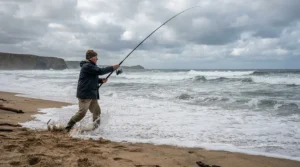
The real reason people search for cargo fishing shorts with lots of pockets isn’t the pockets themselves — it’s the freedom that comes from not setting your gear down every time your hands are full. Consider three common scenarios. A wade angler moving between spots on a river needs pliers, forceps, and tippet within one-handed reach, which favors a hip-mounted zip pocket over a deep cargo pocket you’d have to dig through. A boat angler running from the console to the bow needs pockets that won’t snag on a rail or a rod holder, which is where the World Wide Sportsman Baitcast Short‘s deck-friendly pocket placement earns its keep. A kayak angler, meanwhile, is seated most of the day, so pocket access needs to work from a sitting position — something the Huk Next Level 10.5″ Short‘s zippered back pocket and cargo pocket combination handles better than shorts designed around standing access alone.
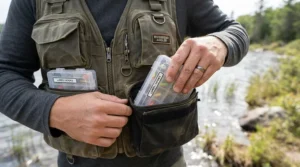
The common thread across all three is intentional pocket assignment: one pocket for tools you’ll grab constantly (pliers, a hook remover), one for things that stay put all day (wallet, keys), and one for things you need dry (phone, license). Anglers who treat every pocket the same — tossing tools and electronics into whichever pocket is open — are usually the ones who end up fishing one-handed by mid-morning.
Practical Usage Guide: Getting the Most from Multi Pocket Fishing Shorts
Getting real value out of multi pocket fishing shorts starts before the first trip. Wash new synthetic-blend shorts once before wearing them on the water — this removes manufacturing residue that can reduce the fabric’s quick-dry performance on day one. Assign pockets by function rather than by whatever feels convenient in the moment: dedicate the most secure, zippered pocket to your phone and license, since those are the two items you genuinely cannot afford to lose in the water.
A maintenance habit worth building early: rinse pockets with fresh water after every saltwater trip, even briefly, since dried salt crystallizes in seams and accelerates zipper corrosion over a season. Air-dry rather than machine-dry when possible — high heat breaks down the DWR (durable water repellent) coating on treated fabrics faster than normal wear does. The most common mistake in the first 30 days of ownership is overloading a single pocket with everything heavy, which stretches the fabric unevenly and throws off the fit; distribute weight across two or three pockets instead of one. Finally, check zip pulls and velcro flaps monthly — these fail before the fabric does, and a five-second check saves you from losing gear mid-cast.
How to Choose Cargo Fishing Shorts With Lots of Pockets
Here’s a practical framework for narrowing down cargo fishing shorts with lots of pockets to the right pair for your fishing style:
- Match pocket type to what you actually carry. Zippered pockets for electronics and license, open cargo pockets for bulkier items like a small tackle box, mesh-lined pockets for anything that might get wet.
- Prioritize UPF rating for open-water fishing. If you’re exposed to direct sun for hours — flats, jetties, open boat decks — a UPF 50 short like the Columbia PFG Brewha II Short does real protective work sunscreen alone can’t match.
- Consider inseam length by fishing style. Shorter inseams (7-8 inches) suit kayak and wade fishing where mobility matters most; longer inseams (10-11 inches) suit boat fishing where sun coverage matters more than unrestricted leg movement.
- Check the waistband style. Elastic-back or full-elastic waistbands with an internal drawcord handle the bending, squatting, and occasional soaking of a real fishing day better than rigid button-fly designs.
- Weigh fabric weight against climate. Lighter fabrics like the G Gradual Hiking Cargo Short breathe better in extreme heat; heavier blends like the Huk Next Level 10.5″ Short hold up better to repeated hard use.
- Don’t over-buy pocket count you won’t use. Six or seven pockets sound appealing, but if you fish light, the extra fabric and bulk from unused pockets just adds weight and potential snag points.
- Set a realistic budget band before shopping. Deciding whether you’re in the $25-$35 range or the $50-$70 range up front narrows the field fast and prevents decision fatigue.
Tackle Storage Shorts: Making Every Pocket Count
The gap between shorts that merely have pockets and true tackle storage shorts comes down to three recurring problems anglers run into, each with a specific fix. Problem one: pockets that gape open and dump gear when you bend over — the fix is prioritizing shorts with zip or velcro closures on any pocket carrying small items like split shot or swivels, which the IGOLUMON Hiking Cargo Short and KastKing Casual Hiking Cargo Fishing Short both handle with flap or zip closures. Problem two: pockets that trap water and stay damp all day — the fix is choosing mesh-lined pockets, like the one built into the Columbia PFG Brewha II Short, which let water drain rather than pool against your leg. Problem three: pocket bulk that throws off your cast or snags on a rod during a hookset — the fix is distributing gear across smaller, purpose-built pockets rather than jamming everything into one oversized cargo pocket, which keeps weight balanced and profile low.
Cargo Shorts Design: What Separates Good from Great
Cargo shorts design has a surprisingly long history for a garment most people associate with early-2000s fashion trends. Cargo pants trace back to a practical military solution rather than a fashion studio — the defining oversized external pocket was developed to let soldiers carry more gear while keeping their hands free. The large pockets characteristic of cargo pants were originally sized to hold field dressings and maps for British forces, then adapted by U.S. paratroopers for extra rations and ammunition. Wikipedia’s entry on cargo pants traces that full evolution from battlefield gear to mainstream fashion staple.
That military-first design logic still shows up in good fishing-specific cargo shorts today. Felled seams for durability, gusseted construction that allows a full range of motion, and pocket placement that avoids interfering with movement are all direct descendants of that original design brief — just adapted for casting a rod instead of carrying ammunition. What separates a genuinely good cargo shorts design from a mediocre one is whether these military-derived details survive the translation to fishing use: does the gusset actually let you cast freely, or does the fabric bind at the hip? Does the pocket placement clear a wading belt, or does it sit right where a strap would rub?
Common Mistakes When Buying Fishing Cargo Shorts
The single most common mistake is buying based on pocket count alone, without checking pocket security — a seven-pocket short with no zippers or flaps will lose gear faster than a five-pocket short built with secure closures. A close second is ignoring inseam length relative to fishing style; boat anglers who buy short 7-inch inseams built for kayak mobility often end up with more sun exposure than they wanted, while wade anglers in longer 11-inch inseams sometimes find the extra fabric drags in current. Buyers also frequently skip checking the waistband type, then discover a rigid button-fly digs in uncomfortably after hours of bending to net fish. Finally, many shoppers underestimate how much fabric weight matters in hot climates, picking a heavier canvas-style short for its rugged look and regretting it by early afternoon in July heat.
Cargo Fishing Shorts vs Traditional Board Shorts
The core trade-off between cargo-style fishing shorts and traditional board shorts comes down to storage versus mobility. The best fishing shorts balance UPF sun protection, quick-dry performance, and a comfortable cut, and hybrid shorts that blend board-short and performance-short design tend to outperform pure board shorts and traditional cargo shorts because they move better, dry faster, and don’t restrict casting. That’s a fair critique of heavier cargo builds — cargo pockets look practical but can add bulk and create drag in current, which matters most to wade anglers moving through moving water.
Where cargo-style shorts still win is dedicated, organized storage. Board shorts typically offer one or two basic pockets, fine for a phone and a few lures but inadequate for anglers carrying pliers, tippet, forceps, and a tackle wallet simultaneously. If your fishing involves wading in current for hours, a hybrid or board-short design may genuinely serve you better than heavy cargo pockets. If your fishing involves standing on a boat deck or hiking to a spot with all your gear on your body, the extra storage of a true cargo design usually outweighs the minor drag penalty.
What to Expect: Real-World Performance
On paper, a UPF 50 rating and a quick-dry nylon blend sound similar across every product in this guide — in practice, the differences show up in specific moments. A short with a mesh-lined pocket, like the Columbia PFG Brewha II Short, will feel noticeably less soggy against your leg after wading through knee-deep water than one with a solid-fabric pocket. A short with a gusseted crotch, like the Huk Next Level 10.5″ Short, will let you reach overhead to net a fish from a raised platform without the fabric pulling tight across your hips — a limitation you’ll only notice the moment it happens on a cheaper pair. Lighter-fabric shorts like the G Gradual Hiking Cargo Short genuinely do feel cooler by midafternoon on a 90-degree day, while heavier canvas-leaning builds like the World Wide Sportsman Baitcast Short feel more durable when you’re kneeling on a rough boat deck or bracing against a gunwale.
Fishing Shorts for Kayak and Wade Anglers
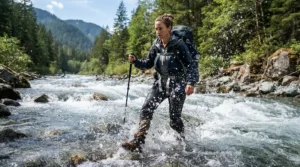
Kayak and wade anglers have different priorities than boat anglers, largely because they spend more time in direct water contact and less time with dry storage nearby. For kayak fishing specifically, a shorter 7-8 inch inseam reduces bunching while seated, and pockets positioned toward the front or hip — rather than the back — stay accessible even with a seatback or PFD in the way. The TACVASEN 7″/10″ Cargo Short‘s dual-inseam option is genuinely useful here, letting kayak anglers choose the shorter cut without sacrificing the rest of the design. For wade anglers, drainage matters more than almost anything else: pockets that trap water add unnecessary weight with every step, so mesh-lined or perforated pocket designs consistently outperform solid-fabric alternatives during long wading sessions.
Long-Term Cost & Maintenance
Thinking in cost-per-wear rather than sticker price changes the calculus on several of these picks. A $65 pair worn 40 times a season for three seasons works out to roughly $0.54 per wear before factoring in resale or hand-me-down value, assuming the seams and zippers hold up — which is the real gamble with any budget-tier short worn that hard. A $28 pair that needs replacing every single season due to seam failure or zipper corrosion can end up costing more over three years than the premium option, once you add up three separate purchases. Maintenance directly affects this math: rinsing salt out of pockets after each trip, air-drying instead of machine-drying, and checking zip pulls monthly all extend garment life regardless of which tier you bought into. The practical takeaway is that occasional anglers (a handful of trips per year) get the best value from budget or mid-range picks, while anglers fishing weekly or more should weigh the premium tier’s longer expected lifespan against its higher upfront cost.
Safety, Licensing & Sun Protection Guide
Sun exposure is a real, cumulative risk for anyone spending full days on open water, and it’s worth treating UPF ratings as more than a marketing checkbox. A UV Index of 3 or higher means protection is needed, including seeking shade during late morning through mid-afternoon and wearing protective clothing alongside sunscreen. Fishing-specific shorts rated UPF 50 or UPF 50+ are doing meaningful, ongoing work that a single sunscreen application can’t fully replicate over an eight-hour day, since sunscreen washes off with water contact and sweat while UPF fabric protection doesn’t degrade the same way. You can check your local UV Index before heading out using the EPA’s UV Index information to gauge how much coverage you actually need that day.
On the regulatory side, a valid fishing license is required in nearly every U.S. state before you wet a line, and requirements vary meaningfully by state and by freshwater versus saltwater fishing. If you’re unsure where to start, TakeMeFishing.org’s state-by-state license portal routes you directly to each state’s official licensing page, which is worth checking before any trip — especially if you’re fishing a state you don’t live in.
✨ Don’t Miss These Exclusive Deals!
🎣 Gear up before your next trip — click through on any highlighted pick above to check current pricing and availability, and build a hands-free fishing setup that actually holds up on the water!
Frequently Asked Questions
❓ Do cargo fishing shorts need to be waterproof?
❓ How many pockets do fishing shorts actually need?
❓ What inseam length is best for fishing shorts?
❓ Are UPF-rated fishing shorts worth the extra cost?
❓ Can you machine wash cargo fishing shorts?
Conclusion
Cargo fishing shorts with lots of pockets earn their keep in exactly the moments you’d expect: the second cast when your hands are already full, the long afternoon under direct sun, the trip where you genuinely need six different small tools within reach. The right pick depends less on which short has the most pockets on paper and more on matching pocket type, inseam length, and fabric weight to how and where you actually fish. Boat anglers, wade anglers, and kayak anglers each have a slightly different ideal here, and this guide’s seven picks span that range — from the fully-loaded Huk Next Level 10.5″ Short at the premium end to the breathable, budget-friendly G Gradual Hiking Cargo Short at the other. Whichever tier fits your budget, prioritize secure closures and real sun protection over sheer pocket count, and you’ll end up with a pair that earns a permanent spot in your fishing gear rotation.
Recommended for You
- Fishing Shorts For Hot Weather: 7 Top Picks To Stay Cool In 2026
- Fishing Pants For Cold Weather Fishing: 7 Warm Picks (2026)
- Fishing Pants For Women Plus Size: 7 Best Picks For 2026
Disclaimer: This article contains affiliate links. As an Amazon Associate, I earn from qualifying purchases. If you purchase products through these links, we may earn a small commission at no additional cost to you.
✨ Found this helpful? Share it with your friends! 💬🤗
