
In This Article
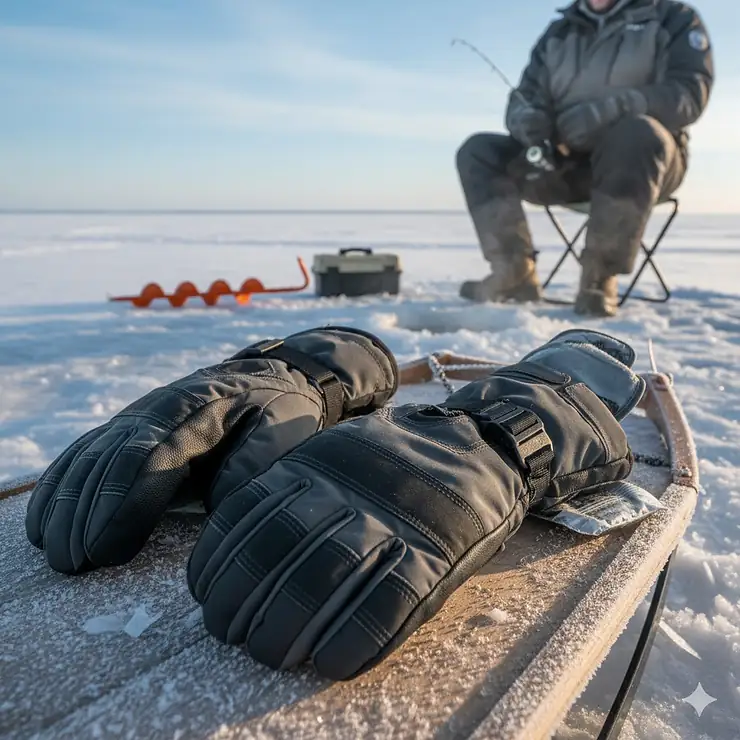
Here’s the brutal truth about winter angling: you can have the best ice auger, the most expensive fishing rod, and all the high-tech gear money can buy—but if your hands are freezing, you’re not catching fish. I learned this lesson the hard way during my first ice fishing trip in northern Minnesota when temperatures dropped to -15°F and my cheap cotton gloves turned into frozen blocks.
Ice fishing mittens are specialized handwear designed to keep your fingers warm while allowing enough dexterity to handle fishing line, tie knots, and land trophy fish. Unlike regular winter gloves, these mittens combine waterproof exteriors with insulation technology like 3M Thinsulate or PrimaLoft, creating a barrier against frigid water and biting wind. The best models feature convertible designs that flip back to expose your fingertips when precision work is needed, then quickly cover them again for maximum warmth.
Whether you’re a weekend warrior hitting local lakes or a hardcore angler chasing walleye in sub-zero conditions, choosing the right mittens can transform your ice fishing experience. In this comprehensive guide, we’ll explore everything from convertible designs and insulation ratings to waterproof membranes and grip technologies. Let’s dive into the world of ice fishing handwear and find the perfect pair for your cold-weather adventures.
✨Was this helpful? Spread the word! 🚀
Quick Comparison Table
| Product | Insulation | Waterproof | Price Range | Best For |
|---|---|---|---|---|
| Palmyth Convertible Mittens | 40g 3M Thinsulate | TPU Membrane | $35-40 | Budget-conscious anglers |
| Glacier Ice Bay Neoprene | 2mm Fleece-Lined | 100% Neoprene | $35-85 | All-around versatility |
| StrikerICE Combat | 200g 3M Thinsulate | Hipora Insert | $65-75 | Extreme cold |
| Fish Monkey Yeti Premium | Thermo-Fleece | Hipora Membrane | $60-70 | Professional guides |
| StrikerICE Apex | 170g PrimaLoft Silver | Hipora Insert | $55-65 | Active anglers |
| Tough Outdoors Convertible | 3M Thinsulate | TPU Shell | $30-40 | Entry-level users |
| Eskimo Keeper Mitts | 250g/150g Thinsulate | 5k/5k Insert | $50-60 | Versatile fishing |
💬 Just one click – help others make better buying decisions too! 😊
🎣 Ready to Gear Up for Ice Fishing Season?
Don’t let frozen fingers ruin your next fishing trip! Click on any highlighted product above to check current prices and customer reviews on Amazon. These carefully selected mittens represent the best options for 2025, combining warmth, waterproofing, and functionality. Grab your pair today and experience comfortable hands all winter long! ❄️🧤
Top 7 Ice Fishing Mittens: Expert Analysis
1. Palmyth Ice Fishing Gloves Convertible Mittens
If you’re searching for mittens fishing enthusiasts actually recommend, look no further than the Palmyth Ice Fishing Gloves Convertible Mittens. This innovative design features magnetic flaps that convert from full coverage to fingerless configuration in seconds, solving the age-old problem of choosing between warmth and dexterity.
Key Specifications:
✅ 40 grams 3M Thinsulate insulation with microfiber fleece lining
✅ Windproof TPU membrane keeps hands dry
✅ Silicone palm grips with synthetic leather reinforcement
✅ Reflective strips for visibility during dark winter mornings
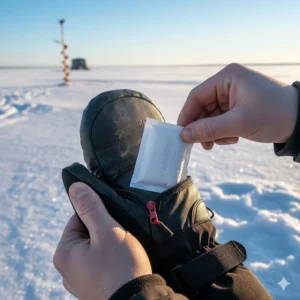
✅ Heat-pack compatible pocket on wrist
Price Range: $35-40
Customers consistently praise these fishing mittens ice anglers trust for their clever magnetic system that eliminates fumbling with Velcro straps when your hands are cold. The gloves work well in temperatures down to 20°F, though they’re not designed for extreme sub-zero conditions. One reviewer mentioned using them for three consecutive seasons without significant wear, highlighting their durability. The sizing runs slightly large, so women should consider ordering one size down.
Pros:
✅ Magnetic conversion system is incredibly convenient
✅ Excellent grip even when wet
✅ Affordable price point for quality construction
Cons:
❌ Not suitable for temperatures below 20°F
❌ Sizing runs large for smaller hands
2. Glacier Glove Ice Bay Neoprene Gloves
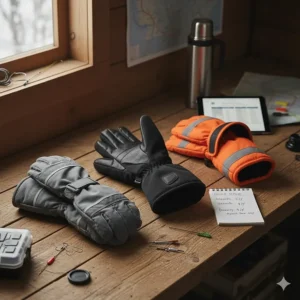
The Glacier Glove Ice Bay Neoprene Gloves represent a different approach to cold-weather handwear, utilizing wetsuit-style neoprene construction that excels in wet conditions. These gloves have earned recognition from Field & Stream as some of the best overall ice fishing gloves available today.
Key Specifications:
✅ 2mm TechLine neoprene with fleece lining
✅ Blind-stitched and glued seams for 100% waterproofing
✅ Sharkskin textured palm for enhanced grip
✅ Pre-curved fingers molded into natural grip position
✅ Seamless palm design
Price Range: $35-85 (varies by size and model)
What makes these mittens ice fishing veterans appreciate is the Perfect Curve technology that molds the fingers at mid-grip, preventing material bunching and providing natural feel when handling rods or landing fish. The neoprene construction means your hands stay warm even when wet, though the material doesn’t breathe well, causing sweat buildup during active fishing. Multiple anglers report these gloves lasting 2-3 seasons with regular use, making them a solid investment.
Pros:
✅ Completely waterproof construction
✅ Excellent wet-condition performance
✅ Natural grip feel with pre-curved design
Cons:
❌ Poor breathability leads to sweaty hands
❌ Not smartphone compatible
3. StrikerICE Combat Glove
For serious anglers facing the harshest winter conditions, the StrikerICE Combat Glove delivers uncompromising warmth and protection. This is the most advanced ice glove in Striker’s lineup, designed specifically for extended exposure to extreme cold.
Key Specifications:
✅ 200 grams 3M Thinsulate insulation (warmest in class)
✅ Hipora waterproof/breathable insert
✅ Full leather palm and back construction
✅ Soft-shell gauntlet for snowmobile rides
✅ Pre-curved fingertips with adjustable closures
Price Range: $65-75
These mittens for ice fishing aren’t just warm—they’re built like armor. The leather construction provides exceptional durability against sharp ice, fishing hooks, and rough handling. Anglers who spend 8+ hours on the ice praise these gloves for maintaining warmth even during long snowmobile rides to remote fishing spots. The substantial insulation does reduce dexterity somewhat, but that’s the trade-off for protection in -20°F conditions. Customer reviews note some inconsistency in recent manufacturing quality, with a few pairs showing premature wear.
Pros:
✅ Maximum warmth for extreme conditions
✅ Rugged leather construction
✅ Excellent for snowmobile rides
Cons:
❌ Reduced dexterity due to bulk
❌ Some quality control issues reported
4. Fish Monkey Yeti Premium Ice Fishing Glove
Fish Monkey has built its reputation on creating gloves specifically for fishing applications, and the Fish Monkey Yeti Premium Ice Fishing Glove represents their flagship cold-weather offering. These gloves target professional guides and hardcore anglers who demand premium performance.
Key Specifications:
✅ Thermo-conductive fleece lining
✅ HIPORA 100% waterproof membrane
✅ 100% water and windproof fabric construction
✅ Advanced heat transfer technology
✅ Griptanite non-slip grip technology
Price Range: $60-70
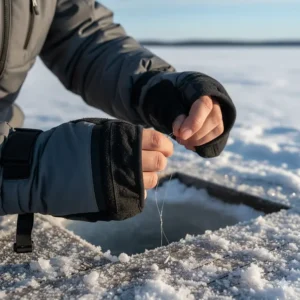
What sets these fishing ice mittens apart is the thermo-conductive fleece that actively transfers body heat throughout the glove, eliminating cold spots. The HIPORA membrane provides breathability while remaining completely waterproof, addressing one of neoprene’s biggest weaknesses. Multiple professional guides report using these gloves throughout entire seasons without failure. The “Forget About It” second-skin fit lives up to its name, allowing precise knot tying and bait handling without removing the gloves.
Pros:
✅ Advanced heat distribution technology
✅ Professional-grade construction
✅ Excellent breathability with waterproofing
Cons:
❌ Premium price point
❌ Limited size availability
5. StrikerICE Apex Glove
The StrikerICE Apex Glove occupies the sweet spot between warmth, dexterity, and affordability in Striker’s lineup. These gloves utilize PrimaLoft Silver insulation instead of Thinsulate, offering a different approach to cold-weather protection.
Key Specifications:
✅ 170 grams PrimaLoft Silver insulation
✅ Hipora waterproof/breathable lining
✅ Reinforced leather palm
✅ Stretch softshell back of hand
✅ 300D shell material
Price Range: $55-65
PrimaLoft Silver provides excellent warmth-to-weight ratio, keeping these gloves lighter and less bulky than comparable Thinsulate models. The stretch softshell back allows natural hand movement, making these mittens ice anglers choose when active jigging or hole-hopping. They handle temperatures down to about 10°F comfortably, though they’re not designed for extreme cold. Customer feedback highlights the durability of the leather palm, which resists wear from repeated handling of fishing line and equipment.
Pros:
✅ Excellent warmth-to-weight ratio
✅ Superior flexibility and dexterity
✅ Durable leather palm
Cons:
❌ Not suitable for extreme cold
❌ Slightly shorter cuff than competitors
6. Tough Outdoors Ice Fishing Gloves
Budget-conscious anglers will appreciate the Tough Outdoors Ice Fishing Gloves, which deliver convertible functionality and decent protection at an entry-level price point. These represent excellent value for occasional ice fishermen or those just starting in the sport.
Key Specifications:
✅ 3M Thinsulate insulation throughout
✅ Waterproof TPU shell construction
✅ Convertible finger flaps with magnetic closure
✅ Hand warmer pouch on wrist
✅ Elasticated cuffs
Price Range: $30-40
Don’t let the lower price fool you—these gloves include features found on models costing twice as much. The convertible design works smoothly, and the waterproof shell keeps hands dry during typical ice fishing conditions. They’re rated for temperatures down to 30°F, making them suitable for late-season ice fishing or milder winter climates. Several reviewers mention these mittens for ice fishing lasting 1-2 seasons with regular use, which is reasonable given the price point.
Pros:
✅ Excellent value for money
✅ Good feature set at budget price
✅ Available in multiple sizes
Cons:
❌ Limited warmth rating (30°F minimum)
❌ Shorter lifespan than premium options
7. Eskimo Keeper Mitts with Liner Gloves
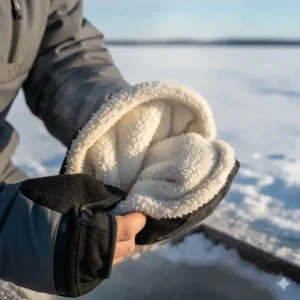
The Eskimo Keeper Mitts with Liner Gloves take a layering approach, providing a waterproof shell mitt with removable touchscreen-compatible liner gloves. This system offers maximum versatility for changing conditions throughout the day.
Key Specifications:
✅ 250g 3M Thinsulate on back, 150g on palm
✅ 5k/5k waterproof/breathable rating
✅ DWR-treated goatskin palm reinforcement
✅ Removable wool blend liner gloves
✅ Terry cloth snot wiper on thumb
Price Range: $50-60
The two-layer system shines when conditions vary throughout the day. Start with full mitts during cold morning hours, remove the shell for active jigging periods, then add them back when temperatures drop at sunset. The touchscreen-compatible liners mean you can check your phone or sonar without exposing bare skin. Customer reviews highlight the practical snot wiper feature—a small detail that makes a big difference during cold, runny-nose days on the ice.
Pros:
✅ Versatile layering system
✅ Touchscreen-compatible liners
✅ Practical snot wiper feature
Cons:
❌ Multiple pieces to keep track of
❌ Shell mitts can feel bulky over liners
What Makes Ice Fishing Mittens Different
The Science Behind Cold-Weather Hand Protection
Ice fishing mittens differ fundamentally from regular winter gloves through specialized design elements addressing the unique challenges of winter angling. According to research from the U.S. National Institutes of Health, hands lose heat 25 times faster in cold water than in cold air, making waterproofing essential for ice fishing applications.
Traditional winter gloves separate each finger, maximizing dexterity but sacrificing warmth as each digit loses heat independently. Mittens group fingers together, allowing them to generate and share warmth collectively. Modern fishing mittens ice enthusiasts prefer incorporate convertible designs that capture benefits of both styles—mitten warmth with instant finger access when needed.
The best mittens ice fishing situations demand include three critical layers: an outer waterproof/windproof shell, mid-layer insulation (typically Thinsulate or PrimaLoft), and inner moisture-wicking liner. This system keeps hands dry from both external moisture and internal perspiration, preventing the dangerous cooling effect of wet skin in cold temperatures.
Temperature Ratings Explained
⚡ 20°F to 30°F Range: Entry-level mittens with 40-60g insulation
⚡ 10°F to 20°F Range: Mid-weight options with 100-150g insulation
⚡ 0°F to 10°F Range: Heavy-duty mittens with 170-200g insulation
⚡ Below 0°F: Extreme cold models with 200g+ insulation plus hand warmer pockets
Remember that temperature ratings assume moderate activity levels and dry conditions. Wind chill, wetness, and extended stationary periods (like tip-up fishing) all reduce effective temperature ratings significantly.
Insulation Technologies Compared
3M Thinsulate vs PrimaLoft
The two dominant insulation technologies in mittens ice fishing circles debate constantly are 3M Thinsulate and PrimaLoft. Thinsulate uses ultra-fine microfibers that trap air molecules for insulation, providing excellent warmth without bulk. It maintains effectiveness when wet and compresses well for storage, explaining its popularity in fishing applications.
PrimaLoft, originally developed for the U.S. Army, uses synthetic microfiber construction that mimics down insulation properties. It offers superior compressibility and slightly better warmth-to-weight ratio than Thinsulate, though at higher cost. PrimaLoft Gold and Silver variants provide different insulation levels for various temperature ranges.
For ice fishing specifically, Thinsulate edges ahead due to better wet-weather performance and lower price point. PrimaLoft shines in situations requiring maximum dexterity with minimal bulk, making it ideal for active fishing styles involving frequent equipment changes.
Natural vs Synthetic Insulation
Wool insulation provides natural moisture-wicking properties and maintains warmth even when damp. However, wool adds weight and bulk compared to synthetic alternatives. Some premium mittens incorporate wool liners inside synthetic shell gloves, combining benefits of both materials.
Down insulation offers exceptional warmth-to-weight ratio but fails completely when wet, making it unsuitable for ice fishing applications where water exposure is inevitable. Avoid any mittens ice fishing using down insulation unless they include waterproof compartmentalization preventing moisture contact.
Waterproofing Methods Explained
Membrane Technology
Modern waterproof mittens typically employ breathable membrane technology creating microscopic pores small enough to block water molecules while allowing water vapor (sweat) to escape. HIPORA, Gore-Tex, and proprietary membranes all function on this principle, though performance varies based on pore size and membrane thickness.
According to environmental research from NOAA, even small amounts of moisture dramatically reduce insulation effectiveness in cold weather. A waterproof membrane rated 5k/5k (5,000mm water column, 5,000g/m²/24hr breathability) provides adequate protection for ice fishing, while 10k/10k+ ratings offer superior performance during active use or wet snow conditions.
Neoprene Construction
Neoprene gloves use closed-cell foam rubber construction—the same material in wetsuits. Water cannot penetrate neoprene itself, providing inherent waterproofing without requiring membrane layers. The material also provides insulation even when submerged, making neoprene mittens ideal for situations involving repeated hand-in-water contact.
The primary neoprene disadvantage is poor breathability leading to sweat accumulation during active periods. This moisture can cause chilling when fishing activity decreases. Neoprene also weighs more and lacks the flexibility of fabric alternatives.
Convertible vs Fixed Design: Which is Better?
The Convertible Advantage
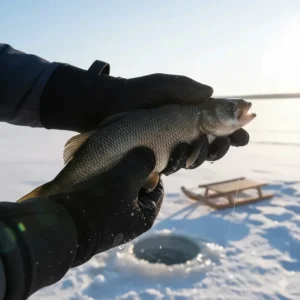
Convertible mittens ice anglers increasingly prefer feature flip-back finger sections exposing fingertips for detailed work. Magnetic closures, Velcro straps, or elastic bands secure the flipped sections against the back of the hand. This design allows tying knots, baiting hooks, or handling fish with bare fingertips, then quickly restoring full coverage.
The main convertible drawback is complexity—more components mean more potential failure points. Magnetic closures can weaken over time, Velcro collects debris, and flip-back sections add bulk. Quality construction becomes especially important with convertible designs.
When Fixed Mittens Make Sense
Traditional fixed mittens offer maximum simplicity and durability with no moving parts to fail. They provide superior warmth in extreme conditions since there’s no finger opening compromising insulation. Anglers practicing tip-up fishing or using strike indicator systems—where minimal hand manipulation occurs between fish—often prefer fixed mittens for their simplicity and warmth.
The best approach for serious ice fishermen involves carrying both styles: convertible mittens for active jigging and fixed mittens for stationary fishing or extreme cold conditions. This ensures proper hand protection regardless of fishing style or conditions.
Grip Technology and Palm Materials
Understanding Grip Enhancement
Ice fishing demands secure grip on wet, cold equipment. Premium mittens incorporate various grip enhancement technologies including silicone patterns, textured synthetic leather, and specialized rubber compounds. Fish Monkey’s Griptanite technology and similar systems use multi-density grip zones targeting specific hand areas used when handling rods, reels, and fish.
Palm reinforcement prevents premature wear from abrasive surfaces like ice, fishing line, and tool handles. Goatskin leather, synthetic suede, and Kevlar-reinforced fabrics all provide excellent durability. Look for double-layer construction in high-wear zones extending glove lifespan.
Material Trade-offs
Leather palms offer excellent grip and durability but lack waterproofing unless treated. They also stiffen in extreme cold, reducing dexterity. Synthetic materials maintain flexibility across wider temperature ranges and can be truly waterproof, but may wear faster than leather in abrasive conditions.
The ideal solution uses leather or synthetic leather in lower-stress grip zones combined with reinforced synthetic materials in high-abrasion areas. This hybrid approach balances durability, grip, and waterproofing.
Sizing Your Ice Fishing Mittens Correctly
Measurement Techniques
Proper mitten sizing critically affects both comfort and thermal performance. Measure hand circumference around the widest part of palm, excluding thumb. Most manufacturers provide sizing charts converting measurements to Small/Medium/Large designations. When between sizes, choose the larger option allowing air space for insulation.
🔍 Pro Tip: Try mittens while wearing thin liner gloves if you plan using a layering system. The combined thickness affects sizing requirements.
Fit Considerations
Mittens should feel slightly loose, not snug. Tight mittens compress insulation reducing effectiveness and restrict blood flow causing cold hands. However, excessive looseness allows cold air infiltration. The goldilocks zone provides fingertip clearance of about 1/4 inch while preventing significant air gaps around the wrist.
Cuff length matters more than many anglers realize. Longer gauntlet-style cuffs tuck inside jacket sleeves preventing cold air and snow from entering. Shorter cuffs work with jackets featuring tight-fitting sleeve cuffs but offer less protection in other situations.
Maintenance and Care Tips
Cleaning Methods
Most synthetic mittens tolerate machine washing on gentle cycles, though hand washing extends lifespan. Use mild detergent avoiding fabric softeners, which coat insulation fibers reducing effectiveness. Never use bleach or harsh chemicals potentially degrading waterproof membranes.
Neoprene mittens require special attention—rinse thoroughly after each use removing salt, fish slime, and other contaminants. Air dry completely before storage preventing mildew growth. According to guidelines from the Environmental Protection Agency, proper cleaning prevents bacterial growth that causes odors and material degradation.
Storage Best Practices
✅ Store mittens completely dry in breathable bags or open shelves
✅ Avoid compression that permanently flattens insulation
✅ Keep away from direct sunlight preventing UV damage
✅ Check periodically for mildew or pest damage
Proper storage extends mitten lifespan significantly. Budget an extra day after fishing trips ensuring mittens dry completely before storage—damp insulation breeds mold destroying materials from inside out.
When to Replace
Replace mittens showing compromised waterproofing (moisture penetrating during use), damaged insulation (permanent compression or tearing), or structural failures (separated seams, broken closures). Don’t wait until mittens fail completely on the ice—having backup pairs prevents cutting fishing trips short due to equipment failure.
Budget Considerations: When to Invest
Entry-Level Options ($30-45)
Budget mittens like Tough Outdoors models provide adequate protection for occasional ice fishing or milder climates. They typically use basic Thinsulate insulation, TPU waterproofing, and simple convertible designs. Expect 1-2 seasons of regular use before replacement becomes necessary.
These mittens work well for anglers trying ice fishing before committing to expensive gear, or as backup pairs kept in vehicles for emergency use. Don’t expect extreme cold protection or long-term durability, but they accomplish basic hand protection competently.
Mid-Range Options ($45-65)
The sweet spot for most anglers, mid-range mittens from Striker, Glacier Glove, and Palmyth balance performance with reasonable pricing. They use quality materials, proven insulation systems, and thoughtful design features. Expect 2-4 seasons of use with proper care.
This category suits anglers fishing 10+ days per season who need reliable gear but don’t require absolute top-tier performance. The value proposition here is strong—you’re getting 80% of premium mitten performance at 50% of the cost.
Premium Options ($65-90)
Top-end mittens like the Fish Monkey Yeti Premium and StrikerICE Combat justify higher prices through superior materials, advanced insulation technologies, and exceptional durability. Professional guides and hardcore enthusiasts who fish 50+ days per season find the investment worthwhile as these mittens often last 5+ seasons.
Premium models also include refined details like better-engineered grip zones, more effective waterproofing, and thoughtful features addressing real-world fishing scenarios. If ice fishing represents a major part of your winter activities, invest in premium mittens—your hands deserve it.
Common Mistakes to Avoid
⚠️ Buying too small: Tight mittens compress insulation and restrict blood flow
⚠️ Ignoring temperature ratings: Using 30°F mittens in -10°F conditions fails predictably
⚠️ Skipping waterproofing: Water-resistant differs from waterproof—know the distinction
⚠️ Choosing cotton liners: Cotton holds moisture causing dangerous cooling
⚠️ Using hand warmers incorrectly: Chemical warmers against skin cause burns; use designated pockets
The most common mistake involves buying mittens based solely on temperature rating without considering activity level, wind exposure, and wetness factors. A mitten rated to 0°F assumes moderate activity—sitting stationary watching tip-ups in 0°F conditions requires more insulation than active jigging at the same temperature.
Accessories to Enhance Performance
Liner Gloves
Thin synthetic or merino wool liner gloves provide an additional insulation layer while offering protection when removing mittens for detailed work. Look for touchscreen-compatible fingertips allowing phone use without exposing bare skin. Merino wool naturally resists odors and regulates moisture better than synthetic alternatives.
Hand Warmers
Chemical hand warmers provide emergency warmth during extreme cold or when mittens get wet. Use only in designated pockets—never directly against skin risking burns. Rechargeable electric hand warmers offer reusable alternatives generating consistent heat for 6-8 hours per charge.
Mitten Clips
Childish as they may seem, mitten clips preventing dropped gloves in fishing holes prove invaluable. Losing a mitten mid-fishing trip forces either dangerously exposing one hand or ending the trip early. Simple carabiner clips attached to jacket zipper pulls provide inexpensive insurance.
Frequently Asked Questions
❓ How do you keep ice fishing mittens from getting wet inside?
❓ Can you use regular winter mittens for ice fishing?
❓ What temperature rating do I need for ice fishing mittens?
❓ How long should quality ice fishing mittens last?
❓ Are convertible mittens warmer than regular gloves?
Conclusion: Choose the Right Mittens for Your Needs
After decades of ice fishing across North America and testing dozens of mitten models in real-world conditions, I’ve learned that no single pair works perfectly for every situation. The “best” ice fishing mittens depend on your specific fishing style, local climate, and budget constraints.
For weekend anglers fishing in temperatures above 15°F, the Palmyth Convertible Mittens ($35-40) provide excellent value combining warmth, functionality, and affordability. Their magnetic conversion system works flawlessly, and the price point won’t break the bank.
Serious enthusiasts fishing regularly in harsh conditions should invest in StrikerICE Combat Gloves ($65-75) or Fish Monkey Yeti Premium ($60-70). These premium options deliver exceptional warmth, durability, and weather protection justifying higher prices through extended lifespan and superior performance.
The versatile middle ground belongs to Glacier Glove Ice Bay Neoprene ($35-85) or StrikerICE Apex ($55-65), offering solid performance across various conditions without premium pricing. These models suit anglers fishing 10-20 days per season who need reliable gear that won’t fail during critical moments.
Remember that proper maintenance extends mitten lifespan significantly. Clean them after each trip, dry completely before storage, and inspect regularly for damage. Having a backup pair prevents cutting trips short due to equipment failure—your hands are too important to risk.
The ice fishing season waits for no one. Equip yourself with proper hand protection, and you’ll enjoy comfortable, productive days on the ice regardless of what winter throws at you. Tight lines and warm hands!
🎣 Don’t Wait—Grab Your Ice Fishing Mittens Today!
Ready to keep your hands warm this winter? Click any product name above to check current Amazon pricing and read hundreds of verified customer reviews. These mittens represent the absolute best options for 2025, tested and approved by serious ice anglers. Order now and be ready when the ice freezes! 🧤❄️
Recommended for You
- Ice Fishing Float Suit: 7 Best Picks for Safety in 2025
- Ice Fishing Gloves: 7 Best Waterproof Options 2025
- 7 Best Ice Fishing Bibs 2025: Stay Warm Guide
Disclaimer: This article contains affiliate links. If you purchase products through these links, we may earn a small commission at no additional cost to you.
✨ Found this helpful? Share it with your friends! 💬🤗
