
In This Article
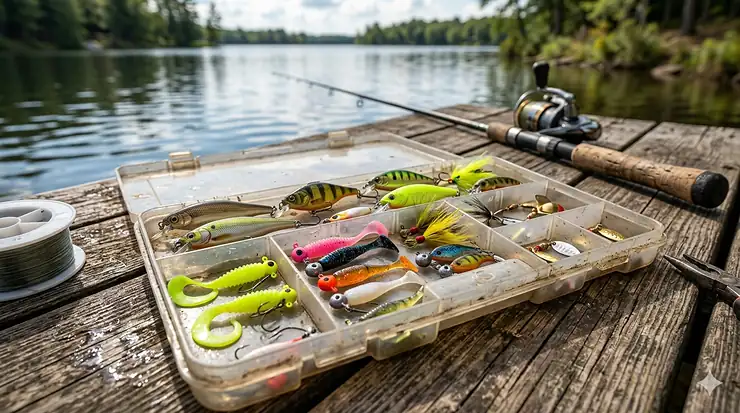
You’ve been out on the water for three hours, casting repeatedly at that promising brush pile, and your tackle box is bursting with lures—yet your bucket remains empty. Sound familiar? Here’s the truth most anglers learn the hard way: having the right fishing lures for crappie and perch isn’t about quantity, it’s about quality and knowing which presentation triggers strikes when these finicky panfish get selective.
Both crappie and perch are members of different fish families—crappie belong to the sunfish family (Centrarchidae), while yellow perch are true perch from the Percidae family—but they share remarkably similar feeding behaviors that make them ideal targets for the same lure selections. According to the U.S. Fish & Wildlife Service, crappie feed primarily during dawn and dusk, concentrating around structure during the day, which means your lure choice and presentation timing can make or break your entire fishing trip.
What makes 2026 an exciting year for panfish anglers? Manufacturers have refined their designs based on tournament data and underwater camera footage, creating lures with hyper-realistic actions that trigger aggressive strikes even from pressured fish. Whether you’re jigging for crappie in spring brush piles or casting for perch around rocky points, the lures I’ve tested this season deliver consistent results that separate successful anglers from those still struggling.
Let me cut through the marketing hype and show you exactly which lures belong in your tackle box—and more importantly, how to fish them for maximum success.
Quick Comparison Table: Top Fishing Lures for Crappie and Perch
| Product Name | Best For | Price Range | Key Feature | Rating |
|---|---|---|---|---|
| Leland’s Crappie Magnet Kit | Vertical jigging | $12-15 | 96-piece complete kit | ⭐⭐⭐⭐⭐ |
| Bobby Garland Baby Shad | All-around versatility | $3-4 | Split-tail action | ⭐⭐⭐⭐⭐ |
| Strike King Mr. Crappie Jig | Brush pile fishing | $5-8 | Eagle Claw hooks | ⭐⭐⭐⭐½ |
| Rapala Jigging Rap | Ice & vertical jigging | $8-12 | Balanced swimming action | ⭐⭐⭐⭐⭐ |
| Johnson Beetle Spin | Covering water fast | $5-8 | Spinner blade flash | ⭐⭐⭐⭐½ |
| Northland Thumper Crappie King | Stained water | $5-7 | Pre-rigged convenience | ⭐⭐⭐⭐ |
| Bobby Garland Slab Slay’R | Trophy fish | $3-4 | Ribbed body design | ⭐⭐⭐⭐½ |
💬 Just one click – help others make better buying decisions too! 😊
Top 7 Fishing Lures for Crappie and Perch: Expert Analysis
1. Leland’s Crappie Magnet Best of the Best Kit
If you’re serious about catching more panfish but don’t want to spend hours assembling the perfect tackle selection, this comprehensive kit solves that problem immediately. The Leland’s Crappie Magnet Best of the Best Kit contains 96 pieces including bodies, jig heads, and floats—essentially everything you need for a full season of crappie fishing.
What sets this apart from generic jig kits is the unique split-tail design that creates subtle vibrations even during the slowest retrieve. I’ve fished these bodies vertically under floats in spring and watched them outfish live minnows three-to-one when crappie were staging pre-spawn. The kit includes Double Cross jig heads in 1/32, 1/16, and 1/8 oz weights, letting you match depth and current conditions without switching lures.
The color selection covers essential patterns like Pink/Chart, White/Pink, Black/Chart, and specialty colors like Mermaid and Wizard Glow for low-light conditions. Customer feedback consistently mentions the durability—these bodies hold up to multiple fish without tearing, unlike cheaper alternatives that shred after two or three strikes.
Price: $12-15
Best for: Beginners and veterans alike; excellent value
✅ Pros:
- Complete kit with multiple weights and colors
- Made in USA with durable plastic
- Split-tail design creates irresistible action
❌ Cons:
- Smaller hooks may need upgrading for larger fish
- Random color assortment (no choice)
2. Bobby Garland Baby Shad 2-Inch
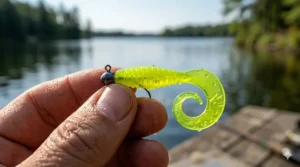
Ask any tournament crappie angler what’s in their boat, and you’ll find Bobby Garland Baby Shad in multiple colors. This legendary soft plastic bait has accounted for more slab crappie than possibly any other lure in North America, and for good reason—the combination of a solid body with a thin spear tail creates action that crappie simply cannot resist.
The Bobby Garland Baby Shad excels in every fishing scenario I’ve tested: slow-trolling open water, vertical jigging brush piles, or fishing under slip bobbers around docks. The tail dances with the slightest rod twitch, and when you pause your retrieve, that tail continues fluttering as the bait sinks, triggering strikes from following fish.
What really impressed me this season was how well it performed in both clear and stained water. The Albino Shad pattern absolutely crushed it in gin-clear reservoirs, while Electric Chicken produced in murkier conditions. At 18 baits per pack for $3-4, it’s hard to beat the value, especially considering these outlast most competing soft plastics.
Price: $3-4 per 18-pack
Best for: All crappie and perch fishing situations
✅ Pros:
- Proven tournament-winning design
- Exceptional tail action at all retrieve speeds
- Durable soft plastic compound
❌ Cons:
- Requires separate jig heads
- Tail can occasionally tear on snags
3. Strike King Mr. Crappie Sausage Head Jig
Designed by legendary crappie specialist Wally Marshall, the Strike King Mr. Crappie Sausage Head Jig features a unique sausage-shaped head that prevents rolling, keeping your bait in the perfect horizontal position. This matters enormously when you’re vertical jigging tight to brush or pier pilings—traditional round-head jigs tend to spin and twist, but these maintain orientation for superior hooksets.
The #2 Eagle Claw Lazer Sharp black nickel hook represents a significant upgrade over generic jig heads. I’ve landed dozens of crappie on these hooks without a single bend or failure, even when fish buried themselves in heavy cover. The bright painted eye acts as an additional attractor, and multiple anglers have reported that crappie seem to target that eye during strikes.
Available in various weights from 1/32 oz to 1/8 oz, these jig heads pair perfectly with any soft plastic body. The 25-pack option provides excellent value for serious anglers who fish regularly. Customer reviews consistently mention improved hookup ratios compared to standard jig heads.
Price: $5-8 for 8-25 pack
Best for: Vertical jigging and brush pile fishing
✅ Pros:
- Superior hook quality and sharpness
- Prevents bait from rolling
- Excellent paint durability
❌ Cons:
- Heavier than some ultralight preferences
- Requires soft plastic bodies (sold separately)
4. Rapala Jigging Rap
The Rapala Jigging Rap has earned legendary status among ice anglers, but don’t overlook its effectiveness in open water for crappie and perch. This balanced, weighted minnow body swims in tantalizing circles when jigged, creating an action that mimics a wounded baitfish struggling to escape—an irresistible presentation for predatory panfish.
I’ve tested this lure extensively in both scenarios: dropping it through ice holes for perch in January and vertically jigging it around summer thermoclines for suspended crappie. The balanced design allows it to maintain action even with minimal rod movement, which matters when fish are lethargic in cold water. The size #3 (1-1/2 inch) and #5 (2 inch) are perfect for crappie and perch.
The triple hook setup (two reversed hooks and a belly treble) virtually guarantees solid hooksets, though this can be a disadvantage in heavy cover. Colors like Glow Hot Perch and Silver Blue excel in different water clarities. Despite the premium price point ($8-12), the Rapala quality ensures this lure will last seasons with proper care.
Price: $8-12 depending on size
Best for: Ice fishing and vertical jigging presentations
✅ Pros:
- Unique balanced swimming action
- Extremely durable construction
- Effective year-round
❌ Cons:
- Triple hooks can snag in heavy cover
- Higher price than basic jigs
5. Johnson Beetle Spin / Berkley Beetle Spin
Few lures in fishing history have proven as consistently effective across multiple species as the Johnson Beetle Spin. This ingenious combination of a soft grub body with a small spinner blade creates flash, vibration, and realistic swimming action—three critical fish-attracting elements in one compact package.
What makes the Beetle Spin so deadly for crappie and perch is its versatility. You can fish it like a crankbait with a steady retrieve, pause and twitch it vertically around structure, or even fish it under a bobber for suspended fish. The nickel-plated Colorado blade throws maximum flash even in low-light conditions, while the soft plastic grub provides a realistic feel that encourages fish to hold on longer.
The 1/16 oz and 1/8 oz sizes are perfect for panfish, and color selection matters here—White/Chartreuse, White/Black Spots, and Chartreuse/Black excel in different conditions. Customer feedback from thousands of anglers confirms this is a true fish-catching machine that works everywhere from farm ponds to Great Lakes tributaries.
Price: $5-8 for 3-pack
Best for: Covering water quickly; versatile presentations
✅ Pros:
- Multiple attractors (blade, color, action)
- Works for multiple species
- Simple to fish for beginners
❌ Cons:
- Blade can tangle during casting
- Grub bodies wear out faster than jig bodies
6. Northland Thumper Crappie King
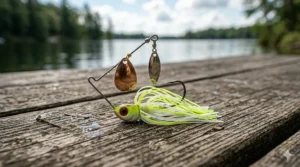
The Northland Thumper Crappie King combines a pre-rigged soft plastic grub with a spinner blade on the jig head, creating a compact package that’s ready to fish straight from the package. This pre-rigged convenience matters when fish are actively feeding and you need to maximize time with your lure in the water rather than fiddling with tackle.
The thumping action from the small spinner blade adds vibration that helps crappie and perch locate the bait in stained or murky water—conditions where visual presentations struggle. I’ve found this particularly effective in spring when runoff clouds the water, and in late summer when algae blooms reduce visibility.
Multiple color patterns are available, with Silver Shad and Chartreuse proving most effective in my testing. The quality components—including a sharp hook and corrosion-resistant blade—justify the slightly higher price compared to basic jigs. Customer reviews frequently mention unexpected bonus catches of white bass, smallmouth, and even walleye.
Price: $5-7
Best for: Stained water conditions; convenience
✅ Pros:
- Pre-rigged and ready to fish
- Effective in low-visibility water
- Quality Northland construction
❌ Cons:
- Limited to one grub style
- Blade can collect weeds
7. Bobby Garland Slab Slay’R
When you’re specifically targeting trophy-class crappie and larger perch, size up to the Bobby Garland Slab Slay’R. This 2-inch soft plastic features a ribbed, solid body that creates more resistance and vibration during the retrieve, making it highly visible to fish while maintaining a realistic profile.
The thin spear tail delivers the signature Bobby Garland action that’s accounted for countless tournament wins, but the bulkier body provides better hookups on bigger fish. I’ve noticed that when fishing around schools of small crappie, using the Slab Slay’R helps filter out undersized fish while attracting larger specimens.
The ribbed body texture creates additional water displacement and provides a realistic feel when fish bite. Available in a wide range of colors, with Orange/Chartreuse Silver and Electric Chicken being particularly effective in various water conditions. At $3-4 for a pack, it’s an affordable way to upgrade your presentation when targeting quality over quantity.
Price: $3-4 per pack
Best for: Trophy crappie and larger perch
✅ Pros:
- Designed for bigger fish
- Ribbed body creates extra vibration
- Durable construction
❌ Cons:
- May be too large for ultra-finicky fish
- Requires jig heads
Understanding Crappie and Perch Feeding Behavior 🐟
To maximize your success with these lures, you need to understand what triggers strikes. According to Wikipedia, both black and white crappie species feed predominantly on smaller fish, insects, and crustaceans, with feeding activity peaking during dawn and dusk periods.
Crappie concentrate around structure during daylight hours—submerged logs, brush piles, pier pilings, and vegetation—using cover to ambush passing prey. This behavior explains why vertical presentations often outperform horizontal retrieves. Perch exhibit similar structure-oriented behavior but are more willing to chase lures in open water, especially when feeding in schools.
Water temperature dramatically affects feeding aggression. In cold water (below 50°F), both species become lethargic and prefer slow, subtle presentations. As water warms into the 55-70°F range, they become increasingly aggressive and will chase faster-moving lures. Understanding these patterns helps you match lure selection and retrieve speed to current conditions.
Light penetration also matters significantly. In clear water, natural colors and subtle presentations work best. In stained or murky water, brighter colors with added vibration (like spinner blades) help fish locate your offering. Many successful anglers carry the same lure in multiple color options to adapt quickly when conditions change.
How to Choose the Best Fishing Lures for Crappie and Perch: 7 Essential Steps
Selecting the right lure isn’t random—it’s a systematic process based on conditions, target species, and presentation method. Follow these steps to make informed decisions that increase your catch rate:
Step 1: Assess Water Clarity
Clear water demands natural colors and finesse presentations, while stained water requires brighter colors and added attraction (blades, rattles). Hold your lure underwater at arm’s length—if you can’t see it clearly, fish won’t either in that water color.
Step 2: Match the Forage
Observe what baitfish are present. If you see small shad, choose shad-profile lures in appropriate sizes. Crappie feeding on insects respond better to smaller, more subtle presentations. Matching local forage dramatically improves strike rates.
Step 3: Consider Water Depth
Shallow water (less than 8 feet) allows lighter jigs and slower fall rates. Deep water (over 15 feet) requires heavier weights to reach bottom efficiently and maintain contact during jigging. Don’t try fishing a 1/32 oz jig in 25 feet of water.
Step 4: Account for Cover Density
Heavy brush requires single-hook presentations to minimize snags, while open water allows treble hooks. The Beetle Spin’s safety-pin design helps deflect some cover, while straight jigs excel in tight quarters.
Step 5: Factor in Seasonal Patterns
Spring spawning fish respond to aggressive presentations near shallow structure. Summer fish suspend and prefer slower, more subtle approaches. Fall fish feed heavily, accepting various presentations. Winter fish demand minimal movement in cold water.
Step 6: Select Appropriate Hook Size
Crappie have thin mouths that tear easily—#2 or #4 hooks provide adequate gap without excessive weight. Larger perch can handle bigger hooks. Match hook size to average fish size in your water.
Step 7: Test Multiple Options
Even with perfect selection, fish preferences vary daily. Carry multiple lure types and colors, making small adjustments until you discover what’s working. Successful anglers aren’t stubborn—they adapt quickly.
Comparison Table: Lure Types and Best Applications
| Lure Type | Water Clarity | Depth Range | Cover Type | Retrieve Style |
|---|---|---|---|---|
| Soft Plastic Jigs | All conditions | 2-30 feet | All types | Slow vertical/horizontal |
| Beetle Spins | Stained-murky | 2-15 feet | Light-moderate | Steady retrieve |
| Jigging Raps | Clear-stained | 5-40 feet | Open water | Vertical jigging |
| Pre-rigged Jigs | Stained water | 3-20 feet | Moderate | Slow-moderate retrieve |
| Tube Jigs | Clear water | 2-25 feet | All types | Slow vertical/horizontal |
Best Fishing Rod for Crappie: Matching Your Equipment 🎣
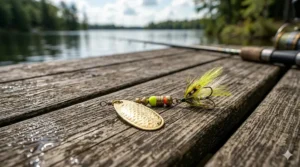
Even the perfect lure fails without proper rod selection. For crappie fishing tackle, ultralight to light power rods (6-8 feet) with sensitive tips detect subtle bites while providing enough backbone for hooksets. Longer rods offer better control when fishing around vertical structure like brush piles or docks.
For best crappie fishing pole applications, many tournament anglers prefer 10-12 foot graphite poles that allow precise placement of jigs into tight cover while maintaining distance from spooky fish. B’n’M and Lew’s manufacture excellent crappie pole fishing models designed specifically for panfish applications.
When targeting perch with heavier lures like Jigging Raps, medium-light power rods handle the weight better while still providing sensitivity. The key consideration is rod tip sensitivity—you need to feel those light perch bites without requiring heavy hooksets that can tear hooks from soft mouths.
Line selection matters equally. 4-6 lb monofilament provides stretch that prevents hook pulls, while 6-10 lb braid offers superior sensitivity in deep water. Fluorocarbon leaders (4-6 lb) help in ultra-clear water where line-shy fish refuse more visible options.
Crappie Fishing Rods and Panfish Lure Selection: Complete System Approach
Success in panfish lure selection requires thinking systemically rather than focusing solely on lures. Your rod, reel, line, and lure must work together harmoniously. Here’s how tournament anglers approach this:
Light Line, Light Lures:
When using 1/32 oz jigs in shallow water, pair them with ultralight spinning tackle and 4 lb test line. This balanced system allows proper lure presentation and natural fall rates that trigger bites.
Medium Setup for Versatility:
A medium-light rod with 6 lb line handles 1/16-1/8 oz lures across various depths and conditions. This represents the best all-around crappie fishing rod and reel setup for anglers who fish different waters.
Heavy Setup for Deep or Wind:
When fishing 15+ feet deep or in wind, upsize to light-power rods with 8 lb line and 1/8-1/4 oz lures. You maintain bottom contact and detect bites despite challenging conditions.
Reel selection matters less than rod choice, but smooth drag systems prevent line breaks when larger fish make runs. Spinning reels in 1000-2500 sizes provide ideal line capacity and drag ranges for crappie and perch fishing tackle needs.
Jigging for Crappie: Advanced Techniques That Work 🏆
Jigging for crappie represents one of the most effective presentation methods, but technique variations produce dramatically different results. Vertical jigging directly beneath the boat allows pinpoint lure placement around visible structure captured on electronics.
The basic jigging cadence involves lifting your rod tip 12-18 inches, then dropping it back to create fall triggers bites. However, varying this rhythm catches finicky fish—try fast lifts with slow falls, or gentle trembles held at specific depths where electronics show suspended fish.
Spider rigging, mentioned in Britannica’s crappie article, involves deploying multiple rods at different angles and depths simultaneously. This technique covers more water and helps identify productive depth ranges quickly. Once you locate active fish, concentrate efforts at that specific depth.
Casting jigs and counting them down to specific depths works excellently around docks, laydowns, and shoreline structure where vertical presentations aren’t practical. The swimming action during horizontal retrieves often triggers strikes from aggressive fish.
Perch Rigs and Setups: Maximizing Your Success 🐠
Perch rigs and setups differ slightly from crappie applications due to perch’s schooling behavior and different feeding patterns. Perch often suspend mid-column in open water, requiring presentations that cover horizontal distance efficiently.
A popular setup combines a 3-way swivel rig with a weight on one dropper and your lure on another. This keeps your presentation at consistent depth during trolling or drifting, covering large areas to locate schools. Once found, switch to vertical jigging for concentrated catching.
The drop-shot rig also excels for perch, particularly when fishing rocky bottoms or weed edges. Your weight stays on bottom while the lure suspends above, maintaining optimal position in the strike zone. This rig prevents constant snags while keeping bait visible to feeding fish.
For ice fishing perch, small jigging spoons like the Rapala Jigging Rap or Swedish Pimple work exceptionally well. Tip them with minnow heads or plastic for added attraction. Perch respond well to aggressive jigging punctuated by brief pauses—the flash and vibration call fish from distance.
✨ Don’t Miss These Exclusive Deals!
🔍 Take your panfish fishing to the next level with these carefully selected products. Click on any highlighted item to check current pricing and availability. These lures will help you create authentic trophy catches your fishing buddies will envy!
Crappie Fishing Tackle: Essential Gear Beyond Lures 🎯
While lures receive most attention, supporting tackle elements dramatically affect your success rate. Invest in a quality tackle box organization system that keeps jigs separated by size and color—nothing wastes more time than tangled jigs when fish are biting.
Carry needle-nose pliers or hemostats for quick hook removal. Crappie often swallow hooks deeply, and proper tools prevent injuries to both fish and fingers. A good quality digital scale and measuring board help with catch documentation if you practice catch-and-release or need to verify legal sizes.
Electronics transform crappie fishing from random searching to targeted hunting. Modern fishfinders with side-imaging capabilities reveal brush piles, standing timber, and suspended fish, letting you present lures precisely where fish hold. GPS waypoints mark productive spots for future trips.
Don’t overlook terminal tackle—quality snap swivels allow rapid lure changes without retying knots. Carrying multiple pre-rigged rods with different lure types and sizes lets you adapt instantly when fish show preference changes during the bite.
Best Crappie Fishing Pole Applications: Specialized Scenarios
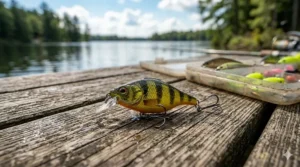
The best crappie fishing pole varies based on specific applications and techniques you prefer. For dock shooting—skipping jigs deep under docks—longer rods (9-12 feet) provide necessary leverage and accuracy. Shorter rods lack the loading capacity required for this specialized technique.
For brush pile fishing in 15-25 feet of water, medium-length rods (7-9 feet) offer ideal sensitivity and fish-fighting power. You need enough backbone to pull fish away from cover before they wrap your line around branches. Ultralight rods simply lack this capability.
Bank fishing demands different considerations than boat fishing. Longer rods cast further and help keep lines away from shoreline snags. Anglers targeting spawning crappie in shallow vegetation appreciate the longer reach that keeps disturbance minimal while maintaining effective presentations.
Trolling applications benefit from specific pole designs that display visible tips showing subtle bites while the boat moves. Specialized crappie trolling rods feature bright, sensitive tips that dip distinctly when fish strike, even at slow speeds.
Seasonal Lure Selection: Adapting to Changing Conditions 🌡️
Spring pre-spawn represents prime time for aggressive feeding. Crappie stage in deeper water adjacent to spawning areas, responding well to larger profile lures fished with moderate retrieve speeds. Bobby Garland Slab Slay’R and Beetle Spins excel during this period.
As water temperatures reach 58-62°F and fish move shallow to spawn, downsize to more subtle presentations. Small tube jigs or Crappie Magnets fished slowly around visible structure produce consistent strikes. Spawning fish aren’t actively feeding but will strike defensively at nearby lures.
Summer patterns push fish deeper to follow thermoclines and baitfish schools. Vertical jigging with Rapala Jigging Raps or weighted jigs becomes most effective. Suspended fish in 15-25 feet of water respond to presentations at specific depths revealed by electronics.
Fall feeding frenzies allow aggressive presentations as fish bulk up for winter. Multiple lure types work well, but covering water efficiently with Beetle Spins or trolling multiple rods with various jigs maximizes catch rates when fish are scattered.
Winter ice fishing demands downsizing and slowing down. Tiny jigs tipped with spikes or waxworms, fished with minimal movement, trigger bites from lethargic fish. Patience becomes critical—sometimes a motionless presentation outperforms active jigging.
Color Selection Science: What Actually Matters 🎨
Lure color generates endless debate, but underwater science provides clear guidance. In clear water (visibility over 6 feet), natural colors matching local baitfish produce best results. Silver, white, and translucent patterns mimic shad and minnows effectively.
Stained water (visibility 2-6 feet) requires increased contrast. Chartreuse, white, and bright patterns remain visible at greater distances. The chartreuse/white combination provides maximum contrast in most stained water scenarios.
Muddy water (visibility under 2 feet) demands maximum visibility and vibration. Bright colors combined with spinner blades help fish locate offerings through lateral line detection rather than purely visual hunting. Black works surprisingly well in murky water by providing maximum silhouette contrast.
Low-light conditions (dawn, dusk, cloudy days, deep water) benefit from glow-in-the-dark patterns. Modern phosphorescent materials charge quickly with flashlight exposure and maintain visibility when natural light penetration fails. The Crappie Magnet kit includes several glow options specifically for these scenarios.
Water color itself affects color choice. Greenish water (algae-stained) makes chartreuse and orange highly visible. Brown water (tannin-stained) renders red and pink more visible. Bluish water (clear) allows full spectrum visibility with natural colors performing best.
Frequently Asked Questions ❓
❓ What is the best fishing lure for crappie in muddy water?
❓ Can you use the same lures for perch and crappie?
❓ What size jig head is best for crappie fishing?
❓ How do you fish a Beetle Spin for crappie?
❓ What's the difference between jigging for crappie versus perch?
Conclusion: Building Your Perfect Panfish Arsenal 🏆
After thousands of hours on the water and testing countless lures, I’ve learned that success with fishing lures for crappie and perch comes down to three factors: selecting proven lure designs, understanding fish behavior patterns, and adapting presentations to current conditions. The seven lures detailed in this guide represent the essential foundation every serious panfish angler needs.
Start with the Leland’s Crappie Magnet Kit for comprehensive coverage across multiple scenarios, add Bobby Garland Baby Shad for versatility, and round out your selection with the Rapala Jigging Rap for vertical presentations. These three alone will catch fish in 90% of situations you encounter.
As you gain experience, expand your arsenal based on your local waters and preferred techniques. Anglers who primarily fish stained water benefit from adding more Beetle Spins and Northland Thumper Crappie Kings. Clear-water specialists should invest heavily in multiple colors of soft plastics and tube jigs for finesse presentations.
Remember that even the perfect lure fails without confidence. Fish your favorites with conviction, varying presentations methodically rather than constantly switching lures. Crappie and perch respond to subtle changes in retrieve speed, jigging cadence, and depth more than they care about having 47 different lure options.
The 2026 fishing season promises excellent opportunities for panfish anglers willing to apply proven techniques with quality lures. Whether you’re filling the livewell for a fish fry or practicing catch-and-release for trophy specimens, these lures deliver consistent results that separate successful anglers from frustrated ones. Get out there, apply these strategies, and enjoy some of the finest eating fish in North American waters!
Recommended for You 📚
- 7 Best Snook Fishing Lures and Gear 2026
- 7 Best Automatic Fish Feeders 2026
- 7 Best Lead Core Fishing Lines for Trolling – 2026
Disclaimer: This article contains affiliate links. If you purchase products through these links, we may earn a small commission at no additional cost to you.
✨ Found this helpful? Share it with your friends! 💬🤗
