
In This Article
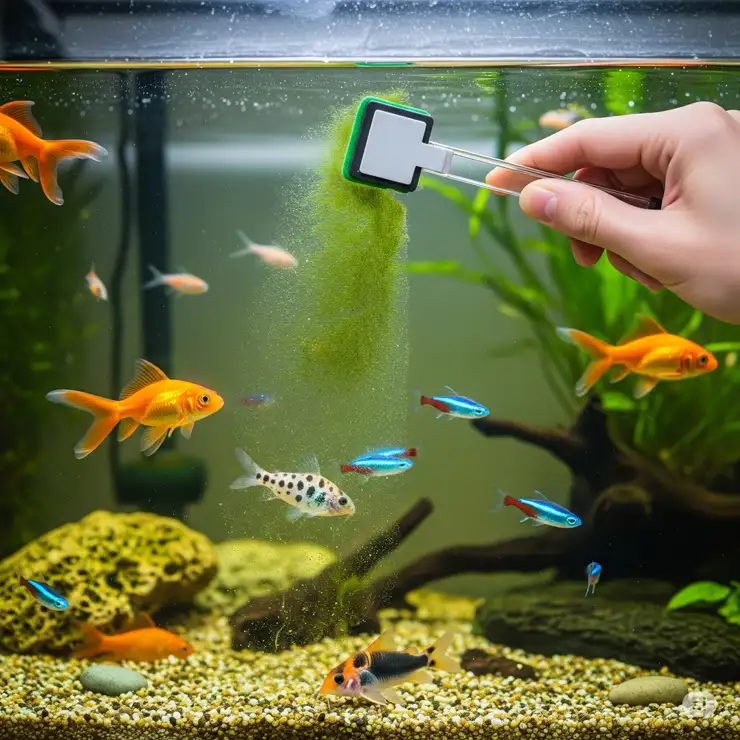
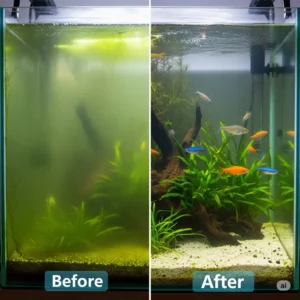
Maintaining a pristine aquarium requires more than just feeding your fish and checking water parameters. Moreover, the clarity of your tank’s glass directly impacts both the health of your aquatic ecosystem and your viewing pleasure. When algae, hard water spots, and biofilm accumulate on aquarium glass, they don’t just look unsightly—they can actually interfere with light penetration that your plants and corals desperately need.
Furthermore, choosing the right aquarium glass cleaner can make the difference between spending hours scrubbing stubborn algae or effortlessly maintaining crystal-clear glass walls. Additionally, the wrong cleaning approach can stress your fish, scratch expensive glass, or introduce harmful chemicals into your carefully balanced ecosystem.
✨Was this helpful? Spread the word! 🚀
Understanding Aquarium Glass Cleaning Fundamentals 🐠
The Science Behind Aquarium Glass Contamination
Consequently, aquarium glass accumulates various types of buildup that require different cleaning approaches. Research from the American Society of Ichthyologists and Herpetologists indicates that biofilm formation begins within 24-48 hours of initial tank setup. Therefore, regular maintenance becomes crucial for long-term success.
The most common contaminants include:
✅ Green algae – Typically appears as small green spots or film
✅ Brown algae (diatoms) – Common in new tanks or low-light conditions
✅ Hard water deposits – Mineral buildup from evaporation
✅ Protein film – Oily surface layer from organic matter
✅ Coralline algae – Purple/pink calcium carbonate deposits (saltwater)
Why Traditional Glass Cleaners Won’t Work 🚫
Notably, household glass cleaners contain ammonia, alcohol, and other chemicals that are toxic to aquatic life. Even trace amounts can disrupt your nitrogen cycle or cause chemical burns to sensitive fish gills. Instead, effective fish aquarium glass cleaner solutions must be completely aquarium-safe while still providing superior cleaning power.
Types of Aquarium Glass Cleaning Systems 🔧
Magnetic Glass Cleaners: The Game Changer
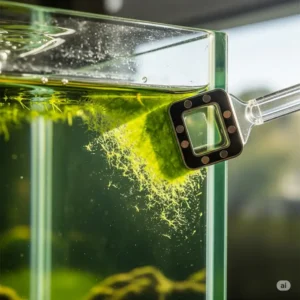
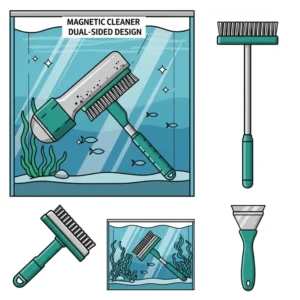
Undoubtedly, aquarium magnet glass cleaner systems have revolutionized tank maintenance. These ingenious devices consist of two magnetic pieces—one stays inside the tank while you control the cleaning action from outside using the external magnet.
Top Pick: FLUVAL Edge Magnetic Cleaner offers exceptional cleaning power for tanks up to 20 gallons. Its compact design works perfectly in nano tanks where larger cleaners can’t maneuver effectively.
Premium Option: The JBJ MagnaWand Magnetic Cleaner features replaceable pads and works on glass up to 1/2 inch thick. Its ergonomic handle reduces hand fatigue during extended cleaning sessions.
Manual Scraping Tools: Precision Control
Sometimes, however, stubborn algae requires the direct approach of an aquarium glass scraper. These tools provide maximum control and leverage for tough cleaning jobs.
Professional Choice: The Kent Marine Pro-Scraper combines a plastic blade for delicate surfaces with a metal blade for stubborn deposits. Its angled head reaches corners that magnetic cleaners often miss.
Cleaning Pads and Sponges: Gentle Solutions
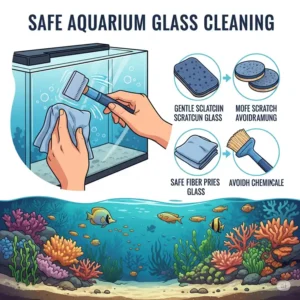
For regular maintenance, soft cleaning materials prevent scratches while removing light algae buildup. Specifically designed aquarium tank glass cleaner pads won’t shed fibers or introduce harmful chemicals.
Recommended Product: Python Siphon-Pro Algae Scrubber Pads are made from aquarium-safe materials and provide excellent algae removal without scratching acrylic or glass surfaces.
Comprehensive Product Comparison Table 📊
| Product | Type | Tank Size | Price Range | Best For | Rating |
|---|---|---|---|---|---|
| FLUVAL Edge Magnetic | Magnetic | Up to 20 gal | $15-25 | Small tanks | ⭐⭐⭐⭐⭐ |
| JBJ MagnaWand | Magnetic | Up to 100 gal | $25-40 | Large tanks | ⭐⭐⭐⭐⭐ |
| Kent Pro-Scraper | Manual scraper | All sizes | $20-30 | Stubborn algae | ⭐⭐⭐⭐ |
| Python Algae Pads | Cleaning pad | All sizes | $10-15 | Regular maintenance | ⭐⭐⭐⭐ |
| API Algae Scraper | Manual tool | Medium tanks | $8-12 | Budget option | ⭐⭐⭐ |
💬 Just one click – help others make better buying decisions too!😊
Don’t Miss These Exclusive Deals! 🛒✨
→ Transform your aquarium maintenance routine with these professionally tested cleaning tools. Click on any highlighted product to check current pricing and availability on Amazon. These solutions will keep your tank crystal clear while protecting your aquatic friends! 🐠💎
Advanced Cleaning Techniques for Different Algae Types 🎯
Green Spot Algae: The Stubborn Challenge
Particularly challenging, green spot algae forms hard, circular patches that resist standard cleaning methods. Research published in the Journal of Applied Phycology demonstrates that these spots consist of multiple algae species embedded in calcium deposits.
Effective removal strategy:
✅ Use a metal-blade scraper at a 45-degree angle
✅ Apply gentle, consistent pressure to avoid scratching
✅ Follow up with magnetic cleaner for residual film
✅ Address underlying nutrient imbalances to prevent recurrence
Brown Algae (Diatoms): The New Tank Nemesis
Conversely, brown algae typically appears in newly established tanks or those with inadequate lighting. According to NOAA Fisheries, diatoms are actually beneficial in ocean ecosystems but problematic in closed aquarium systems.
Removal approach:
✅ Increase lighting duration and intensity gradually
✅ Use soft cleaning pads to avoid scratching silicate deposits
✅ Consider adding silicate-removing media to filtration
✅ Be patient—brown algae often resolves naturally as tanks mature
Coralline Algae: The Saltwater Specialty
In marine systems, coralline algae presents unique challenges due to its calcium carbonate structure. While some aquarists consider moderate coralline growth desirable, excessive buildup on viewing panels requires specialized removal techniques.
Professional approach:
✅ Use razor blades designed specifically for aquarium glass
✅ Work slowly to prevent calcium dust clouds
✅ Consider leaving some coralline growth for biological benefits
✅ Test calcium and alkalinity levels to manage future growth
Safety Protocols for Cleaning Glass Aquarium 🛡️
Chemical-Free Cleaning Philosophy
Most importantly, successful cleaning glass aquarium requires avoiding any chemical additives that could harm aquatic life. The Environmental Protection Agency has established strict guidelines for substances that can safely contact aquarium water.
Safe cleaning principles:
✅ Never use soaps, detergents, or household cleaners
✅ Rinse all tools thoroughly before tank contact
✅ Remove fish if using metal scrapers on acrylic tanks
✅ Allow disturbed sediment to settle before normal feeding
Protecting Your Investment
Additionally, different tank materials require specific cleaning approaches to prevent damage:
Glass tanks: Can withstand metal scrapers and aggressive cleaning
Acrylic tanks: Require plastic tools only to prevent permanent scratching
Rimless tanks: Need extra care around unprotected edges
Curved glass: Benefits from flexible cleaning pads that conform to surfaces
Weekly Maintenance Schedule 📅
Establishing Cleaning Routines
Consequently, consistent maintenance prevents major algae buildups that require aggressive cleaning. Research from Texas A&M University’s Aquaculture Program suggests that weekly glass cleaning reduces overall maintenance time by 60%.
Monday: Quick magnetic cleaner pass on front glass
Wednesday: Spot-clean any visible algae spots
Friday: Comprehensive cleaning of all viewing surfaces
Sunday: Inspect and clean hard-to-reach areas
Seasonal Adjustments
Furthermore, cleaning frequency should adjust based on seasonal changes in lighting, feeding, and biological activity:
Summer: Increased cleaning due to higher temperatures and activity
Winter: Reduced frequency as biological processes slow
Spring: Heavy cleaning as daylight hours increase
Fall: Preparation cleaning before reduced maintenance periods
Professional Tips from Aquarium Specialists 💡
Expert Insights
According to master aquarist Julian Sprung, author of “The Reef Aquarium” series, proper glass maintenance extends beyond simple cleaning. Instead, it involves understanding the relationship between cleaning techniques and overall tank ecology.
Pro techniques:
✅ Clean during water changes to minimize fish stress
✅ Use different tools for different areas of the same tank
✅ Maintain separate cleaning tools for different tanks to prevent cross-contamination
✅ Track cleaning frequency to identify biological trends
Advanced Tool Selection
Moreover, professional aquarists often maintain multiple cleaning tools for different situations:
Primary tools: Daily maintenance with magnetic cleaners
Secondary tools: Weekly detail work with manual scrapers
Specialty tools: Monthly deep cleaning with razors and specialized pads
Emergency tools: Backup options for unexpected algae blooms
Shopping Smart: What to Look For 🛍️
Transform your tank maintenance game with the Flipper DeepSee Magnetic Cleaner – the professional’s choice for effortless glass cleaning. Its patented scraper design flips between scrubbing and wiping modes without ever lifting from the glass!
Size Considerations
Tank dimensions directly influence tool selection:
Nano tanks (under 20 gallons): Compact magnetic cleaners work best
Standard tanks (20-75 gallons): Medium-strength magnets provide optimal balance
Large tanks (75+ gallons): High-strength magnets prevent separation during cleaning
Custom tanks: Measure glass thickness before purchasing magnetic tools
Build Quality Indicators
Furthermore, quality cleaning tools share certain characteristics:
✅ Magnetic strength: Should hold firmly without slipping
✅ Pad replacement: Look for tools with replaceable cleaning surfaces
✅ Ergonomic design: Comfortable grip reduces cleaning fatigue
✅ Material safety: Confirm all components are aquarium-safe
Common Mistakes to Avoid ❌
Chemical Contamination Risks
Unfortunately, many aquarists inadvertently introduce harmful substances during glass cleaning. Cross-contamination from household cleaning supplies remains the leading cause of unexplained fish deaths according to veterinary aquatic specialists.
Critical mistakes:
❌ Using the same sponge for household and aquarium cleaning
❌ Allowing soap residue to contact tank water
❌ Cleaning tools in sinks treated with antibacterial products
❌ Using fabric softener-treated cloths for drying
Mechanical Damage Prevention
Additionally, improper cleaning techniques can cause permanent damage to expensive aquarium glass:
❌ Applying excessive pressure when scraping can create stress fractures
❌ Using circular motions can create visible scratch patterns
❌ Neglecting tool maintenance allows debris to accumulate and scratch
❌ Cleaning dry glass increases friction and scratch risk
Troubleshooting Stubborn Algae Problems 🔧
When Standard Methods Fail
Sometimes, however, algae problems persist despite regular cleaning efforts. According to research from the Smithsonian Institution’s National Museum of Natural History, persistent algae often indicates underlying water quality issues rather than inadequate cleaning.
Diagnostic approach:
✅ Test water parameters for nutrient imbalances
✅ Evaluate lighting intensity and duration
✅ Check filtration adequacy for tank bioload
✅ Consider biological control methods alongside mechanical cleaning
Professional Intervention
Occasionally, severe algae problems require professional assessment. Certified aquarium maintenance specialists can identify root causes and recommend comprehensive solutions beyond simple glass cleaning.
When to seek help:
✅ Algae returns within 24-48 hours of cleaning
✅ Multiple tank inhabitants show stress signs during cleaning
✅ Glass develops permanent staining or etching
✅ Standard tools become ineffective despite proper technique
Product Spotlight: Top Performers 🌟
The TetraFauna ReptoSafe Glass Cleaner stands out for turtle and amphibian habitats, offering specialized formulation that’s safe for semi-aquatic environments.
For saltwater enthusiasts, the Two Little Fishies Mag-Float provides unmatched performance on thick glass with its ultra-strong rare earth magnets.
Budget-conscious aquarists appreciate the API Algae Scraper with Extended Handle, delivering professional results without premium pricing.
Long-term Tank Health Benefits 🌱
Beyond Aesthetics
Importantly, regular glass cleaning contributes to overall aquarium health in ways that extend far beyond visual appeal. Clean glass maximizes light penetration for photosynthetic organisms while preventing the accumulation of harmful bacteria that can develop in algae mats.
Health benefits:
✅ Improved oxygenation through better plant photosynthesis
✅ Reduced disease risk by eliminating bacterial harboring sites
✅ Enhanced fish behavior through improved visibility and reduced stress
✅ Better monitoring of fish health and tank conditions
Investment Protection
Moreover, consistent glass maintenance protects your financial investment in aquarium equipment and livestock. Scratched or permanently stained glass can reduce tank value by 30-50% according to used aquarium market analysis.
Ready to Upgrade Your Cleaning Game? 🚀⭐
→ Don’t let dirty glass ruin your aquarium viewing experience! These top-rated cleaning solutions will transform your maintenance routine and keep your tank looking showroom-perfect. Click any product link to see current deals and customer reviews! 💯
Environmental Considerations 🌍
Sustainable Cleaning Practices
Additionally, environmentally conscious aquarists should consider the ecological impact of their cleaning choices. Reusable tools with replaceable components reduce waste compared to disposable cleaning products.
Eco-friendly approaches:
✅ Choose tools with replaceable parts rather than disposable units
✅ Properly dispose of worn cleaning pads through recycling programs
✅ Use minimal amounts of any cleaning aids to reduce environmental impact
✅ Consider biological algae control methods as primary prevention
Water Conservation
Furthermore, efficient cleaning techniques can significantly reduce water waste during maintenance. Strategic cleaning timing during regular water changes eliminates the need for additional water replacement.
Technology and Innovation in Aquarium Cleaning 🔬
Emerging Technologies
Recent developments in aquarium cleaning technology include UV-resistant materials, improved magnetic formulations, and ergonomic designs based on user feedback studies.
Innovation highlights:
✅ Self-cleaning glass coatings that reduce algae adhesion
✅ Smart magnetic cleaners with break-away safety features
✅ Ergonomic handle designs that reduce repetitive strain injuries
✅ Modular tool systems that adapt to different tank configurations
Future Trends
Looking ahead, aquarium cleaning technology continues evolving toward more efficient, user-friendly solutions. Research into biomimetic cleaning surfaces and automated cleaning systems shows promising developments for the hobby’s future.
Regional Considerations and Water Types 💧
Hard Water Challenges
Particularly in regions with hard water, mineral deposits create additional cleaning challenges beyond biological algae growth. The United States Geological Survey provides detailed maps showing regional water hardness variations that directly impact aquarium maintenance needs.
Hard water strategies:
✅ Use plastic scrapers to avoid scratching calcium deposits
✅ Consider water softening for make-up water
✅ Increase cleaning frequency in high-mineral areas
✅ Apply gentle acids (white vinegar) for stubborn mineral deposits
Soft Water Benefits
Conversely, soft water regions typically experience fewer mineral deposits but may face increased biological algae growth due to different nutrient profiles.
FAQs: Quick Answers to Common Questions 🔍
❓ How often should I clean my aquarium glass cleaner tools?
❓ Can I use a fish aquarium glass cleaner on saltwater tanks?
❓ What's the safest aquarium tank glass cleaner for planted tanks?
❓ How do I prevent my aquarium glass scraper from scratching acrylic?
❓ Why does my aquarium magnet glass cleaner lose suction underwater?
Conclusion: Crystal Clear Success 🏆
Mastering aquarium glass cleaning transforms both the appearance and health of your aquatic ecosystem. Through understanding different algae types, selecting appropriate tools, and maintaining consistent cleaning schedules, you’ll enjoy crystal-clear viewing while protecting your investment in equipment and livestock.
Remember that successful cleaning glass aquarium involves more than just removing visible algae—it’s about creating an environment where both fish and aquarists can thrive. Whether you choose magnetic cleaners for convenience, manual scrapers for precision, or a combination approach for comprehensive maintenance, the key lies in consistency and proper technique.
The tools and techniques outlined in this guide provide everything needed to maintain professional-quality tank appearance while ensuring the safety and health of your aquatic friends. Start with basic magnetic cleaning for daily maintenance, then gradually incorporate specialized tools as your experience and confidence grow.

Transform Your Tank Today! 🌟💎
→ Ready to achieve that crystal-clear aquarium you’ve always wanted? These proven cleaning solutions will revolutionize your maintenance routine and have your friends asking for your secret! Click now to upgrade your cleaning arsenal and enjoy the clearest, most beautiful aquarium possible! 🐠✨
Recommended for You
- 10 Best Glass Aquarium Lid Options for Perfect Tank Protection in 2025
- 10 Best Fish Tank with Heater Options for Thriving Aquatic Life in 2025
- 10 Best 50 Gallon Fish Tank Filter Systems for Crystal Clear Water in 2025
Disclaimer: This article contains affiliate links. If you purchase products through these links, we may earn a small commission at no additional cost to you.
✨ Found this helpful? Share it with your friends! 💬🤗
