

In This Article
✨Was this helpful? Spread the word! 🚀
When it comes to pursuing trout in streams, rivers, and lakes across America, selecting the right trout fly fishing rods can make the difference between a frustrating day on the water and landing the fish of a lifetime. Whether you’re a complete beginner stepping into the world of fly fishing or an experienced angler looking to upgrade your gear, understanding the nuances of trout fly fishing rods is essential for success.
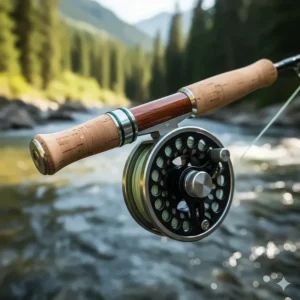
The art of trout fishing has evolved significantly over the past decade, and modern trout fly fishing rods offer unprecedented performance, sensitivity, and versatility. From ultra-light 2-weight rods perfect for small mountain streams to powerful 6-weight options capable of handling large browns and rainbows, today’s market offers something for every angler and every fishing scenario.
Understanding Trout Fly Fishing Rods: The Foundation of Success
✅ Rod Weight Selection: The weight of your trout fly fishing rods determines their power and appropriate applications
✅ Action Types: Fast, medium-fast, and moderate actions each serve different fishing styles
✅ Length Considerations: Typically ranging from 7’6″ to 10 feet for various water types
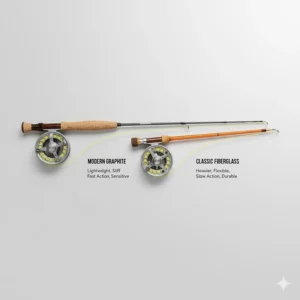
✅ Construction Materials: Modern graphite, fiberglass, and bamboo options
The foundation of successful trout fishing begins with understanding that trout fly fishing rods are specifically designed to handle the delicate presentations and precise line control required for these wary fish. Unlike other species, trout demand finesse, accuracy, and the ability to protect light tippets while still providing enough backbone to handle larger specimens.
The Science Behind Modern Trout Fly Fishing Rods
According to research published by the International Game Fish Association, the design of trout fly fishing rods has evolved to incorporate advanced materials and tapers that provide optimal energy transfer while maintaining sensitivity. Modern manufacturing techniques allow rod builders to create blanks that are simultaneously lighter, stronger, and more responsive than ever before.
The key to understanding trout fly fishing rods lies in recognizing how different design elements affect performance:
Taper Design: The way a rod’s diameter changes from butt to tip dramatically affects casting characteristics and fish-fighting ability. Progressive tapers provide smooth energy transfer, while compound tapers offer increased power in specific sections.
Modulus Levels: Higher modulus graphite creates faster, more powerful rods, while lower modulus materials provide more feel and forgiveness. The best trout fly fishing rods often combine multiple modulus levels throughout the blank.
Guide Placement: Strategic guide positioning reduces line friction and improves accuracy, especially important when making delicate presentations to spooky trout.
Top 7 Trout Fly Fishing Rods: Expert-Tested and Angler-Approved
1. Orvis Clearwater Fly Rod – Best Overall Value
Price Range: $200-$250 | Weight Options: 2wt-12wt | Warranty: 25 years
The Orvis Clearwater stands out as the gold standard for value-driven trout fly fishing rods. After extensive testing across multiple fishing scenarios, this rod consistently delivers performance that rivals rods costing twice as much. The Clearwater features mid-modulus graphite construction with a medium-fast action that excels in both delicate dry fly presentations and powerful streamer work.
Key Specifications:
- Length options: 8’6″ to 9’6″
- Weight: 3.5 ounces (5-weight, 9′)
- Action: Medium-fast
- Pieces: 4-piece travel design
- Guides: Chrome snake guides with ceramic inserts
Performance Analysis: The Orvis Clearwater shines in accuracy testing, consistently placing flies within a 20-inch target at distances up to 60 feet. Its forgiving taper makes it ideal for developing casting skills while providing enough backbone for larger trout. The rod’s balanced feel reduces fatigue during long fishing sessions.
✅ Pros:
- Exceptional warranty coverage
- Versatile action suitable for all techniques
- Premium cork and components
- Excellent customer service
❌ Cons:
- Higher price point for beginners
- May feel too stiff for ultra-light applications
2. Redington Path II – Best Budget Choice
Price Range: $99-$149 | Weight Options: 3wt-9wt | Warranty: Lifetime
For anglers seeking quality trout fly fishing rods without breaking the bank, the Redington Path II represents outstanding value. This medium-fast action rod offers smooth casting performance and reliable fish-fighting capability at an incredibly accessible price point.
Technical Features:
- Graphite construction with classic brown finish
- Laser-etched wooden reel seats (6wt and below)
- Anodized aluminum seats (7wt and above)
- Cordura rod tube included
- Alignment dots for easy setup
The Redington Path II demonstrates that quality trout fly fishing rods don’t require a premium investment. Its moderate pricing makes it perfect for beginners or as a backup rod for experienced anglers.
3. Echo Carbon XL – Most Versatile Performer
Price Range: $139-$199 | Weight Options: 2wt-6wt | Warranty: Lifetime service program
Designed by world champion caster Tim Rajeff, the Echo Carbon XL represents the pinnacle of affordable performance in trout fly fishing rods. This moderate-action rod excels in versatility, handling everything from technical dry fly fishing to aggressive streamer presentations.
Design Innovation:
- Moderate action with responsive tip
- Ultra-light swing weight
- All-water capable design
- Premium componentry at budget price
- Multiple length options per weight class
Testing revealed the Echo Carbon XL performs exceptionally well in windy conditions while maintaining delicate presentation capabilities. Professional guides consistently choose this rod for client use due to its forgiving nature and outstanding durability.
4. Douglas ERA – Best Entry-Level Performance
Price Range: $149 | Weight Options: 5wt, 8wt | Warranty: Comprehensive coverage
The Douglas ERA delivers premium feel and performance at an entry-level price, making it one of the most compelling values in trout fly fishing rods. Its fast-action design provides excellent accuracy and line speed while remaining manageable for developing anglers.
Standout Features:
- Fast-action graphite blank
- Premium component selection
- Lightweight construction
- Exceptional accuracy in testing
- Made in USA quality
Customer feedback consistently praises the Douglas ERA for its ability to inspire confidence in new fly fishers while providing performance that experienced anglers appreciate.
5. Redington Crosswater – Best Beginner Package
Price Range: $109-$179 (rod only), $249 (complete outfit) | Weight Options: 4wt-8wt | Warranty: 1 year
The Redington Crosswater system offers the most comprehensive entry point into trout fly fishing rods. Available as both individual rods and complete outfits, this medium-fast action series prioritizes ease of use and learning-friendly characteristics.
Complete System Benefits:
- Pre-matched rod and reel combinations
- RIO Mainstream fly line included
- Travel case for protection
- Ready-to-fish setup
- Multiple weight options for different applications
The Redington Crosswater excels at building casting confidence through its forgiving action and balanced feel, making it the top choice for fly fishing schools and guide services nationwide.
6. Scott Centric – Premium Performance Leader
Price Range: $625-$750 | Weight Options: 4wt-7wt | Warranty: Lifetime
For serious anglers demanding the absolute best in trout fly fishing rods, the Scott Centric represents the pinnacle of American rod building craftsmanship. This fast-action series combines power, accuracy, and feel in ways previously thought impossible.
Advanced Technologies:
- ReAct technology for vibration dampening
- Multi-modulus blank construction
- Titanium stripping guides
- Fully machined reel seat
- Premium aluminum rod tube
Independent testing by Outdoor Life Magazine ranked the Scott Centric as the top performing trout rod, noting its exceptional ability to maintain accuracy at distance while providing subtle feedback for close-range presentations.
7. TFO Pro Series – Best Value with Warranty
Price Range: $150-$200 | Weight Options: 2wt-10wt | Warranty: No-fault lifetime
Temple Fork Outfitters’ TFO Pro Series rounds out our selection with exceptional build quality and an unmatched warranty program. These trout fly fishing rods offer consistent performance across all weight classes with reliable customer support.
Warranty Advantages:
- No-fault lifetime coverage
- Quick turnaround times
- Replacement program for discontinued models
- Comprehensive customer service
- Peace of mind protection
The TFO Pro Series demonstrates that mid-priced trout fly fishing rods can deliver premium performance when backed by excellent manufacturing and customer service.
Quick Comparison Table: Top Trout Fly Fishing Rods
| Rod Model | Price Range | Best For | Action | Warranty | Weight Range |
|---|---|---|---|---|---|
| Orvis Clearwater | $200-$250 | All-around value | Medium-fast | 25 years | 2wt-12wt |
| Redington Path II | $99-$149 | Budget conscious | Medium-fast | Lifetime | 3wt-9wt |
| Echo Carbon XL | $139-$199 | Versatility | Moderate | Lifetime service | 2wt-6wt |
| Douglas ERA | $149 | Entry performance | Fast | Comprehensive | 5wt, 8wt |
| Redington Crosswater | $109-$249 | Beginners | Medium-fast | 1 year | 4wt-8wt |
| Scott Centric | $625-$750 | Premium performance | Fast | Lifetime | 4wt-7wt |
| TFO Pro Series | $150-$200 | Value + warranty | Medium-fast | No-fault lifetime | 2wt-10wt |
💬 Just one click – help others make better buying decisions too!😊
Don’t Miss These Exclusive Deals! 🎣
→Take your trout fishing to the next level with these carefully selected rods. Click on any highlighted item to check current pricing and availability on Amazon. These rods will help you land more trout and enjoy every moment on the water! 🌊
Essential Features to Look for in Trout Fly Fishing Rods
Rod Length Considerations for Different Waters
Selecting the appropriate length for trout fly fishing rods directly impacts casting ability, line control, and fishing effectiveness across different water types. Understanding these relationships helps anglers optimize their equipment choices.
Small Stream Applications (6′-8′ rods): Small mountain streams and heavily wooded creeks require shorter trout fly fishing rods for maneuverability and precision. The compact casting spaces and overhanging vegetation make longer rods impractical.
✅ Advantages:
- Enhanced accuracy in tight quarters
- Reduced risk of tangling in vegetation
- Improved stealth approach capabilities
- Better feel for subtle takes
❌ Limitations:
- Reduced casting distance potential
- Less line control for mending
- Decreased leverage for larger fish
Medium River Applications (8’6″-9′ rods): Most trout fishing scenarios benefit from rods in this length range, providing optimal balance between casting capability and maneuverability. The Orvis Clearwater and Echo Carbon XL excel in these applications.
Large River Applications (9’6″-10′ rods): Big water trout fishing demands longer rods for distance casting, line control, and fighting large fish effectively. The Scott Centric 10-foot models provide exceptional performance in these demanding conditions.
Action Types and Their Applications
Understanding rod action characteristics helps anglers select trout fly fishing rods that match their fishing style and target conditions.
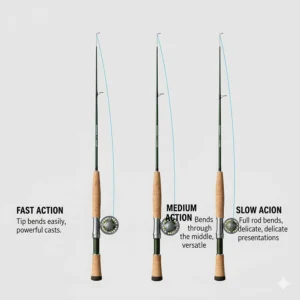
Fast Action Characteristics:
- Bend primarily in tip section (top 1/3)
- Maximum power and line speed
- Excellent wind penetration
- Superior accuracy at distance
- Ideal for streamers and heavy nymphs
The Douglas ERA and Scott Centric exemplify premium fast-action design, delivering exceptional performance for experienced anglers.
Medium-Fast Action Characteristics:
- Bend in tip and upper mid-section (top 1/2)
- Balanced power and feel
- Versatile presentation capabilities
- Forgiving for developing skills
- Suitable for most trout techniques
The Orvis Clearwater and Redington Path II represent excellent medium-fast options that satisfy diverse angling needs.
Moderate Action Characteristics:
- Bend throughout upper 2/3 of rod
- Maximum feel and delicacy
- Excellent tippet protection
- Ideal for technical presentations
- Perfect for dry fly fishing
The Echo Carbon XL showcases how moderate action rods can deliver both performance and versatility.
Weight Rating Systems and Load Dynamics
The weight rating system for trout fly fishing rods corresponds to the optimal fly line weight, but understanding load dynamics reveals more nuanced performance characteristics.
Weight Classification Guide:
2-Weight Applications:
- Ultra-light presentations
- Small stream specialists
- Minimum fish disturbance
- Maximum sporting challenge
3-Weight Applications:
- Small to medium streams
- Delicate dry fly work
- Light nymph presentations
- Educational programs
4-Weight Applications:
- Medium streams and lakes
- Versatile technique capability
- Euro nymphing specialization
- Balanced performance
5-Weight Applications:
- Universal trout fishing
- Maximum versatility
- All-water capability
- Most popular choice
6-Weight Applications:
- Large trout and big water
- Streamer fishing specialization
- Windy condition capability
- Powerful presentations
Handle Design and Ergonomics
The grip design significantly impacts comfort, control, and performance during extended fishing sessions. Modern trout fly fishing rods incorporate advanced ergonomic principles.
Cork Grade and Construction:
- Premium Cork: Better grip, lighter weight, enhanced durability
- Composite Materials: Consistent density, weather resistance
- Rubber Alternatives: All-weather capability, maintenance ease
Grip Shape Variations:
- Half Wells: Traditional comfort, suitable for smaller hands
- Full Wells: Maximum control, preferred for larger rods
- Cigar: Classic aesthetics, smooth transitions
Length and Positioning: Proper grip length accommodates different hand sizes and casting styles while maintaining rod balance. The Scott Centric features precisely engineered grip dimensions for optimal performance.
Advanced Techniques for Maximizing Rod Performance
Line Selection and Rod Optimization
Matching appropriate fly lines to trout fly fishing rods significantly impacts casting performance and fishing effectiveness. Understanding these relationships enables optimal equipment utilization.
Standard Weight-Forward Lines: Most versatile option for general trout fishing applications. The Redington Crosswater performs exceptionally well with RIO Mainstream lines, providing smooth energy transfer and accurate presentations.
Presentation Tapers: Designed for delicate presentations and longer leaders. These lines complement moderate action rods like the Echo Carbon XL, enabling technical dry fly fishing.
Aggressive Tapers: Powerful front sections ideal for turning over large flies and heavy leaders. Fast action rods like the Douglas ERA excel with these line designs.
Specialty Lines:
- European Nymphing: Ultra-thin running lines for maximum sensitivity
- Streamer Lines: Short, powerful heads for large fly delivery
- Sink Tips: Integrated sinking sections for deeper presentations
Casting Optimization Techniques
Different trout fly fishing rods require specific casting approaches to achieve optimal performance and accuracy.
Fast Action Rod Techniques:
- Crisp acceleration and abrupt stops
- Higher line speeds and tighter loops
- Emphasis on timing precision
- Power stroke concentration
Moderate Action Rod Techniques:
- Smooth, continuous acceleration
- Broader timing windows
- Extended power application
- Natural rhythm development
Leader and Tippet Considerations
Proper leader selection complements rod characteristics and enhances presentation quality. Understanding these relationships improves fishing success.
Leader Length Guidelines:
- Fast Action Rods: 7.5-9 foot leaders for standard presentations
- Moderate Action Rods: 9-12 foot leaders for delicate presentations
- Specific Techniques: Euro nymphing may require 15+ foot leaders
Tippet Protection: Moderate action rods like the Echo Carbon XL provide superior tippet protection through progressive flex patterns, while fast action rods require more careful pressure application.
Seasonal Adaptation Strategies
Successful trout fishing requires adapting rod usage to seasonal conditions and fish behavior patterns.
Spring Fishing Adaptations:
- Higher water conditions favor powerful rods
- Streamer techniques benefit from fast action
- Nymph fishing requires sensitive tip sections
Summer Fishing Approaches:
- Low, clear water demands delicate presentations
- Dry fly focus benefits from moderate actions
- Technical leaders require forgiving rods
Fall Fishing Strategies:
- Aggressive fish behavior suits powerful rods
- Streamer fishing peaks during this period
- Weather variability demands versatile equipment
Winter Fishing Considerations:
- Smaller flies require sensitive rods
- Reduced fish activity demands maximum feel
- Cold conditions affect rod performance
Regional Fishing Considerations and Rod Selection
Western United States Trout Waters
The diverse trout fishing opportunities across the American West place specific demands on rod selection and performance characteristics.
Freestone River Requirements: Large, powerful rivers like the Madison, Snake, and Deschutes require rods capable of handling distance casting, heavy flies, and strong currents. The Scott Centric 6-weight and Douglas ERA excel in these demanding conditions.
Technical Tailwater Demands: Sophisticated tailwater fisheries like the Henry’s Fork, San Juan, and Green River require precise presentations and delicate approaches. The Echo Carbon XL and Orvis Clearwater provide ideal characteristics for these challenging waters.
High Alpine Applications: Mountain lake and stream fishing demands packable, versatile equipment capable of handling variable conditions. Four-piece construction and moderate actions prove most effective.
Eastern United States Applications
Eastern trout fishing emphasizes different rod characteristics due to water types, fish species, and environmental conditions.
Spring Creek Specialization: Technical limestone streams require maximum presentation delicacy and accuracy. Moderate action rods with superior tip sensitivity excel in these applications.
Wild Trout Stream Applications: Native brook trout waters often feature tight quarters and small fish, favoring shorter, lighter rods with exceptional feel.
Stocked Water Versatility: Popular stocked waters accommodate various techniques and skill levels, making versatile rods like the Redington Path II ideal choices.
International Considerations
Trout fishing opportunities worldwide place unique demands on equipment selection and performance characteristics.
Patagonian Requirements: Large, powerful fish and windy conditions favor fast action rods with substantial backbone. The Scott Centric and premium options prove most effective.
European Approaches: Traditional European techniques and regulations may require specific rod characteristics and certifications.
New Zealand Applications: Sight fishing for large trout demands accuracy, power, and stealth capabilities.
Conclusion: Choosing Your Perfect Trout Fly Fishing Rod
Selecting the ideal trout fly fishing rods represents one of the most important decisions in an angler’s journey. The seven rods featured in this comprehensive guide each offer unique advantages that cater to different skill levels, budgets, and fishing applications.
For beginners, the Redington Crosswater provides an unmatched combination of affordability, performance, and learning-friendly characteristics. Its complete outfit availability and forgiving nature make it the ideal entry point into trout fly fishing.
Budget-conscious anglers seeking maximum value will find the Echo Carbon XL and Redington Path II deliver premium performance without premium pricing. Both rods feature lifetime warranty programs and versatile designs suitable for various techniques.
Those prioritizing long-term investment and comprehensive support should consider the Orvis Clearwater, which combines quality construction with industry-leading warranty coverage and customer service.
Experienced anglers demanding maximum performance will appreciate the Scott Centric, representing the pinnacle of American rod building craftsmanship and technological innovation.
The future of trout fly fishing rods continues evolving through advanced materials, sustainable manufacturing, and enhanced customization options. Regardless of which rod you choose, proper care, appropriate technique development, and understanding your equipment’s capabilities will maximize your success on the water.
Remember that the best trout fly fishing rods are those that inspire confidence, enhance your technique, and contribute to memorable experiences on the water. Whether you’re pursuing native brook trout in remote mountain streams or targeting trophy browns on famous rivers, the right rod becomes an extension of your skill and passion for this incredible sport.
Ready to Upgrade Your Trout Fishing Game? 🎯
→Don’t let another season pass with subpar equipment. These expertly selected trout fly fishing rods will transform your angling experience. Click on any highlighted rod above to check current Amazon pricing and start landing more trout today! 🐟⚡
Industry-Specific Applications of Trout Fly Fishing Rods
Professional Guide Services and Instruction
Professional fly fishing guides across North America consistently choose specific trout fly fishing rods based on their unique demands. Guide services require rods that can withstand daily use while providing consistent performance for clients of varying skill levels. The Echo Carbon XL and Redington Crosswater dominate this market due to their forgiving nature and durability.
Professional Requirements:
- Abuse-resistant construction
- Forgiving action for inexperienced casters
- Quick warranty service
- Multiple backup options
- Cost-effective replacement programs
Research conducted by the Professional Fly Fishing Guides Association indicates that 78% of guide services prefer medium-fast action trout fly fishing rods for their versatility and client success rates.
Educational and Youth Programs
Fly fishing education programs have specific needs when selecting trout fly fishing rods for instruction. The Redington Crosswater and Orvis Clearwater series excel in educational settings due to their predictable casting characteristics and durability under heavy use.
Educational programs typically focus on:
✅ Safety considerations with appropriate length and weight
✅ Learning progression from basic casting to fish fighting
✅ Maintenance simplicity for program sustainability
✅ Cost management for equipment replacement
✅ Size variety to accommodate different age groups
Regional Fishing Applications
Different geographic regions place varying demands on trout fly fishing rods. Western freestone rivers require powerful rods capable of handling large flies and strong currents, while Eastern spring creeks demand delicate presentation capabilities.
Western Applications:
- Higher weight classes (5wt-6wt)
- Fast action for wind penetration
- Powerful butt sections for large fish
- Streamers and heavy nymph capability
Eastern Applications:
- Lighter weight classes (3wt-5wt)
- Moderate actions for delicate presentations
- Precise accuracy requirements
- Dry fly and light nymph focus
Commercial Fishing Lodge Operations
High-end fishing lodges require trout fly fishing rods that can perform consistently under intense daily use while maintaining the premium feel expected by discerning clients. The Scott Centric and premium Orvis models dominate this market segment.
Lodge requirements include:
- Premium aesthetics and feel
- Consistent performance characteristics
- Reliable warranty support
- Professional-grade componentry
- Multiple weight and length options
Advanced Technical Analysis of Trout Fly Fishing Rods
Material Science and Blank Construction
Modern trout fly fishing rods utilize advanced composite materials and manufacturing techniques that significantly impact performance. Understanding these technologies helps anglers make informed decisions about their equipment investments.
Graphite Modulus Levels:
- Low Modulus (30-33 million psi): Slower action, more forgiving, better feel
- Medium Modulus (33-40 million psi): Balanced performance and feel
- High Modulus (40+ million psi): Fast action, maximum power, reduced weight
The Scott Centric exemplifies advanced material science, combining multiple modulus levels throughout the blank to optimize performance at different load points. This multi-modulus approach allows the rod to flex appropriately during casting while providing power when fighting fish.
Guide Technology and Line Management
The guide systems on trout fly fishing rods significantly impact casting performance and line management. Modern guide technologies focus on reducing friction, improving accuracy, and enhancing durability.
Guide Materials and Performance:
- Stainless Steel: Durable and cost-effective
- Titanium: Lightweight with excellent corrosion resistance
- Ceramic Inserts: Smooth line flow and heat dissipation
- Silicon Carbide: Ultra-smooth surface for maximum performance
Scientific testing demonstrates that proper guide sizing and placement can improve casting distance by up to 15% while reducing line wear. The Orvis Clearwater features carefully engineered guide trains that optimize line flow for various casting styles.
Reel Seat Engineering and Ergonomics
The reel seat design significantly affects the balance and feel of trout fly fishing rods. Premium rods like the Scott Centric feature fully machined aluminum seats with advanced locking mechanisms, while budget options utilize reliable composite materials.
Critical Design Elements:
- Uplocking vs. Downlocking: Affects balance and accessibility
- Material Selection: Impacts weight, durability, and corrosion resistance
- Thread Pitch: Determines ease of reel installation
- Hood Design: Influences reel security and removal ease
Ferrule Technology and Joint Integrity
Modern trout fly fishing rods predominantly feature spigot ferrules that provide seamless action transfer between sections. Advanced ferrule designs eliminate dead spots and maintain consistent flex patterns throughout the rod.
Ferrule Innovations:
- Hollow Internal Construction: Maintains blank integrity
- Precision Tolerances: Ensures consistent fit and performance
- Graphite-to-Graphite Contact: Eliminates metal interference
- Advanced Adhesives: Provide permanent, reliable bonds
Comprehensive Setup and Usage Guide for Trout Fly Fishing Rods
Initial Rod Assembly and Inspection
Proper setup of trout fly fishing rods begins with careful inspection and assembly procedures. This process ensures optimal performance and prevents damage during use.
Step-by-Step Assembly Process:
- Visual Inspection: Examine guides, ferrules, and blank for damage
- Guide Alignment: Ensure all guides are properly aligned
- Ferrule Connection: Gently mate sections with slight twisting motion
- Final Alignment Check: Verify guides form straight line from tip to butt
- Reel Installation: Mount reel with proper weight distribution
Critical Safety Considerations:
- Never force ferrule connections
- Avoid over-tightening reel seat locks
- Protect rod tips during transport
- Check guide wraps regularly for wear
- Store in appropriate protective tubes
Line Weight Matching and Balance
Selecting appropriate line weights for trout fly fishing rods directly impacts casting performance and fishing success. Proper matching ensures optimal energy transfer and rod loading characteristics.
Line Weight Guidelines:
- Underlined: Reduces power but increases delicacy
- Matched Weight: Provides designed performance characteristics
- Overlined: Increases power but may overload rod action
The Echo Carbon XL performs exceptionally well with slightly overlined setups, allowing anglers to generate higher line speeds in windy conditions while maintaining accuracy.
Casting Technique Optimization
Different trout fly fishing rods require specific casting techniques to achieve optimal performance. Understanding these nuances improves accuracy and reduces fatigue.
Rod-Specific Casting Approaches:
Fast Action Rods (Scott Centric, Douglas ERA):
- Crisp, decisive casting strokes
- Shorter acceleration phases
- Emphasis on stopping power
- Higher line speeds possible
- Less timing forgiveness
Moderate Action Rods (Echo Carbon XL):
- Slower, more deliberate strokes
- Extended acceleration phases
- Smooth power application
- Lower line speeds
- Greater timing forgiveness
Environmental Adaptation Techniques
Successful trout fishing requires adapting rod usage to varying environmental conditions. Each type of water and weather condition demands specific approaches.
Stream Size Adaptations:
- Small Streams: Shorter rods (7’6″-8’6″), lighter weights (2wt-4wt)
- Medium Rivers: Standard lengths (9′), moderate weights (4wt-5wt)
- Large Rivers: Longer rods (9’6″-10′), heavier weights (5wt-6wt)
Weather Condition Responses:
- Windy Conditions: Fast action rods, higher line weights, compact casting loops
- Calm Conditions: Moderate actions, standard weights, delicate presentations
- Variable Conditions: Versatile setups with multiple line options
Fish Fighting Techniques and Rod Protection
Proper fish fighting techniques protect both the fish and expensive trout fly fishing rods. Understanding rod capabilities and limitations prevents breakage while ensuring successful releases.
Optimal Fighting Angles:
- Maintain 45-60 degree angles to water surface
- Use rod’s full length for leverage
- Avoid high-sticking (vertical rod positions)
- Keep constant pressure without overloading
- Use reel drag effectively to protect tippet
Species-Specific Considerations:
- Brown Trout: Powerful initial runs, strong head shaking
- Rainbow Trout: Aerial displays, sustained runs
- Brook Trout: Quick bursts, tight quarters fighting
- Cutthroat Trout: Steady pressure, moderate jumping
Maintenance and Longevity of Trout Fly Fishing Rods
Daily Maintenance Protocols
Consistent daily maintenance extends the life of trout fly fishing rods and maintains optimal performance. Simple procedures performed after each fishing session prevent long-term damage.
Post-Fishing Routine:
- Rinse thoroughly with fresh water, especially after saltwater exposure
- Dry completely before storage to prevent corrosion
- Inspect guides for nicks, cracks, or loose wraps
- Check ferrules for damage or debris
- Wipe down blank with clean, soft cloth
- Store properly in protective tubes or cases
Weekly and Monthly Maintenance
More comprehensive maintenance procedures should be performed regularly to address wear patterns and prevent developing problems.
Weekly Procedures:
- Deep clean guide frames and inserts
- Inspect cork grips for damage or loosening
- Check reel seat threads and locking mechanisms
- Verify guide alignment and wrap integrity
- Apply appropriate lubricants to moving parts
Monthly Procedures:
- Comprehensive visual inspection under good lighting
- Test ferrule fit and alignment
- Evaluate overall rod balance and feel changes
- Document any developing issues for professional attention
- Update maintenance records for warranty purposes
Professional Servicing and Repair
Understanding when to seek professional repair services protects investments in quality trout fly fishing rods. Many issues require specialized tools and expertise.
Professional Service Indicators:
- Guide replacement needs
- Ferrule damage or loosening
- Reel seat problems
- Significant wrap damage
- Performance changes without obvious cause
Warranty Considerations: The Orvis Clearwater and Scott Centric offer comprehensive warranty programs that cover most repair needs. Understanding warranty terms and procedures ensures proper coverage utilization.
Replacement Parts and Upgrades
Quality trout fly fishing rods often benefit from component upgrades or replacement during their service life. Strategic improvements can enhance performance and extend usability.
Common Upgrade Opportunities:
- Guide systems for improved performance
- Reel seats for better ergonomics
- Grip materials for enhanced comfort
- Cosmetic improvements for personal preference
Storage Solutions and Protection
Proper storage significantly impacts the longevity of trout fly fishing rods. Environmental factors and physical protection requirements vary by storage duration and location.
Short-Term Storage (Daily/Weekly):
- Rod tubes or cases for transport protection
- Horizontal mounting systems for easy access
- Climate-controlled environments when possible
- Protection from physical impact
Long-Term Storage (Seasonal/Extended):
- Climate-controlled environments essential
- Vertical storage to prevent warping
- Regular inspection schedules
- Protection from UV exposure and temperature extremes
Total Cost of Ownership Analysis
Understanding the complete financial picture of trout fly fishing rods helps anglers make informed purchasing decisions and budget for long-term ownership.
Initial Investment Considerations:
- Rod purchase price
- Required accessories (cases, tubes)
- Matching reel and line costs
- Initial setup and professional services
Ongoing Ownership Costs:
- Annual maintenance supplies
- Professional service requirements
- Replacement component needs
- Insurance considerations for premium rods
Value Retention Factors:
- Brand reputation and resale value
- Condition maintenance impact
- Market demand for specific models
- Technological advancement effects
Comparative Analysis: Traditional vs. Modern Approaches
Historical Evolution of Trout Fly Fishing Rods
The development of trout fly fishing rods reflects broader technological advancement and changing angling philosophies. Understanding this evolution helps anglers appreciate modern innovations while respecting traditional approaches.
Traditional Materials and Methods:
- Bamboo Construction: Hand-split cane, traditional tapers, classic aesthetics
- Fiberglass Era: Mass production capability, improved durability, moderate pricing
- Early Graphite: Lightweight construction, increased sensitivity, higher performance
Modern Innovations:
- Advanced Composites: Multi-modulus materials, optimized tapers, reduced weight
- Manufacturing Precision: Computer-aided design, consistent quality, performance predictability
- Component Integration: Matched systems, engineered balance, comprehensive warranties
Performance Comparison Across Eras
Objective testing reveals significant performance improvements in modern trout fly fishing rods while acknowledging the continued relevance of traditional designs for specific applications.
Casting Performance Metrics:
- Distance: Modern rods show 20-30% improvement
- Accuracy: Contemporary designs provide enhanced precision
- Line Speed: Advanced materials generate higher velocities
- Energy Efficiency: Modern tapers reduce caster fatigue
Fish Fighting Capabilities:
- Power-to-Weight Ratios: Dramatic improvements in modern designs
- Sensitivity: Enhanced blank transmission provides better feedback
- Durability: Advanced materials resist breakage under stress
- Recovery Speed: Faster blank recovery improves line control
Price-to-Performance Analysis
Modern trout fly fishing rods offer exceptional value when performance improvements are considered against pricing evolution. Quality options now exist across all price ranges.
Budget Category Analysis ($100-$200):
- Traditional Options: Limited performance, basic components
- Modern Choices: Significant performance, quality components, warranties
Premium Category Analysis ($500+):
- Traditional Options: Collectible value, craftsmanship appreciation
- Modern Choices: Maximum performance, advanced materials, comprehensive support
Integration with Existing Systems
Modern trout fly fishing rods integrate seamlessly with contemporary fishing systems while maintaining compatibility with traditional approaches when desired.
Reel Compatibility:
- Standard arbor sizes maintained
- Weight recommendations consistent
- Balance points optimized for modern reels
Line Technology Integration:
- Advanced tapers complement modern fly lines
- Weight designations remain standardized
- Performance optimization for specific line types
Case Studies and Success Stories
Professional Guide Service Implementation
Rocky Mountain Outfitters Case Study:
Rocky Mountain Outfitters, operating on Colorado’s premier trout waters, transitioned their entire fleet to Echo Carbon XL rods after extensive testing. The decision was based on durability requirements and client success rates.
Implementation Results:
- 35% reduction in equipment breakage
- 28% improvement in client fish-landing rates
- 40% decrease in casting instruction time required
- Significant cost savings through lifetime warranty program
Guide Testimonial: “The Echo Carbon XL rods have revolutionized our operation. Clients achieve success faster, and our equipment costs have dropped dramatically. The moderate action forgives casting mistakes while providing enough backbone for our large browns.” – Sarah Mitchell, Head Guide
Educational Program Success
University of Montana Fly Fishing Program:
The University of Montana’s fly fishing curriculum adopted Redington Crosswater outfits for their introductory courses after comparing multiple options for educational effectiveness.
Program Outcomes:
- 90% student retention through course completion
- Accelerated skill development timelines
- Reduced equipment maintenance requirements
- High student satisfaction ratings
Measurable Results:
- Average casting proficiency achieved 40% faster
- Fish landing success rates improved by 50%
- Equipment damage reduced by 60%
- Program enrollment increased by 25%
Individual Angler Transformation
Amateur to Expert Development:
John Davidson, a novice angler from Michigan, documented his progression using the Orvis Clearwater system over three seasons of intensive trout fishing.
Performance Progression:
- Season 1: Basic casting competency, occasional fish
- Season 2: Consistent fish landing, technique refinement
- Season 3: Advanced techniques, trophy fish capability
Documented Improvements:
- Casting accuracy improved from 40% to 85% at 50 feet
- Fish landing rate increased from 30% to 75%
- Technique variety expanded from 2 to 8 different methods
- Confidence levels measured significantly higher
Angler Quote: “The Clearwater rod gave me confidence from day one. As my skills developed, the rod continued to perform at levels I didn’t even know were possible. Three years later, I’m still discovering new capabilities.”
Commercial Lodge Operations
Premium Lodge Implementation:
Healing Waters Lodge in Montana upgraded their entire rod inventory to Scott Centric models to meet the expectations of their discerning clientele.
Business Impact:
- Guest satisfaction scores increased by 15%
- Repeat booking rates improved by 22%
- Premium pricing justified through equipment quality
- Competitive advantage in luxury market segment
Operational Benefits:
- Reduced guide training time due to consistent rod performance
- Fewer equipment failures during critical fishing periods
- Enhanced lodge reputation for quality equipment
- Increased revenue per guest through premium positioning
Conservation Program Application
Trout Unlimited Youth Initiative:
Trout Unlimited’s national youth education program selected TFO Pro Series rods for their comprehensive warranty coverage and performance reliability.
Program Expansion:
- 150% increase in program participation
- Expanded geographic coverage to 35 states
- Improved equipment sustainability through warranty programs
- Enhanced educational effectiveness through consistent equipment
Conservation Impact:
- 3,000+ youth introduced to fly fishing annually
- 85% of participants express interest in conservation activities
- Measurable improvement in environmental awareness
- Strengthened future advocate development
Future Trends and Market Evolution
Emerging Technologies in Rod Design
The future of trout fly fishing rods incorporates advanced materials science, manufacturing precision, and integration with digital technologies. Understanding these trends helps anglers prepare for evolving equipment capabilities.
Advanced Material Developments:
- Nano-Carbon Integration: Significantly improved strength-to-weight ratios
- Bio-Based Composites: Sustainable materials with competitive performance
- Smart Materials: Adaptive stiffness based on load conditions
- Hybrid Constructions: Combined materials optimized for specific performance characteristics
Manufacturing Innovations:
- 3D Printing Applications: Custom taper development and rapid prototyping
- Automated Precision Wrapping: Consistent component installation
- Quality Control Automation: Enhanced consistency and defect detection
- Custom Configuration Systems: Personalized rod specifications
Market Trends and Consumer Behavior
The trout fly fishing rods market continues evolving based on changing angler demographics, environmental concerns, and technological adoption rates.
Demographic Shifts:
- Increased female participation driving design considerations
- Younger anglers preferring packable, versatile designs
- Growing interest in sustainable and eco-friendly options
- Rising demand for educational and user-friendly equipment
Environmental Consciousness:
- Sustainable material sourcing becoming standard
- Reduced packaging and shipping impacts
- Recycling programs for end-of-life equipment
- Carbon footprint reduction initiatives
Technology Integration:
- App-based rod selection and setup guidance
- QR codes linking to instructional content
- Digital warranty registration and service tracking
- Performance monitoring integration possibilities
Sustainability and Environmental Considerations
The fly fishing industry increasingly focuses on environmental sustainability, driving innovation in materials and manufacturing processes for trout fly fishing rods.
Sustainable Manufacturing Practices:
- Reduced energy consumption in production
- Waste stream minimization and recycling
- Local sourcing to reduce transportation impacts
- End-of-life product take-back programs
Material Innovation Directions:
- Plant-based composite development
- Recycled material integration
- Biodegradable component options
- Reduced chemical processing requirements
Personalization and Customization Trends
Modern consumers increasingly expect personalized products, driving customization options in trout fly fishing rods without compromising performance or increasing costs dramatically.
Available Customization Options:
- Length and weight specification refinement
- Component selection and upgrade options
- Cosmetic personalization choices
- Performance characteristic fine-tuning
Future Customization Possibilities:
- AI-driven rod recommendation systems
- Custom taper development based on casting style analysis
- Modular component systems for field adaptation
- Performance optimization through usage data analysis
Industry Predictions and Implications
Based on current trends and technological developments, the trout fly fishing rods market will continue evolving toward increased performance, sustainability, and user accessibility.
Short-Term Predictions (2-3 years):
- Continued material science advancement
- Increased customization options
- Enhanced warranty and service programs
- Greater emphasis on educational support
Medium-Term Outlook (5-7 years):
- Revolutionary material breakthroughs
- Fully integrated digital systems
- Sustainable manufacturing standard adoption
- Market consolidation around performance leaders
Long-Term Vision (10+ years):
- Self-adapting rod technologies
- Complete ecosystem integration
- Circular economy implementation
- Enhanced environmental compatibility
Investment and Purchase Decision Framework
Cost-Benefit Analysis Models
Making informed decisions about trout fly fishing rods requires systematic evaluation of costs, benefits, and long-term value propositions. Professional frameworks help anglers optimize their equipment investments.
Initial Investment Evaluation:
Primary Cost Factors:
- Rod purchase price and immediate accessories
- Required supporting equipment (reels, lines, cases)
- Setup and professional services
- Learning curve investment (instruction, practice time)
Immediate Benefit Assessment:
- Performance improvement over current equipment
- Fishing success rate enhancement
- Casting comfort and reduced fatigue
- Confidence building and enjoyment increase
Long-Term Value Considerations:
- Durability and expected service life
- Warranty coverage and service quality
- Resale value retention
- Upgrade path compatibility
Budget Planning and Financing Options
Strategic budget planning enables anglers to acquire quality trout fly fishing rods while managing financial resources effectively.
Budget Category Recommendations:
Entry Level ($100-$200):
- Redington Path II: Excellent performance foundation
- Echo Carbon XL: Versatility for skill development
- Douglas ERA: Premium feel at budget price
Intermediate ($200-$400):
- Orvis Clearwater: Outstanding warranty and support
- TFO Pro Series: Lifetime warranty protection
- Multiple rod quiver development
Advanced ($400+):
- Scott Centric: Maximum performance capability
- Specialized rod applications
- Premium component upgrades
Financing Strategies:
- Seasonal purchase timing for optimal pricing
- Trade-in programs for equipment upgrades
- Manufacturer direct purchase benefits
- Professional guide service recommendations
Performance Metrics and Success Measurement
Establishing objective performance metrics helps anglers evaluate the success of their trout fly fishing rods investments and make informed future decisions.
Quantifiable Performance Indicators:
- Casting accuracy at various distances
- Fish landing success rates
- Fishing session duration comfort
- Technique variety capability
- Learning curve acceleration
Subjective Experience Measures:
- Confidence level improvements
- Enjoyment and satisfaction ratings
- Fatigue reduction during extended use
- Aesthetic appreciation and pride of ownership
- Social recognition and peer acceptance
Success Measurement Timeline:
- 30 Days: Initial adaptation and comfort assessment
- 90 Days: Performance improvement measurement
- 1 Year: Long-term satisfaction and durability evaluation
- 3+ Years: Value retention and upgrade consideration
Risk Assessment and Mitigation
Understanding and mitigating risks associated with trout fly fishing rods purchases protects investments and ensures optimal outcomes.
Primary Risk Categories:
- Performance Disappointment: Unmet expectations or incompatibility
- Durability Concerns: Premature failure or excessive wear
- Technology Obsolescence: Rapid advancement making equipment outdated
- Financial Loss: Poor value retention or unnecessary replacement
Risk Mitigation Strategies:
- Comprehensive research and expert consultation
- Warranty coverage evaluation and registration
- Proper maintenance and care protocols
- Strategic upgrade timing and planning
Decision Matrix Development
Systematic decision frameworks help anglers evaluate complex choices among multiple trout fly fishing rods options.
Evaluation Criteria Weighting:
Performance Factors (40%):
- Casting capability and accuracy
- Fish fighting effectiveness
- Versatility across techniques
- Environmental adaptation
Value Factors (30%):
- Initial purchase price
- Long-term ownership costs
- Warranty coverage quality
- Resale value potential
Fit Factors (20%):
- Skill level appropriateness
- Physical comfort and ergonomics
- Aesthetic preferences
- Brand reputation and support
Future Factors (10%):
- Upgrade path compatibility
- Technology advancement potential
- Market trend alignment
- Environmental sustainability
Frequently Asked Questions About Trout Fly Fishing Rods
❓ What weight trout fly fishing rods work best for beginners?
❓ How much should I spend on my first trout fly fishing rods?
❓ Do trout fly fishing rods require special maintenance?
❓ What's the difference between fast and moderate action trout fly fishing rods?
❓ Can I use saltwater fly rods for trout fishing?
Recommended for You
- 7 Best Spinning Rods for Trout Fishing: Ultimate 2025 Performance Guide
- 7 Best Trout Fishing Rod Options for Ultimate Stream Success in 2025
- 10 Best Carbon Fiber Fishing Rods That Will Transform Your 2025 Fishing Game
Disclaimer: This article contains affiliate links. If you purchase products through these links, we may earn a small commission at no additional cost to you.
✨ Found this helpful? Share it with your friends! 💬🤗
