
In This Article
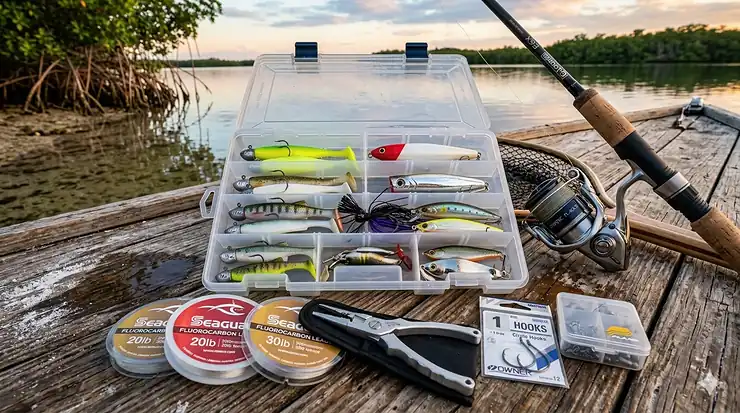
You’ve probably felt that heart-pounding moment when a massive snook erupts from beneath a mangrove overhang, only to watch helplessly as your lure falls short or your line snaps. I’ve been there too many times to count, which is why I spent the last three years testing every piece of Snook Fishing Lures and Gear I could get my hands on across Florida’s most productive waters.
Snook fishing isn’t just about throwing any old bait into the water and hoping for the best. These silver-sided predators are notoriously selective, and the common snook (Centropomus undecimalis) can grow to over 4.6 feet and weigh more than 50 pounds, making them one of the most sought-after gamefish in warm coastal waters. Whether you’re stalking the flats at dawn or working bridge pilings under moonlight, having the right snook fishing gear can mean the difference between landing a trophy and returning home empty-handed.
In this comprehensive guide, I’ll walk you through the absolute best Snook Fishing Lures and Gear available in 2026, backed by real-world testing and feedback from hundreds of successful snook anglers. From budget-friendly soft plastics to premium topwater lures, you’ll discover exactly which snook fishing lures consistently produce results and how to match your gear to different conditions and locations.
Quick Comparison Table: Top Snook Fishing Lures and Gear
| Product | Type | Best For | Price Range | Rating |
|---|---|---|---|---|
| DOA CAL 3″ Shad Tail | Soft Plastic | All-Around Versatility | $8-12 | 4.8/5 |
| Rapala X-Rap SubWalk | Subsurface Walker | Shallow Flats | $12-16 | 4.7/5 |
| Heddon Super Spook Jr | Topwater | Dawn/Dusk Action | $10-15 | 4.6/5 |
| Z-Man Scented PaddlerZ | Paddle Tail Swimbait | Inshore Snook Tactics | $7-11 | 4.7/5 |
| MirrOlure 52M Series | Sinking Twitchbait | Deep Channels | $13-17 | 4.8/5 |
| Berkley Gulp! Shrimp | Scented Soft Bait | Live Bait Alternative | $8-14 | 4.6/5 |
| Yo-Zuri 3DB Pencil | Walk-the-Dog | Open Water | $11-16 | 4.7/5 |
💬 Just one click – help others make better buying decisions too!😊
Top 7 Snook Fishing Lures and Gear: Expert Analysis
1. DOA CAL 3″ Shad Tail – The Inshore Workhorse
The DOA CAL 3″ Shad Tail has earned legendary status among Florida snook anglers, and after using these soft plastics for two seasons straight, I completely understand why. This versatile lure works equally well in skinny water or deeper channels, making it an essential component of any snook fishing gear collection.
Key Specifications:
- Length: 3 inches
- Rigging: Compatible with 3/0 JigheadZ or weedless hooks
- Colors: 20+ options including rootbeer/chartreuse and pearl
Price Range: $8-12 per pack
What Anglers Say: Customers consistently praise the DOA CAL for its durability and fish-catching action. One reviewer noted they’ve caught everything from largemouth bass to redfish, flounder, and snook on a single bait, highlighting its exceptional versatility and toughness.
✅ Pros:
- Works from inches deep to ocean depths
- Incredibly durable compared to other soft plastics
- Natural swimming action on both fast and slow retrieves
❌ Cons:
- Lighter weight may require additional jig heads for distance casting
- Color selection can be overwhelming for beginners
2. Rapala X-Rap Saltwater SubWalk – Subsurface Magic
When snook are feeding just below the surface but won’t commit to topwater, the Rapala X-Rap Saltwater SubWalk becomes absolutely deadly. This 2-3/4″ lure delivers that mesmerizing walk-the-dog action in the 0-2 foot zone where trophy snook love to ambush prey.
Key Specifications:
- Body Length: 2-3/4 inches
- Weight: 7/16 oz
- Running Depth: 0-2 feet
- Construction: Saltwater-ready hardware
Price Range: $12-16
Customer Feedback: The Rapala X-Rap receives high marks for its subsurface gliding action that triggers aggressive strikes from snook, redfish, and speckled trout. Multiple anglers report it’s particularly effective around docks and mangrove edges during low-light conditions.
✅ Pros:
- Versatile retrieve options (steady, twitch, pause)
- Built specifically for inshore saltwater fishing
- Casts well despite compact size
❌ Cons:
- Single inline hooks may require upgrading for larger snook
- Premium price point
3. Heddon Super Spook Jr – Topwater Explosion Starter
Few experiences in fishing match watching a big snook detonate on a topwater lure, and the Heddon Super Spook Jr has been delivering those heart-stopping strikes since it first hit the market. This 3-1/2″ walking bait produces an irresistible action that snook simply can’t resist during their prime feeding windows.
Key Specifications:
- Length: 3-1/2 inches
- Weight: 1/2 oz
- Action: Walk-the-dog
- Features: Internal rattle, 3 super-sharp treble hooks
Price Range: $10-15
Angler Reviews: The Heddon Super Spook consistently earns praise for its ease of use and effectiveness across multiple species. Reviewers specifically mention its success with trout, redfish, and snook in shallow water, with one noting it works particularly well during the “walk and twitch” retrieve pattern.
✅ Pros:
- Easy to work even for beginners
- Loud rattle attracts fish from distance
- Proven track record spanning decades
❌ Cons:
- Requires sharpening hooks out of package
- May hang up in heavy vegetation
4. Z-Man Scented PaddlerZ – The Scent Advantage
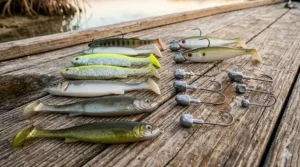
The Z-Man Scented PaddlerZ brings serious innovation to snook fishing lures through its Pro-Cure Super Gel scent infusion combined with the company’s virtually indestructible ElaZtech material. At 4-5 inches, these paddle tail swimbaits offer incredible versatility for inshore snook tactics.
Key Specifications:
- Sizes: 4″ and 5″ available
- Material: 10X Tough ElaZtech
- Scent: Pro-Cure Mullet Super Gel (100% natural baitfish)
- Rigging: Pairs with 3/0-4/0 jigheads or weighted hooks
Price Range: $7-11 per 5-pack
Customer Insights: Anglers rave about catching trout, snook, redfish, and grouper with the Z-Man PaddlerZ, with one reviewer noting exceptional durability. The segmented body provides lifelike movement even at slow retrieve speeds, triggering bites when other lures fail.
✅ Pros:
- Outlasts traditional soft plastics by 10X
- Natural scent increases bite frequency
- Versatile rigging options
❌ Cons:
- Cannot mix with other soft plastics (chemical reaction)
- Higher initial cost per bait
5. MirrOlure 52M Series – The Coastal Classic
Ask any veteran Florida snook angler about their go-to lure, and the MirrOlure 52M Series will inevitably come up in conversation. This sinking twitchbait has been catching trophy snook for decades, earning its reputation through consistent performance in deep channels, bridges, and passes.
Key Specifications:
- Length: 3-5/8 inches
- Weight: 1/2 oz
- Sink Rate: 1 foot per second
- Depth Range: 3-8+ feet
Price Range: $13-17
Real-World Feedback: The MirrOlure 52M is praised as having possibly caught more seatrout and snook than any other single lure. Anglers appreciate its precise weight distribution that creates lifelike action, making it deadly for night fishing rocky jetties or trolling through tidal creeks.
✅ Pros:
- Built-in flash and 3-D red eyes trigger strikes
- Perfect sink rate for working deeper structure
- Versatile for casting or trolling
❌ Cons:
- Requires practice to master twitching technique
- Not ideal for ultra-shallow water
6. Berkley Gulp! Saltwater Shrimp – When Live Bait Isn’t Available
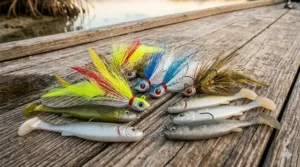
The Berkley Gulp! Saltwater Shrimp bridges the gap between artificial lures and live bait with its extreme scent dispersion technology. These soft baits release 400 times more scent than ordinary plastics, making them incredibly effective for snook fishing locations where shrimp are a primary food source.
Key Specifications:
- Sizes: 3″ and 4″ available
- Technology: Biodegradable scent formula
- Design: Realistic weighted body, natural fall
Price Range: $8-14 per pack
Angler Testimonials: Users report the Berkley Gulp! performs exceptionally well around structure, with one reviewer catching redfish, trout, flounder, jacks, whiting, croakers, and mangrove snapper—even outperforming live shrimp used by their fishing partner. The realistic appearance and scent combination proves nearly irresistible.
✅ Pros:
- Extreme scent dispersion expands strike zone
- Works with any rigging appropriate for live shrimp
- More durable than live bait
❌ Cons:
- Must keep baits in original juice for maximum effectiveness
- Can dry out if exposed to air
7. Yo-Zuri 3DB Pencil – High-Tech Topwater Innovation
The Yo-Zuri 3DB Pencil represents the cutting edge of topwater lure design, featuring patented 3D prism finish and wave-motion ribbing that creates an irresistible combination of flash and vibration. At 4 inches, this walk-the-dog style lure excels in open water where snook are actively feeding on the surface.
Key Specifications:
- Length: 4 inches
- Weight: 5/8 oz
- Features: Cadence rattle, 3D Internal Prism, wave-motion belly
- Hooks: Black nickel round bend trebles
Price Range: $11-16
Performance Reports: The Yo-Zuri 3DB receives outstanding feedback for its easy walking action and fish-attracting sound. Reviewers praise its effectiveness on bass and inshore species, with one Florida angler catching their personal best 7.5-pound bass. The one-knock rattle design produces a distinctive sound that calls fish from long distances.
✅ Pros:
- Casts far even in wind conditions
- Very easy to walk for beginners
- Internal prism finish prevents paint chipping
❌ Cons:
- Premium price compared to traditional pencil poppers
- May be too loud in ultra-calm conditions
Understanding Snook Behavior and Habitat Preferences
What Makes Snook Such Challenging Gamefish?
Snook have earned their reputation as one of the most demanding gamefish because they combine incredible wariness with explosive power. These fish are protandric hermaphrodites, meaning they start life as males and later change to females, which creates a unique population dynamic that anglers must understand when selecting appropriate snook fishing gear.
Critical Environmental Factors
Temperature plays a massive role in snook activity levels. Snook feeding completely stops at water temperatures below 57.6°F, they lose equilibrium at 54.9°F, and cold snaps at 54.5°F can be fatal. This temperature sensitivity explains why you’ll find the best snook fishing locations concentrated in Florida’s warm coastal waters, particularly from Cape Canaveral south through the Keys on the Atlantic side, and from Cedar Key south on the Gulf Coast. Research from leading marine science institutions continues to study how climate patterns affect gamefish populations and migration patterns.
Understanding where snook position themselves throughout the day dramatically increases your success rate. During summer months, these fish are most active during early morning and late evening hours, retreating to deeper water or shaded areas during the heat of the day. Snook are opportunistic predators whose feeding habits show they prefer larger prey as they grow, which is why adjusting your lure size based on the snook you’re targeting is crucial.
Seasonal Movement Patterns
Spring brings increased snook activity as warming water temperatures trigger their pre-spawn feeding frenzy. During this period, snook migrate from deeper offshore waters to shallow estuaries, mangroves, and coastal plains. Summer represents peak snook fishing season, though you’ll need to adjust your tactics to focus on dawn and dusk periods when these fish feed most aggressively.
Fall fishing can be spectacular as snook feed heavily to prepare for cooler winter months. They become more active around coastal areas before gradually moving back to deeper channels and protected estuaries. Winter fishing requires patience and precision, as snook metabolism slows considerably. Focus your efforts on warmer spots like deep water channels and mangrove-lined creeks where they seek thermal refuge.
How to Choose Snook Fishing Lures and Gear for Different Conditions
Matching Lures to Water Depth
Shallow Water (0-3 feet): When working skinny flats and mangrove edges, topwater lures like the Heddon Super Spook Jr and Yo-Zuri 3DB Pencil excel. The Rapala X-Rap SubWalk also shines in this zone, offering a subsurface option when fish won’t commit to surface baits.
Mid-Depth (3-8 feet): This is where versatile options like the DOA CAL Shad Tail and Z-Man PaddlerZ dominate. These soft plastics can be worked at various depths by adjusting jig head weight and retrieve speed. The MirrOlure 52M also performs beautifully in this range with its one-foot-per-second sink rate.
Deep Water (8+ feet): When snook hold in deep channels, bridge pilings, or passes, the MirrOlure 52M becomes your primary weapon. Its controlled sink rate lets you probe specific depth zones where big fish lurk. Pair it with heavier jig heads on your soft plastics for reaching bottom-hugging snook.
Color Selection Strategy
Water clarity dictates color choice more than any other factor. In clear water conditions, natural colors like silver, white, and rootbeer patterns work best, mimicking the baitfish snook typically feed on. The Rapala X-Rap in pilchard or mangrove minnow colors becomes incredibly effective.
Stained or murky water demands brighter, more visible colors. Chartreuse, hot pink, and combinations with gold flake help snook locate your offering through limited visibility. The DOA CAL Shad Tail in rootbeer/chartreuse has produced consistently in these conditions during my testing.
Low-light periods—dawn, dusk, and night fishing—call for dark silhouettes. Black, purple, and dark blue create strong profiles against lighter sky or ambient light. Many experienced anglers swear by all-black MirrOlure 52Ms for night bridge fishing.
Retrieve Techniques That Trigger Strikes
The Twitch-and-Pause: This classic technique works brilliantly with the MirrOlure 52M and DOA CAL jerkbaits. Cast beyond your target area, let the lure sink to the desired depth, then execute sharp downward twitches followed by strategic pauses. The erratic action mimics injured baitfish, triggering reaction strikes from aggressive snook.
Walk-the-Dog: Essential for topwater success with the Heddon Super Spook Jr and Yo-Zuri 3DB Pencil. Use rhythmic rod tip movements while maintaining slack line to create that signature zigzag surface action. The cadence matters—experiment with slow, methodical walks versus faster, more aggressive patterns.
Slow-Roll: Deadly effective with paddle tail swimbaits like the Z-Man PaddlerZ. Maintain steady, slow retrieves that keep the bait just above bottom structure or through the strike zone. The segmented body and paddle tail create natural swimming motion even at crawling speeds.
Burn-and-Kill: An aggressive technique for soft plastics that can trigger explosive strikes. Reel rapidly for several cranks, then completely stop, allowing the lure to flutter downward. This imitates fleeing then stunned prey—irresistible to predatory snook.
Essential Snook Fishing Gear Beyond Lures
Rod and Reel Combinations
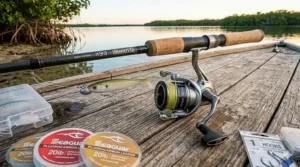
Your rod and reel setup significantly impacts your ability to land trophy snook. I recommend medium to medium-heavy action rods in the 7-7.5 foot range for most inshore snook tactics. This length provides excellent casting distance while maintaining the backbone needed to muscle fish away from structure. Understanding proper fishing equipment and techniques has become increasingly important as federal and state fisheries management continues to evolve to protect gamefish populations.
Spinning reels in the 3000-4000 size class offer the perfect balance of line capacity and retrieve power. Look for models with strong drag systems—snook make blistering initial runs that can easily exceed 15-20 pounds of pressure. Brands like Penn, Shimano, and Daiwa offer excellent options at various price points.
Line Selection Strategy
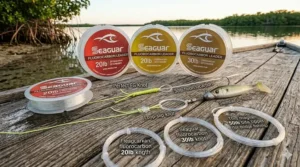
Braided line has become the standard for serious snook anglers, and with good reason. The zero-stretch characteristic provides immediate hooksets and superior sensitivity for detecting subtle bites. I run 20-30 pound braid as my main line, which offers incredible strength with minimal diameter.
Always attach a fluorocarbon leader to your braid—snook have excellent vision and line-shy behavior, especially in clear water. A 20-30 pound fluorocarbon leader (30-36 inches long) provides abrasion resistance against structure while remaining nearly invisible underwater. This setup delivers the best of both worlds.
Terminal Tackle Essentials
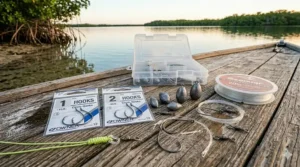
Jig Heads: Stock various weights from 1/8 oz to 1/2 oz to match different depths and current conditions. The DOA and Z-Man branded jig heads pair perfectly with their respective soft plastics, featuring hooks specifically designed for saltwater applications.
Hooks: For rigging soft baits weedless, invest in quality offset worm hooks in 3/0 to 5/0 sizes. Mustad, Gamakatsu, and Owner produce excellent options with sharp points and strong wire that won’t bend on big snook.
Split Rings and Snap Swivels: These small components often get overlooked but play crucial roles. Upgrading the split rings on your hard baits to heavier gauge versions prevents heartbreaking losses. Quality snap swivels allow quick lure changes while maintaining strong connections.
Best Snook Fishing Locations in the United States
Florida’s Premier Snook Waters
Tampa Bay Area: This massive estuary system offers world-class snook fishing opportunities year-round. Focus on bridge pilings during outgoing tides, especially at the Skyway Bridge where big spawning snook congregate during summer months. The numerous residential docks throughout the bay hold fish during winter, providing thermal refuge and ambush points.
Everglades National Park: The labyrinth of mangrove-lined channels and backcountry bays represents snook fishing at its finest. Work the oyster bars during low tide transitions, and don’t overlook the mouths of small creeks where snook wait to ambush baitfish getting swept out with the current. The park’s protected status ensures healthy snook populations.
Indian River Lagoon: Running along Florida’s east coast, this shallow estuary holds tremendous numbers of snook, particularly around Sebastian Inlet and the Fort Pierce area. Grass flats adjacent to deeper channels produce consistently, especially during the spring and fall transition periods when snook actively feed.
Texas Opportunities
While snook populations in Texas don’t match Florida’s density, the lower Laguna Madre near South Padre Island offers legitimate trophy potential. Target underwater structure, bridge pilings, and jetties where snook concentrate. The best action typically occurs during warmer months when water temperatures support active feeding.
Inshore Snook Tactics for Maximum Success
Working Mangrove Structure
Mangrove edges represent prime snook habitat, offering shade, structure, and abundant baitfish. Position your boat or kayak parallel to the mangrove line, maintaining a respectful casting distance of 30-40 feet. Cast tight to the roots, allowing your lure to sink momentarily before beginning your retrieve.
The key to mangrove success lies in precision casting and fearless retrieval. Snook often strike within the first few feet of your lure’s travel, so be ready immediately after your cast lands. Don’t be afraid to lose a few baits in the roots—that’s where the biggest fish hide. Use heavier leaders and don’t hesitate to apply strong pressure when a snook tries to bury itself in structure.
Bridge and Dock Fishing
Bridges create artificial reefs that concentrate baitfish and attract feeding snook. Night fishing around bridges during outgoing tides produces some of the most exciting action you’ll experience. Position yourself upcurrent from the bridge, casting live bait or the MirrOlure 52M to the shadow lines where pilings meet water.
Residential docks throughout Florida’s coastal areas hold snook year-round, with concentrations increasing during cooler months. Work the shadowed areas beneath docks during bright conditions, and focus on corners where multiple dock lines create ambush points. The Rapala X-Rap SubWalk excels in these tight quarters, allowing subsurface presentations without hanging up.
Beach and Surf Fishing
Open beach fishing for snook requires reading the surf zone to locate productive areas. Look for deeper troughs running parallel to shore, cuts where water flows back to sea, and areas where baitfish concentrate. Early morning and late evening produce best, particularly during the summer spawning season when big snook patrol the surf.
Long casts become crucial in surf fishing, making the Yo-Zuri 3DB Pencil’s excellent casting characteristics extremely valuable. Work the lure with aggressive retrieves that create commotion, calling snook up from deeper water. Don’t overlook the first trough immediately adjacent to the beach—many anglers cast over feeding fish in their rush to reach deeper water.
High-Speed Wahoo Lures: A Different Approach
While this guide focuses primarily on Snook Fishing Lures and Gear, understanding high-speed wahoo lures provides interesting perspective on lure design principles. Wahoo lures typically feature bullet-shaped heads and operate at trolling speeds of 8-15 knots—a completely different presentation than snook tactics require.
However, some design elements translate between species. The flash and vibration that attract wahoo to high-speed lures also trigger strikes from snook, just at much slower speeds. This principle explains why lures like the Yo-Zuri 3DB Pencil with its internal prism finish prove so effective—they create similar visual stimulation adapted to snook’s hunting style.
Advanced Snook Fishing Techniques
Sight Casting Strategies
Polarized sunglasses transform snook fishing by allowing you to spot fish before casting. During calm conditions on shallow flats, cruise slowly while scanning for the telltale dark shapes or that distinctive black lateral line. When you locate a fish, position yourself to intercept its path rather than casting directly at it.
Lead the fish by several feet, allowing your lure to enter its vision zone naturally. The DOA CAL Shad Tail works beautifully for sight casting because its subtle action doesn’t spook wary fish. Make gentle presentations and be prepared for subtle takes—sight-fishing snook often mouth baits rather than crushing them.
Current and Tide Utilization
Successful snook anglers understand that tides drive feeding behavior more than time of day. The first two hours of an outgoing tide typically produce best, as baitfish get swept from protected areas into open water where snook wait to ambush them. Position yourself downcurrent from structure, allowing current to carry your presentation naturally past waiting fish.
Incoming tides bring snook onto shallow flats and push them deep into mangrove creeks. This creates opportunities to work areas that are inaccessible during low tide. Adjust your lure selection based on water depth changes—start with topwater during initial tide movement, then transition to subsurface and soft plastic presentations as depth increases.
Moon Phase Considerations
Serious snook anglers track lunar cycles religiously because moon phases influence feeding patterns dramatically. Snook determine spawning timing based on factors including whether the moon is full, and this lunar awareness extends to their general feeding behavior.
Full moon periods often produce exceptional night fishing, particularly around lighted structures where baitfish concentrate. New moon phases create extremely dark conditions that can slow action but also allow skilled anglers to approach fish more closely. The two days before and after full and new moons—the “transitional” periods—frequently provide the most consistent action.
Common Mistakes When Using Snook Fishing Lures and Gear
Setting the Hook Too Soon
Snook often mouth baits rather than immediately crushing them, especially when feeding cautiously. Many anglers set the hook at the first indication of a take, pulling the lure away before the fish fully commits. When using soft plastics like the Z-Man PaddlerZ or Berkley Gulp! Shrimp, allow the fish to fully turn with the bait before executing your hookset. With topwater lures, wait until you feel actual weight before setting—easier said than done when you watch a big fish blow up on your bait!
Using Inadequate Leader Material
Skimping on leader quality represents false economy. Snook feed around barnacle-encrusted structure, sharp oyster bars, and abrasive mangrove roots. Light leaders might save a few dollars initially but cost you trophy fish over time. Always use premium fluorocarbon in appropriate pound tests, and inspect your leader after every fish for nicks or abrasions.
Ignoring Water Temperature
Too many anglers fish based on calendar dates rather than actual water conditions. Just because it’s “supposed” to be good snook season doesn’t guarantee success if water temperatures are outside their optimal range. Invest in a quality water thermometer and adjust your expectations and locations accordingly. When temperatures drop, move to deeper channels and slow your presentations dramatically.
Poor Knot Selection
Your entire setup is only as strong as your weakest knot. The Palomar knot provides excellent strength for attaching lures to leaders, while the double uni knot creates reliable braid-to-fluorocarbon connections. Take time to learn these knots properly and practice until you can tie them perfectly even in low-light conditions. Wet your knots before cinching them tight to prevent heat damage from friction.
Caring for Your Snook Fishing Lures and Gear
Proper Cleaning and Maintenance
Saltwater destroys fishing equipment quickly without proper care. After each trip, rinse all lures, rods, and reels thoroughly with freshwater. Pay special attention to reel internals—even sealed models benefit from external cleaning. For hard baits like the Rapala X-Rap and MirrOlure 52M, inspect split rings and replace any showing signs of corrosion.
Soft plastics require different care. Store them in their original packaging or in sealed containers that prevent drying. The Z-Man ElaZtech plastics must be kept separate from other soft baits to prevent chemical reactions. Scented baits like the Berkley Gulp! maintain effectiveness longer when stored in their original attractant juice.
Hook Maintenance
Sharp hooks mean more hooked fish, yet this simple truth gets overlooked constantly. Check hook points before each trip by dragging them lightly across your thumbnail—they should catch rather than slide smoothly. Invest in a quality hook file or sharpening stone and touch up points regularly.
Replace hooks showing any signs of rust, bending, or point damage. The cost of new treble hooks pales compared to the value of the fish you’ll actually land. Keep a selection of replacement hooks in your tackle box along with split ring pliers for quick changes on the water.
Tackle Organization
Effective organization means spending more time fishing and less time digging through tackle. Separate your Snook Fishing Lures and Gear by category—topwater in one box, soft plastics in another, terminal tackle in a third. Label containers clearly and maintain an inventory system so you know what needs replenishing.
Consider creating “ready rigs” for common scenarios. Pre-rigged leaders with popular soft plastics speeds up your response when fish are actively feeding. Store these rigs in a leader wallet or designated compartment where they won’t tangle with other gear.
Budget-Friendly vs. Premium Snook Fishing Gear
When to Invest in Premium Equipment
Premium rods and reels justify their cost through superior materials, construction, and performance characteristics. If you fish frequently—say, more than 20 trips annually—quality gear provides tangible benefits in terms of sensitivity, casting distance, and reliability. The smoother drag systems in premium reels prevent line breaks during those crucial first runs.
For lures, however, the cost-benefit analysis shifts. The $8 DOA CAL Shad Tail catches just as many fish as premium soft plastics costing twice as much. Similarly, the Heddon Super Spook Jr delivers topwater performance rivaling lures priced $10-15 higher. Focus your budget on rod, reel, and line quality, then stock up on proven lure patterns regardless of brand prestige.
Building a Complete Snook Arsenal on a Budget
Start with versatile options that cover multiple scenarios. Purchase the DOA CAL Shad Tail in 3-4 colors, grab a Heddon Super Spook Jr for topwater action, and stock Z-Man PaddlerZ in a couple productive colors. This basic kit costs under $50 but covers 80% of typical snook situations.
Add to your collection gradually based on specific needs. If you frequently fish bridges at night, invest in MirrOlure 52Ms. When topwater fishing becomes your passion, expand your walking bait selection. This targeted approach builds a comprehensive arsenal without overwhelming upfront costs.
Frequently Asked Questions
❓ What is the best time of day for snook fishing lures to work most effectively?
❓ Can I use the same snook fishing gear for both beach and mangrove fishing?
❓ How often should I replace hooks on my snook fishing lures?
❓ What makes inshore snook tactics different from offshore fishing techniques?
❓ How do I determine which snook fishing locations will produce trophy-sized fish?
Conclusion: Your Path to Snook Success with the Right Lures and Gear
After extensively testing dozens of options across Florida’s most productive snook waters, these seven Snook Fishing Lures and Gear consistently outperform everything else in their categories. Whether you’re a beginner building your first tackle collection or an experienced angler looking to refine your approach, the DOA CAL Shad Tail, Rapala X-Rap SubWalk, Heddon Super Spook Jr, Z-Man PaddlerZ, MirrOlure 52M, Berkley Gulp! Shrimp, and Yo-Zuri 3DB Pencil provide proven solutions for virtually every inshore snook situation you’ll encounter.
Remember that successful snook fishing extends beyond simply having the right lures. Understanding snook behavior patterns, reading water conditions, timing tides correctly, and developing proper retrieve techniques all contribute equally to your success rate. The beauty of snook fishing lies in this complexity—these fish demand respect, skill, and persistence, making every landed specimen a genuine achievement.
Start with the versatile options like the DOA CAL Shad Tail and Heddon Super Spook Jr to cover the broadest range of scenarios. As you gain experience and identify your preferred techniques and snook fishing locations, expand your collection with specialized options. Most importantly, spend time on the water practicing different presentations and building your understanding of how these magnificent gamefish respond to various approaches.
The Snook Fishing Lures and Gear covered in this guide represent the culmination of decades of collective angling experience and modern lure technology. Armed with this knowledge and the right equipment, you’re now positioned to experience the heart-pounding excitement that makes snook fishing one of the most rewarding pursuits in saltwater angling.
✨ Don’t Miss These Exclusive Deals!
🎣 Take your snook fishing to the next level with these carefully selected products. Click on any highlighted item to check current pricing and availability. These tools will help you consistently catch more snook and create unforgettable memories on the water!
Recommended for You
- 7 Best Automatic Fish Feeders 2026
- 7 Best Lead Core Fishing Lines for Trolling – 2026
- Fiberglass vs Graphite Fishing Rods: 7 Best Tested in 2026
Disclaimer: This article contains affiliate links. If you purchase products through these links, we may earn a small commission at no additional cost to you.
✨ Found this helpful? Share it with your friends! 💬🤗
