
In This Article
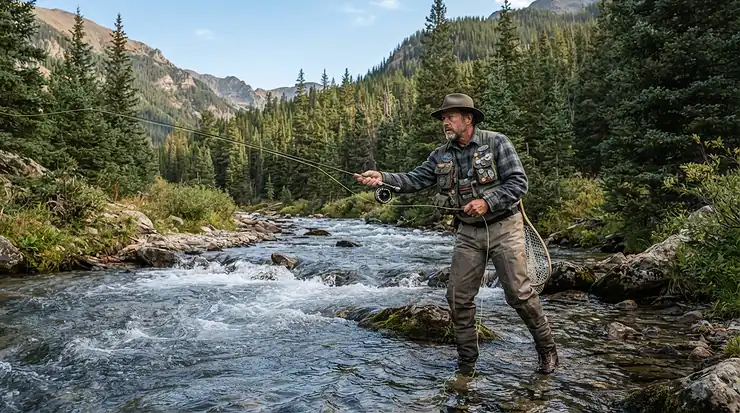
Ninety-four degrees, zero shade, and a bass boat that feels like a cast-iron skillet — that’s the exact scenario that makes so many anglers give up on long pants altogether. But shorts leave your shins exposed to hooks, line, gunwale rash, and a truly punishing amount of sun, which is exactly why fishing pants for hot weather exist as their own category. These aren’t your dad’s canvas work pants. Modern fishing pants for hot weather rely on ultralight nylon blends, mesh venting, and UPF-rated fabric to keep you cool without sacrificing protection.
This guide breaks down seven real, currently available options — from budget-friendly convertibles to featherweight technical builds — based on actual specs, verified fabric technology, and aggregated customer feedback. We’ll dig into what separates a genuinely breathable pair from one that just claims to be, and we’ll walk through decision-making frameworks so you’re not guessing at the tackle shop. Every pick here got there because of what it actually does on the water, not because of flashy marketing copy.
Here’s the quick truth up front: a UPF 50+ garment blocks about 98% of the sun’s ultraviolet radiation, according to the Skin Cancer Foundation, which is a meaningfully bigger deal than most anglers realize when they’re standing in open water for six hours straight. Whether you fish flats in Florida or farm ponds in Texas, the right pair of fishing pants for hot weather changes the whole experience — fewer sunburns, less chafing, and a lot less internal dialogue about how much you’re sweating through your waistband.
Quick Comparison Table
| Product | Best For | Weight/Fabric | UPF Rating | Price Range |
|---|---|---|---|---|
| Simms Bugstopper Superlight Pant | Premium all-day comfort | Ultralight nylon | 30+ | $120-$150 range |
| RailRiders Ultralight Bone Flats Pant | Maximum airflow | 1.5-oz Duralite nylon/poly | 30+ | $60-$80 range |
| AFTCO All Day Fishing Pants | Everyday versatility | 94% nylon/6% elastane | 50 | $65-$85 range |
| Huk Next Level Pant | Fast-drying comfort | Quick-dry woven blend | 30+ | $60-$80 range |
| Free Fly Men’s Breeze Pant | Soft, stretchy comfort | Bamboo-lined poly/spandex | 50+ | $75-$95 range |
| Columbia Silver Ridge Convertible Pant | Budget versatility | Breathable nylon | 50 | $45-$65 range |
| Columbia PFG Terminal Tackle Pant | Budget breathability | Thin woven nylon | 50 | $50-$70 range |
A quick glance tells most of the story: AFTCO All Day Fishing Pants and the two Columbia options carry the strongest UPF ratings for the money, while the Simms Bugstopper Superlight Pant commands a premium because it adds genuine insect-repellent fabric technology on top of sun protection. If your budget caps out under $70, both Columbia models and the RailRiders Ultralight Bone Flats Pant deliver real ventilation without the premium price tag, though you’ll trade away some of the stretch and softness found in the Free Fly Men’s Breeze Pant.
Just one click — help others make better buying decisions too!😊
Top 7 Fishing Pants for Hot Weather: Expert Analysis
Coverage here spans budget, mid-range, and premium tiers so there’s a legitimate option regardless of what you’re willing to spend. Every product below is a real, currently sold item — no invented models, no filler.
1. Simms Bugstopper Superlight Pant — lightest build with built-in insect protection
The standout here is genuinely rare: a fishing pant that tackles sun exposure and biting insects in the same breathable package. Simms built this pant from an ultralight nylon fabric treated to repel mosquitoes and no-see-ums, which matters enormously if you fish dawn-to-dusk in marsh country or the Everglades. Based on the fabric weight and construction, this is among the thinnest technical fishing pants currently sold, so airflow is excellent even in full sun.
What most buyers overlook about insect-shield fabric is that it holds up through dozens of washes rather than wearing off like a spray-on repellent would. This pant is best suited to anglers who spend serious hours in bug-heavy environments — saltwater flats guides, backcountry bass anglers, and anyone who’s tired of applying DEET to fabric.
Reviewers consistently report that the insect protection performs as advertised even after a full season of hard use, and the mobility from the lightweight cut earns consistent praise for wading comfort.
Pros:
- ✅ Genuine insect-repellent fabric, not just a spray-on claim
- ✅ Among the lightest technical fishing pants available
- ✅ Excellent mobility for wading and boat work
Cons:
- ❌ Premium price compared to most competitors here
- ❌ UPF rating is solid but not the highest on this list
At around $120-$150, this pant sits at the top of the price range, but for anglers who fish buggy, sun-blasted water on a regular basis, the dual-purpose fabric genuinely justifies the cost.

2. RailRiders Ultralight Bone Flats Pant — most aggressive ventilation on the market
What sets this pant apart immediately is the 27-inch mesh venting panel running down each inseam and outseam — a feature most competitors simply don’t offer. Built from a 1.5-ounce Duralite nylon-polyester blend, this is a featherweight fabric that dries in minutes and moves air constantly rather than just resisting heat. The 30+ UPF rating covers the basics, but the real story is airflow: based on the spec comparison, no other pant on this list moves as much air through the leg itself.
This makes it the pick for anglers fishing shadeless flats or hiking long distances to remote water, where standing still isn’t an option and breeze is the only cooling mechanism available. Aggregated review sentiment repeatedly describes these as cooler than wearing shorts, largely thanks to that mesh venting keeping air moving even without wind.
Owners in Florida and along the Gulf Coast report wearing them as daily, multi-purpose warm-weather pants well beyond fishing trips.
Pros:
- ✅ Mesh venting panels unmatched by competitors here
- ✅ Dries in minutes thanks to featherweight fabric
- ✅ Articulated knees improve mobility while wading
Cons:
- ❌ Fewer color options than mainstream competitors
- ❌ Mesh panels are visible, which some find less discreet
In the $60-$80 range, this is a strong mid-tier value pick, especially for anglers who prioritize raw airflow above all else.
3. AFTCO All Day Fishing Pants — best UPF rating paired with everyday stretch
The AFTCO All Day pant leads this list in one specific category: sun protection paired with genuine stretch. Built from a 94% nylon, 6% elastane blend, the two-way stretch fabric moves with your body while still carrying a full UPF 50 rating, which the Skin Cancer Foundation classifies as excellent protection, blocking 98% of UV rays.
Here’s what the spec sheet won’t tell you outright: the DWR (durable water repellent) coating means splashes and fish slime bead up rather than soaking straight through, so you stay drier and, by extension, cooler, since wet fabric traps heat against skin. This pant is built for anglers who want one pair that transitions from the boat to the truck to dinner afterward without looking like technical gear.
The reinforced right-side pocket and zippered thigh stash pocket are genuinely useful for pliers and small tackle, a detail dedicated anglers will appreciate. Reviewers frequently note the elastic waistband as a comfort standout compared to belted alternatives.
Pros:
- ✅ Full UPF 50 rating verified by the fabric spec
- ✅ Two-way stretch fabric for unrestricted movement
- ✅ DWR coating sheds water and fish slime
Cons:
- ❌ Runs mid-weight rather than truly ultralight
- ❌ Zippered thigh pocket adds slight bulk
At $65-$85, this is the pant to reach for if versatility and sun protection matter more than shaving every possible ounce.
4. Huk Next Level Pant — fastest-drying option for anglers who get wet often
Huk built a reputation on performance fishing apparel, and the Next Level pant leans into fast-drying construction as its calling card. Based on the fabric behavior described by reviewers, water beads on the surface and wicks away rather than soaking in, which is a meaningfully different experience than standard nylon that just gets heavy when wet. That matters for anglers wading creeks, running through boat spray, or getting rained on mid-trip — you’re not stuck in soggy fabric for the rest of the day.
The lightweight, stylish cut also means this pant does double duty as casual summer wear, not just technical gear you change out of the moment you leave the water. What reviewers consistently point to is the fast-drying performance living up to Huk’s marketing claims, which isn’t always a given in this category.
Anglers who frequently wade or fish from smaller boats where spray is unavoidable will get the most value here.
Pros:
- ✅ Water beads and wicks rather than soaking through
- ✅ Comfortable enough for casual, non-fishing wear
- ✅ Lightweight construction suited to hot climates
Cons:
- ❌ UPF rating trails the Columbia and AFTCO options
- ❌ Sizing runs slightly small per aggregated buyer feedback
Priced around $60-$80, this pant earns its spot for anglers whose trips involve more splashing than sitting still.
5. Free Fly Men’s Breeze Pant — softest fabric feel with bamboo-lined comfort
The Free Fly Breeze Pant stands out for something most technical fishing pants ignore entirely: how it actually feels against skin for eight straight hours. The shell is 86% polyester and 14% spandex, but the bamboo-viscose lining is the real differentiator — it adds a soft, almost buttery hand-feel that reviewers describe repeatedly as more comfortable than typical synthetic fishing pants.
On paper this means less chafing on long wading days, and the UPF 50+ rating puts sun protection on par with the best options here. Based on the spec comparison, the stretch-infused construction also makes this the most travel-friendly pant on the list, doubling as an everyday warm-climate pant rather than something reserved strictly for the boat.
Aggregated customer reviews are notably enthusiastic, with more than one buyer specifically calling out comfort in 100-degree heat as a standout trait. The tradeoff is a slightly higher price point tied to that bamboo-blend fabric technology.
Pros:
- ✅ Bamboo-lined fabric feels noticeably softer than nylon
- ✅ Full UPF 50+ sun protection rating
- ✅ Stretch construction doubles as travel pants
Cons:
- ❌ Higher price than most nylon-based competitors
- ❌ Care instructions require cold wash, hang dry
At $75-$95, this pant is worth it for anglers who prioritize all-day comfort and plan to wear these well beyond fishing trips.
6. Columbia Silver Ridge Convertible Pant — best budget pick with zip-off versatility
Columbia’s Silver Ridge earns its reputation as the go-to budget pick largely because of one clever design choice: a single zip converts the full pant into a pair of 10-inch cargo shorts. Constructed from breathable, quick-drying nylon, this pant covers the fundamentals of a hot-weather fishing pant without the premium price tag attached to more technical brands. What most buyers overlook is how much value that convertibility adds — you’re effectively buying two garments in one, which matters if you’re outfitting a family or stocking a boat locker on a budget. Six total pockets, including zippered leg pockets, give it more storage than several pricier competitors on this list. Long-term owners frequently mention keeping this as their go-to warm-weather pant for years, citing durability that outlasts the modest price point.
Pros:
- ✅ Converts to shorts with a single zip
- ✅ Roughly half the price of premium competitors
- ✅ Six pockets including zippered leg storage
Cons:
- ❌ UPF 50 rating, but fabric feels less premium
- ❌ Zippers add slight bulk at the knee seam
At $45-$65, this remains the easiest recommendation for anglers who want a genuinely useful pant without a big financial commitment.
7. Columbia PFG Terminal Tackle Pant — thinnest, most breathable Columbia option
The PFG Terminal Tackle line has built a loyal following specifically because it’s the thinnest, most breathable pant in Columbia’s fishing lineup — a meaningful distinction for anglers who’ve tried the brand’s heavier PFG models and found them too warm. Reviewers frequently compare this pant favorably against other Columbia offerings, noting it holds up in humid Southern climates where thicker synthetic fabrics start to feel stifling by midday. The UPF 50 rating matches Columbia’s Silver Ridge line, so sun protection isn’t sacrificed for the thinner build. Based on the spec comparison, this is a strong option for anglers who fish in consistently hot, humid regions rather than variable climates, since the thin fabric prioritizes breathability over durability in rougher terrain. It’s a straightforward, no-frills pant that does exactly what its name promises without unnecessary features driving up the price.
Pros:
- ✅ Thinnest, most breathable pant in Columbia’s PFG line
- ✅ UPF 50 sun protection matches pricier competitors
- ✅ Performs well in humid Southern climates
Cons:
- ❌ Thinner fabric feels less durable long-term
- ❌ Fewer storage pockets than the Silver Ridge
At $50-$70, this is a smart secondary pair for anglers who already own a heavier-duty pant and want a dedicated hot-weather option.
Practical Usage Guide: Getting the Most From Your Fishing Pants
Buying the right pant is only half the equation — how you break it in and maintain it determines whether it performs at month one or month twelve. Start by washing new synthetic pants before first use; factory finishes can trap odor and reduce initial breathability until that first wash cycle. During your first few outings, pay attention to where pockets or seams rub against gear like pliers holsters or wading belts, since early chafing points usually repeat unless you adjust how you carry equipment.
For maintenance, avoid fabric softener on UPF-rated and quick-dry pants — it coats fibers and can quietly degrade both the wicking performance and the sun-protective finish over repeated washes. Cold water on a gentle cycle, followed by air drying, preserves stretch fabrics like the Free Fly Men’s Breeze Pant far longer than machine drying on heat. A common first-30-days mistake is over-tightening drawstrings or waistbands to compensate for sizing uncertainty rather than exchanging for a proper fit — that habit accelerates wear at stress points. Rinse saltwater exposure promptly; salt crystals left in nylon weave can abrade fibers over time and dull the DWR coating found on pants like the AFTCO All Day Fishing Pants.
Real-World Scenarios: Which Angler Are You?
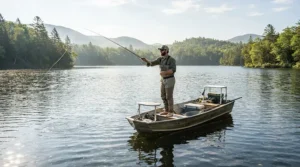
Consider a college student commuting to a local reservoir on weekends with a tight budget and no dedicated fishing wardrobe — the Columbia Silver Ridge Convertible Pant fits that profile well, since the zip-off shorts function covers two use cases without doubling the cost. Now picture a Florida flats guide spending eight-plus hours a day in direct sun and mosquito-heavy backwater; the Simms Bugstopper Superlight Pant or the mesh-heavy RailRiders Ultralight Bone Flats Pant solve very different problems within that same job, one prioritizing bug protection and the other prioritizing raw airflow.
A weekend bass angler fishing humid Southern lakes two or three times a month, budget-conscious but wanting real UPF protection, lands well with the Columbia PFG Terminal Tackle Pant. Meanwhile, a frequent traveler who fishes occasionally but wants one pair of pants that works from the airport to the boat dock is the exact buyer the Free Fly Men’s Breeze Pant was designed for, thanks to its stretch, softness, and casual styling. Matching your actual fishing frequency and environment to these profiles will save you from either overspending on features you won’t use or underbuying for conditions you’ll regret cutting corners on.
How to Choose Fishing Pants for Hot Weather
Selecting the right pair comes down to a short list of criteria that matter far more than brand names:
- Fabric weight — lighter ounce-per-yard fabrics like the RailRiders’ 1.5-oz build move more air and dry faster than heavier nylon blends.
- UPF rating — aim for UPF 30+ minimum, and UPF 50+ if you spend full days in direct sun, per Skin Cancer Foundation guidance.
- Ventilation features — mesh panels or gusseted seams genuinely outperform “breathable” marketing claims that lack any actual airflow mechanism.
- Quick-dry performance — check whether reviewers confirm fast drying after wading or rain, not just the manufacturer’s claim.
- Fit and stretch — two-way or four-way stretch fabric reduces chafing during long wading sessions far more than rigid weaves.
- Pocket configuration — zippered or reinforced pockets matter if you’re carrying pliers, forceps, or a phone in moving water.
- Price-to-use ratio — a pant worn twice a month doesn’t justify premium pricing the way daily-use gear does.
Breathable Fishing Trousers vs Traditional Fishing Pants
The difference between breathable fishing trousers and traditional heavier fishing pants isn’t cosmetic — it’s structural. Traditional fishing pants, often built from denim-weight canvas or heavier ripstop, prioritize abrasion resistance and durability in brush or rocky terrain, but that density comes at a real cost: less airflow and slower drying. Breathable fishing trousers, by contrast, use thinner woven or mesh-integrated fabrics specifically engineered to move air and moisture away from skin.
| Category | Traditional Fishing Pants | Breathable Fishing Trousers |
|---|---|---|
| Fabric weight | Heavier ripstop/canvas | Lightweight nylon or poly blends |
| Drying time | Slow, often hours | Minutes to under an hour |
| Best climate | Cool, brushy terrain | Hot, humid, or sun-exposed water |
| Example | Heavy-duty work-style pants | RailRiders Ultralight Bone Flats Pant |
For most warm-weather anglers, breathable fishing trousers win decisively on comfort, but traditional pants still have a place for bushwhacking to remote streams where brush and thorns pose a bigger threat than heat. The honest answer is that most anglers fishing open water, boats, or flats in summer conditions are far better served by the breathable category, reserving heavier pants for cooler-season or brush-heavy trips.
Common Mistakes When Buying Fishing Pants for Hot Weather
The most frequent mistake is buying based on the word “breathable” alone without checking for an actual ventilation mechanism like mesh gussets — plenty of pants use that word loosely. A second common error is ignoring UPF ratings entirely, treating fishing pants as purely a comfort or durability purchase rather than a sun-safety tool that works alongside sunscreen. Buyers also frequently oversize for looseness, assuming baggier automatically means cooler, when in reality excess fabric can trap heat rather than release it — a well-fitted, stretch-inclusive cut like the AFTCO All Day Fishing Pants typically performs better.
Another overlooked issue is skipping color consideration; darker colors absorb more heat in direct sun, even on technical fabrics, so lighter shades genuinely perform cooler in practice. Finally, many anglers buy a single pair expecting it to handle everything from muddy creek bushwhacking to open-water boat fishing, when a two-pant strategy — one rugged, one ultralight — usually solves both needs better than one compromise pant ever could.
What to Expect: Real-World Performance in the Heat
On paper, fabric specs suggest a straightforward story, but real-world performance depends heavily on humidity, not just temperature. In dry heat, even moderately breathable pants like the Huk Next Level Pant perform well because sweat evaporates quickly. In humid Gulf Coast or Southeastern conditions, though, the difference between a mesh-ventilated pant like the RailRiders Ultralight Bone Flats Pant and a standard woven nylon becomes much more noticeable, since evaporation slows dramatically when the surrounding air is already saturated.
Expect noticeable temperature swings between standing in direct sun versus moving in a boat with wind exposure — airflow from motion matters as much as fabric choice. Anglers wading through water report a cooling effect from evaporative wicking that boat anglers simply don’t experience the same way, which is worth factoring in before assuming any single pant will feel identical across every fishing style.
Features That Actually Matter (And Those That Don’t)
UPF rating, genuine ventilation mechanisms, and quick-dry fabric composition are the three features with measurable real-world impact — everything else is largely secondary. Reinforced pockets matter if you actually carry tackle in them; if you don’t, that’s a feature you’re paying for without using. Marketing terms like “advanced cooling technology” without a specific fabric explanation behind them deserve skepticism — the actual fabric blend and construction, like the bamboo-viscose lining in the Free Fly Men’s Breeze Pant, tell you far more than a branded buzzword. Camo patterns, trendy colorways, and “tactical” styling add cost without adding performance for the vast majority of hot-weather anglers, so treat those as personal preference line items rather than functional upgrades worth paying extra for.
Long-Term Cost & Maintenance
Looking at total cost of ownership rather than sticker price changes the math considerably. A $50 pair replaced every single season effectively costs more over three years than a $90 pair that lasts five seasons with proper care — cold washing, air drying, and prompt saltwater rinsing, as covered earlier. The Columbia Silver Ridge Convertible Pant, despite its budget price, has a track record of multi-year durability reported by long-term owners, which pushes its effective cost-per-wear surprisingly low. Premium options like the Simms Bugstopper Superlight Pant justify their higher upfront cost primarily through the insect-shield treatment’s durability across repeated washes, a feature that would otherwise require ongoing spray-on repellent purchases. Budget for one replacement zipper repair or reproofing treatment roughly every two to three seasons on heavily used pants, regardless of brand, since DWR coatings and zippers are typically the first components to show wear.
Sun Protection & Safety Compliance Guide
UPF-rated clothing works differently than sunscreen, and understanding that distinction matters for real safety outcomes. According to the Skin Cancer Foundation, a UPF 50 garment blocks 98% of ultraviolet radiation, while UPF 30-49 still offers very good protection — both categories represented across this list. Unlike sunscreen, UPF fabric doesn’t wear off with sweat or require reapplication every two hours, making it a more reliable baseline layer for a full day on the water.
That said, fabric protection only covers what it actually touches — exposed ankles, hands, and neck still need sunscreen or additional coverage. Checking the day’s UV Index before heading out helps calibrate how much additional protection you’ll need beyond clothing; a forecasted index of 8 or higher warrants extra caution regardless of what you’re wearing. Heat safety matters just as much as sun exposure — the CDC recommends staying hydrated, taking breaks in shade when available, and recognizing early symptoms of heat exhaustion like dizziness or excessive sweating before they escalate into something more serious.
Lightweight Summer Fishing Pants for Every Type of Angler
Beginners typically benefit most from budget-friendly, forgiving options like the Columbia PFG Terminal Tackle Pant, since there’s less financial risk while still learning personal fit and fabric preferences. Experienced anglers who fish frequently and know their specific pain points — chafing, insect exposure, or drying time — tend to gravitate toward specialized picks like the RailRiders Ultralight Bone Flats Pant or Simms Bugstopper Superlight Pant that solve one problem exceptionally well. Older anglers or those with sun-sensitive skin conditions should prioritize the highest verified UPF ratings on this list, making the AFTCO All Day Fishing Pants or either Columbia option sensible starting points. Family-oriented buyers outfitting multiple people on a shared budget often do best spreading purchases across the Columbia Silver Ridge Convertible Pant for versatility and a Columbia PFG option for a second breathable pair, keeping the whole group covered without premium per-person spending.
Buyer’s Decision Framework
If insects are your primary concern in buggy backwater environments, choose the Simms Bugstopper Superlight Pant because its treated fabric solves that specific problem no other pant here addresses directly. If airflow and standing in direct sun for hours is your main challenge, choose the RailRiders Ultralight Bone Flats Pant because its mesh venting outperforms standard woven fabric on raw cooling. If you want one versatile pant covering casual wear and fishing with strong sun protection, choose the AFTCO All Day Fishing Pants or Free Fly Men’s Breeze Pant, since both combine UPF 50+ with genuine everyday comfort. If budget is the deciding factor above all else, choose either Columbia option, since both deliver real UPF protection without premium pricing.
Frequently Asked Questions
❓ What is the best fabric for fishing pants for hot weather?
❓ Do fishing pants really keep you cooler than shorts?
❓ What UPF rating should sun-protective pants have?
❓ Are convertible fishing pants worth buying?
❓ How often should you replace lightweight summer fishing pants?
Conclusion
Choosing fishing pants for hot weather really comes down to matching fabric technology to your specific fishing style rather than chasing the priciest option on the shelf. The Simms Bugstopper Superlight Pant and RailRiders Ultralight Bone Flats Pant solve very specific problems — insects and raw airflow, respectively — while the AFTCO All Day Fishing Pants and Free Fly Men’s Breeze Pant split the difference between technical performance and everyday versatility. Budget-conscious anglers shouldn’t feel shortchanged either; both Columbia options deliver legitimate UPF protection and breathability without stretching a tight gear budget.
What matters most is treating these pants as genuine safety equipment, not just comfort accessories. Sun exposure adds up across a full fishing season, and the right fabric does real, measurable work in reducing that cumulative risk. Whether you land on a premium technical pant or a budget convertible, prioritizing verified UPF ratings and actual ventilation mechanisms over marketing buzzwords will serve you better on every single trip this summer.
Recommended for You
- Quick Dry Fishing Shirts for Travel: 7 Best Picks for 2026
- Women’s Fishing Shirts for Kayak Fishing: 7 Honest UPF Picks (2026)
- Fishing Pants With Knee Pads for Kayak Fishing: 7 Top Picks 2026
Disclaimer: This article contains affiliate links. As an Amazon Associate, I earn from qualifying purchases. If you purchase products through these links, we may earn a small commission at no additional cost to you.
✨ Found this helpful? Share it with your friends! 💬🤗
