
In This Article
✨Was this helpful? Spread the word! 🚀
Why Your Fish Need a Proper Heated Environment 🐠
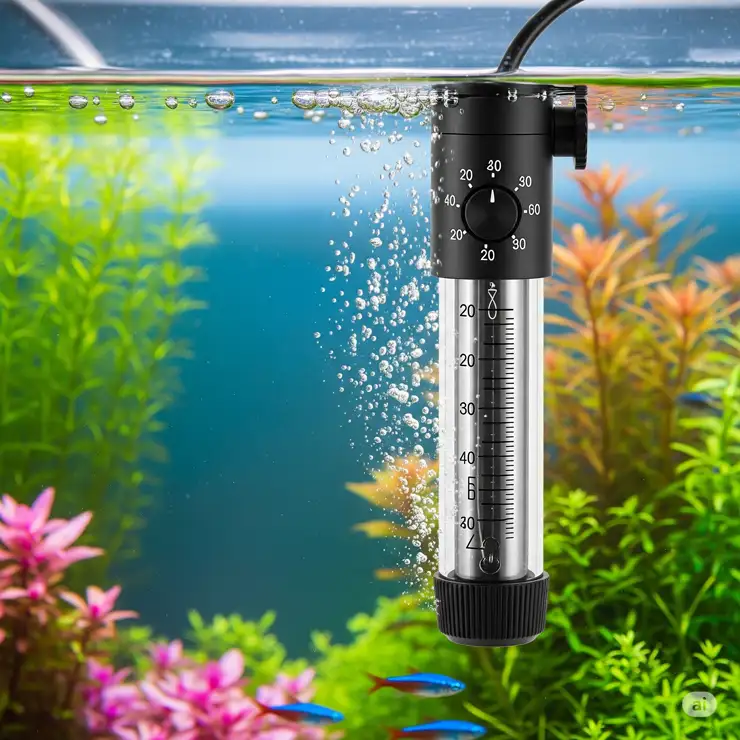
When venturing into the fascinating world of aquarium keeping, one essential element often overlooked by beginners is temperature regulation. A fish tank with heater isn’t just an optional accessory—it’s a fundamental necessity for maintaining a healthy, thriving aquatic ecosystem. Unlike humans who can adjust to temperature fluctuations, most aquarium fish are extremely sensitive to these changes, as they’re evolved to live in specific temperature ranges in their natural habitats.
Whether you’re setting up your first fish tank with heater or looking to upgrade your current setup, understanding the critical relationship between water temperature and fish health can make all the difference between a flourishing underwater community and a struggling one. Most tropical fish species require temperatures between 75-80°F (24-27°C), and without a reliable heating system, these delicate creatures can experience stress, compromised immune systems, and even death.
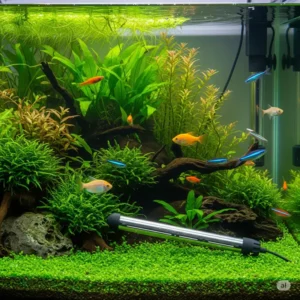
According to a study published in the Journal of Fish Biology, even small temperature fluctuations of just 2-3 degrees can significantly impact fish metabolism, breeding behavior, and susceptibility to disease. This scientific finding underscores why investing in a quality fish tank with heater isn’t just recommended—it’s essential for responsible fish keeping.
In this comprehensive guide, we’ll explore everything you need to know about selecting, installing, and maintaining the perfect heating system for your aquarium. From understanding the different types of heaters available to choosing the ideal wattage for your specific tank size, we’ll cover all aspects to ensure your underwater friends remain comfortable year-round. Additionally, we’ll review the top fish tanks with heaters currently available on the market, helping you make an informed decision based on your specific needs and budget.
Understanding Aquarium Heaters: Types and Functions 🌡️
Before diving into specific product recommendations, it’s crucial to understand the various types of heaters available for your fish tank with heater setup. Each type has its own advantages and limitations, making certain models more suitable for specific aquarium configurations.
Submersible Heaters
Submersible heaters are perhaps the most common and versatile option for most fish tanks with heaters. As the name suggests, these heaters are designed to be fully submerged in water, typically attached vertically to the aquarium wall using suction cups. According to the American Pet Products Association, submersible heaters account for approximately 70% of all aquarium heaters purchased in the United States.
The primary advantage of submersible heaters is their ability to distribute heat evenly throughout the tank, ensuring consistent temperature throughout the water column. Most modern submersible heaters are equipped with built-in thermostats that automatically turn the heating element on or off to maintain your desired temperature setting.
Hang-on Heaters
Hang-on heaters, also known as immersible heaters, are designed to be partially submerged in the aquarium. The heating element is placed underwater while the control mechanism remains above the waterline, hanging on the tank’s edge. While less common than their fully submersible counterparts, hang-on heaters can be a good option for shallow tanks where a vertical submersible heater might not fit appropriately.
However, it’s worth noting that as water levels drop due to evaporation, you’ll need to monitor hang-on heaters more carefully to ensure the heating element remains properly submerged. According to Aquarium Co-Op, one of the leading online resources for aquarium information, hang-on heaters typically have a shorter lifespan compared to quality submersible models.
In-line Heaters
For advanced aquarists with canister filter setups, in-line heaters offer an elegant solution for heating without cluttering the inside of the aquarium. These heaters are installed directly into the filter’s return line, heating the water as it flows back into the tank. Besides leaving more free space inside your fish tank with heater, in-line heaters provide exceptionally even heat distribution.
Substrate Heaters
Primarily designed for planted aquariums, substrate heaters consist of heating cables placed beneath the gravel or substrate. While not typically used as the primary heat source for the water column, they create temperature gradients in the substrate that promote beneficial bacterial growth and enhance root development in aquatic plants. The Aquatic Plant Central resource notes that substrate heaters can be particularly beneficial for densely planted tanks with demanding species.
Smart Heaters
The newest innovation in aquarium heating technology, smart heaters connect to mobile applications via WiFi or Bluetooth, allowing remote monitoring and temperature adjustment. Some advanced models even track historical temperature data and send alerts if temperatures drift outside the desired range. While typically more expensive than traditional options, smart heaters provide peace of mind for serious aquarists or those who travel frequently.
Choosing the Right Wattage for Your Fish Tank with Heater 📊
Selecting the appropriate wattage is crucial for maintaining optimal temperature in your aquarium. A heater that’s too weak won’t adequately warm the water, while one that’s too powerful may overheat the tank or cycle on and off too frequently, shortening its lifespan.
As a general rule of thumb, you’ll need approximately 5 watts per gallon for standard room temperatures. However, several factors can influence this calculation:
✅ Tank Location: Tanks placed near windows or exterior walls may experience greater temperature fluctuations, requiring additional heating capacity.
✅ Room Temperature: If your home is typically cool or experiences significant temperature drops at night, you might need more heating power.
✅ Tank Size: Larger volumes of water retain heat better than smaller ones, potentially reducing the watts-per-gallon requirement slightly for very large tanks.
✅ Tank Material: Glass aquariums typically retain heat better than acrylic ones, which might influence your heater selection.
Here’s a quick reference chart for standard aquarium sizes:
| Tank Size (Gallons) | Recommended Heater Wattage (Normal Room Temp) | Recommended Wattage (Cool Room) |
|---|---|---|
| 5-10 | 50W | 75W |
| 15-20 | 75W | 100W |
| 25-30 | 100W | 150W |
| 40-50 | 150W | 200W |
| 55-75 | 200W | 250W |
| 90-125 | 300W | Two 200W heaters |
| 150+ | Two 200W heaters | Two 300W heaters |
💬 Just one click – help others make better buying decisions too!😊
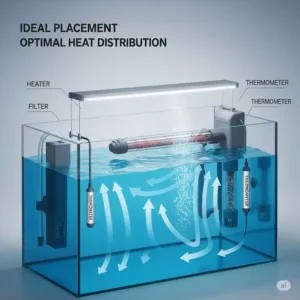
For larger aquariums, fishkeeping experts at Tropical Fish Hobbyist Magazine recommend using two heaters placed at opposite ends of the tank rather than a single large unit. This approach not only provides redundancy if one heater fails but also ensures more even heat distribution throughout your fish tank with heater setup.
Top Fish Tanks with Heaters Available on Amazon in 2025 🛒
Now that we understand the fundamentals of aquarium heating, let’s explore some of the best fish tanks with heaters currently available on Amazon. These selections range from beginner-friendly kits to advanced systems, all chosen based on performance, reliability, and customer satisfaction.
1. Tetra ColorFusion Aquarium 20 Gallon Fish Tank Kit
The Tetra ColorFusion stands out as an excellent all-in-one solution for both beginners and intermediate fish keepers. This 20-gallon Tetra ColorFusion kit includes a reliable 100W submersible heater that maintains consistent temperatures between 74-80°F, ideal for most tropical fish species. The integrated LED lighting system features 16 different color modes, allowing you to create the perfect ambiance for your aquatic display.
What makes this fish tank with heater particularly impressive is the inclusion of Tetra’s Whisper filtration system, which provides 3-stage filtration while operating quietly enough to keep in bedrooms or living spaces. The kit also comes with a thermometer, fish food samples, and water conditioner to help you get started immediately.
2. Fluval Flex 15 Gallon Aquarium Kit with Heater
For those seeking a more contemporary aesthetic, the Fluval Flex offers a stunning curved-front design that enhances the visual impact of your aquatic display. This 15-gallon fish tank with heater includes Fluval’s reliable M50 submersible heater, known for its precise temperature control and safety features like automatic shut-off if removed from water.
The 3-stage filtration system is discreetly hidden in a rear compartment, creating a clean look while effectively maintaining water quality. The sophisticated LED lighting system offers multiple color modes and programmable 24-hour light cycles, allowing you to simulate natural sunrise and sunset effects. The Flex also includes a dedicated feeding port and convenient cord management system.
3. MarineLand Portrait Glass LED Aquarium Kit with Heater
Perfect for small spaces, the MarineLand Portrait offers a vertical design that maximizes display area while minimizing footprint. This 5-gallon fish tank with heater includes a reliable 50W heater specifically calibrated for smaller water volumes. The sleek, frameless glass design provides unobstructed viewing from all angles.
Despite its compact size, this tank doesn’t compromise on filtration, featuring a three-stage hidden back panel system that keeps the tank looking clean and uncluttered. The LED lighting system toggles between bright white lights for daytime viewing and soft blue for a moonlight effect. According to the manufacturer, the included heater maintains consistent temperatures even in cooler room environments.
4. GloFish Aquarium Kit with Heater
If you’re specifically interested in keeping GloFish or want to create a truly spectacular visual display, the GloFish Aquarium Kit with its included heater is an outstanding option. Available in multiple sizes (10, 20, and 29 gallons), each kit includes a properly sized heater matched to the tank volume.
What truly sets this fish tank with heater apart is the specialized blue LED lighting that makes GloFish species fluoresce brilliantly. The kit includes everything needed for a complete setup: filter, heater, blue & white LED lights, plant accessories, and a setup guide specifically tailored for GloFish care. The included digital thermometer provides accurate temperature readings to ensure optimal conditions for your fish.
5. Hygger Horizon 8 Gallon LED Glass Aquarium Kit with Heater
The Hygger Horizon offers a panoramic viewing experience with its extended rectangular design. This 8-gallon fish tank with heater includes Hygger’s acclaimed adjustable heater with external controller, allowing precise temperature adjustments without reaching into the water—a feature highly praised by experienced aquarists.
The 3D rockscape background adds depth and creates natural hiding spots for fish, while the extended front-to-back dimension provides more swimming space than standard tanks of similar volume. The multi-mode LED lighting system includes special settings for planted tank growth, making this an excellent option for aquascapers. The filtration system is powerful yet adjustable, suitable for both tropical community setups and betta fish environments.
🔥 Don’t Miss These Exceptional Aquarium Deals! 🐠
→Take your aquarium hobby to the next level with these carefully selected products. Click on any highlighted item to check current pricing and availability. These fish tanks with heaters will help you create a thriving underwater environment your fish will love! 🏆🥇
Proper Installation and Placement of Your Aquarium Heater 🔌
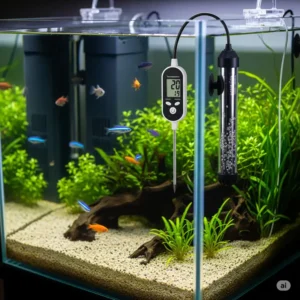
Once you’ve selected the ideal fish tank with heater for your needs, proper installation and placement are crucial for efficient operation and fish safety. According to fishkeeping experts at Aquarium Source, incorrect heater placement is one of the most common mistakes made by novice aquarists.
Ideal Placement Locations
For optimal heat distribution in your fish tank with heater, consider these placement guidelines:
✅ Near Water Flow: Position your heater in an area with good water circulation, often near the filter output or intake. This ensures heated water is distributed evenly throughout the tank rather than creating hot spots.
✅ Away from Substrate: Keep the heater at least 1-2 inches above the substrate to prevent localized overheating of the gravel or sand, which could potentially harm beneficial bacteria.
✅ Angled Position: Rather than mounting the heater completely vertically, consider angling it slightly (if the manufacturer permits) to increase the water flow around the heating element.
✅ Away from Decorations: Ensure that the heater doesn’t come into direct contact with plastic plants, ornaments, or rocks, as this could create a fire hazard or damage the heater.
✅ Accessible for Maintenance: While keeping safety in mind, position the heater where you can easily access it for temperature adjustments and periodic maintenance.
Installation Best Practices
When installing a new heater in your fish tank with heater setup, follow these important steps:
- Acclimate the Heater: Allow glass heaters to reach room temperature before submersion to prevent thermal shock and potential cracking.
- Initial Testing: Place the heater in the tank without turning it on for 15-30 minutes to ensure the temperature equalizes and to check for any manufacturing defects.
- Start Low: Initially set the heater to a temperature slightly lower than your target, then gradually increase it over 24-48 hours while monitoring with a separate thermometer.
- Double-Check Submersion: Ensure that submersible heaters are submerged to the manufacturer’s indicated minimum water level line (usually marked on the heater).
- Secure Properly: Use all provided suction cups or mounting brackets to secure the heater firmly, preventing it from moving or falling which could potentially harm fish or damage the tank.
A study from the University of Florida’s Tropical Aquaculture Laboratory found that gradual temperature changes (no more than 1-2°F per day) are far less stressful to fish than sudden fluctuations, underscoring the importance of patient, careful heater adjustment when setting up your fish tank with heater.
Temperature Requirements for Different Fish Species 🌊
Different fish species have evolved to thrive in specific temperature ranges, and understanding these requirements is essential for creating an appropriate environment in your fish tank with heater. Here’s a guide to the temperature needs of popular aquarium fish:
Tropical Freshwater Fish
Most common tropical freshwater species prefer temperatures between 75-80°F (24-27°C):
- Bettas (Siamese Fighting Fish): 76-80°F (24.5-27°C)
- Guppies, Platies, and Mollies: 72-78°F (22-25.5°C)
- Tetras (Neon, Cardinal, etc.): 74-80°F (23.5-27°C)
- Angelfish: 76-82°F (24.5-28°C)
- Discus: 82-86°F (28-30°C) – requiring higher temperatures than most community fish
- Corydoras Catfish: 72-78°F (22-25.5°C)
- Gouramis: 75-82°F (24-28°C)
Coldwater Freshwater Fish
Some freshwater species prefer cooler temperatures, typically between 60-75°F (15.5-24°C):
- Goldfish: 65-72°F (18-22°C)
- White Cloud Mountain Minnows: 64-72°F (18-22°C)
- Weather Loaches: 60-75°F (15.5-24°C)
- Paradise Fish: 68-75°F (20-24°C)
Marine (Saltwater) Fish
Most reef and marine fish prefer stable temperatures between 75-80°F (24-27°C):
- Clownfish: 74-79°F (23.5-26°C)
- Damselfish: 75-80°F (24-27°C)
- Tangs and Surgeonfish: 75-80°F (24-27°C)
- Gobies: 72-78°F (22-25.5°C)
- Marine Angelfish: 76-82°F (24.5-28°C)
According to research published in the Marine Biology Journal, reef-building corals have an even narrower temperature tolerance, typically 76-78°F (24.5-25.5°C), with fluctuations of more than 2°F potentially causing stress and coral bleaching. This highlights the importance of using a high-quality, reliable heater for reef tank setups.
When keeping multiple species in the same fish tank with heater, it’s best to aim for a temperature range where their preferences overlap. If you’re keeping species with incompatible temperature requirements, separate tanks with individually controlled heating systems would be the appropriate solution.
Maintaining and Troubleshooting Your Aquarium Heater 🔧
Even the best fish tank with heater will require regular maintenance and occasional troubleshooting to ensure optimal performance and longevity. According to a survey by The Spruce Pets, heater malfunction is cited as one of the top three causes of sudden fish mortality in home aquariums, emphasizing the importance of proper heater maintenance.
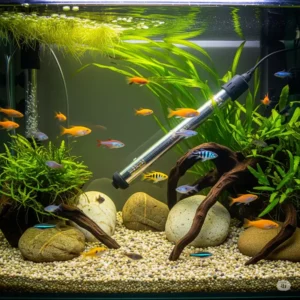
Regular Maintenance Tasks
To keep your heater functioning properly in your fish tank with heater setup:
✅ Monthly Inspection: Visually check the heater for any signs of damage, cracking, or mineral buildup. Excessive mineral deposits can insulate the heating element, reducing efficiency.
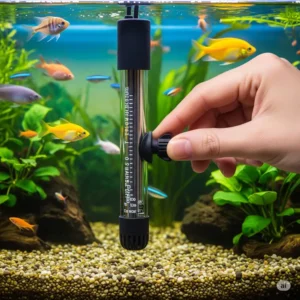
✅ Temperature Calibration: At least quarterly, verify that the heater’s settings align with the actual water temperature using a high-quality separate thermometer. Recalibrate if necessary.
✅ Clean the Housing: During water changes, gently wipe the heater’s exterior with an aquarium-safe sponge to remove algae or debris buildup, being careful not to damage any components.
✅ Check Suction Cups: Regularly ensure that mounting suction cups remain firmly attached, as deterioration can cause the heater to fall or shift position.
✅ Power Cable Inspection: Periodically examine the entire length of the power cord for any signs of wear, cracking, or damage, especially at entry points to the heater.
Common Issues and Solutions
If you encounter problems with your fish tank with heater, consider these troubleshooting steps:
Problem: Heater doesn’t turn on
- Check that it’s properly plugged in and the outlet has power
- Verify that the indicator light (if present) functions when adjusting temperature
- Ensure the thermostat isn’t set lower than the current water temperature
- Look for visible damage to the cord or heating element
Problem: Temperature fluctuations
- Check for proper heater placement near water circulation
- Verify that the heater wattage is appropriate for your tank size
- Consider draft sources near the aquarium that might be causing heat loss
- Test if the thermostat is functioning correctly by adjusting settings
Problem: Overheating
- Immediately unplug the heater if overheating is suspected
- Verify that the heater isn’t touching decorations, substrate, or the tank walls
- Check if the thermostat is functioning correctly
- Consider if the heater is undersized, causing it to work constantly
Problem: Heater won’t maintain set temperature
- Test accuracy with a separate reliable thermometer
- Check if the tank is located in an area with significant temperature fluctuations
- Verify that the heater has sufficient wattage for the tank volume
- Consider adding a second heater for more stable temperatures in larger tanks
The American Animal Hospital Association recommends keeping a backup heater on hand for emergency situations, especially for tanks with sensitive species or in regions prone to power outages. This redundancy can prevent catastrophic temperature drops that could harm or kill fish.
Advanced Heating Options for Specialized Setups 🔬
For advanced aquarists or those with specialized needs, several sophisticated heating options can provide enhanced control and safety for your fish tank with heater setup.
Dual Heater Systems
Many experienced aquarists recommend using two smaller heaters rather than one large unit for tanks 50 gallons and above. For example, using two 150W heaters in a 75-gallon tank instead of a single 300W unit. This approach offers several advantages:
- Redundancy: If one heater fails, the second provides backup heating
- Even Distribution: Heat is distributed more uniformly throughout the tank
- Reduced Stress: Smaller temperature fluctuations occur during heating cycles
- Prolonged Lifespan: Less strain on individual heaters extends their operational life
External Controllers
External temperature controllers represent the gold standard for precise temperature management in a fish tank with heater. These devices use a separate temperature probe and plug into standard heaters, essentially replacing the heater’s built-in thermostat with a more accurate external one.
The Inkbird ITC-306T Digital Temperature Controller has become particularly popular among serious aquarists. This controller provides temperature control accuracy to ±0.2°F, significantly more precise than most built-in heater thermostats. It also offers programmable high/low temperature alarms and memory functions that maintain settings during power outages.
Battery Backup Systems
For regions prone to power outages or for particularly sensitive species, battery backup systems can provide peace of mind. The Eheim Jäger TruTemp Battery Backup System can power most standard heaters for 8-12 hours during electrical outages, potentially saving delicate fish from dangerous temperature drops. These systems can be particularly important for discus tanks, reef aquariums, or breeding setups where temperature stability is critical.
Heat Pumps for Large Systems
For very large home aquariums (200+ gallons) or small commercial setups, aquarium heat pumps offer energy-efficient temperature control. Unlike traditional heaters that convert electricity directly into heat, heat pumps work like reverse air conditioners, extracting and concentrating heat. According to Energy.gov, heat pumps can be up to 400% more efficient than resistance heaters, potentially offering significant long-term savings for large fish tanks with heaters.
Environmental Considerations and Energy Efficiency 🌿
As responsible aquarists, considering the environmental impact and energy efficiency of our fish tank with heater setups is increasingly important. According to the Environmental Protection Agency, aquarium equipment accounts for approximately 0.5-1% of the average household’s electricity consumption, with heaters typically being the largest power consumer among aquarium devices.
Energy-Efficient Heating Options
Several approaches can reduce the environmental footprint of your heated aquarium:
✅ Insulation: Consider adding insulation panels to the back and sides of the tank (never the front viewing panel). Custom-cut foam insulation board can reduce heat loss by 15-30%, according to tests conducted by fishkeeping forums.
✅ Tank Covers: Using a proper aquarium lid significantly reduces heat loss through evaporation. Open-top designs, while aesthetically pleasing, can require up to 25% more heating energy in some environments.
✅ LED Lighting: Modern LED lighting produces significantly less heat than older fluorescent and incandescent options, reducing the risk of overheating during summer months and allowing more precise temperature control.
✅ Location Planning: Positioning your fish tank with heater away from windows, exterior doors, and HVAC vents can minimize temperature fluctuations and reduce the heater’s workload.
✅ Heater Timers: In some setups, using a timer to run the heater only during cooler periods (typically nighttime) can reduce energy consumption while maintaining appropriate average temperatures.
Calculating Operating Costs
To estimate the monthly cost of operating your fish tank with heater:
- Note your heater’s wattage (e.g., 100W)
- Estimate daily running time (typically 12-16 hours for most setups)
- Calculate: Wattage × Hours per day × Days per month ÷ 1000 = kWh per month
- Multiply by your electricity rate (national average is about $0.14 per kWh)
For example, a 100W heater running 14 hours daily: 100W × 14 hours × 30 days ÷ 1000 = 42 kWh per month 42 kWh × $0.14 = $5.88 monthly operating cost
This calculation demonstrates that while aquarium heaters do contribute to energy costs, efficient models and proper setup can keep expenses reasonable while providing essential conditions for your aquatic pets.
Safety Considerations for Heated Aquariums 🚨
Safety should always be a primary concern when setting up and maintaining a fish tank with heater. Electrical devices combined with water create inherent risks that require proper precautions. According to the Consumer Product Safety Commission, faulty aquarium equipment is responsible for approximately 100-150 residential fires annually in the United States.
Essential Safety Practices
To maintain a safe environment for both your fish and your home:
✅ GFCI Protection: Always plug aquarium equipment into Ground Fault Circuit Interrupter (GFCI) outlets, which quickly cut power in case of electrical faults. These are required by building codes in wet areas like bathrooms and kitchens, but fishkeeping experts recommend them for all aquarium setups.
✅ Drip Loops: Create a drip loop (a section of cord that hangs below the outlet before rising to the plug) for all electrical equipment to prevent water from running down the cord into the outlet.
✅ Regular Inspections: Routinely check heaters for cracks, damage, or corrosion, especially after maintenance activities or tank reconfigurations.
✅ Proper Submersion: Always ensure that submersible heaters remain properly submerged to the manufacturer’s specified minimum water level, typically indicated by a line on the heater housing.
✅ Temperature Alarms: Consider adding a separate temperature alarm system that alerts you to dangerous temperature fluctuations, especially for valuable fish collections or sensitive species.
Warning Signs That Require Immediate Action
If you notice any of these indicators in your fish tank with heater, immediately unplug the heater and replace it:
- Visible cracks in the glass or housing of the heater
- Erratic temperature readings or significant unexpected fluctuations
- Sparking or unusual noises coming from the heater
- Fish showing signs of electrical stress (darting erratically, swimming sideways, or gasping at the surface)
- Discoloration or melting of plastic components
- Tripping of GFCI outlets when the heater is plugged in
According to Marine Depot, one of the largest online retailers of aquarium equipment, the typical lifespan of a quality aquarium heater is 3-5 years with proper maintenance. Beyond this timeframe, failure rates increase significantly, suggesting that proactive replacement of older heaters is a prudent safety measure for any fish tank with heater.
🔥 Expert Tips for Optimizing Your Heated Aquarium Setup! 💡
→Looking to create the perfect environment for your aquatic friends? These insider tips and product recommendations will help ensure your fish tank with heater maintains ideal conditions year-round. Click on any highlighted product to check current pricing and see why thousands of aquarists trust these solutions! 🌊🐟
FAQs About Fish Tanks with Heaters
Before we conclude, let’s address some of the most common questions about fish tanks with heaters:
❓ How long should I wait to add fish after setting up a new fish tank with heater?
❓ Can I use multiple heaters in one fish tank?
❓ How often should I replace my aquarium heater?
❓ What's the ideal placement for a heater in a fish tank with heater setup?
❓ How do I know if my heater is the right size for my aquarium?
Conclusion: Creating the Perfect Environment with Your Fish Tank with Heater
Investing in a quality fish tank with heater is one of the most important decisions you’ll make as an aquarist. Temperature stability forms the foundation of a healthy aquatic environment, directly impacting your fish’s immune system, metabolism, breeding behavior, and overall lifespan. By selecting the appropriate heater type, wattage, and placement for your specific setup, you’re providing your underwater pets with the consistent conditions they need to thrive.
Remember that no matter which heating system you choose, regular maintenance and monitoring remain essential. Using a separate, reliable thermometer to verify your heater’s performance, conducting visual inspections during water changes, and being attentive to your fish’s behavior can help catch potential issues before they become serious problems.
For beginners, all-in-one kits that include appropriately sized heaters offer convenience and peace of mind, while advanced aquarists might prefer specialized heating solutions with external controllers for precision temperature management. Regardless of your experience level, safety should always remain a priority when combining electrical equipment with water environments.
As you continue your aquarium journey, consider how your heating setup might need to evolve with changing seasons, different fish species, or expanding tank sizes. The knowledge you’ve gained from this guide will help you make informed decisions about creating and maintaining the ideal thermal environment in your fish tank with heater, ensuring your aquatic companions remain healthy, active, and vibrant for years to come.
🔥 Ready to Upgrade Your Aquarium Experience? 🐠
→The perfect fish tank with heater is just a click away! Don’t let your aquatic friends suffer through temperature fluctuations. Browse our recommended products above to find the ideal heating solution for your specific setup. Your fish will thank you with vibrant colors and active behavior! 🏆🌟
Recommended for You:
- 10 Best 50 Gallon Fish Tank Filter Systems for Crystal Clear Water in 2025
- 10 Best Ultraviolet Fish Tank Filter Systems For Crystal-Clear Water in 2025
- 10 Best 100 Gallon Fish Tank Filter Options For Crystal Clear Water in 2025
Disclaimer: This article contains affiliate links. If you purchase products through these links, we may earn a small commission at no additional cost to you.
✨ Found this helpful? Share it with your friends! 💬🤗
