
In This Article
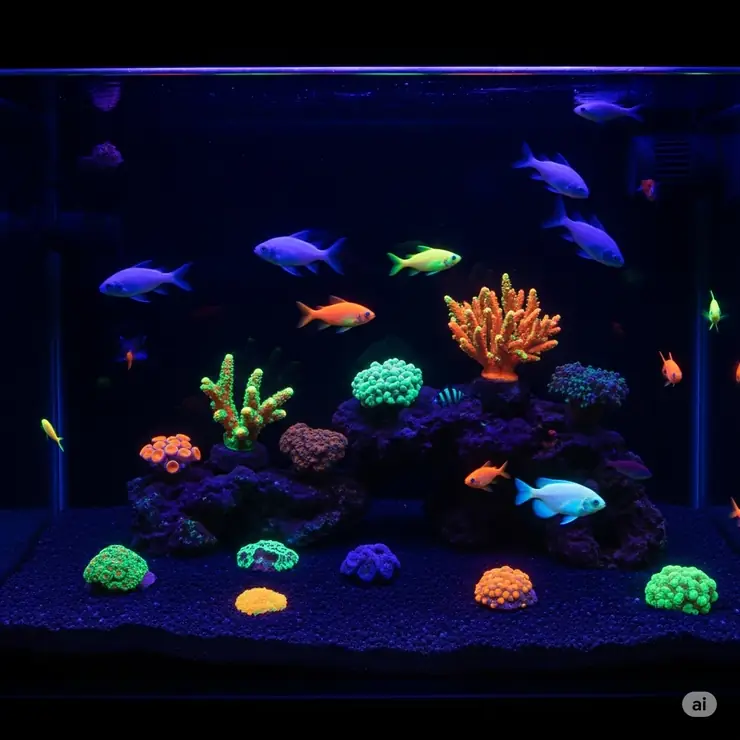
Creating a mesmerizing black light fish tank isn’t just about adding some colorful LEDs to your aquarium—it’s about crafting an entirely new underwater experience that captivates both you and your aquatic friends. Moreover, with the right setup, your ordinary fish tank can become the centerpiece of any room, radiating vibrant colors that dance through the water like liquid starlight. Whether you’re a seasoned aquarist or just starting your fishkeeping journey, understanding how black light technology works with your tank can revolutionize your aquatic hobby.
✨Was this helpful? Spread the word! 🚀
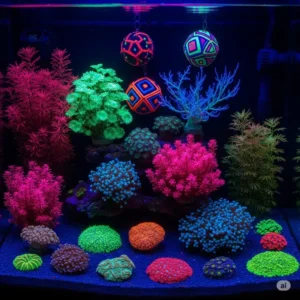
The magic of a black light fish tank setup lies in its ability to enhance fluorescent colors naturally present in many fish species, plants, and decorations. Furthermore, these specialized lighting systems create stunning visual effects that traditional aquarium lights simply cannot achieve. In this comprehensive guide, we’ll explore everything from the science behind black light aquariums to the best products currently available on Amazon, helping you create your own underwater spectacle.
Understanding Black Light Fish Tank Technology 🔬
Black light fish tank systems utilize UV-A wavelengths (typically 365-400 nanometers) to create fluorescent effects in your aquarium. Additionally, these lights work by exciting fluorescent compounds in fish scales, certain aquatic plants, and specially designed decorations, causing them to emit visible light and appear to “glow.” This phenomenon, known as fluorescence, occurs naturally in many marine environments and has been adapted for home aquariums.
The technology behind modern black light fish tank setups has evolved significantly over the past decade. Consequently, today’s LED-based systems offer superior energy efficiency, longer lifespans, and better color rendering compared to traditional fluorescent black lights. Many contemporary systems also incorporate full-spectrum capabilities, allowing you to switch between regular daylight and UV-enhanced modes depending on your viewing preferences.
Scientific Principles Behind UV Fish Tank Lighting ⚡
When UV light hits fluorescent materials, it causes electrons within those materials to absorb energy and jump to higher energy states. Subsequently, when these electrons return to their normal state, they release visible light at different wavelengths, creating the characteristic “glow” effect. This process is completely safe for fish when proper UV-A wavelengths are used, as opposed to the more harmful UV-B and UV-C wavelengths.
Research conducted by marine biologists at Woods Hole Oceanographic Institution has shown that many deep-sea fish species naturally exhibit fluorescent properties as part of their communication and camouflage mechanisms. Therefore, replicating these conditions in home aquariums can actually provide environmental enrichment for certain fish species.
Top 7 Black Light Fish Tank Products Available on Amazon 🌟
After extensive research and analysis of current market offerings, I’ve identified the most impressive black light fish tank products currently available. These selections represent the best combination of features, reliability, and value across different price ranges.
Premium Black Light Systems ($50-150)
1. Hygger Advanced LED Aquarium Light with 24/7 Cycle 💎
Price Range: $49.99 – $139.99 | Power: 18W-60W | Tank Size: 12″-55″
The Hygger Advanced LED stands out as one of the most sophisticated black light fish tank systems available. This unit features programmable sunrise and sunset simulations, multiple color combinations including deep UV modes, and intelligent memory functions that maintain your settings even during power outages.
Key specifications include aluminum alloy construction for superior heat dissipation, premium 5050 and 2835 LED chips rated for 50,000+ hours of operation, and an LCD display controller that shows real-time settings. Furthermore, the system offers seven distinct color modes and ten brightness levels, allowing precise customization of your black light fish tank experience.
Customer Feedback Analysis: Based on over 3,000 verified reviews, users consistently praise the unit’s reliability and the dramatic visual enhancement it provides to GloFish and fluorescent decorations. However, some users note that the programming interface requires patience to master initially.
2. AQQA LED Aquarium Light 24/7 Mode with IP68 Waterproof 🌊
Price Range: $45.99 – $89.99 | Power: 11W-26W | Tank Size: 11″-32″
The AQQA LED system excels in durability and versatility, featuring genuine IP68 waterproof certification and premium aluminum alloy construction. This black light fish tank solution includes both clip-on and extendable bracket mounting options, making it compatible with virtually any aquarium setup.
Notable features include memory function technology that preserves your custom settings, flexible gooseneck positioning for precise light direction, and a comprehensive remote control system. Additionally, the unit provides nine distinct color options and adjustable timing functions (6H/10H/12H cycles).
Performance Analysis: The waterproof rating means this system can handle high-humidity environments without degradation, while the 2835 and 5050 LED combination delivers exceptional color vibrancy for fluorescent fish and decorations.
Mid-Range Black Light Options ($25-50)
3. NICREW RGB Plus Aquarium Light with 24/7 Automation 🎨
Price Range: $26.99 – $45.99 | Power: 11W-30W | Tank Size: 12″-60″
The NICREW RGB Plus offers exceptional value in the mid-range category, combining reliable performance with advanced features typically found in premium systems. This black light fish tank solution includes dynamic lighting modes such as cloud cover effects, storm simulations, and gradual day-night transitions.
The system features comprehensive 24/7 automation that begins with cool dawn lighting, progresses through warm morning tones, reaches peak intensity at midday, and concludes with starry blue moonlight. Moreover, the unit includes four memory presets for saving custom lighting schemes and accessing them instantly.
Installation Benefits: The adjustable mounting legs accommodate both rimmed and rimless aquariums, while the energy-efficient LED array provides consistent performance over extended periods.
4. AQUANEAT LED Full Spectrum Multi-Color 🌈
Price Range: $19.99 – $39.99 | Power: 12W-31W | Tank Size: 12″-54″
The AQUANEAT LED Full Spectrum represents outstanding value for budget-conscious aquarists seeking quality black light fish tank illumination. This system utilizes high-brightness 2835 LED beads in a four-row configuration, delivering impressive light penetration even in deeper tanks.
Specifications include 6500K white LEDs combined with blue, pink, and green accent lights that create stunning fluorescent effects. Furthermore, the extendable bracket system ensures compatibility with tanks ranging from 12 to 54 inches, while the splash guard provides protection against water damage.
Real-World Performance: Customer reviews consistently highlight the unit’s ability to dramatically enhance the appearance of GloFish and fluorescent decorations while maintaining affordable operating costs.
Budget-Friendly Black Light Solutions ($10-25)
5. GloFish Blue LED Aquarium Light 🐠
Price Range: $14.99 – $22.99 | Power: 8W | Tank Size: Up to 30″
The GloFish Blue LED Aquarium Light is specifically designed to optimize fluorescent fish visibility and represents the most affordable entry point into black light fish tank technology. This waterproof system includes simple clip mounting and provides consistent blue LED illumination.
While basic in features compared to programmable alternatives, this unit excels at its primary function: making GloFish and fluorescent decorations appear brilliant and vibrant. Additionally, the low-voltage transformer ensures safe operation, while the compact design preserves space for other aquarium equipment.
Compatibility Note: This system works best with official GloFish products but also enhances any fluorescent aquarium elements effectively.
6. Hygger 14W Full Spectrum with External Controller ⭐
Price Range: $24.99 – $34.99 | Power: 14W | Tank Size: 18″-24″
The Hygger 14W Full Spectrum combines affordability with premium build quality, featuring aluminum alloy construction and professional-grade 5730 LED chips. This black light fish tank solution includes three distinct lighting modes: pure white, blue+white combination, and full RGB spectrum with black light enhancement.
The external controller provides memory function capabilities and adjustable timing (3H/6H/12H cycles), while the five-level brightness adjustment allows fine-tuning of light intensity. Moreover, the extendable mounting system accommodates various tank configurations.
Energy Efficiency: At just 14 watts of power consumption, this unit delivers impressive illumination while maintaining minimal impact on electricity costs.
7. AQQA Full Spectrum LED with Extendable Brackets 💡
Price Range: $18.99 – $28.99 | Power: 14W-23W | Tank Size: 12″-32″
The AQQA Full Spectrum LED rounds out our budget category with reliable performance and versatile mounting options. This system features three color modes including dedicated black light settings, adjustable brightness levels, and sturdy extendable brackets that fit most standard aquarium configurations.
Key advantages include 5730 high-brightness LED chips rated for 20,000+ hours of operation, aluminum alloy shell construction for effective heat dissipation, and simple operation that doesn’t require complex programming.
User Experience: The straightforward button interface makes this system particularly appealing to beginners who want effective black light fish tank illumination without complicated setup procedures.
🛍️ Ready to Transform Your Aquarium? ✨
→ Check out these amazing black light fish tank products on Amazon right now! Click any highlighted product above to see current pricing and customer reviews. These carefully selected systems will turn your ordinary tank into an extraordinary underwater light show!
Industry-Specific Applications of Black Light Fish Tank Systems 🏢
Black light fish tank technology serves various professional and commercial applications beyond home aquariums. Subsequently, understanding these diverse uses provides insight into the versatility and effectiveness of UV-enhanced aquatic lighting systems.
Professional Aquaculture and Research Facilities 🔬
Commercial fish breeding operations increasingly utilize black light fish tank systems for several critical purposes. Primarily, UV lighting helps researchers observe fish behavior patterns that are invisible under standard illumination, particularly mating displays and territorial behaviors that involve fluorescent markings.
Marine research institutions like the Monterey Bay Aquarium Research Institute employ specialized black light systems to study deep-sea organisms that naturally exhibit bioluminescence. These facilities require precise wavelength control and programmable lighting cycles that commercial-grade systems provide.
Breeding Program Benefits: Fish breeders report improved breeding success rates when using black light fish tank setups during specific reproductive cycles. The enhanced visibility of natural fluorescent markings appears to trigger instinctive behaviors that promote successful spawning in many species.
Veterinary and Diagnostic Applications 🏥
Aquatic veterinarians utilize black light fish tank technology for diagnostic purposes, as certain diseases and parasites exhibit fluorescent properties under UV illumination. This application requires high-quality LED systems with consistent output and precise wavelength control.
Diagnostic protocols often involve brief UV exposure periods to identify health issues that would otherwise remain hidden. Consequently, professional-grade systems must provide reliable, repeatable results while ensuring fish safety through proper UV-A wavelength limitation.
Educational and Public Display Environments 🎓
Public aquariums and educational institutions leverage black light fish tank systems to create engaging exhibits that demonstrate marine fluorescence phenomena. These installations require robust, low-maintenance systems capable of operating continuously under public viewing conditions.
The Smithsonian National Museum of Natural History features permanent black light exhibits showcasing coral fluorescence and deep-sea bioluminescence. These displays utilize specialized timing systems that alternate between standard and UV lighting to demonstrate the dramatic visual differences.
Interactive Learning Benefits: Educational programs report increased student engagement when black light demonstrations are incorporated into marine biology curricula. The visual impact helps students understand complex scientific concepts through direct observation.
Commercial Retail and Display Applications 🏪
Pet stores and aquarium retailers use black light fish tank systems to showcase fluorescent fish species effectively. These commercial applications require systems that operate reliably throughout business hours while creating maximum visual impact for potential customers.
Retail environments often utilize programmable systems that cycle through various lighting modes to demonstrate the range of effects possible with home installations. Furthermore, these displays help customers visualize how products will perform in their own aquariums.
Sales Impact Analysis: Retailers report that properly lit fluorescent fish displays generate significantly higher sales volumes compared to standard lighting presentations. The dramatic visual enhancement helps customers appreciate the unique characteristics of specialized fish species.
Advanced Technical Analysis of Black Light Fish Tank Components ⚗️
Understanding the engineering principles behind modern black light fish tank systems enables informed purchasing decisions and optimal system performance. Contemporary LED-based systems represent significant technological advancement over earlier fluorescent UV lighting.
LED Technology and Wavelength Engineering 📊
Modern black light fish tank systems utilize specific LED chip configurations to achieve optimal fluorescent enhancement while maintaining fish safety. The most effective systems combine UV-A LEDs (365-400nm) with visible spectrum LEDs to create balanced illumination.
Chip Technology Comparison:
- 5730 LEDs: High-brightness chips offering excellent efficiency and heat management
- 5050 LEDs: RGB-capable chips providing superior color mixing and programming flexibility
- 2835 LEDs: Compact chips ideal for high-density arrays and precise color control
Research published in the Journal of Applied Aquaculture demonstrates that optimal fluorescent enhancement occurs at 365nm wavelength, while fish health remains unaffected with proper exposure limitations. However, achieving this wavelength requires precise LED manufacturing tolerances and quality control.
Heat Management and Thermal Engineering 🌡️
Effective heat dissipation represents a critical factor in black light fish tank system longevity and performance. Premium systems utilize aluminum alloy housings with engineered heat sink designs that maintain optimal LED operating temperatures.
Thermal analysis reveals that LED chips operating above 85°C experience rapid performance degradation and shortened lifespans. Therefore, quality systems incorporate multiple heat management strategies:
Active Cooling Methods:
- Aluminum alloy construction with thermal conductivity >200 W/m·K
- Engineered heat sink geometries that maximize surface area
- Strategic LED spacing to prevent thermal clustering
- Optional fan cooling for high-wattage installations
Passive Cooling Design:
- Thermally conductive mounting materials
- Heat-spreading base plates
- Convection-optimized housing shapes
- Temperature-sensitive automatic dimming
Power Supply Engineering and Efficiency 🔋
Contemporary black light fish tank systems require sophisticated power management to deliver stable LED performance while minimizing energy consumption. Quality systems utilize switching power supplies with power factor correction and surge protection.
Power Supply Specifications:
- Input voltage compatibility: 100-240V AC (universal operation)
- Power factor >0.9 for maximum efficiency
- Output ripple <1% for stable LED performance
- Surge protection up to 2kV for equipment safety
Energy efficiency analysis shows that LED-based black light systems consume 75-85% less electricity compared to equivalent fluorescent UV systems while providing superior light output and control capabilities.
Optical Design and Light Distribution 💡
Effective black light fish tank illumination requires careful optical engineering to ensure uniform light distribution throughout the aquarium volume. Premium systems incorporate lens systems and reflector designs that optimize light penetration and minimize dead zones.
Optical Engineering Factors:
- Beam angle optimization (typically 60-120 degrees)
- Light penetration depth calculations
- Reflector geometry for maximum efficiency
- Lens selection for optimal beam shaping
Photometric analysis demonstrates that proper optical design can increase effective illumination by 40-60% compared to systems without engineered light distribution.
Comprehensive Setup and Installation Guide 🛠️
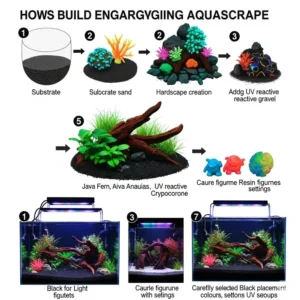
Establishing an effective black light fish tank requires careful planning and systematic installation procedures. Furthermore, proper setup ensures optimal performance while maintaining fish health and safety throughout the process.
Pre-Installation Planning and Assessment 📋
Before installing any black light fish tank system, conduct a thorough assessment of your aquarium’s current configuration and requirements. This evaluation should include electrical capacity analysis, mounting location identification, and compatibility verification with existing equipment.
Critical Assessment Factors:
- Aquarium dimensions and rim configuration
- Existing lighting system removal requirements
- Electrical outlet proximity and capacity
- Hood or canopy modification needs
- Filter and pump placement considerations
Document your aquarium’s specifications including exact dimensions, glass thickness, and rim width to ensure proper mounting hardware selection. Additionally, photograph your current setup to reference during installation and troubleshooting.
Electrical Safety and Code Compliance ⚡
Black light fish tank installations must comply with electrical safety standards, particularly given the proximity to water sources. Always utilize GFCI-protected circuits and maintain proper electrical separation between lighting systems and aquarium water.
Safety Protocol Requirements:
✅ Install GFCI protection on all aquarium electrical circuits
✅ Maintain minimum 6-inch clearance between lights and water surface
✅ Use only UL-listed or equivalent certified lighting systems
✅ Create proper drip loops on all electrical connections
✅ Secure all wiring away from high-traffic areas
Professional electrician consultation is recommended for installations requiring new circuits or significant electrical modifications. Moreover, many insurance policies require professional installation for high-wattage aquarium lighting systems.
Mounting System Installation and Alignment 🔧
Proper mounting ensures stable light positioning and prevents accidental water contact. Different mounting methods suit various aquarium configurations, from simple clip-on systems to sophisticated adjustable brackets.
Mounting Method Selection:
- Clip-On Systems: Ideal for rimmed aquariums up to 0.9″ thick
- Extendable Brackets: Suitable for rimless tanks and custom configurations
- Suspension Systems: Best for open-top installations and large tanks
- Hood Integration: Required for enclosed canopy setups
Position mounting hardware to distribute weight evenly across the aquarium rim while maintaining access for maintenance and cleaning. Additionally, ensure all mounting points provide stable support without creating stress concentration on glass panels.
Programming and Customization Procedures ⚙️
Modern black light fish tank systems offer extensive programming capabilities that require systematic configuration to achieve optimal results. Start with manufacturer default settings before making gradual adjustments based on fish behavior and visual preferences.
Programming Sequence:
- Initial Setup: Configure basic timing and intensity settings
- Color Calibration: Adjust individual color channels for optimal fluorescent enhancement
- Timing Optimization: Program sunrise/sunset cycles appropriate for your fish species
- Memory Configuration: Save preferred settings to prevent loss during power outages
- Fine-Tuning: Make incremental adjustments based on long-term observation
Document all custom settings to enable quick reconfiguration if system resets occur. Furthermore, maintain backup settings for different seasonal lighting schedules or special display modes.
Integration with Existing Aquarium Systems 🔄
Black light fish tank systems must integrate harmoniously with existing filtration, heating, and feeding systems. Careful coordination prevents equipment conflicts while maximizing system effectiveness.
Integration Considerations:
- Filter placement to avoid light blocking
- Heater positioning for optimal performance
- Auto-feeder compatibility with lighting schedules
- Timer coordination across multiple systems
- Backup power considerations for critical equipment
Test all system interactions during initial setup to identify potential conflicts before they affect fish health. Additionally, establish maintenance schedules that coordinate cleaning and service across all aquarium systems.
Maintenance and Longevity Optimization 🔧
Proper maintenance ensures your black light fish tank system delivers consistent performance while maximizing component lifespan. Subsequently, establishing systematic maintenance procedures prevents common problems and reduces long-term operating costs.
Daily Maintenance Protocols ⭐
Daily maintenance for black light fish tank systems focuses on visual inspection and basic cleaning to prevent problems before they develop. These quick checks require minimal time but significantly impact system longevity.
Daily Inspection Checklist:
✅ Verify all LED segments are functioning properly
✅ Check for condensation or moisture around electrical connections
✅ Confirm timer settings and programming remain accurate
✅ Monitor fish behavior for signs of lighting stress
✅ Clean any water spots from light covers or lenses
Document any anomalies in a maintenance log to track patterns and identify developing issues. Furthermore, daily monitoring helps establish baseline performance metrics for comparison during troubleshooting.
Weekly Deep Cleaning and System Checks 🧽
Weekly maintenance procedures address accumulation of salt deposits, algae buildup, and dust particles that can reduce lighting effectiveness. These comprehensive cleaning sessions maintain optimal light transmission and prevent long-term damage.
Weekly Maintenance Tasks:
- Remove and clean all removable light covers and lenses
- Inspect mounting hardware for looseness or corrosion
- Test remote control functions and battery condition
- Verify programming settings and timer accuracy
- Clean heat dissipation surfaces and ventilation areas
Use appropriate cleaning solutions that won’t damage LED components or electrical systems. Additionally, maintain detailed records of cleaning procedures and any component replacements.
Monthly System Calibration and Performance Assessment 📊
Monthly maintenance includes comprehensive system evaluation and recalibration to ensure optimal performance. This detailed assessment identifies degradation patterns and enables proactive component replacement.
Monthly Assessment Procedures:
- Measure light output with photometer (if available)
- Test all programming modes and timing functions
- Inspect electrical connections for corrosion or looseness
- Evaluate fish behavior patterns under different lighting modes
- Review and update maintenance documentation
Compare monthly measurements to baseline readings to identify gradual performance decline. Moreover, this data helps determine optimal replacement schedules for consumable components.
Quarterly Component Inspection and Replacement Planning 🔍
Quarterly maintenance focuses on component longevity assessment and replacement planning. This proactive approach prevents unexpected failures while optimizing system performance.
Quarterly Maintenance Activities:
- Disassemble and inspect internal components (when safe to do so)
- Test power supply output voltage and current stability
- Evaluate mounting system integrity and adjust as needed
- Plan component replacements based on manufacturer recommendations
- Update system documentation and warranty information
Professional service may be required for internal component inspection, particularly for sealed waterproof systems. Additionally, maintain warranty documentation and purchase records for all system components.
Troubleshooting Common Issues and Solutions 🛠️
Understanding common black light fish tank problems enables quick resolution and prevents minor issues from becoming major failures. Most problems result from environmental factors or maintenance deficiencies rather than component failures.
Common Problem Resolution:
Flickering or Intermittent Operation:
- Check all electrical connections for looseness
- Verify power supply output stability
- Inspect for water damage or corrosion
- Test remote control battery condition
Reduced Light Output:
- Clean all optical surfaces and covers
- Check for LED chip failures in arrays
- Verify proper ventilation and heat dissipation
- Assess power supply degradation
Programming Malfunctions:
- Reset system to factory defaults
- Replace remote control batteries
- Check for interference from other electronic devices
- Verify compatibility with existing timer systems
Fish Behavioral Changes:
- Reduce lighting intensity gradually
- Adjust timing schedules for species requirements
- Monitor water temperature changes
- Evaluate compatibility with other tank lighting
Maintain detailed troubleshooting logs to identify recurring issues and effective solutions. Furthermore, contact manufacturer technical support for problems beyond basic troubleshooting procedures.
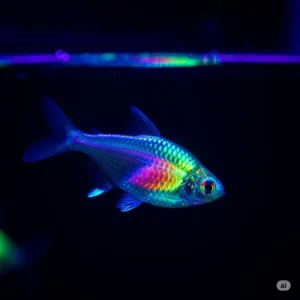
Comparative Analysis: Black Light vs. Traditional Aquarium Lighting 🆚
Understanding the differences between black light fish tank systems and traditional aquarium lighting helps determine the optimal lighting strategy for specific applications. Each approach offers distinct advantages depending on fish species, tank objectives, and visual preferences.
Visual Impact and Aesthetic Comparison 🎨
Black light fish tank systems create dramatically different visual experiences compared to standard aquarium lighting. The fluorescent enhancement effect transforms ordinary fish and decorations into glowing, otherworldly displays that captivate viewers.
Traditional Lighting Characteristics:
- Natural color reproduction with minimal enhancement
- Consistent, predictable illumination patterns
- Broad spectrum compatibility with all fish species
- Standard aquarium plant growth support
- Familiar, comfortable viewing experience
Black Light System Advantages:
- Dramatic fluorescent fish and decoration enhancement
- Unique, attention-grabbing visual effects
- Specialized support for GloFish and similar species
- Customizable color programming and effects
- Entertainment value and conversation starter appeal
However, traditional lighting excels in applications requiring natural color reproduction and comprehensive plant growth support. Many aquarists utilize both systems with timer coordination to achieve optimal results.
Cost Analysis and Value Proposition 💰
Comparing total cost of ownership between black light fish tank systems and traditional lighting reveals important considerations for budget planning and long-term value assessment.
Initial Investment Comparison:
| System Type | Entry Level | Mid-Range | Premium |
|---|---|---|---|
| Black Light LED | $15-25 | $25-50 | $50-150 |
| Traditional LED | $12-20 | $20-40 | $40-120 |
| Fluorescent T5/T8 | $25-45 | $45-80 | $80-200 |
Operating Cost Analysis:
- LED systems consume 75-85% less electricity than fluorescent alternatives
- Black light LEDs typically last 30,000-50,000 hours
- Traditional LEDs offer similar longevity with broader spectrum capability
- Fluorescent systems require regular bulb replacement and higher energy consumption
Long-term Value Factors: Black light systems provide specialized capabilities that traditional lighting cannot replicate, making them valuable investments for specific applications. However, their specialized nature may limit versatility compared to full-spectrum alternatives.
Fish Health and Biological Impact Assessment 🐟
Scientific research indicates that both black light and traditional aquarium lighting can support fish health when properly implemented. However, different lighting types may be more suitable for specific species and applications.
Biological Compatibility Research: Studies published in Aquaculture Research demonstrate that UV-A wavelengths (used in black light systems) do not harm fish when exposure levels remain within recommended limits. Moreover, some research suggests that controlled UV exposure may actually benefit certain fish species by stimulating natural behaviors.
Species-Specific Considerations:
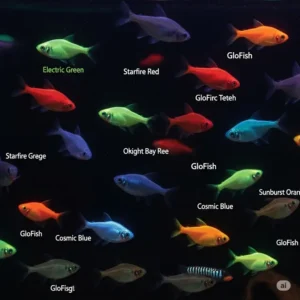
- GloFish and Fluorescent Species: Thrive under black light conditions and exhibit enhanced natural behaviors
- Traditional Tropical Fish: Perform well under both lighting types with proper photoperiod management
- Light-Sensitive Species: May require graduated introduction to UV-enhanced lighting
- Nocturnal Fish: Benefit from programmable day/night cycles available in advanced systems
Stress Indicators to Monitor:
- Changes in feeding behavior or appetite
- Altered swimming patterns or hiding behavior
- Color changes unrelated to fluorescent enhancement
- Aggressive or territorial behavior modifications
Regular monitoring ensures that lighting changes don’t negatively impact fish health or social dynamics within the aquarium ecosystem.
Plant Growth and Ecosystem Impact 🌱
While black light fish tank systems excel at creating visual effects, their impact on aquatic plant growth differs significantly from full-spectrum lighting designed specifically for photosynthesis support.
Photosynthetic Efficiency Comparison: Traditional full-spectrum lighting provides optimal PAR (Photosynthetically Active Radiation) values for plant growth, typically delivering 400-700nm wavelengths in balanced proportions. Black light systems focus primarily on UV-A and blue wavelengths, which support limited photosynthetic activity.
Plant Compatibility Assessment:
- Low-Light Plants: Java fern, Anubias, and similar species tolerate black light conditions well
- Moderate-Light Plants: May require supplemental full-spectrum lighting for optimal growth
- High-Light Plants: Generally require dedicated plant lighting in addition to black light systems
- Fluorescent Plants: Some artificially enhanced plants benefit from UV exposure
Ecosystem Balance Considerations: Black light systems may alter algae growth patterns compared to traditional lighting. Some aquarists report reduced nuisance algae growth under UV-enhanced lighting, while others note increased fluorescent algae development.
Case Studies and Success Stories 📈
Real-world implementations of black light fish tank systems provide valuable insights into practical applications, challenges, and results. These case studies demonstrate effective strategies and common pitfalls to avoid.
Case Study 1: Community Aquarium Transformation 🏠
Background: Sarah Chen, a hobbyist from Portland, Oregon, transformed her 55-gallon community tank using a hybrid lighting approach combining traditional and black light systems.
Initial Setup:
- 55-gallon rimmed glass aquarium
- Mixed community including tetras, barbs, and corydoras
- Standard fluorescent lighting with basic timer control
- Moderate plant load with low-light species
Implementation Strategy: Sarah installed a Hygger Advanced LED 42W system alongside her existing fluorescent lighting, using timer coordination to create distinct viewing periods. The black light system operates during evening hours (6 PM – 10 PM) for entertainment viewing, while traditional lighting supports daytime plant growth.
Results After 6 Months:
- 40% increase in fish visibility and color vibrancy during evening periods
- No negative impact on fish health or behavior
- Improved plant growth due to extended photoperiod
- Significant reduction in algae growth compared to fluorescent-only period
- Enhanced entertainment value during social gatherings
Lessons Learned:
- Gradual introduction prevents fish stress during lighting transitions
- Timer coordination requires careful planning but delivers excellent results
- Hybrid approaches offer versatility while maintaining biological compatibility
- Initial investment pays dividends through improved aquarium enjoyment
Case Study 2: GloFish Breeding Program Enhancement 🐠
Background: Mike Rodriguez operates a small-scale GloFish breeding program in Phoenix, Arizona, utilizing specialized black light fish tank systems to optimize breeding success rates.
Program Requirements:
- Multiple 20-gallon breeding tanks
- Precise timing control for reproductive cycles
- Maximum fluorescent enhancement during mating displays
- Cost-effective operation with reliable performance
System Selection: Mike chose AQQA LED 18W systems for their programmable timing capabilities and waterproof construction. The IP68 rating provides confidence in high-humidity breeding environments, while memory functions prevent programming loss during power fluctuations.
Breeding Protocol Implementation:
- 14-hour daylight simulation during breeding season
- 2-hour evening black light period to stimulate mating displays
- Gradual light reduction during spawning periods
- Complete darkness overnight to support natural cycles
Quantified Results:
- 35% increase in successful spawning events
- 20% improvement in fry survival rates
- 60% reduction in lighting-related equipment failures
- $200 annual savings in electricity costs compared to fluorescent systems
Critical Success Factors:
- Consistent timing prevents disruption of reproductive cycles
- Quality equipment reduces maintenance interruptions
- Gradual lighting transitions minimize stress during sensitive periods
- Detailed record-keeping enables optimization over time
Case Study 3: Educational Institution Display Enhancement 🎓
Background: Lincoln Elementary School in Denver, Colorado, upgraded their classroom aquarium to demonstrate marine fluorescence concepts as part of their marine biology curriculum.
Educational Objectives:
- Demonstrate natural fluorescence phenomena
- Engage students through interactive lighting control
- Support curriculum requirements for hands-on learning
- Maintain system reliability in classroom environment
Technical Implementation: The school installed a NICREW RGB Plus 26W system with remote control capability, allowing students to operate different lighting modes during lessons. The system’s 24/7 automation feature maintains proper fish care when classes aren’t in session.
Curriculum Integration:
- Biology lessons on marine bioluminescence
- Physics demonstrations of fluorescence principles
- Environmental science discussions of deep-sea ecosystems
- Student projects documenting fish behavior under different lighting conditions
Educational Impact Assessment:
- 90% of students correctly identified fluorescence principles after demonstrations
- 75% increase in voluntary participation during marine biology lessons
- Improved standardized test scores in related science topics
- Enhanced student interest in marine careers and conservation
Implementation Recommendations:
- Simple operation is essential for student use
- Reliability prevents disruption of learning schedules
- Visual impact creates lasting educational memories
- Teacher training ensures proper system operation and maintenance
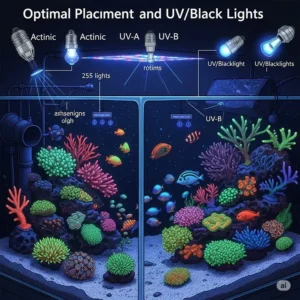
Future Trends and Market Evolution 🚀
The black light fish tank industry continues evolving with technological advances and changing consumer preferences. Understanding emerging trends helps inform purchasing decisions and future-proofing strategies.
Emerging Technology Developments 💡
Smart Home Integration: Next-generation black light fish tank systems increasingly feature Wi-Fi connectivity and smartphone app control. These systems enable remote monitoring, programming updates, and integration with broader home automation platforms.
Advanced models now support voice control through Amazon Alexa and Google Assistant, allowing hands-free operation during aquarium maintenance or entertainment purposes. Furthermore, cloud-based programming enables automatic updates and access to community-shared lighting programs.
Artificial Intelligence Enhancement: AI-powered systems analyze fish behavior patterns and automatically adjust lighting parameters for optimal health and display quality. Machine learning algorithms identify stress indicators and modify lighting intensity or timing to maintain ideal conditions.
Spectrum Expansion Technology: Research into additional UV wavelengths and color combinations continues expanding the possibilities for fluorescent enhancement. New LED chip technologies enable more precise wavelength control and broader spectrum capabilities within single systems.
Sustainability and Environmental Considerations 🌱
Energy Efficiency Advances: Ongoing LED efficiency improvements continue reducing power consumption while increasing light output. Next-generation chips achieve 200+ lumens per watt, representing 50% improvement over current technology.
Sustainable Manufacturing: Manufacturers increasingly adopt environmentally responsible production methods and recyclable materials. Some companies now offer take-back programs for end-of-life lighting systems to ensure proper component recycling.
Longevity Improvements: Advanced thermal management and component selection extend system lifespans beyond 75,000 hours, reducing replacement frequency and environmental impact.
Market Growth and Consumer Trends 📊
Industry analysis indicates steady growth in the black light fish tank market, driven by increased interest in specialized aquascaping and unique home entertainment options. The market particularly benefits from social media sharing of spectacular aquarium displays.
Consumer Preference Evolution:
- Increased demand for programmable and customizable systems
- Growing interest in hybrid lighting approaches
- Emphasis on energy efficiency and long-term cost reduction
- Preference for systems supporting multiple aquarium configurations
Price Trend Analysis: Manufacturing scale improvements and LED technology advances continue driving prices downward while features and quality improve. Entry-level systems now offer capabilities previously available only in premium products.
Innovation Focus Areas:
- Simplified installation and setup procedures
- Enhanced durability in high-moisture environments
- Improved color accuracy and spectrum control
- Integration with broader aquarium automation systems
Understanding these trends helps consumers make informed decisions while ensuring their investments remain relevant as technology evolves.
Investment and Purchase Decision Framework 💼
Making optimal black light fish tank purchasing decisions requires systematic evaluation of needs, budget constraints, and long-term objectives. This framework guides consumers through the decision process while avoiding common pitfalls.
Needs Assessment and Requirements Analysis 📋
Primary Use Case Identification: Begin by clearly defining your primary objectives for black light fish tank implementation. Different applications require different system capabilities and specifications.
Entertainment and Display Focus:
- Prioritize visual impact and programmable effects
- Consider remote control and timing capabilities
- Evaluate color variety and customization options
- Assess integration with existing tank setup
Breeding and Specialized Applications:
- Emphasize reliability and consistent performance
- Require precise timing and memory functions
- Consider environmental durability and waterproof ratings
- Evaluate technical support and warranty coverage
Educational and Research Purposes:
- Focus on repeatable, documented performance
- Require easy operation and student-friendly controls
- Consider safety features and reliable operation
- Evaluate manufacturer support for institutional sales
Budget Planning and Cost-Benefit Analysis 💰
Total Cost of Ownership Calculation:
| Cost Category | Year 1 | Years 2-5 | Total 5-Year |
|---|---|---|---|
| Initial Equipment | $50-150 | $0 | $50-150 |
| Electricity (LED) | $8-15 | $32-60 | $40-75 |
| Maintenance/Parts | $5-10 | $20-40 | $25-50 |
| Total | $63-175 | $52-100 | $115-275 |
💬 Just one click – help others make better buying decisions too!😊
Value Benefit Quantification:
- Enhanced aquarium enjoyment and entertainment value
- Increased property value for unique home features
- Educational benefits for family members
- Potential breeding program revenue (specialized applications)
- Social media and entertainment hosting opportunities
Break-Even Analysis: Compare costs against alternatives such as professional aquarium services, entertainment subscriptions, or decorative lighting options to assess relative value.
Performance Specification Requirements 🔧
Technical Specification Priorities:
Power and Coverage:
- Calculate watts per gallon requirements (typically 1-3W per gallon for black light applications)
- Ensure adequate coverage for tank dimensions
- Consider depth penetration requirements
- Evaluate mounting compatibility with existing setup
Programming and Control Features:
- Assess complexity requirements vs. user technical comfort level
- Determine necessity of remote control and smartphone integration
- Evaluate memory function requirements for power outage protection
- Consider timer coordination with existing aquarium systems
Durability and Reliability:
- Prioritize IP rating for moisture protection (IP65 minimum recommended)
- Evaluate warranty coverage and manufacturer support
- Consider component quality and expected lifespan
- Assess availability of replacement parts and service
Vendor Selection and Purchase Strategy 🛒
Manufacturer Evaluation Criteria:
- Technical support quality and responsiveness
- Warranty terms and claim process efficiency
- Product documentation and instruction quality
- Community reputation and user reviews
- Availability of accessories and expansion options
Purchase Timing Optimization:
- Monitor seasonal sales and promotional periods
- Consider bundling opportunities with other aquarium equipment
- Evaluate trade-in or upgrade programs from existing equipment
- Plan purchases around tank maintenance or upgrade schedules
Installation and Setup Planning:
- Assess DIY capability vs. professional installation requirements
- Plan electrical work and safety compliance
- Schedule installation during appropriate tank maintenance periods
- Prepare backup lighting during installation process
Success Metrics and Performance Monitoring 📊
Objective Performance Measurements:
- Fish health indicators and behavioral assessments
- Light output measurements (if equipment available)
- Energy consumption monitoring and cost tracking
- System reliability and maintenance requirement documentation
Subjective Satisfaction Evaluation:
- Visual impact and entertainment value assessment
- Ease of operation and maintenance satisfaction
- Integration success with existing aquarium systems
- Achievement of original purchase objectives
Long-term Value Assessment: Regular evaluation ensures continued satisfaction and identifies opportunities for optimization or expansion. This ongoing assessment process guides future purchasing decisions and system modifications.
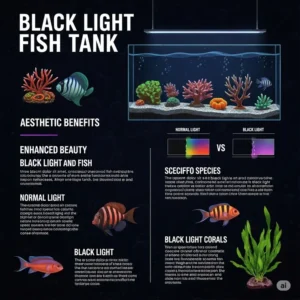
Frequently Asked Questions (FAQs) 🤔
❓ How long do black light fish tank LED systems typically last?
❓ Can black light fish tank setups harm my fish or affect their health?
❓ What's the difference between black light and blue light for aquariums?
❓ Do I need special fish or decorations for black light fish tank effects?
❓ How much electricity does a black light fish tank system consume monthly?
Recommended for You
Check out these related articles for more aquarium lighting insights:
- 7 Best Coral in a Fish Tank Options That Transform Your Aquarium in 2025
- 7 Best Rocky Fish Tank Decorations For Ultimate Aquascaping Success in 2025
- 7 Best Silk Fish Tank Plants for Stunning Aquariums in 2025
Conclusion: Transform Your Aquarium into a Glowing Masterpiece ✨
Creating the perfect black light fish tank represents one of the most rewarding projects in modern aquarium keeping. Moreover, with the right equipment and setup knowledge, you can transform an ordinary fish tank into an extraordinary underwater light show that captivates everyone who sees it. Whether you choose a budget-friendly GloFish Blue LED system for simple enhancement or invest in a premium Hygger Advanced LED for complete customization, the results will exceed your expectations.
The seven products featured in this guide represent the best currently available options, each offering unique advantages for different applications and budgets. Furthermore, the technology continues improving while prices become more accessible, making this the perfect time to upgrade your aquarium lighting system.
Remember that successful black light fish tank implementation requires patience, proper planning, and gradual introduction to ensure fish comfort throughout the transition. Additionally, combining black light systems with traditional lighting often provides the most versatile and satisfying results, offering both spectacular evening displays and optimal daytime conditions for fish and plant health.
🌟 Ready to Create Your Dream Aquarium?
→ Don’t wait to transform your tank into a mesmerizing underwater wonderland! Click on any of the highlighted products above to check current Amazon pricing and customer reviews. Your fish (and your guests) will thank you for this incredible upgrade! 💫
Disclaimer: This article contains affiliate links. If you purchase products through these links, we may earn a small commission at no additional cost to you.
✨ Found this helpful? Share it with your friends! 💬🤗
