
In This Article
✨Was this helpful? Spread the word! 🚀
The Allure of Rimless Aquariums
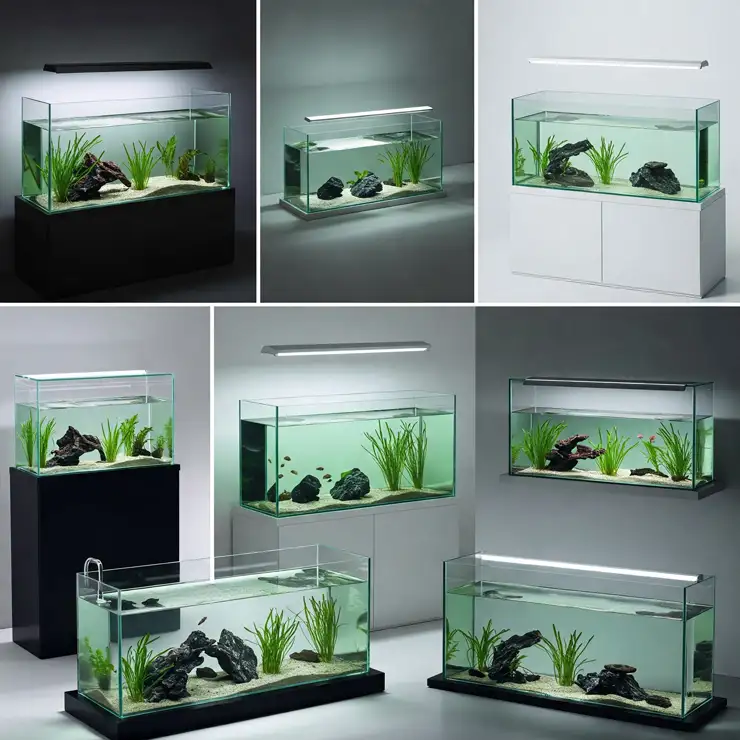
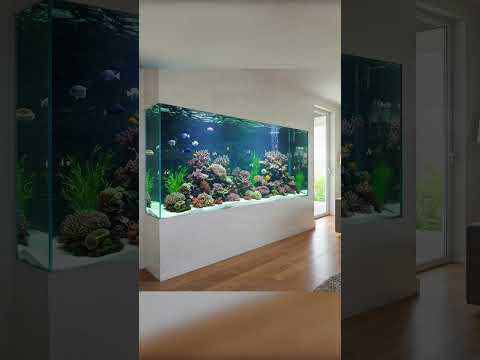
There’s something undeniably captivating about a rimless fish tank sitting in your living space. Unlike traditional aquariums, rimless fish tanks offer an unobstructed view of the underwater world, creating a seamless visual experience that turns an ordinary aquarium into a living piece of art. The absence of a plastic or metal frame allows water to meet glass in a clean, crisp line that enhances the overall aesthetic appeal of your aquatic display.
As an aquascaping enthusiast with over a decade of experience, I’ve watched rimless fish tanks evolve from niche products to mainstream centerpieces in modern interior design. The rimless tank concept originated in Japan, where minimalist design principles emphasized the beauty of nature without distracting elements. Today, these frameless aquariums have captured the hearts of hobbyists worldwide who appreciate both their form and function.
Whether you’re a seasoned aquarist looking to upgrade your setup or a newcomer drawn to the elegant simplicity of rimless designs, this comprehensive guide will help you navigate the world of rimless fish tanks, including specialized shallow fish tank options that are perfect for creative aquascapes. I’ll cover everything from selection criteria and maintenance considerations to top product recommendations and expert setup tips that I’ve personally tested and refined over years of keeping these stunning aquariums.
Understanding Rimless Fish Tanks: Beyond the Aesthetics
What Makes a Tank Truly “Rimless”?
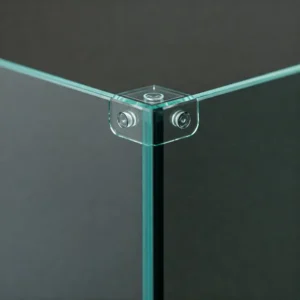
A genuine rimless fish tank is crafted without the traditional plastic or metal frame around the top edges of the aquarium. Instead, these tanks feature precisely cut, polished glass edges that create a clean, sophisticated look. The glass used in quality rimless fish tanks is typically thicker than standard aquariums—usually between 5mm and 12mm depending on the tank size—to ensure structural integrity without the support of a frame.
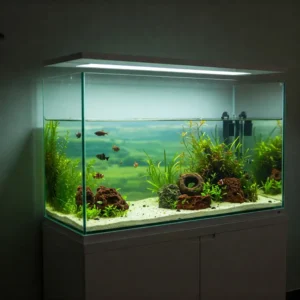
The magic of a rimless fish tank lies in its simplicity. When filled with water, the surface tension creates a slight dome effect at the top, enhancing the visual impact and creating what aquascapers often refer to as “the infinity pool effect.” This borderless appearance makes the aquatic environment appear more natural and immersive, almost as if you’re looking directly into a slice of underwater habitat.
It’s worth noting that not all tanks marketed as “rimless” are created equal. Some manufacturers take shortcuts by simply removing the plastic trim from standard tanks without reinforcing the glass or properly finishing the edges. True rimless aquariums feature beveled or polished edges that minimize the risk of chipping and injury while enhancing the overall appearance.
The Engineering Behind Frameless Aquariums
The construction of a quality rimless fish tank involves precise engineering to ensure both beauty and durability. Without the support of a frame, the glass panels must be perfectly cut and assembled to distribute water pressure evenly. Premium rimless tanks use high-clarity, low-iron glass that reduces the greenish tint found in standard glass, offering crystal-clear views of your aquatic life.
The seams of well-made rimless fish tanks are meticulously sealed with professional-grade silicone that’s specifically formulated for aquarium use. This silicone not only creates a watertight seal but also contributes to the structural integrity of the tank. The bottom panel typically features extra thickness to support the weight of water, substrate, and decorations without bowing or stress points.
For those concerned about the safety of rimless designs, modern manufacturing techniques have largely addressed historical concerns. Today’s quality rimless tanks undergo pressure testing and quality control measures that ensure they’re just as reliable as their rimmed counterparts when properly maintained and positioned on appropriate stands.
Benefits of Choosing a Rimless Fish Tank for Your Aquascape
Unparalleled Aesthetic Appeal
The primary draw of rimless fish tanks is their clean, sophisticated appearance. Without the visual interruption of a frame, these aquariums offer 360-degree viewing that makes your aquascape the star of the show. The unobstructed view creates a more immersive experience for observers, drawing the eye naturally to the underwater landscape you’ve created.
Many interior designers and aquascape enthusiasts choose rimless tanks specifically because they complement modern home décor. The minimalist design blends seamlessly with contemporary spaces, acting as both an aquarium and an architectural element that enhances the overall aesthetic of a room.
Enhanced Light Penetration
Without a frame to cast shadows or block light, rimless fish tanks allow for optimal light penetration. This is particularly beneficial for planted aquariums, where even light distribution is crucial for healthy plant growth. The unobstructed top also makes it easier to position and adjust lighting fixtures for perfect illumination of your aquatic display.
The improved light penetration doesn’t just benefit plants; it also showcases the colors of your fish more vividly. With nothing to filter or obstruct the light, the natural iridescence and patterns of aquarium inhabitants appear more vibrant and true to life, enhancing the overall visual impact of your aquarium.
Greater Flexibility for Equipment and Maintenance
The open-top design of rimless fish tanks provides easier access for routine maintenance tasks like water changes, plant trimming, and substrate vacuuming. Without having to work around a frame, you can reach all areas of the tank more comfortably, which encourages more frequent and thorough maintenance—a key factor in long-term aquarium success.
Equipment installation is also simplified with rimless designs. Filters, heaters, CO2 diffusers, and other necessary hardware can be positioned more discreetly, allowing the natural elements of your aquascape to remain the focal point. Many rimless tank enthusiasts appreciate this flexibility when creating minimalist displays where equipment visibility is kept to a minimum.
Shallow Fish Tank Options: A Growing Trend in Rimless Designs
Why Shallow Tanks Are Gaining Popularity
While standard rimless aquariums typically maintain traditional proportions, shallow fish tank designs represent an exciting evolution in the hobby. These low-profile tanks feature reduced height but increased length and sometimes width, creating a panoramic underwater landscape that mimics natural waterways more accurately than conventional aquariums.
A shallow fish tank provides several distinct advantages for aquascapers. First, the reduced water column makes it easier to achieve excellent light penetration all the way to the substrate level, which promotes healthier plant growth throughout the tank. Second, the wider footprint offers more “canvas space” for creating detailed landscapes with foreground, midground, and background elements that can be fully appreciated from the front viewing angle.
From a practical standpoint, shallow tanks also simplify maintenance. With less water depth to reach through, trimming plants, arranging hardscape elements, and cleaning becomes notably easier. This accessibility often leads to better-maintained tanks and, consequently, healthier aquatic environments.
Ideal Applications for Shallow Rimless Tanks
Shallow fish tank configurations excel in certain applications where standard aquariums might fall short. They’re particularly well-suited for:
- Iwagumi Aquascapes: This Japanese rock-arrangement style benefits from the expanded horizontal space to create dramatic, minimalist landscapes where carefully positioned stones create the impression of distant mountains.
- Riparium Setups: These semi-aquatic environments feature emergent growth, where plants grow partially submerged and partially above the water surface. The shallow design provides ideal conditions for this transitional zone.
- Biotope Recreations: Many natural habitats, from Amazonian floodplains to Asian rice paddies, are relatively shallow but horizontally expansive. A shallow fish tank allows for more accurate recreation of these environments.
- Breeding Projects: For species that spawn on substrate or benefit from larger floor space rather than water volume, shallow tanks provide ideal breeding conditions while remaining visually appealing.
The combination of a rimless design with a shallow profile creates some of the most striking display possibilities in modern aquascaping. These tanks have become particularly popular among competitive aquascapers who appreciate how the panoramic format showcases their artistic compositions.
Selecting the Perfect Rimless Fish Tank: Key Considerations
Size and Placement Factors
Choosing the right size for your rimless fish tank involves balancing aesthetic desires with practical considerations. Larger tanks provide more stable water parameters and greater design flexibility but require sturdy support and appropriate space. Before purchasing, carefully measure your intended location, considering not just the footprint of the tank but also access space needed for maintenance.
The placement of a rimless tank requires special consideration. Unlike rimmed aquariums that can sometimes forgive slight imperfections in supporting surfaces, rimless tanks demand perfectly level platforms to prevent stress on glass panels. I recommend using a carpenter’s level to check your stand or counter before installation. Additionally, consider proximity to windows (to avoid algae issues from direct sunlight) and electrical outlets for equipment.
For those interested in shallow fish tank options, remember that these designs often have a larger footprint despite holding less water by volume. Ensure your support surface can accommodate the expanded dimensions while still providing easy access from all necessary angles for maintenance.
Glass Quality and Thickness
The glass quality in a rimless tank directly impacts both aesthetics and durability. Premium tanks utilize low-iron glass (sometimes called “starphire” or “ultra-clear” glass) that eliminates the greenish tint found in standard glass, offering truly transparent views. While more expensive, this investment pays dividends in visual clarity, particularly for photography enthusiasts or those creating display tanks.
Thickness requirements increase with tank size, following a general rule that larger tanks need proportionally thicker glass to withstand water pressure safely. For reference:
- Nano tanks (under 10 gallons): 5mm glass typically suffices
- Small to medium tanks (10-40 gallons): 8mm glass provides good stability
- Large tanks (40+ gallons): 10-12mm glass or more is recommended
When examining potential purchases, inspect all edges and corners for proper finishing. Quality rimless tanks feature polished or beveled edges that enhance safety and prevent chipping. The silicone work should be precise and minimal, with clean seams and no excess material protruding.
Understanding Tank Dimensions and Volume
Standard aquariums typically follow certain dimensional ratios, but rimless tanks—especially shallow fish tank variants—often break these conventions to create specific visual effects. When evaluating dimensions, consider both the external measurements (for fitting your space) and internal capacity (for stocking and aquascaping).
Shallow tanks generally maintain a height-to-length ratio that maximizes the horizontal viewing plane. While a traditional aquarium might have roughly equal height and width, a shallow fish tank might be half as tall but significantly longer, creating that distinctive panoramic effect.
Water volume calculations become particularly important with non-standard dimensions. Remember that displacement from substrate, hardscape, and equipment will reduce the effective water volume by 10-20% in most setups. This adjusted volume, rather than the tank’s rated capacity, should guide your filtration choices and stocking decisions.
Top Rimless Fish Tank Recommendations for 2025
Premium Options for Serious Enthusiasts
For those willing to invest in exceptional quality, these premium rimless tanks represent the pinnacle of craftsmanship and design:
- ADA Cube Garden – The gold standard in rimless aquariums, these Japanese-made tanks feature impeccable construction with ultra-clear glass and minimal silicone seams. The ADA Cube Garden 60-P offers the perfect balance of size and proportion with its 60×30×36cm dimensions, though the price point reflects its premium positioning.
- UNS Ultra Series – These ultra-high-clarity tanks feature diamond-polished edges and remarkably clean silicone work. The UNS 90U model provides an impressive 90cm display length with perfect proportions for larger aquascapes.
- Waterbox Clear Mini – Combining German-manufactured glass with precision engineering, these tanks offer reef-ready quality for freshwater applications. The Waterbox Clear 30 provides excellent value while maintaining premium construction standards.
These high-end options generally come without equipment, allowing experienced aquarists to select their preferred filtration and lighting systems separately.
Mid-Range Rimless Options with Great Value
These tanks balance quality construction with more accessible price points:
- Lifegard Aquatics Crystal – Featuring beveled edges and 91% clarity glass, these tanks offer a premium look without the premium price tag. The Lifegard Crystal 20 provides a perfect medium-sized canvas for creative aquascaping.
- Fluval Flex – While technically featuring a small rim at the back for equipment housing, the Fluval Flex 15 presents a predominantly rimless viewing experience with the convenience of integrated filtration, making it ideal for beginners venturing into rimless designs.
- JBJ Rimless – With clean lines and quality construction, these tanks represent excellent value. The JBJ Rimless 25 includes a fitted mat that protects both the tank and supporting surface.
Mid-range options often represent the sweet spot of quality and affordability for most hobbyists serious about aquascaping.
Budget-Friendly Rimless Tanks for Beginners
Starting with rimless tanks doesn’t have to break the bank:
- Penn Plax Radius – This affordable curved-corner rimless tank offers a modern look at an entry-level price point. The Penn Plax Radius 10 is perfect for desktop nano aquascapes or as a first foray into rimless tank keeping.
- Hygger Horizon – With integrated LED lighting and filtration, the Hygger Horizon 8 provides a complete kit in a rimless design, ideal for those wanting simplicity without sacrificing style.
- Aqueon Frameless – These basic but well-constructed rimless tanks provide excellent value for beginners. The Aqueon Frameless 14 offers enough space for a proper aquascape while remaining manageable for novices.
Even at lower price points, today’s manufacturing standards ensure these tanks provide safe, attractive options for beginning aquarists.
Specialized Shallow Fish Tank Recommendations
For those specifically interested in shallow format rimless tanks:
- UNS 60S – This shallow rimless fish tank features a 60×40×20cm footprint that provides excellent horizontal space while limiting height to just 20cm, creating the perfect canvas for nature aquariums and iwagumi layouts.
- Landen Shallow Rimless – With precision-cut low-iron glass, the Landen 60S shallow fish tank offers excellent clarity and a perfect 12″ height that balances ease of maintenance with adequate water volume.
- DoAqua Plant Glass – From the makers of ADA, this more affordable line includes excellent shallow options. The DoAqua 45-H features a shallow profile that’s perfect for creating detailed foreground plant layouts.
These specialized tanks cater to aquascapers who appreciate the unique aesthetic and practical advantages of the shallow format combined with rimless construction.
Setting Up Your Rimless Fish Tank: A Step-by-Step Guide
Choosing the Right Location and Support
Before your tank arrives, prepare its permanent home carefully. Rimless tanks, lacking the structural support of frames, are particularly sensitive to uneven surfaces. I recommend:
✅ Selecting a location away from direct sunlight and high-traffic areas
✅ Using a purpose-built aquarium stand rated for at least 1.5× your tank’s filled weight
✅ Placing a leveling mat between the tank and stand to distribute pressure evenly
✅ Verifying the surface is perfectly level using a bubble level in multiple directions
For those setting up shallow fish tank configurations, remember that the extended length may require additional central support to prevent bowing in the stand over time. Custom stands often work best for non-standard dimensions.
Water-Tight Testing Before Setup
Once your rimless tank arrives, conduct a thorough water test before adding substrate or decorations:
- Place the empty tank on a safe surface outdoors or in a bathtub
- Fill it slowly with clean water, watching for any leaks around seams
- Leave it filled for 24-48 hours to verify complete water-tightness
- Check all corners and edges for even the slightest moisture
This precautionary step saves tremendous headache later, especially with rimless tanks where the integrity of the silicone seals is paramount to safety. If you discover any issues, contact the manufacturer immediately rather than attempting repairs yourself.
Substrate Selection and Placement
The substrate in a rimless tank is highly visible from all angles, making selection particularly important:
✅ For planted tanks, use aqua soil or specialized plant substrates with good nutrient content
✅ Consider contrasting sand paths or foreground areas for visual interest
✅ Create depth by sloping the substrate higher in the back than in the front
✅ For shallow fish tank setups, use the expanded floor space to create more elaborate substrate contours
When adding substrate, place a bowl or plate temporarily at the bottom to pour water onto, preventing substrate disruption during filling. In shallow tanks, substrate height becomes proportionally more significant—even small hills can create dramatic landscape effects.
Hardscape Arrangement Techniques
The hardscape (rocks, driftwood, etc.) forms the permanent skeleton of your aquascape:
- Arrange major pieces before adding water for easier positioning
- Follow compositional principles like the rule of thirds or golden ratio
- Create visual interest with varying heights and negative space
- Consider sight lines from all viewing angles, as rimless tanks encourage 360° appreciation
In shallow fish tank designs, hardscape elements can emerge from the water surface, creating dramatic transitions between underwater and emergent environments. This technique, sometimes called “emersed growth,” adds a new dimension to traditional aquascaping.
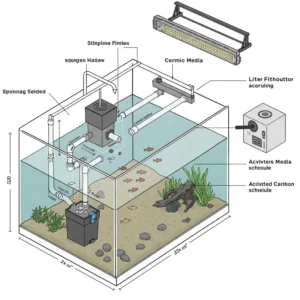
Proper Filtration and Equipment Placement
Equipment selection for rimless tanks requires balancing effectiveness with aesthetic impact:
✅ Consider hang-on-back filters with clear components to minimize visual disruption
✅ External canister filters work well for larger setups, keeping equipment outside the display
✅ Lily pipe inflows and outflows provide functional water movement with minimal visual impact
✅ In-tank heaters can be hidden behind hardscape elements or replaced with in-line versions
For shallow fish tank configurations, equipment placement requires extra creativity due to the reduced water column. Consider horizontal rather than vertical heaters, and lowprofile filter outputs that create gentle surface movement without excessive splashing.
Light Selection for Optimal Growth and Display
Lighting dramatically affects both plant health and the visual impact of a rimless tank:
- LED fixtures with adjustable intensity provide flexibility for different plant needs
- Pendant-style lights enhance the open-top aesthetic of rimless designs
- Consider light spread—shallow tanks need wider coverage rather than deep penetration
- Programmable fixtures allow for sunrise/sunset effects that showcase your aquascape dramatically
Many aquascapers mount lights slightly higher above shallow fish tank setups to ensure even coverage across the expanded surface area. This positioning also reduces water splashing onto light fixtures during maintenance.
Addressing Evaporation and Water Level Management
The open-top nature of rimless tanks leads to faster evaporation than covered aquariums:
✅ Plan for weekly top-offs to maintain the aesthetic water line
✅ Consider auto-top-off systems for larger tanks or during absences
✅ Use treated water for top-offs to prevent mineral buildup at the water line
✅ Clean glass edges regularly to prevent water deposits that can detract from the clean lines
Evaporation is particularly noticeable in shallow fish tank configurations due to their high surface-area-to-volume ratio. While this promotes good gas exchange, it also necessitates more frequent water additions to maintain levels.
Comparison Table: Rimless Tank Options for Different Needs
| Tank Model | Size (LxWxH) | Glass Thickness | Volume | Best For | Approximate Price |
|---|---|---|---|---|---|
| ADA Cube Garden 60-P | 60×30×36cm | 8mm | 20 gallons | High-end nature aquariums | $250-300 |
| UNS 60S | 60×40×20cm | 6mm | 10 gallons | Shallow fish tank layouts | $180-220 |
| Penn Plax Radius 10 | 30×30×30cm | 5mm | 10 gallons | Beginner rimless setups | $60-80 |
| Landen 60S | 60×45×18cm | 5mm | 12 gallons | Iwagumi aquascapes | $150-180 |
| Waterbox Clear 30 | 60×30×30cm | 10mm | 15 gallons | Premium displays | $200-240 |
| Hygger Horizon 8 | 45×22×28cm | 5mm | 8 gallons | All-in-one convenience | $90-120 |
| DoAqua 45-H | 45×27×20cm | 5mm | 6 gallons | Shallow planted tanks | $120-150 |
| Fluval Flex 15 | 41×39×39cm | 5mm | 15 gallons | Beginner-friendly | $100-130 |
💬 Just one click – help others make better buying decisions too!😊
Specialized Aquascaping Styles for Rimless and Shallow Tanks
Nature Aquarium Style: Takashi Amano’s Legacy
The nature aquarium style, pioneered by legendary aquascaper Takashi Amano, finds its perfect canvas in rimless tanks. This approach seeks to recreate natural landscapes underwater using carefully arranged hardscape, strategically placed plants, and negative space. According to Aqua Design Amano, the absence of visible boundaries in rimless tanks enhances the illusion of viewing a slice of nature.
Key elements of the nature style include:
✅ Asymmetrical composition following the golden ratio
✅ Varied textures through mixed plant species
✅ Use of negative space to create depth perception
✅ Careful consideration of plant growth patterns and mature appearance
Shallow fish tank configurations particularly excel with nature-style aquascapes, as the extended horizontal space allows for more nuanced transitions between foreground, midground, and background elements, creating more convincing landscape impressions.
Iwagumi: Minimalist Rock Arrangements
The iwagumi style represents aquascaping at its most refined and minimal. Originating from Japanese stone garden aesthetics, true iwagumi layouts feature precisely positioned rocks as the primary focus, with plants playing a supporting role. According to research published in the Journal of Landscape Architecture, these arrangements follow ancient principles of stone placement that create psychological impressions of natural landscapes.
In a rimless tank, especially shallow fish tank variants, iwagumi acquires a particular power:
- The unobstructed view emphasizes the clean lines of stone arrangements
- The expanded horizontal plane allows for more dramatic rock positioning
- The minimalist aesthetic harmonizes perfectly with the streamlined tank design
- Simple carpeting plants accentuate rather than compete with the hardscape
Successful iwagumi layouts in rimless tanks often feature odd numbers of stones arranged in careful hierarchies, with appropriate negative space between elements to create a sense of tension and balance.
Jungle Style: Lush Plant-Focused Displays
At the opposite end of the spectrum from iwagumi, jungle-style aquascapes embrace abundance and lush growth. This approach celebrates the vigorous nature of aquatic plants, allowing them to create dense, textured environments reminiscent of tropical rainforests or riverbanks. According to Tropica Aquarium Plants, this style prioritizes plant health and natural growth patterns over rigid design rules.
In rimless tanks, jungle setups benefit from:
✅ Unobstructed upward growth space for stem plants
✅ Enhanced light penetration through the open top
✅ The visual contrast between contained chaos and the clean tank lines
✅ Excellent oxygenation through abundant plant mass
While traditional jungle styles work in standard rimless tanks, modified approaches for shallow fish tank layouts often incorporate horizontally-spreading plant species rather than tall vertical growers, creating a lush carpet effect that maximizes the unique proportions of these tanks.
Biotope Accurate: Recreating Natural Habitats
For hobbyists fascinated by specific ecosystems, biotope aquascaping recreates particular natural habitats with scientific accuracy. This approach prioritizes authenticity over artistic interpretation, using species and hardscape materials native to the specific region being modeled. The Biotope Aquarium Design Contest showcases how serious enthusiasts research and recreate these environments.
Rimless tanks enhance biotope presentations by:
- Removing artificial boundaries that detract from natural impression
- Allowing for more accurate water surface effects and riparian zones
- Providing better views of natural behaviors and interactions
- Creating more convincing immersive displays of specific habitats
Shallow fish tank configurations prove particularly valuable for biotopes representing floodplains, marshes, tidal zones, and other naturally shallow environments. The extended footprint allows for more accurate representation of horizontal diversity found in these habitats.
Maintenance Best Practices for Rimless Fish Tanks
Daily and Weekly Routines
Maintaining the pristine appearance that makes rimless tanks so appealing requires consistent attention:
Daily Tasks:
- Check water temperature and equipment function
- Remove any floating debris with a fine net
- Wipe water spots from exterior glass surfaces
- Observe inhabitants for signs of stress or illness
Weekly Tasks:
- Top off evaporated water with treated replacement
- Clean visible algae from glass surfaces
- Trim fast-growing plants to maintain proportions
- Test water parameters (ammonia, nitrite, nitrate, pH)
- Perform partial water changes (15-25% typically)
For shallow fish tank configurations, pay special attention to water parameters, as the reduced volume means contaminants can concentrate more quickly than in deeper tanks with the same footprint.
Special Considerations for Open-Top Systems
The rimless design creates unique maintenance considerations:
✅ Watch for jumpers—some fish species may need a mesh cover or higher water line
✅ Consider humidity effects on nearby furniture or electronics
✅ Be mindful of splashing during maintenance that might damage floors or surfaces
✅ Install preventative barriers if household pets show interest in the tank
According to research published in Aquatic Toxicology, open-top systems may experience faster gas exchange, which can benefit oxygen levels but also leads to quicker pH fluctuations as CO2 escapes. Regular testing helps manage these subtle changes.
Algae Prevention and Management
Algae control becomes particularly important in display-focused rimless tanks:
- Maintain balanced lighting periods (8-10 hours typically)
- Ensure appropriate plant density to compete with algae
- Consider adding algae-eating species like Amano shrimp or otocinclus catfish
- Avoid overfeeding fish, which introduces excess nutrients
- Use physical removal methods before chemical treatments
For shallow fish tank setups, the increased light penetration and surface area can sometimes encourage algae growth. Adjusting light intensity rather than duration often provides better control in these systems.
Long-Term Care and System Stability
Establishing stability is critical for rimless tank success:
✅ Develop a consistent maintenance schedule and stick to it
✅ Keep detailed records of water parameters to identify trends
✅ Rotate filtration media replacements rather than changing all at once
✅ Consider automated systems for critical functions during absences
✅ Plan for plant growth and hardscape shifts over time
According to The Aquarium Guide, tanks that reach true biological stability often require 6-12 months of consistent care. This patience pays dividends in reduced maintenance and healthier inhabitants over time.
🛒 Recommended Rimless Fish Tank Products on Amazon
Complete Systems for Easy Setup
For those seeking convenience without sacrificing style, these complete rimless systems offer excellent starting points:
- Penn Plax Radius Curved Corner Glass Aquarium Kit – This affordable rimless starter kit includes filtration and LED lighting in a sleek 10-gallon design that’s perfect for beginners exploring open-top systems. The curved corners add a modern touch while being easier to clean than traditional right angles.
- Fluval Edge 12-Gallon Aquarium Kit – While not completely rimless, this unique design features a minimalist frame with a 3D water cube effect. The integrated filtration and lighting system makes setup straightforward, while the contemporary design works well in modern interiors.
- NICREW ClassicLED G2 Aquarium Light – Though not a tank itself, this affordable lighting system pairs perfectly with rimless setups, providing adjustable brightness and spectrum options that enhance the visual impact of open-top displays.
These complete systems provide excellent entry points for hobbyists transitioning from traditional tanks to rimless designs.
Essential Accessories for Rimless Tank Success
Maximize your rimless tank experience with these specialized accessories:
- ADA Vuppa Surface Skimmer – This elegant stainless steel surface skimmer removes protein film while blending aesthetically with high-end rimless setups. Its minimalist design complements rather than competes with your aquascape.
- Jardli Glass Lily Pipe Set – These crystal-clear glass intake and outflow pipes provide effective filtration while remaining visually unobtrusive in rimless tanks. The lily pipe design creates gentle water movement that’s ideal for both fish and plants.
- Twinstar Nano Algae Inhibitor – This discreet acrylic device helps prevent algae through electrolysis, reducing maintenance requirements while preserving the clean aesthetic of rimless tanks. Its compact size makes it easy to hide behind hardscape elements.
These accessories specifically address the unique challenges and opportunities presented by frameless aquarium designs.
Specialized Tools for Shallow Fish Tank Maintenance
Shallow fish tank configurations benefit from tools designed for their unique proportions:
- ADA Pro Pinsettes – These professional-grade aquascaping tweezers feature extended length and precise tips that make plant placement in shallow tanks much easier, allowing detailed arrangement without submerging your hands.
- FZONE Long Reach Scissors – With their extended handle design, these trimming scissors allow precise plant maintenance even in the farthest corners of wide, shallow tanks where standard tools might fall short.
- Continuum AquaBlade Algae Scraper – This low-profile cleaner is perfect for shallow tanks, with a design that allows cleaning near the substrate without disturbing carefully arranged aquascapes. The replaceable stainless blade prevents scratching.
These specialized tools make maintenance of shallow rimless systems both easier and more effective, preserving the unique aesthetic appeal of these configurations.
Expert Insights: Common Questions About Rimless Fish Tanks
Addressing Safety and Durability Concerns
Many newcomers to rimless tanks express concerns about structural integrity and safety. Based on my experience and industry research, quality rimless tanks manufactured to proper standards are just as safe as traditional framed aquariums when properly supported. The thicker glass used in these tanks compensates for the absence of a reinforcing frame.
According to engineering analyses published in Aquarium Design Group’s research, the critical factors for rimless tank safety include:
- Glass thickness appropriate to water volume and dimensions
- Professional-grade silicone seals properly cured
- Perfectly level support across the entire bottom panel
- Appropriate water level maintenance (not overfilling)
In my decade-plus experience with various rimless designs, I’ve found that tanks from reputable manufacturers with proper setup have reliability comparable to or exceeding standard aquariums. The key difference lies in the importance of following setup guidelines precisely.
Addressing Water Evaporation Challenges
The open-top design of rimless tanks leads to faster evaporation than covered systems. In my experience, expect to replace 1-3% of total volume daily depending on room temperature, humidity, and water surface agitation. This natural process requires regular attention but also offers benefits through gas exchange and temperature regulation.
For managing evaporation effectively:
✅ Establish a regular top-off schedule using treated water
✅ Consider automated top-off systems for larger tanks or during absences
✅ Use reverse osmosis or distilled water for top-offs to prevent mineral buildup
✅ Monitor humidity levels in the room, especially with larger setups
For shallow fish tank configurations where evaporation is proportionally higher due to increased surface area, more frequent monitoring becomes necessary. I recommend daily visual checks of water level for these systems.
Comparing Cost-Benefit Analysis With Traditional Tanks
While rimless tanks typically command higher prices than framed alternatives, the cost difference represents more than just aesthetic preference. Manufacturing rimless tanks requires higher precision, better materials, and more skilled labor, resulting in products that often outperform standard tanks in clarity and durability.
Based on market analysis from Aqua Forest Aquarium, the premium for rimless construction typically adds 30-50% to comparable framed tank prices. However, this investment brings tangible benefits:
- Superior viewing experience with unobstructed sightlines
- Higher-clarity glass with reduced distortion
- More flexible equipment placement and access
- Enhanced property value through sophisticated home décor
- Better photography results for hobbyists documenting their aquascapes
Many enthusiasts find that the premium is justified through both immediate enjoyment and long-term satisfaction with their aquatic displays.
🔍 Transform Your Space: Why Rimless is the Future
The Psychology of Borderless Aquatic Displays
The appeal of rimless fish tanks extends beyond mere aesthetics into psychological impact. According to environmental psychology research published in the Journal of Environmental Psychology, viewing naturalistic aquatic displays reduces stress markers and improves cognitive function. The absence of visible boundaries in rimless tanks enhances this effect by creating a more immersive viewing experience.
The concept of “biophilic design”—incorporating natural elements into living spaces—has gained significant scientific support for its wellness benefits. Rimless aquariums represent one of the most sophisticated implementations of this principle, bringing living nature into human environments without visible containment.
In my consultations with clients who’ve installed rimless displays, many report the same phenomenon: the tank becomes more than decoration—it transforms into a living focal point that draws and holds attention more effectively than traditional aquariums. This engagement quality makes rimless tanks particularly valuable in high-stress environments like offices, medical facilities, and urban homes where nature connection is limited.
The shallow fish tank variant enhances this effect further by mimicking natural water bodies more accurately. The expanded horizontal plane creates a more realistic impression of ponds, streams, and shorelines—environments humans have evolved to find both calming and engaging.
Interior Design Integration and Placement Strategies
Successful integration of rimless aquariums into interior design requires thoughtful placement and complementary elements:
- Negative Space – Allow visual breathing room around the tank rather than crowding it with other decorative elements. This emphasizes its role as a living art piece.
- Lighting Harmony – Coordinate aquarium lighting with room lighting for cohesive ambiance. Smart LED systems can synchronize with home automation for seamless transitions.
- Material Complementarity – Select stand materials and colors that extend your existing décor language. For minimalist spaces, custom cabinetry that conceals equipment enhances the clean aesthetic.
- Sightline Planning – Position the tank where it can be viewed from primary seating areas without glare. Consider how the tank appears from different room perspectives.
For shallow fish tank setups in particular, consider furniture-height placements rather than traditional stands. This positioning creates a more engaging viewing angle for the panoramic format and can make these tanks function effectively as room dividers or service counters in commercial spaces.
Future Trends in Rimless Aquarium Innovation
The rimless aquarium category continues to evolve with exciting developments on the horizon:
✅ Ultra-Clear Materials – Beyond low-iron glass, manufacturers are exploring optical-grade acrylic and new glass formulations that virtually eliminate distortion.
✅ Integrated Technology – Emerging systems embed monitoring sensors and control elements within tank architecture rather than as separate components.
✅ Proportional Innovations – New dimensional ratios challenge traditional tank shapes, with ultra-wide panoramic and extreme shallow fish tank designs pushing creative boundaries.
✅ Sustainable Manufacturing – Eco-conscious production using recycled materials and energy-efficient processes is gaining traction among premium manufacturers.
According to industry forecasts, the premium segment of the aquarium market, where rimless designs dominate, is projected to grow at 8-10% annually through 2030, outpacing the broader aquatics industry. This growth reflects both increasing consumer appreciation for design quality and the expanding accessibility of once-exclusive tank formats.
🛒 Don’t Miss These Exclusive Rimless Tank Deals! 🐠
→ Ready to transform your space with the elegance of a rimless aquarium? We’ve carefully selected the highest quality options at various price points. Click on any highlighted product to check current pricing and availability. These beautiful tanks will help you create a stunning underwater display that becomes the centerpiece of your home or office!
Planted Tank Considerations for Rimless Setups
Plant Selection for Open-Top Systems
The unrestricted access to air in rimless tanks creates opportunities for specialized plant selections:
- Emergent Growers – Species like Bacopa monnieri and Hydrocotyle tripartita thrive when allowed to grow above the water surface, creating stunning transitional effects.
- Air-Root Feeders – Plants such as Pothos and Peace Lilies can establish roots in water while growing leaves in air, adding vertical dimension to rimless displays.
- Floating Species – Decorative floating plants like Amazon Frogbit and Red Root Floaters create natural-looking surface coverage that frames the underwater view.
- Transition Specialists – Cryptocoryne and Anubias species often produce emersed leaves in open systems that differ dramatically from their submersed growth, adding textural diversity.
According to botanical research from the Tropica Aquarium Plants Laboratory, many aquatic plants actually prefer access to atmospheric CO2 and will demonstrate more robust growth patterns in open systems compared to covered tanks. This natural advantage makes rimless tanks particularly well-suited for lush planted displays.
For shallow fish tank configurations, focus on foreground and midground species that create carpets and low-profile arrangements. The reduced water column in these tanks limits vertical growth space but provides excellent conditions for spreading plants like Monte Carlo and Dwarf Hairgrass.
CO2 Considerations for Open Systems
Carbon dioxide supplementation requires special consideration in rimless setups due to increased gas exchange at the water surface:
✅ Expect higher CO2 consumption rates compared to covered tanks of equal volume
✅ Consider in-line diffusion methods rather than in-tank diffusers for aesthetic reasons
✅ Monitor CO2 levels carefully, as fluctuations occur more rapidly in open systems
✅ Adjust bubble counts upward by approximately 20-30% compared to covered tank baselines
According to data from 2HR Aquarist, efficient CO2 dissolution becomes particularly important in shallow fish tank designs where the reduced water column limits contact time for gas diffusion. In these systems, consider reactor-style diffusion methods that achieve near 100% dissolution efficiency.
For hobbyists seeking to avoid pressurized CO2, rimless tanks can still support beautiful planted displays through careful species selection. Focus on undemanding plants like Java Fern, Anubias, and Bucephalandra that thrive under moderate light without CO2 supplementation.
Fertilization Strategies for Optimal Growth
Nutrient management in rimless tanks benefits from strategies tailored to their unique characteristics:
- Front-Loading Macronutrients – Consider substrate-based nutrition systems that provide extended release of major nutrients, reducing water column dosing frequency.
- Conservative Micronutrient Dosing – Start with approximately 70% of recommended dosages for trace elements, as evaporation can concentrate these compounds over time.
- Monitoring Key Indicators – Track nitrate levels as your primary nutrient gauge, aiming for 5-10ppm in established systems to balance plant growth with algae prevention.
- Adaptive Schedules – Adjust fertilization frequency rather than dosage amount when fine-tuning your system’s nutrient balance.
Research from Aquarium Co-Op suggests that shallow fish tank configurations may benefit from slightly modified fertilization approaches due to their unique water volume to substrate ratio. The expanded substrate footprint can support more root-feeding plants, potentially reducing the need for water column fertilizers.
Fish and Invertebrate Selection for Rimless Aquariums
Species Considerations for Open-Top Systems
Not all aquatic creatures are suited to the unrestricted environment of rimless tanks. When selecting inhabitants, consider these factors:
✅ Jumping Tendencies – Avoid known jumpers like killifish and hatchetfish unless using partial mesh covers
✅ Water Level Comfort – Choose species that naturally inhabit the water column rather than surface-exclusive dwellers
✅ Temperature Stability – Select species with some temperature flexibility, as open tanks experience more temperature fluctuation
✅ Personality Traits – Opt for fish that demonstrate calm behavior patterns rather than easily startled species
Based on extensive community documentation from Seriously Fish, excellent rimless tank candidates include:
- Small Rasboras – Species like the Chili Rasbora and Harlequin Rasbora stay well below the water surface and display peaceful shoaling behavior.
- Certain Tetras – Ember Tetras and Green Neon Tetras maintain mid-water positions and have minimal jumping tendencies.
- Dwarf Corydoras – These bottom-dwellers like Corydoras habrosus provide activity at the substrate level with virtually no risk of jumping.
- Peaceful Dwarf Cichlids – Species like Apistogramma cacatuoides add personality while staying safely away from tank edges.
For shallow fish tank configurations, prioritize species adapted to slow-moving, shallow bodies of water. Certain Badis species, dwarf gouramis, and many nano shrimp thrive in these environments while appreciating the extended swimming space provided by the wider footprint.
Invertebrate Stars of Open Aquascapes
Invertebrates often steal the show in rimless displays due to their fascinating behaviors and low bioload:
- Amano Shrimp (Caridina multidentata) – These industrious algae-eaters maintain spotless plants and hardscape while adding constant movement to the display.
- Cherry Shrimp (Neocaridina davidi) – Available in a rainbow of color varieties, these prolific shrimp create living accents among plants and provide endless observation opportunities.
- Thai Micro Crabs (Limnopilos naiyanetri) – These tiny, peaceful crabs add unique behavior patterns and utilize vertical hardscape elements effectively.
- Nerite Snails (Neritina spp.) – With their attractive shell patterns and excellent algae-consuming abilities, these snails avoid the reproductive issues of other snail species.
According to The Shrimp Farm, rimless tanks provide ideal observation conditions for invertebrates, whose subtle behaviors and details often go unnoticed in traditional tank configurations. The unobstructed view enhances appreciation of molting processes, feeding behaviors, and social interactions.
Shallow fish tank variants prove particularly valuable for invertebrate-focused displays, as the reduced water column concentrates activity in a more easily observable plane. Many hobbyists dedicate these specialized tanks exclusively to shrimp colonies or specialized invertebrate collections.
Creating Balanced Communities
Successful rimless aquariums often feature carefully balanced communities rather than single-species collections:
✅ Follow the one-inch-per-gallon rule conservatively, reducing stocking by 10-20% compared to covered tanks
✅ Create ecological niches with complementary species that utilize different tank zones
✅ Incorporate “working” species that contribute to maintenance (algae eaters, detritivores)
✅ Consider behavior patterns and compatibility before aesthetics when selecting community members
According to research from Practical Fishkeeping, the most stable community tanks incorporate species from different families that occupy distinct ecological roles. This approach not only creates more interesting displays but also promotes system stability through diversified waste processing and resource utilization.
FAQs About Rimless and Shallow Fish Tanks
❓ What size rimless fish tank is best for beginners?
❓ How much extra does a rimless tank cost compared to standard aquariums?
❓ Are shallow fish tanks good for growing aquatic plants?
❓ What's the ideal water level for a rimless fish tank?
❓ Can I convert my existing tank to a rimless design?
Recommended for You:
- 10 Best Nano Fish Species for Small Aquariums
- 5 Gallon Tank Guide: Best Fish Species and Nano Aquarium Setup Tips
- 10 Gallon Fish Tank Complete Guide: Heaters, Betta Care, and Setup Tips
Conclusion: Embracing the Rimless Revolution
The transition from traditional framed aquariums to rimless designs represents more than a passing trend—it’s a fundamental shift in how we perceive aquatic displays. By removing the artificial boundaries between viewer and underwater world, rimless tanks create more immersive, engaging experiences that elevate aquarium keeping from mere hobby to living art.
Whether you choose a classic rimless configuration or explore the creative possibilities of a shallow fish tank design, these contemporary vessels offer unparalleled aesthetic potential. The initial investment in quality construction pays dividends through years of enjoyment and the unique satisfaction of creating borderless underwater landscapes.
For beginners, start with modestly sized, quality tanks rather than budget compromises. For experienced aquarists, consider how specialized dimensions like shallow fish tank configurations might open new creative directions for your aquascaping expression. Regardless of experience level, the rimless approach connects us more directly with the aquatic world and transforms living spaces in ways traditional tanks simply cannot match.
🛒 Ready to Transform Your Space with a Stunning Rimless Display? 🌿
→ Now is the perfect time to upgrade your aquarium experience with a beautiful rimless tank! Click on any of our recommended products to check current pricing and availability. From budget-friendly starter options to premium shallow fish tank designs, we’ve researched the best choices to help you create an underwater masterpiece! 🐠
Disclaimer: This article contains affiliate links. If you purchase products through these links, we may earn a small commission at no additional cost to you.
✨ Found this helpful? Share it with your friends! 💬🤗
