
In This Article
The Growing Importance of Fish Counters
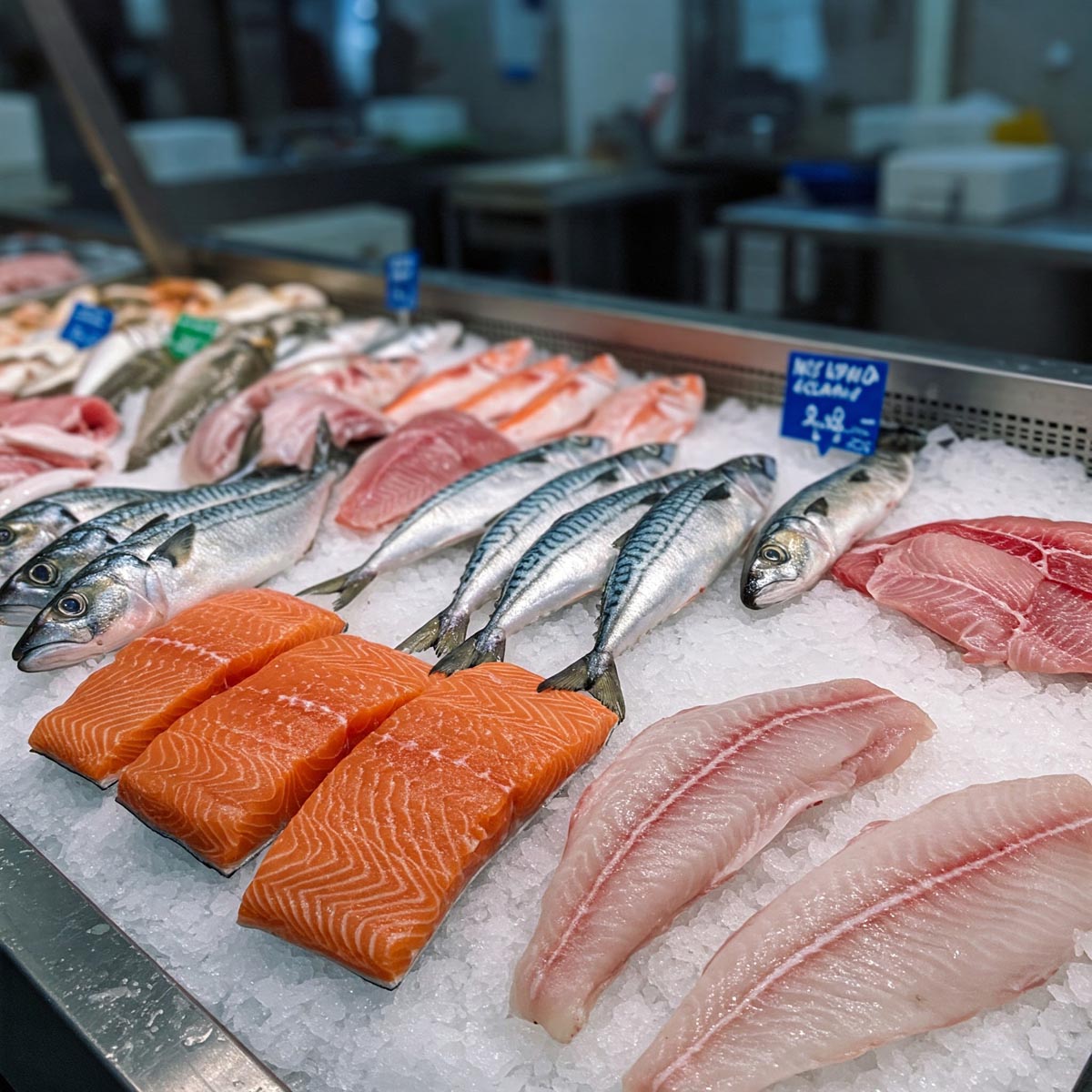
Have you ever stood in front of a gleaming fish counter at your local supermarket, admiring the colorful array of seafood on display? 🐟 Or perhaps you’ve wondered how restaurants and markets maintain such fresh fish inventory? Fish counters have become an essential component of modern seafood retail, transforming how we select, purchase, and enjoy fresh seafood.
In today’s health-conscious world, Americans are consuming more seafood than ever before. According to the National Oceanic and Atmospheric Administration (NOAA), the average American consumes approximately 16 pounds of seafood annually. This growing trend has elevated the significance of the fish counter in our shopping experience.
A fish counter is much more than just a refrigerated display case. It represents the intersection of culinary tradition, food safety, and retail innovation. Whether you’re a seafood department manager looking to upgrade your equipment, a restaurant owner seeking the perfect display solution, or a curious consumer wanting to understand what goes on behind the scenes, this comprehensive guide will dive deep into the world of fish counters.
Throughout this article, we’ll explore different types of fish counters, key features to consider when purchasing one, maintenance best practices, and tips for selecting the freshest seafood. Additionally, we’ll recommend some top-rated fish counters available on the market today. So let’s dive in and discover everything you need to know about fish counters!
Understanding Fish Counters: Types and Configurations
What Exactly Is a Fish Counter?
A fish counter, at its core, is a specialized display unit designed to showcase and preserve fresh seafood products. However, the term “fish counter” can refer to several different concepts:
- Retail Display Cases ✅ – The refrigerated displays found in supermarkets and seafood markets
- Digital Counting Systems ✅ – Automated systems that count fish (often used in conservation)
- Home Storage Solutions ✅ – Smaller units for restaurants or home use
- Fish Processing Equipment ✅ – Commercial equipment used in seafood processing facilities
For the purpose of this article, we’ll primarily focus on retail display cases and commercial units, with some information on home solutions as well.
Types of Commercial Fish Counters
The commercial fish counter landscape offers various configurations to suit different business needs:
1. Open-Top Display Cases
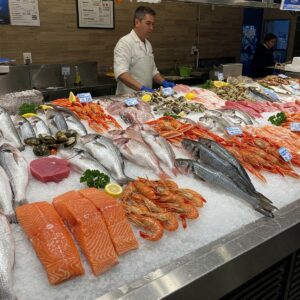
Open-top fish counters feature a refrigerated bed where seafood is displayed on ice. These counters allow customers to easily view the products and interact with seafood department staff. The open design creates an inviting, market-like atmosphere that many shoppers appreciate.
However, these systems require more maintenance as the ice needs regular replenishment. They also consume more energy to maintain proper temperature compared to closed systems.
According to a study published in the Journal of Food Science, open displays must maintain temperatures between 32°F and 38°F (0°C and 3.3°C) to ensure optimal freshness and safety.
2. Service Counter Display Cases
Service counter displays combine refrigerated storage with a glass barrier between customers and products. These counters require staff to serve customers, creating opportunities for personalized recommendations and service.
The barrier reduces temperature fluctuations and protects seafood from airborne contaminants. This design is particularly popular in higher-end markets and specialty seafood shops where customer service is emphasized.
3. Self-Service Cases
Self-service fish counters typically display pre-packaged seafood products in a refrigerated case. Customers can browse and select items without assistance. These counters are increasingly common in busy supermarkets with high customer volume.
While convenient, self-service counters may not provide the same sensory experience as traditional fish counters. The presentation is less theatrical, but the seafood remains fresh if properly packaged and refrigerated.
4. Combination Units
Many modern seafood departments utilize combination units that feature both service and self-service sections. This hybrid approach caters to different customer preferences and shopping styles.
Digital Fish Counting Systems
Beyond retail displays, the term “fish counter” also refers to technological systems designed to count fish populations. These sophisticated tools are vital for:
- Monitoring fish migration patterns
- Managing conservation efforts
- Assessing ecosystem health
- Supporting sustainable fishing practices
The U.S. Fish and Wildlife Service utilizes various fish counting technologies, including underwater cameras, sonar systems, and fish ladders with electronic counters, to track population movements and health.
Key Features to Consider When Selecting a Fish Counter
Whether you’re outfitting a new seafood department or upgrading existing equipment, several crucial factors should influence your fish counter selection:
1. Temperature Control Systems
The cornerstone of any quality fish counter is its ability to maintain consistent, appropriate temperatures. Look for:
- Precision thermostats ✅ – For accurate temperature control
- Digital displays ✅ – For easy monitoring
- Multi-zone cooling ✅ – To accommodate different seafood types
- Alarm systems ✅ – To alert staff of temperature fluctuations
Temperature control isn’t just about freshness—it’s about safety. According to the FDA Food Code, fresh fish should be stored at 41°F (5°C) or below to inhibit bacterial growth.
2. Display Lighting Options
Proper lighting enhances the visual appeal of seafood products while minimizing heat generation. Consider:
- LED lighting ✅ – Energy-efficient with minimal heat output
- Adjustable brightness ✅ – To customize ambiance
- Color-enhancing bulbs ✅ – To highlight seafood’s natural colors
- Anti-glare features ✅ – To reduce reflection on glass surfaces
The right lighting can significantly impact sales. Research from the Food Marketing Institute suggests that well-lit seafood displays can increase department sales by up to 30%.
3. Construction Materials and Durability
Fish counters operate in challenging environments with constant exposure to moisture, salt, and cleaning chemicals. Quality materials are essential:
- Stainless steel components ✅ – Resist corrosion and are easy to sanitize
- Tempered glass ✅ – Provides durability and safety
- Food-grade plastic components ✅ – Offer lightweight alternatives where appropriate
- Sealed edges and joints ✅ – Prevent water intrusion and bacterial growth
4. Size and Configuration Options
The physical dimensions and layout of your fish counter should align with your space constraints and business model:
- Linear footage ✅ – Consider total display space needed
- Depth requirements ✅ – Both customer-facing and back-end prep areas
- Modular designs ✅ – Allow for future expansion or reconfiguration
- Corner units ✅ – Maximize space utilization in angular layouts
5. Energy Efficiency
Modern fish counters incorporate numerous energy-saving features that reduce operational costs:
- High-efficiency compressors ✅ – Core cooling components
- Night curtains ✅ – Reduce energy consumption during closed hours
- Insulated glass panels ✅ – Maintain temperatures with less energy
- Smart defrost cycles ✅ – Optimize energy use during necessary defrost periods
Look for ENERGY STAR certified units, which typically consume 20-30% less energy than non-certified alternatives.
Top Commercial Fish Counter Recommendations
Based on current market offerings, here are some top commercial fish counter systems available on Amazon:
1. KoolMore Commercial Refrigerated Deli Case
This versatile display case offers excellent temperature control and visibility for seafood products. Its stainless steel construction ensures durability in humid seafood department environments.
Key Features:
- Temperature range: 35°F – 46°F
- LED lighting system
- Digital thermostat control
- 3 adjustable shelves
- Self-closing doors
2. Atosa SSTC-48 Curved Glass Seafood Case
The Atosa SSTC-48 combines elegant presentation with practical functionality. Its curved glass design provides excellent visibility while maintaining optimal temperatures.
Key Features:
- 48″ width with ample display area
- Digital temperature control
- Tempered curved glass front
- Stainless steel construction
- Sliding rear doors for easy access
3. Federal Industries Market Series Fresh Meat Case
While marketed as a meat case, the Federal Industries display is equally suitable for seafood, offering superior temperature control and attractive presentation options.
Key Features:
- Available in multiple lengths (36″ to 96″)
- Low-profile design for maximum product visibility
- Energy-efficient LED lighting
- Electronic temperature control
- Optional misting system for fresh fish
Comparison Table: Commercial Fish Counter Systems
| Feature | KoolMore Commercial Case | Atosa SSTC-48 | Federal Industries Market Series |
|---|---|---|---|
| Price Range | $2,500-$3,000 | $3,200-$3,800 | $4,500-$6,000 |
| Display Area | 12.5 sq. ft. | 14.2 sq. ft. | 16.8 sq. ft. |
| Temperature Range | 35°F-46°F | 33°F-41°F | 32°F-38°F |
| Warranty | 1 Year Parts & Labor | 2 Years Parts & Labor | 3 Years Parts & Labor |
| Energy Consumption | 4.2 kWh/day | 3.8 kWh/day | 3.5 kWh/day |
| Construction | Stainless Steel & Glass | Stainless Steel & Glass | Stainless Steel & Glass |
Elevate Your Seafood Department Today! 🐟 🦞
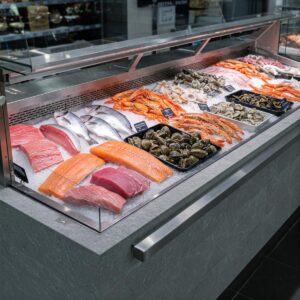
→ Ready to transform your seafood display? These premium fish counter systems provide the perfect combination of functionality, style, and food safety features. Click any product link above to check current pricing and availability. Your customers will notice the difference in presentation and product freshness!
Home and Small Business Fish Counter Solutions
Not every fish counter needs to be a large commercial installation. Smaller restaurants, specialty shops, and even home enthusiasts have excellent options:
1. NewAir Commercial Display Refrigerator
This compact yet powerful refrigeration unit works well for small seafood displays or home use. Its glass door provides clear visibility while maintaining consistent temperatures.
Key Features:
- 6.4 cubic feet capacity
- Digital temperature control
- Double-pane glass door
- Adjustable shelving
- Lock for security
2. Avantco DLC Series Countertop Display Case
Perfect for small businesses or specialty seafood shops, this countertop unit offers an attractive display solution without requiring extensive installation.
Key Features:
- 1.8 cubic feet display area
- 360° product visibility
- Humidity control
- LED interior lighting
- Easy-clean design
3. Procool Refrigerated Seafood Display Case
This mid-sized option bridges the gap between small countertop units and full commercial installations. It’s ideal for specialty fish markets or restaurant display.
Key Features:
- 47″ width with curved glass front
- Digital temperature controller
- Anti-fog glass
- Stainless steel construction
- Sliding rear doors
Best Practices for Fish Counter Management
Temperature Monitoring and Maintenance
Consistent temperature monitoring represents the cornerstone of seafood safety. Implement these best practices:
- Check and log temperatures at least twice daily
- Calibrate thermometers monthly
- Install backup thermometers as redundancy
- Train all staff on proper temperature monitoring procedures
- Consider automated monitoring systems with alerts
Research from the International Association for Food Protection indicates that temperature fluctuations as brief as 30 minutes can significantly impact seafood quality and safety.
Proper Product Display Techniques
How you arrange products in your fish counter affects both aesthetics and food safety:
- Ice Management – Use crushed ice in sufficient quantities to maintain product temperature without submersion
- Separation – Keep different seafood types separated to prevent cross-contamination
- Drainage – Ensure proper drainage to prevent fish from sitting in meltwater
- Rotation – Place newer products behind older ones to maintain proper inventory flow
- Garnish – Use food-safe garnishes like parsley or lemon slices to enhance visual appeal
Cleaning and Sanitization Protocols
Fish counters require rigorous cleaning to prevent bacterial growth and odors:
- Daily cleaning – Wipe down all surfaces with food-safe sanitizers
- Weekly deep cleaning – Disassemble removable components for thorough sanitization
- Quarterly maintenance – Clean refrigeration coils and check seals
- Annual professional service – Have commercial refrigeration specialists inspect and service the system
According to the FDA’s Retail Food Protection program, seafood display areas should be cleaned and sanitized at least once daily, with more frequent cleaning for high-volume operations.
Staff Training Essentials
Your fish counter team needs specialized knowledge beyond general retail skills:
- Product identification and characteristics
- Handling techniques for different seafood types
- Temperature management protocols
- Customer interaction and education
- Basic seafood preparation recommendations
- Food safety regulations specific to seafood
Investment in proper training pays dividends through improved customer service, reduced waste, and enhanced food safety.
Digital Fish Counting Systems for Conservation
While most of this article focuses on retail fish counters, it’s worth exploring digital fish counting systems used in conservation and research:
Types of Fish Counting Technologies
Modern conservation efforts utilize various fish counting methods:
- Video-based systems – Underwater cameras with AI processing to identify and count fish
- Resistivity counters – Detect fish by measuring changes in electrical current
- Infrared sensors – Count fish by detecting interruptions in infrared beams
- RFID systems – Track individual tagged fish as they pass detection points
- Sonar technology – Use sound waves to detect and count fish in larger waterways
The Pacific States Marine Fisheries Commission has pioneered many of these technologies for salmon population monitoring.
Applications in Fisheries Management
Digital fish counting systems serve numerous vital purposes:
- Population monitoring – Track species abundance over time
- Migration patterns – Record timing and volume of fish movements
- Harvest management – Inform sustainable fishing quotas
- Habitat assessment – Evaluate effectiveness of conservation efforts
- Climate impact studies – Monitor how environmental changes affect fish populations
Consumer Fish Counting Devices
For recreational anglers and citizen scientists, portable fish counting devices have emerged:
- Smartphone apps with AI fish recognition
- Portable sonar devices that connect to mobile devices
- Tackle-mounted sensors that record catches automatically
These consumer technologies bridge the gap between professional conservation tools and public engagement.
Selecting Fresh Fish at the Fish Counter: A Consumer’s Guide
For consumers, navigating the fish counter can be intimidating. Here are expert tips for selecting the freshest seafood:
Visual Indicators of Freshness
Train your eyes to spot these signs of quality:
- Clear, bright eyes ✅ – Cloudy or sunken eyes indicate older fish
- Firm flesh ✅ – Should spring back when pressed gently
- Shiny, metallic skin ✅ – Dull, matte appearance suggests aging
- Bright red gills ✅ – Brown or grayish gills indicate older fish
- Tight scales ✅ – Loose or missing scales may indicate rough handling or age
The Smell Test
Perhaps the most reliable indicator of freshness is scent:
- Fresh fish should smell clean and oceanic
- Avoid fish with strong “fishy” odors
- Different species have different natural aromas—learn to recognize them
- Trust your nose—it’s remarkably good at detecting spoilage
Seasonal Considerations
Savvy consumers understand seasonality affects quality and sustainability:
- Fish are typically higher quality and more affordable during their natural seasons
- Certain species are more sustainable choices at different times of year
- Local, seasonal fish often travel shorter distances, resulting in fresher products
The Monterey Bay Aquarium Seafood Watch provides up-to-date guidance on seasonal seafood choices.
Questions to Ask at the Fish Counter
Engaging with knowledgeable staff enhances your shopping experience:
- “When did this fish arrive?”
- “Is this wild-caught or farm-raised?”
- “Where was this fish harvested?”
- “How would you recommend cooking this fish?”
- “What’s particularly fresh today?”
Most seafood professionals appreciate customers who show genuine interest in their products.
Home Storage Solutions for Fresh Seafood
After selecting perfect seafood at the fish counter, proper storage becomes critical:
Refrigeration Best Practices
Maximize freshness with these home storage techniques:
- Keep fish in the coldest part of your refrigerator (usually the bottom shelf)
- Place fish in a sealed container on a bed of ice
- Change ice daily if storing longer than 24 hours
- Use within 1-2 days for optimal quality
- Store shellfish separately from finfish
Freezing Guidelines
When properly frozen, seafood can maintain quality for months:
- Wrap fish tightly in moisture-proof packaging
- Remove as much air as possible before sealing
- Label packages with contents and date
- Use vacuum sealing for best results
- Thaw slowly in refrigerator, never at room temperature
The USDA Food Safety and Inspection Service recommends consuming frozen fish within 3-8 months depending on the species.
Home Fish Counter Options
For serious seafood enthusiasts, investing in home storage solutions mimics commercial fish counters:
1. Cooluli Mini Fridge Electric Cooler
This compact refrigeration unit works well for short-term seafood storage at home.
Key Features:
- 4-liter capacity
- Adjustable temperature
- AC/DC power options
- Lightweight and portable
- Available in multiple colors
2. Whynter CUF-210SS Upright Freezer
For those who purchase seafood in bulk, this compact freezer provides excellent storage capacity.
Key Features:
- 2.1 cubic feet capacity
- Stainless steel door
- Adjustable temperature
- Reversible door
- Lock for security
Transform Your Seafood Experience Today! 🐠 🧊
→ Elevate your home seafood storage with these premium refrigeration options. Click any product link to check current pricing and secure the perfect solution for keeping your seafood market-fresh. Your taste buds will thank you for preserving that just-caught flavor!
The Future of Fish Counters: Innovations and Trends
The fish counter industry continues to evolve with emerging technologies and changing consumer preferences:
Sustainability-Focused Displays
Modern fish counters increasingly emphasize sustainability:
- Digital displays showing seafood sourcing information
- QR codes linking to sustainability certifications
- Increased prominence of sustainable seafood options
- Reduced packaging and plastic use
- Energy-efficient refrigeration systems
The Marine Stewardship Council reports that retailers featuring sustainability information at fish counters see increased consumer engagement and sales.
Smart Refrigeration Technology
The next generation of fish counters incorporates advanced technology:
- IoT-connected temperature monitoring
- Automated inventory tracking systems
- Energy management algorithms that adjust cooling based on load
- Remote monitoring capabilities for maintenance staff
- Integration with store management systems

Enhanced Customer Experience Features
Forward-thinking retailers are reimagining the fish counter experience:
- Interactive displays with cooking suggestions
- Virtual reality seafood sourcing tours
- Cooking demonstration areas adjacent to counters
- Mobile app integration for pre-ordering and pickup
- Digital signage with rotating specials and sustainability information
According to retail design experts at Progressive Grocer, these enhancements can increase department dwell time by up to 40%.
Increased Focus on Traceability
Consumers increasingly demand transparency about their seafood’s journey:
- Block-chain based traceability systems
- QR codes linking to harvest location and date
- Digital displays showing catch method and sustainability ratings
- Staff trained specifically on product origins
- Direct sourcing relationships highlighted in marketing
Conclusion: Maximizing Your Fish Counter Experience
Whether you’re a retailer selecting equipment, a chef sourcing ingredients, or a consumer choosing dinner, fish counters serve as crucial interfaces in our seafood experience. The right fish counter system ensures product quality, enhances presentation, and supports food safety.
For businesses, investing in quality fish counter equipment and proper staff training pays dividends through reduced waste, improved customer satisfaction, and higher sales. Regular maintenance and attention to temperature control protect both your products and your customers.
For consumers, understanding how to evaluate seafood quality empowers more satisfying purchases. Building relationships with knowledgeable seafood counter staff enhances your shopping experience and cooking results.
As technology and sustainability awareness continue to evolve, fish counters will remain at the forefront of seafood retail innovation—merging tradition with technology to deliver the freshest possible products.
Ready to Elevate Your Seafood Experience? 🐟 🦀 🦑
→ Whether you’re setting up a professional seafood department or enhancing your home storage options, the products featured in this guide represent the best options available today. Click any link to check current pricing and availability on Amazon. Fresh, properly stored seafood makes all the difference in your culinary creations!
More FAQs:
❓ How does a fish counter work?
❓ What is the purpose of a fish counter in fisheries?
❓ Can I use a fish counter in a home aquarium?
❓ What types of fish counters are available?
❓ Why are fish counters important for conservation?
Recommended for You:
- 10 Best Electric Fishing Reels for Effortless Deep Sea Angling in 2025
- 10 Best Beach Fishing Carts for Ultimate Surf Fishing Success in 2025
- 2 Person Fishing Kayak: 15 Best Models for Amazing Fishing Adventures in 2025
Disclaimer: This article contains affiliate links. If you purchase products through these links, we may earn a small commission at no additional cost to you.
