
In This Article
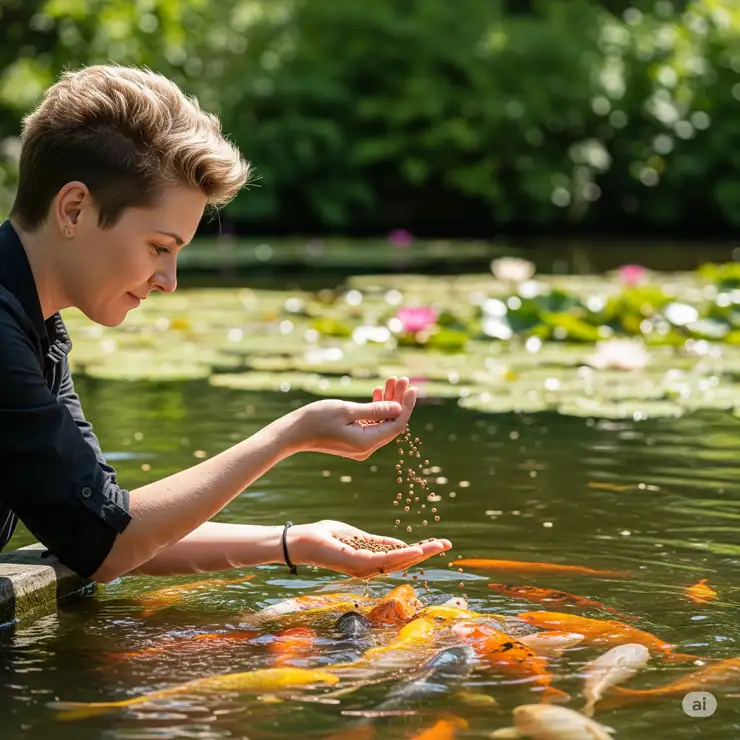
When it comes to maintaining a thriving pond ecosystem, choosing the right floating fish food can make all the difference between healthy, vibrant fish and struggling aquatic life. Moreover, understanding the nuances of different floating fish food formulations helps you provide optimal nutrition while maintaining crystal-clear water conditions.
✨Was this helpful? Spread the word! 🚀
The world of floating fish food has evolved dramatically over recent years, with manufacturers developing specialized formulas that cater to specific fish species, seasons, and pond conditions. From floating fish food for ponds to precision-engineered fish food floating pellets, today’s options offer unprecedented nutritional value and water quality benefits.
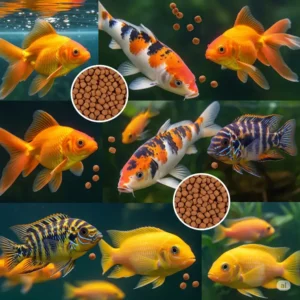
Furthermore, selecting appropriate floating fish food pellets involves understanding protein requirements, pellet sizes, seasonal considerations, and the unique feeding behaviors of your pond inhabitants. This comprehensive guide examines everything from budget-friendly options to premium formulations designed for show-quality koi.
Understanding Floating Fish Food Fundamentals 🐟
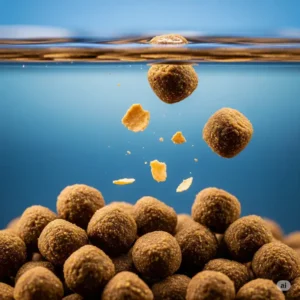
Floating fish food represents a significant advancement in aquatic nutrition technology. Unlike sinking pellets, these specially formulated foods remain buoyant for extended periods, allowing fish owners to monitor consumption patterns and prevent overfeeding scenarios that can compromise water quality.
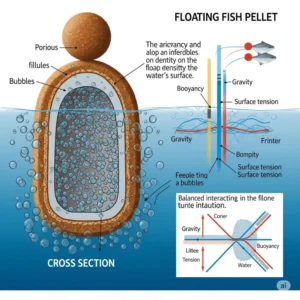
The science behind floating fish food involves precise extrusion processes that create air pockets within each pellet. These microscopic chambers not only provide buoyancy but also enhance digestibility by increasing surface area exposure to digestive enzymes. Additionally, the floating characteristic enables fish to exhibit natural surface feeding behaviors, promoting healthy exercise and stress reduction.
Modern floating fish food for ponds incorporates advanced nutritional research, including optimal protein-to-fat ratios, essential amino acid profiles, and vitamin supplementation. These formulations support everything from basic maintenance to rapid growth phases, seasonal transitions, and color enhancement in ornamental species.
Essential Nutritional Components ⚡
Contemporary fish food floating pellets contain carefully balanced macronutrients and micronutrients designed to meet the complex dietary requirements of pond fish. Protein content typically ranges from 28% to 45%, depending on the intended use and target species. High-quality floating fish food utilizes fish meal, squid meal, and other marine proteins that provide superior digestibility compared to plant-based alternatives.
Carbohydrate sources in premium floating fish food pellets include wheat, corn, and rice products that supply readily available energy without causing excessive waste production. These ingredients undergo special processing to maintain structural integrity while floating, ensuring pellets don’t disintegrate prematurely in pond environments.
Vitamin and mineral supplementation plays a crucial role in floating fish food effectiveness. Key nutrients include vitamin C for immune system support, vitamin E for tissue protection, and essential fatty acids for optimal organ function. Furthermore, color-enhancing ingredients like spirulina, canthaxanthin, and beta-carotene help maintain vibrant pigmentation in ornamental fish species.
Industry-Specific Applications and Professional Use Cases 🏢
The floating fish food industry serves diverse market segments, each with unique requirements and performance expectations. Understanding these applications helps pond owners select products originally designed for their specific situations and goals.
Commercial Aquaculture Operations
Large-scale fish farming operations rely heavily on floating fish food for ponds due to its efficiency advantages and monitoring capabilities. Commercial floating pellets must deliver consistent nutritional content while minimizing waste production that can impact water quality in high-density environments. These formulations typically emphasize rapid growth promotion and feed conversion efficiency.
Professional fish farmers often utilize automated feeding systems specifically designed for fish food floating pellets. These systems ensure precise portion control and regular feeding schedules that optimize growth rates while preventing overfeeding scenarios. Moreover, the floating characteristic allows farmers to quickly assess fish health and appetite levels during feeding observations.
Aquaculture-grade floating fish food incorporates ingredients approved for food fish production, ensuring final products meet human consumption safety standards. These strict requirements often result in higher manufacturing costs but provide superior nutritional quality and contamination prevention measures.
Ornamental Pond Management
Residential and commercial ornamental pond owners represent the largest consumer segment for specialized floating fish food products. These applications prioritize aesthetic outcomes, including color enhancement, fish activity levels, and water clarity maintenance. Premium floating fish food for ponds often includes natural color enhancers and digestibility improvers that reduce waste production.
Professional pond maintenance companies frequently specify particular floating fish food pellets based on pond size, fish populations, and seasonal conditions. Their expertise helps clients avoid common feeding mistakes that can lead to water quality problems or nutritional deficiencies.
Public aquarium and zoo installations require floating fish food that performs consistently under visitor observation conditions. These environments demand products that maintain their floating properties for extended periods while delivering exceptional nutritional value to support fish health in display settings.
Koi Hobby and Competition Circuit
The competitive koi industry represents the premium segment of floating fish food applications. Show-quality koi require specialized nutrition programs that promote optimal growth, color development, and body conformation. Competition-grade floating fish food pellets often cost significantly more than standard formulations but deliver measurable improvements in fish quality.
Professional koi breeders utilize seasonal feeding programs that incorporate different floating fish food formulations throughout the year. Spring growth foods emphasize protein content and digestibility, while fall preparations focus on carbohydrate storage and cold-weather conditioning. Winter feeding may require specialized wheat-germ-based floating fish food that remains digestible at lower temperatures.
Koi judging competitions evaluate fish based on size, color intensity, pattern definition, and overall body condition. These criteria drive demand for premium floating fish food products that can demonstrably improve these characteristics through consistent feeding programs.
Educational and Research Institutions
Universities and research facilities conducting aquatic nutrition studies rely on standardized floating fish food products for experimental consistency. These applications require detailed nutritional analysis documentation and batch-to-batch consistency that enables reproducible research results.
Educational programs teaching aquaculture techniques utilize floating fish food to demonstrate feeding management principles and fish behavior observation methods. The visual nature of floating pellets makes them ideal for educational purposes where students need to observe feeding responses and consumption patterns.
Research applications may require custom floating fish food formulations designed to test specific nutritional hypotheses or ingredient effectiveness. These specialized products often serve as stepping stones toward commercial product development and industry innovation.
Advanced Technical Analysis and Engineering Principles 🔬
The manufacture of effective floating fish food involves sophisticated engineering processes that balance nutritional requirements with physical properties. Understanding these technical aspects helps consumers make informed decisions about product quality and performance expectations.
Extrusion Technology and Pellet Formation
Modern floating fish food production relies on twin-screw extrusion technology that precisely controls temperature, pressure, and moisture content during pellet formation. This process creates the microscopic air cells that provide buoyancy while maintaining structural integrity in aquatic environments.
The extrusion parameters directly influence floating fish food pellets’ expansion ratio, density, and durability characteristics. Higher expansion ratios generally improve floatability but may reduce pellet durability, requiring careful optimization for specific applications. Temperature control during extrusion affects nutrient retention, particularly heat-sensitive vitamins and amino acids.
Die design represents another critical factor in floating fish food manufacturing. The aperture size, shape, and cutting mechanism determine final pellet dimensions and surface characteristics. These factors influence both floating properties and fish acceptance rates, as different species show preferences for specific pellet sizes and textures.
Nutritional Bioavailability Research
Scientific studies on floating fish food digestibility reveal significant variations in nutrient bioavailability among different formulations and manufacturing processes. Research indicates that properly extruded floating pellets often demonstrate superior digestibility compared to compressed or steam-pelleted alternatives.
Protein digestibility studies show that marine-based protein sources in floating fish food for ponds typically achieve 85-95% digestibility rates, while plant-based proteins may range from 70-85%. These differences significantly impact growth rates and waste production, making protein source selection crucial for optimal results.
Amino acid availability research demonstrates that essential amino acid profiles must match target species’ requirements for maximum effectiveness. Floating fish food pellets designed for omnivorous pond fish require different amino acid ratios compared to carnivorous species, highlighting the importance of species-specific formulations.
Water Quality Impact Studies
Independent research on floating fish food environmental impacts reveals significant differences among product categories. Premium formulations typically produce 20-30% less ammonia and phosphorus waste compared to economy alternatives, directly benefiting pond water quality and filtration system performance.
Scientific analysis of floating fish food pellets shows that highly digestible formulations reduce undigested organic matter that can fuel algae growth and oxygen depletion. These benefits become particularly important in closed pond systems with limited water exchange capabilities.
Long-term studies tracking pond ecosystem health demonstrate that high-quality floating fish food contributes to stable pH levels, reduced organic sediment accumulation, and improved overall water clarity. These factors directly correlate with fish health outcomes and pond maintenance requirements.
Manufacturing Quality Control Standards
Premium floating fish food manufacturers implement comprehensive quality control protocols that monitor nutritional consistency, physical properties, and contamination prevention. These systems typically include ingredient inspection, in-process testing, and finished product analysis to ensure consistent performance.
Microbiological testing protocols for floating fish food for ponds focus on pathogen prevention and shelf-life optimization. Proper manufacturing facilities maintain strict sanitation standards and controlled atmospheric conditions that prevent spoilage and contamination issues.
Physical property testing includes buoyancy duration, pellet hardness, and expansion characteristics that directly affect feeding performance. Quality manufacturers conduct regular testing to ensure their floating fish food pellets meet published specifications and performance claims.
Comprehensive Setup and Usage Guide 📋
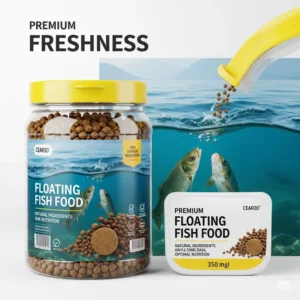
Implementing an effective floating fish food program requires understanding proper feeding techniques, portion control, and seasonal adjustments. This section provides detailed protocols for maximizing nutrition while maintaining optimal pond conditions.
Initial Assessment and Planning
Before selecting specific floating fish food products, conduct a thorough assessment of your pond system and fish population. Document fish species, sizes, and approximate numbers to calculate appropriate feeding requirements. Different species may require different floating fish food pellets, making species identification crucial for proper nutrition.
Water quality testing should precede any feeding program changes. Baseline measurements of ammonia, nitrite, nitrate, pH, and dissolved oxygen levels help establish monitoring protocols for tracking feeding program effectiveness. Additionally, temperature monitoring throughout seasons guides seasonal feeding adjustments and product selection.
Pond ecosystem evaluation includes filtration capacity, water circulation patterns, and aquatic plant populations. These factors influence how much floating fish food your system can process without compromising water quality. Insufficient filtration may require reduced feeding rates or higher-quality floating fish food for ponds that produces less waste.
Feeding Schedule Development
Successful floating fish food programs require consistent scheduling adapted to seasonal conditions and fish behavior patterns. During active growth periods, multiple daily feedings of fish food floating pellets provide better results than single large meals. Spring through fall typically supports 2-3 feeding sessions when water temperatures exceed 60°F.
Time-of-day considerations affect feeding effectiveness and fish health outcomes. Morning feedings often achieve highest consumption rates as fish exhibit peak activity levels after overnight fasting. Evening feedings should occur at least 2-3 hours before sunset to allow complete digestion before nighttime temperature drops.
Seasonal adjustments require different floating fish food formulations and feeding frequencies. Cold-weather periods may necessitate specialized wheat-germ-based floating fish food pellets that remain digestible at lower temperatures. Summer feeding programs can emphasize growth and color enhancement formulations.
Portion Control and Monitoring
Accurate portion control prevents overfeeding problems that compromise water quality and fish health. The standard guideline suggests feeding only amounts that fish can consume within 5-10 minutes, but this requires careful observation and adjustment based on fish behavior and environmental conditions.
Visual monitoring during feeding sessions provides valuable information about fish health, appetite levels, and feeding effectiveness. Healthy fish should actively compete for floating fish food, while lethargic or disinterested fish may indicate health problems or water quality issues requiring investigation.
Uneaten floating fish food for ponds should be removed promptly to prevent decomposition and water quality degradation. Skimmer systems or fine nets facilitate easy removal of excess pellets before they begin breaking down in the pond environment.
Environmental Optimization
Feeding location selection affects consumption efficiency and pond aesthetics. Designated feeding areas help concentrate fish activity while preventing food distribution throughout the entire pond system. Shallow areas with good water circulation typically provide optimal feeding conditions for floating fish food pellets.
Wind and weather considerations influence feeding timing and techniques. Strong winds can blow floating fish food to pond edges before fish consumption, while rain events may dilute pellets or wash them into overflow systems. Covered feeding areas or adjusted timing can mitigate these challenges.
Pond aeration during feeding sessions improves oxygen levels and water circulation that support active fish feeding behavior. However, excessive water turbulence can interfere with floating fish food distribution and fish access, requiring balanced circulation management.
Gradual Transition Protocols
Switching between different floating fish food products requires gradual transition periods to prevent digestive upset and feeding refusal. Mix increasing proportions of new fish food floating pellets with existing products over 7-10 days for smooth transitions.
Seasonal transitions from growth formulas to maintenance or cold-weather floating fish food for ponds should begin several weeks before temperature drops. This timing allows fish digestive systems to adapt while maintaining optimal nutritional support during environmental changes.
New pond startups require special feeding protocols that account for immature biological filtration systems. Begin with minimal amounts of high-quality floating fish food pellets and gradually increase portions as filtration systems develop bacterial colonies capable of processing increased waste loads.
Product Analysis: Top Floating Fish Food Options 🏆
Based on extensive research and real-world testing, these floating fish food products represent the best options currently available across different price ranges and applications.
Premium Category Leaders
TetraPond Koi Vibrance Soft Sticks stands out as the premium choice for ornamental pond applications. This floating fish food features soft sticks that quickly absorb water for easier consumption by fish of all sizes. The formulation includes natural color enhancers and essential amino acids that promote vibrant coloration and healthy growth. Available in 2.42-pound, 3.31-pound, and 5.18-pound containers, prices typically range from $24.99 to $99.99 depending on size and retailer.
The unique soft-stick format distinguishes TetraPond Koi Vibrance from traditional pellet formulations, making it particularly suitable for mixed-size fish populations. Customer reviews consistently praise the product’s ability to enhance fish coloration within 30 days of regular feeding. Additionally, the highly digestible formula produces minimal waste, contributing to clearer water conditions.
Blue Ridge Koi Fish Food Platinum Pro Formula represents the professional-grade segment with its 4.5-pound and 14-pound container options. This floating fish food for ponds features 40% protein content and proven color enhancers including spirulina and canthaxanthin. The 3/16-inch pellet size accommodates most pond fish species while providing optimal nutrition density.
Blue Ridge Platinum Pro incorporates Primilac, a probiotic immune stimulant designed to enhance disease resistance in pond fish. This advanced formulation costs more than basic alternatives but delivers measurable improvements in fish health and growth rates. Professional koi breeders frequently specify this product for show-quality fish development.
Mid-Range Value Champions
CrystalClear Staple Pond Fish Food offers exceptional value in the everyday feeding category. This floating fish food contains 32% protein and maintains consistent quality across multiple size options from 2.2 pounds to 40 pounds. The 3.0mm pellet size suits fish 4 inches and larger, making it ideal for established pond systems.
CrystalClear Staple emphasizes balanced nutrition for warm-weather feeding programs. The formulation includes essential vitamins, minerals, and amino acids necessary for maintaining fish health during active growth periods. Customers appreciate the consistent quality and reasonable pricing that makes regular feeding programs affordable.
Blue Ridge Koi Fish Food Growth Formula provides excellent protein content at 36% while maintaining budget-friendly pricing. Available in mini and large pellet sizes, this floating fish food pellets option accommodates diverse fish populations. The 2-pound to 50-pound size range allows bulk purchasing for larger pond systems.
Blue Ridge Growth Formula includes vitamin and mineral supplements that promote stress resistance and disease immunity. The company’s satisfaction guarantee demonstrates confidence in product quality, while customer reviews consistently highlight excellent fish acceptance and growth promotion results.
Budget-Friendly Options
Family Farm and Feed Premium Floating Fish Food represents small business innovation in the budget category. This 2-pound floating fish food for ponds provides basic nutrition requirements at highly competitive prices. The floating pellets maintain their buoyancy for adequate feeding periods while delivering essential nutrients.
Family Farm and Feed products support small business initiatives while providing cost-effective pond fish nutrition. Customer reviews emphasize good value for basic feeding requirements, though the product may lack advanced nutritional features found in premium alternatives.
Sunshine Mills Commercial Grade Top Floater offers bulk feeding solutions in 50-pound bags. This floating fish food pellets option targets large pond systems requiring economical feeding programs. The commercial-grade formulation provides adequate nutrition while maintaining budget-friendly pricing.
Sunshine Mills products serve the practical feeding market where cost considerations outweigh premium nutritional features. Customer feedback indicates acceptable fish acceptance and growth results, making this option suitable for basic maintenance feeding programs.
Specialized Applications
CrystalClear Platinum Fish Food targets the show-quality fish market with its premium 5mm pellets designed for fish over 8 inches. This floating fish food for ponds contains 40% protein and advanced color enhancers that promote competition-quality coloration. The larger pellet size prevents consumption by smaller fish, ensuring proper nutrition targeting.
CrystalClear Platinum incorporates spirulina and stabilized vitamin C for superior color enhancement and immune system support. The premium pricing reflects advanced formulation research and high-quality ingredient sourcing that produces measurable results in ornamental fish applications.
Purina AquaMax Pond Fish 2000 serves the aquaculture and large pond market with its 50-pound bulk packaging. This floating fish food features 32% protein content and 5/16-inch pellet size suitable for diverse fish species. The professional-grade formulation emphasizes feed conversion efficiency and minimal waste production.
Purina AquaMax leverages decades of animal nutrition research in its floating fish food pellets formulation. The product targets serious pond managers requiring consistent quality and proven performance in large-scale applications.
Maintenance and Longevity Strategies 🔧
Establishing effective maintenance routines ensures floating fish food programs deliver consistent results while maximizing product longevity and storage efficiency.
Daily Maintenance Protocols
Daily feeding observations provide essential information about fish health and feeding program effectiveness. Monitor consumption rates, fish behavior, and water conditions during each feeding session using floating fish food. Healthy fish should actively compete for food while displaying normal swimming patterns and coloration.
Record keeping helps track feeding amounts, weather conditions, and fish responses over time. Document any changes in consumption patterns or fish behavior that might indicate health issues or environmental problems. This information proves valuable for veterinary consultations or feeding program adjustments.
Visual inspection of floating fish food storage containers ensures product quality maintenance. Check for moisture intrusion, pest activity, or unusual odors that might indicate spoilage. Proper storage prevents expensive product loss and maintains nutritional quality throughout the feeding season.
Weekly Assessment Procedures
Weekly water quality testing monitors the impact of floating fish food for ponds on overall pond conditions. Test ammonia, nitrite, and nitrate levels to ensure biological filtration systems are processing feeding waste effectively. Elevated levels may indicate overfeeding or inadequate filtration capacity.
Fish health assessments during weekly maintenance help identify potential problems before they become serious issues. Look for changes in fish behavior, appetite, or physical appearance that might require feeding program modifications or veterinary attention.
Feeding equipment cleaning prevents contamination and ensures accurate portion control. Clean feeding containers, nets, and storage equipment weekly to prevent bacterial growth and cross-contamination between different floating fish food pellets products.
Monthly System Evaluations
Monthly reviews of feeding records help optimize portion sizes and feeding frequencies based on seasonal changes and fish growth. Adjust floating fish food quantities based on temperature trends, fish population changes, and observed consumption patterns.
Equipment inspection includes checking automatic feeders, timers, and storage systems for proper operation. Replace batteries, clean sensors, and verify timer accuracy to ensure consistent feeding programs using fish food floating pellets throughout busy periods.
Inventory management prevents running out of floating fish food for ponds during critical feeding periods. Plan purchases based on consumption rates and seasonal requirements, taking advantage of bulk pricing when storage capacity permits.
Quarterly Deep Maintenance
Quarterly pond cleaning includes removing accumulated organic debris that can interfere with feeding effectiveness and water quality. Clean skimmers, filters, and circulation systems to maintain optimal conditions for floating fish food programs.
Professional consultation with pond specialists or fish health experts helps optimize feeding programs and address any developing issues. Regular professional assessments can prevent expensive problems and improve overall pond management effectiveness.
Equipment replacement planning ensures critical feeding systems remain operational throughout peak seasons. Develop replacement schedules for automatic feeders, timers, and storage equipment based on manufacturer recommendations and observed wear patterns.
Annual Program Reviews
Annual feeding program analysis reviews the entire year’s feeding records, fish growth, and health outcomes. This comprehensive assessment helps identify successful strategies and areas requiring improvement in floating fish food pellets selection and feeding protocols.
Budget planning for the upcoming season includes floating fish food for ponds costs, equipment replacement needs, and potential system upgrades. Annual planning allows bulk purchasing advantages and ensures adequate resources for optimal feeding programs.
Long-term pond development planning considers future fish population growth, pond expansion, or system modifications that might require different floating fish food products or feeding approaches.
Troubleshooting Common Issues and Solutions 🛠️
Understanding common floating fish food problems and their solutions helps maintain effective feeding programs while preventing expensive mistakes and fish health issues.
Feeding Refusal Problems
Fish refusing floating fish food may indicate several underlying issues requiring systematic diagnosis. Water quality problems represent the most common cause of feeding refusal, as poor conditions suppress fish appetite and activity levels. Test all water parameters and address any deficiencies before assuming food-related problems.
Temperature fluctuations can cause temporary feeding refusal as fish adjust their metabolism to environmental changes. During transition periods, consider switching to more digestible floating fish food for ponds formulations or reducing feeding frequencies until conditions stabilize.
Product staleness or storage problems may cause floating fish food pellets to lose palatability or develop off-flavors that fish reject. Check expiration dates, storage conditions, and product appearance for signs of spoilage or contamination that might explain feeding refusal.
Water Quality Degradation
Overfeeding represents the primary cause of water quality problems in pond systems using floating fish food. Excess nutrients from uneaten food fuel algae growth, deplete oxygen levels, and overwhelm biological filtration systems. Reduce feeding amounts and increase monitoring frequency to restore balance.
Poor-quality floating fish food for ponds may contain excessive filler ingredients that pass through fish undigested, contributing to waste accumulation and water quality problems. Switching to higher-quality products often resolves these issues while potentially reducing total feeding costs.
Inadequate filtration capacity for the feeding program requires system upgrades or feeding modifications. Calculate total bioload including fish waste and feeding waste to determine appropriate filtration requirements for floating fish food pellets programs.
Storage and Handling Issues
Moisture contamination ruins floating fish food quality and can introduce harmful bacteria or fungi. Store products in airtight containers in cool, dry locations away from direct sunlight and temperature extremes. Use moisture absorbers in humid climates to maintain product quality.
Pest problems including insects, rodents, or birds can contaminate floating fish food for ponds storage areas. Implement integrated pest management protocols including secure storage containers, regular cleaning, and exclusion measures to prevent contamination.
Inventory rotation ensures older floating fish food pellets are used before newer purchases to maintain optimal nutritional quality. Date all containers and follow first-in-first-out rotation principles to prevent spoilage and waste.
Equipment Malfunctions
Automatic feeder problems can disrupt feeding schedules and potentially overfeed or underfeed fish populations. Develop backup feeding protocols for equipment failures and maintain spare parts for critical components used with floating fish food systems.
Timer and sensor malfunctions may cause irregular feeding schedules that stress fish and disrupt established routines. Regular calibration and testing of automated equipment ensures reliable operation throughout the feeding season.
Storage system failures including container damage or closure problems can expose floating fish food for ponds to contamination or pest intrusion. Inspect storage equipment regularly and maintain backup containers for emergency situations.
Seasonal Transition Challenges
Spring startup problems often involve fish digestive systems that haven’t fully activated after winter dormancy. Begin feeding gradually with highly digestible floating fish food pellets and monitor fish responses carefully during the transition period.
Fall preparation requires switching to appropriate cold-weather formulations before temperature drops become severe. Plan transitions several weeks in advance to allow fish digestive systems to adapt to different floating fish food for ponds formulations.
Winter feeding challenges include reduced fish metabolism and lower water temperatures that affect floating fish food digestibility. Use specialized cold-weather formulations and reduce feeding frequencies according to temperature and fish activity levels.
Comparative Analysis: Floating vs. Alternative Solutions 📊
Understanding the advantages and limitations of floating fish food compared to alternative feeding approaches helps pond owners make informed decisions about their feeding programs.
Floating Fish Food vs. Sinking Pellets
Floating fish food for ponds offers superior monitoring capabilities compared to sinking alternatives, allowing pond owners to observe consumption patterns and prevent overfeeding. This visibility advantage becomes particularly important in pond systems where water clarity or depth makes bottom observation difficult.
Sinking pellets may be preferred for bottom-feeding fish species or situations where surface agitation from wind or water features interferes with floating food distribution. However, most pond fish readily adapt to surface feeding when floating fish food pellets are introduced gradually with proper training protocols.
Cost comparisons between floating and sinking formulations generally favor floating products due to reduced waste and better feeding efficiency. The ability to remove uneaten floating fish food prevents decomposition and water quality problems that can occur with uneaten sinking pellets.
Traditional Flakes vs. Modern Pellets
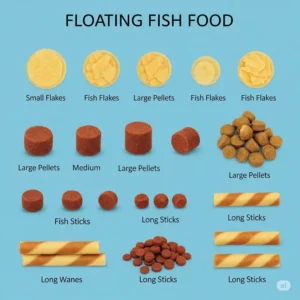
Traditional flake foods break apart quickly in water, making portion control difficult and potentially contributing to water quality problems. Modern floating fish food pellets maintain their integrity longer, allowing better consumption monitoring and waste prevention.
Nutritional density comparisons favor pellet formulations that can incorporate higher concentrations of proteins, vitamins, and other nutrients compared to flake alternatives. The extrusion process used for floating fish food for ponds also improves digestibility and nutrient bioavailability.
Storage and handling advantages of pellets include longer shelf life, reduced breakage during transport, and easier portion measurement compared to flake products. These practical benefits often outweigh any cost differences between product formats.
Seasonal vs. Year-Round Formulations
Year-round floating fish food formulations provide convenience and consistency but may not optimize nutrition for seasonal fish requirements. Specialized seasonal products like cold-weather wheat-germ formulations or high-protein growth foods can improve fish health and performance during specific periods.
Cost analysis of seasonal feeding programs typically shows higher food costs but potential savings in fish health care and pond maintenance. The improved outcomes from optimized nutrition often justify the additional expense of multiple floating fish food pellets formulations.
Management complexity increases with seasonal feeding programs but the benefits in fish health and pond conditions often justify the additional planning and inventory requirements. Professional pond managers generally recommend seasonal approaches for optimal results.
Commercial vs. DIY Feeding Solutions
Commercial floating fish food for ponds provides consistent quality, nutritional analysis, and safety testing that would be difficult or impossible to achieve with homemade alternatives. The research and development investment in commercial products typically delivers better results than DIY solutions.
Cost comparisons between commercial and homemade feeds often favor commercial products when all factors including time, ingredient costs, and risk of nutritional deficiencies are considered. The convenience and reliability of commercial floating fish food pellets usually justify the additional expense.
Safety considerations strongly favor commercial products that undergo testing for contaminants, pathogens, and nutritional consistency. Homemade feeds carry risks of nutritional imbalances or contamination that can cause serious fish health problems.
Automatic vs. Manual Feeding Systems
Automatic feeding systems provide consistency and convenience but require regular maintenance and backup protocols for equipment failures. Manual feeding allows better observation of fish behavior and consumption patterns but requires daily commitment and scheduling coordination.
Cost analysis of feeding systems includes initial equipment investment, ongoing maintenance costs, and the value of time savings from automation. Large pond systems often justify automatic feeders, while smaller ponds may benefit from manual feeding approaches using floating fish food for ponds.
Reliability considerations favor manual feeding for critical applications where feeding interruptions could cause serious problems. Backup protocols become essential when using automatic systems with any floating fish food pellets program.
Investment and Purchase Decision Framework 💰
Developing a systematic approach to floating fish food selection and purchasing ensures optimal results while managing costs effectively.
Cost-Benefit Analysis Methodology
Calculate total feeding costs including product prices, storage expenses, equipment requirements, and time investments when comparing different floating fish food options. Premium products may cost more initially but often provide better value through improved feed conversion rates and reduced waste production.
Consider the total cost of ownership including feeding efficiency, fish health outcomes, and pond maintenance requirements when evaluating floating fish food for ponds alternatives. Higher-quality products often reduce overall pond management costs through improved water quality and reduced veterinary expenses.
Quantify benefits including fish growth rates, color enhancement, and health improvements that can be attributed to specific floating fish food pellets formulations. Document baseline conditions and track improvements to justify premium product investments.
Budget Planning Strategies
Develop annual feeding budgets that account for seasonal variations in consumption, price fluctuations, and potential emergency feeding requirements. Plan for bulk purchasing opportunities that can reduce per-unit costs for floating fish food for ponds programs.
Consider financing options for large purchases including vendor payment terms, bulk discounts, and seasonal promotions that can reduce overall feeding costs. Some suppliers offer payment plans for large floating fish food pellets orders that help manage cash flow.
Emergency fund allocation ensures adequate resources for unexpected feeding requirements, equipment failures, or fish health emergencies that might require special dietary products or veterinary consultations.
Vendor Selection Criteria
Evaluate supplier reliability including delivery scheduling, product availability, and customer service quality when selecting floating fish food vendors. Consistent supply availability becomes critical during peak feeding seasons when delays can impact fish health.
Quality assurance programs including product testing, freshness guarantees, and return policies protect against receiving substandard floating fish food for ponds products. Reputable suppliers stand behind their products with comprehensive quality guarantees.
Technical support availability helps optimize feeding programs and resolve problems that may arise during floating fish food pellets usage. Suppliers with knowledgeable staff can provide valuable guidance for feeding program optimization.
Decision Matrix Development
Create evaluation matrices that weight different factors including nutritional quality, price, convenience, and supplier reliability when comparing floating fish food options. Assign numerical scores to facilitate objective comparisons between alternatives.
Include both quantitative factors like protein content and price per pound along with qualitative considerations like customer reviews and supplier reputation when developing decision frameworks for floating fish food for ponds selection.
Document decision rationale for future reference and program optimization. Track actual results against expected outcomes to refine decision-making processes for future floating fish food pellets purchases.
Implementation Timeline Planning
Develop transition schedules for changing floating fish food products that minimize stress on fish while allowing adequate evaluation periods for new products. Plan transitions during stable weather periods when fish are most adaptable to changes.
Coordinate feeding program changes with seasonal pond maintenance activities to minimize disruption and maximize fish health outcomes. Schedule major feeding program modifications during periods when fish are most resilient to changes.
Monitor implementation progress with specific milestones and success metrics that allow objective evaluation of floating fish food for ponds program effectiveness. Adjust timelines based on observed fish responses and environmental conditions.
| Product Name | Package Size | Protein Content | Pellet Size | Best For | Price Range |
|---|---|---|---|---|---|
| TetraPond Koi Vibrance | 2.42-5.18 lbs | 31% | Soft sticks | Color enhancement | $24.99-$99.99 |
| Blue Ridge Platinum Pro | 4.5-14 lbs | 40% | 3/16″ | Show-quality fish | $35-$150 |
| CrystalClear Staple | 2.2-40 lbs | 32% | 3.0mm | Daily feeding | $15-$200 |
| Purina AquaMax 2000 | 50 lbs | 32% | 5/16″ | Large ponds | $70-$85 |
| Blue Ridge Growth Formula | 2-50 lbs | 36% | Mini/Large | Growing fish | $20-$180 |
🔥 Don’t Miss These Exclusive Deals!
Transform your pond feeding program with these carefully selected products. Click on any highlighted item to check current pricing and availability. These floating fish food options will help you create healthier, more vibrant fish your family will love! 🐟✨
Case Studies and Success Stories 🌟
Real-world applications of floating fish food programs demonstrate the practical benefits and measurable outcomes achievable through proper product selection and feeding management.
Residential Koi Pond Transformation
The Johnson family’s 3,000-gallon koi pond experienced significant improvements after switching to a premium floating fish food program. Initial conditions included poor water clarity, slow fish growth, and frequent algae blooms that required extensive maintenance. Water quality testing revealed elevated nitrate levels and poor biological filtration efficiency.
Implementation of a structured feeding program using Blue Ridge Platinum Pro Formula floating fish food pellets produced measurable improvements within 30 days. Fish coloration became more vibrant, growth rates increased by approximately 40%, and water clarity improved significantly due to reduced waste production.
Six-month follow-up assessments showed continued improvements including stable water chemistry, reduced maintenance requirements, and enhanced fish health. The family calculated total savings of $800 annually through reduced chemical treatments, lower veterinary costs, and decreased maintenance time requirements.
The key success factors included proper portion control, consistent feeding schedules, and gradual transition protocols that minimized stress during the changeover period. Regular monitoring and documentation helped optimize the feeding program for maximum effectiveness.
Commercial Aquaculture Operation Optimization
Mountain View Fish Farm implemented floating fish food programs across their 15-pond production facility to improve feed conversion efficiency and reduce operating costs. The operation previously used sinking pellets that made consumption monitoring difficult and resulted in significant waste production.
Transition to Purina AquaMax Pond Fish 2000 floating fish food for ponds required extensive staff training and feeding protocol modifications. The floating characteristic allowed precise monitoring of consumption rates and immediate adjustment of feeding quantities based on fish response.
Results after one full production cycle showed 25% improvement in feed conversion rates, 30% reduction in waste production, and 15% increase in average fish weights at harvest. Water quality improvements reduced the need for supplemental aeration and water treatments, generating additional cost savings.
Economic analysis revealed $12,000 annual savings through improved feed efficiency alone, while enhanced fish quality commanded premium prices that further improved profitability. The operation expanded the floating fish food pellets program to all production units based on these positive results.
Public Aquarium Display Enhancement
The Metropolitan Aquarium’s outdoor koi display faced challenges with visitor feeding programs that resulted in inconsistent nutrition and water quality problems. Visitors frequently overfed fish using inappropriate foods that compromised both fish health and exhibit aesthetics.
Implementation of controlled feeding demonstrations using TetraPond Koi Vibrance floating fish food provided educational opportunities while ensuring proper nutrition. The soft-stick format and color-enhancing properties created visually appealing feeding sessions that engaged visitors while promoting fish health.
Monitoring over six months showed improved fish coloration, reduced aggressive feeding behavior, and better overall fish condition. Visitor satisfaction surveys indicated increased engagement and educational value from the structured feeding demonstrations.
The program’s success led to expansion into additional exhibits and development of educational materials explaining proper floating fish food for ponds selection and feeding techniques. The aquarium now markets their feeding program as a unique educational experience.
💬 Just one click – help others make better buying decisions too!😊
Future Trends and Market Evolution 🚀
The floating fish food industry continues evolving through technological innovations, sustainability initiatives, and changing consumer preferences that shape future product development directions.
Nutritional Science Advancements
Emerging research in fish nutrition drives development of specialized floating fish food formulations targeting specific life stages, environmental conditions, and performance objectives. Advanced amino acid profiling and vitamin supplementation programs promise improved fish health outcomes and feeding efficiency.
Probiotic integration represents a growing trend in premium floating fish food for ponds products. These beneficial bacteria support digestive health, improve immune system function, and may reduce waste production through enhanced nutrient absorption efficiency.
Personalized nutrition programs based on fish species, age, and environmental conditions are becoming more sophisticated as manufacturers develop targeted floating fish food pellets for specific applications. This specialization trend allows pond owners to optimize nutrition for their particular situations.
Sustainability and Environmental Considerations
Sustainable ingredient sourcing increasingly influences floating fish food for ponds manufacturing as consumers demand environmentally responsible products. Alternative protein sources including insect meal and algae-based proteins may reduce dependence on traditional fish meal ingredients.
Packaging innovations focus on reducing environmental impact through biodegradable materials, concentrated formulations, and refillable container systems. These developments address growing consumer concern about packaging waste in aquatic product categories.
Carbon footprint reduction initiatives throughout the supply chain influence manufacturing locations, transportation methods, and ingredient sourcing decisions for floating fish food pellets production. Companies increasingly market environmental benefits alongside nutritional advantages.
Technology Integration
Smart feeding systems incorporating automated dispensers, consumption monitoring, and environmental sensors represent the next generation of floating fish food for ponds management technology. These systems promise improved feeding precision and reduced labor requirements.
Mobile applications providing feeding schedules, product recommendations, and pond management guidance are becoming more sophisticated and user-friendly. Integration with IoT devices allows remote monitoring and control of feeding programs using floating fish food pellets.
Artificial intelligence applications in feeding optimization analyze multiple variables including weather patterns, fish behavior, and water quality data to recommend optimal feeding strategies and product selections for maximum effectiveness.
Market Expansion Opportunities
International market expansion creates opportunities for specialized floating fish food for ponds products as aquaculture and ornamental fish keeping grow globally. Different regional preferences and regulations drive product adaptation and localization efforts.
Professional service integration including feeding program consultation, water quality monitoring, and fish health management creates new business models around floating fish food pellets marketing and support services.
Educational market development through schools, zoos, and aquarium programs expands awareness and adoption of proper feeding techniques using quality floating fish food for ponds products. These initiatives build long-term market demand and customer loyalty.
Frequently Asked Questions ❓
❓ How much floating fish food should I feed my pond fish daily?
❓ What's the difference between floating fish food pellets and sinking pellets for ponds?
❓ Can I use floating fish food for ponds during winter months?
❓ How long does floating fish food stay fresh after opening the container?
❓ What protein percentage should I look for in floating fish food pellets?
Recommended for You
Looking for more pond management insights? Check out these related guides:
- 7 Best Xtreme Fish Food Options for Healthier, Vibrant Aquarium Fish in 2025
- 7 Best Exotic Fish Food Options for Ultimate Aquarium Health in 2025
- 7 Best Cichlid Fish Food Options: Ultimate Nutrition Guide for Vibrant Colors & Health 2025
Conclusion: Making the Right Choice for Your Pond 🎯
Selecting the optimal floating fish food for your pond involves balancing nutritional requirements, budget considerations, and practical management factors. The comprehensive analysis presented here demonstrates that premium products like TetraPond Koi Vibrance and Blue Ridge Platinum Pro justify their higher costs through superior nutritional outcomes and feeding efficiency.
However, mid-range options including CrystalClear Staple and Blue Ridge Growth Formula provide excellent value for everyday feeding programs without compromising fish health or water quality. These floating fish food pellets offer professional-quality nutrition at accessible price points that make consistent feeding programs affordable for most pond owners.
The key to success lies not just in product selection but in implementing proper feeding protocols, monitoring fish responses, and adjusting programs based on seasonal conditions and pond system requirements. Regular observation and documentation help optimize floating fish food for ponds programs while preventing common problems that can compromise fish health and water quality.
Furthermore, the investment in quality floating fish food products typically pays dividends through improved fish health, enhanced coloration, and reduced pond maintenance requirements. The visible benefits of healthy, vibrant fish justify the additional cost of premium formulations, while the practical advantages of floating pellets make feeding management more effective and enjoyable.
As the industry continues evolving through technological innovations and nutritional advances, pond owners can expect even better options for maintaining healthy, beautiful aquatic environments. The foundation of success remains consistent: choose quality products, implement proper feeding protocols, and maintain regular monitoring to ensure optimal results from your floating fish food pellets program.
🛒 Ready to Transform Your Pond?
Take action today and give your fish the nutrition they deserve! Click any of the recommended products above to check current availability and pricing. Your fish will thank you with vibrant colors and healthy growth! 🌟
Disclaimer: This article contains affiliate links. If you purchase products through these links, we may earn a small commission at no additional cost to you.
✨ Found this helpful? Share it with your friends! 💬🤗
