
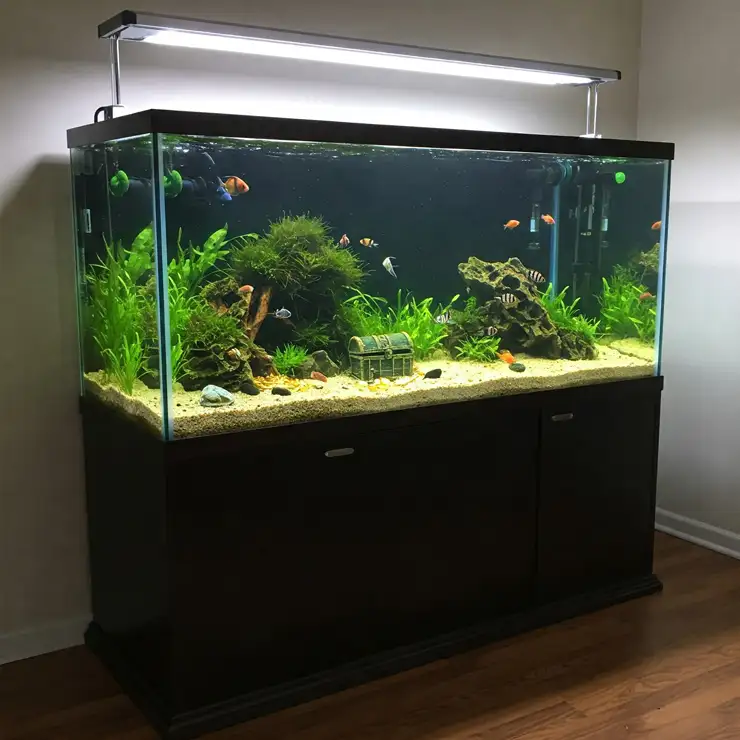
In This Article
✨Was this helpful? Spread the word! 🚀
Why Cube Fish Tanks Are the Perfect Choice
Are you looking to add a touch of aquatic beauty to your home or office? A cube fish tank might be exactly what you need! These sleek, modern aquariums offer a perfect balance of style and functionality that traditional rectangular tanks simply can’t match. As someone who has maintained various aquariums for over a decade, I’ve discovered that cube fish tanks provide unique advantages that make them increasingly popular among both beginners and experienced aquarists.
Cube fish tanks are exactly what they sound like—aquariums with equal or nearly equal dimensions on all sides. This distinctive shape creates a stunning visual display that works wonderfully in spaces where traditional rectangular tanks might feel awkward or imposing. Whether you’re setting up your first aquarium or adding to your collection, a cube fish tank offers versatility and aesthetic appeal that can transform any environment.
In this comprehensive guide, I’ll walk you through everything you need to know about cube fish tanks—from their unique benefits and popular sizes to maintenance tips and the best models currently available on the market. By the end of this article, you’ll have all the information you need to select the perfect cube fish tank for your specific needs and create a thriving aquatic ecosystem that will impress everyone who sees it.
Understanding the Appeal of Cube Fish Tanks
The Aesthetic Advantage of Cube Aquariums
The unique geometry of cube fish tanks offers several aesthetic advantages over traditional rectangular aquariums. Their symmetrical shape creates a balanced focal point in any room, allowing for 360-degree viewing that rectangular tanks simply can’t provide. This makes cube tanks perfect for placement on countertops, desks, or central tables where they can be admired from multiple angles.
The equal dimensions of cube fish tanks also create a different perspective for viewing your aquatic life. Fish appear more proportional when viewed through equal-sided glass, creating a more natural and immersive viewing experience. The depth of a cube tank allows for more creative aquascaping possibilities, enabling you to create stunning underwater landscapes that have both horizontal and vertical interest. According to research published in the Journal of Environmental Psychology, aquariums can reduce stress and improve mood, with the visual symmetry of cube tanks potentially enhancing these calming effects.
Many interior designers recommend cube fish tanks because they complement modern decor styles particularly well. Their clean lines and geometric shape fit seamlessly with contemporary aesthetics, while still providing a striking contrast to organic elements in your home. Whether positioned in living rooms, offices, or even kitchens, cube tanks add a sophisticated touch that elevates the entire space. The American Association of Interior Designers notes that biophilic elements like aquariums are increasingly important in modern interior design trends.
Space Efficiency and Placement Options
One of the most practical benefits of cube fish tanks is their efficient use of space. Their compact footprint makes them ideal for areas where a long rectangular tank would be impractical, such as small apartments, office desks, or countertops. Despite their space-saving design, cube tanks still provide sufficient water volume to create a stable and healthy environment for fish.
The versatility of cube fish tanks extends to their placement options. Unlike long rectangular tanks that require substantial wall space or specialized stands, cube tanks can sit comfortably on existing furniture like bookshelves, end tables, or kitchen islands. This flexibility makes them perfect for urban dwellers or anyone looking to incorporate an aquarium into a space-conscious environment.
Many cube fish tanks are also designed with built-in filtration systems that tuck neatly into the back corners, maximizing the viewable area while minimizing the visible equipment. This integration of functional components further enhances the clean, uncluttered aesthetic that makes cube tanks so appealing for modern living spaces.
Popular Sizes and Capacities of Cube Fish Tanks
Nano Cube Tanks (Under 10 Gallons)
Nano cube fish tanks have exploded in popularity over the past few years, offering a perfect entry point for beginners or those with limited space. These small cube aquariums, typically ranging from 2 to 10 gallons, pack a lot of personality into a tiny footprint. The Tetra 3 Gallon LED Cube Shaped Aquarium provides an excellent starting point, featuring integrated LED lighting and a simple filtration system that’s perfect for beginners.
Nano cube tanks are ideal for desktop placement, creating a calming presence in home offices or work environments. Despite their small size, these tanks can support a surprising variety of aquatic life, including bettas, small tetras, shrimp, and snails. Many aquarists use nano cubes to create miniature planted aquascapes or specialized biotopes that recreate specific natural environments.
When working with nano cube tanks, it’s important to remember that smaller water volumes are less forgiving of water quality issues. Regular maintenance becomes even more critical with these smaller systems, but their compact size actually makes water changes and cleaning relatively quick and simple. Many nano cube kits come with specially designed equipment scaled to work efficiently in these smaller environments.
Medium Cube Tanks (10-20 Gallons)
Medium-sized cube fish tanks strike an excellent balance between display impact and manageable maintenance. These tanks, typically ranging from 10 to 20 gallons, provide enough water volume for greater stability while still maintaining the distinctive cube shape that makes these aquariums so attractive. The MarineLand 20 Gallon Cube Aquarium Kit offers a perfect middle-ground option with its robust filtration system and bright LED lighting that enhances the colors of your fish.
At this size range, cube tanks open up significantly more stocking options for aquarists. You can comfortably keep small communities of tropical fish, create specialized biotopes, or even venture into keeping some of the smaller saltwater species. The increased water volume also provides more forgiving water parameters, making these tanks a bit easier to maintain than their nano counterparts.
Medium cube tanks make striking displays on dedicated stands or sturdy furniture pieces. Their substantial presence creates a focal point in rooms without overwhelming the space. Many aquarists find that this size range offers the perfect compromise between visual impact and practical considerations like weight, cost, and maintenance requirements.
Large Cube Tanks (Over 20 Gallons)
For those seeking a truly dramatic aquatic display, large cube fish tanks deliver impressive impact. These substantial aquariums, typically 25 gallons and above, create stunning underwater worlds that can support diverse and active fish communities. The Coralife LED Biocube Aquarium at 32 gallons represents a high-end option in this category, offering professional-grade features for serious hobbyists.
Large cube tanks provide exceptional stability due to their significant water volume, making them more forgiving for beginners while offering experienced aquarists the canvas to create elaborate aquascapes. These tanks can support larger fish species, more complex communities, and more dramatic hardscapes using rocks and driftwood. Their generous dimensions make them particularly well-suited for reef tanks, where vertical growth is as important as horizontal spread.
It’s worth noting that large cube tanks require substantial support due to their weight—a filled 30-gallon cube can weigh over 300 pounds. Proper stands designed to handle this weight are essential. Additionally, maintenance equipment like filters and heaters need to be appropriately sized for these larger volumes, though the cubic shape still offers efficient filtration flow patterns compared to very long tanks of similar volume.
Key Features to Look for in Quality Cube Fish Tanks
Material and Construction Quality
The material and construction of your cube fish tank directly impact its durability, clarity, and overall performance. Most quality cube tanks are made from glass or acrylic, each offering distinct advantages. Glass tanks provide superior scratch resistance and maintain their clarity over time, though they’re heavier and have visible silicone seams. The JBJ Rimless Cube Aquarium features ultra-clear low-iron glass that maximizes visual clarity while maintaining structural integrity.
Acrylic tanks, on the other hand, are significantly lighter and offer seamless corners for an unobstructed view. They also provide better insulation, which can reduce heating costs. However, acrylic scratches more easily and may yellow slightly over time. The Fluval Edge Cube Aquarium combines a partial acrylic design with glass panels to balance the benefits of both materials.
Regardless of material choice, pay close attention to the quality of construction. Examine seams for uniformity and proper sealing, check that edges and corners are finished smoothly, and ensure that any included equipment mounts or access points are well-designed. A well-constructed cube fish tank will not only look better but will also be less prone to leaks and structural issues over its lifetime.
Filtration Systems and Water Flow
Effective filtration is crucial for maintaining a healthy aquatic environment, and the unique shape of cube fish tanks requires specific consideration for water flow patterns. Unlike rectangular tanks where flow moves primarily along the length, cube tanks benefit from filtration systems that create circular water movement to eliminate dead spots in corners.
Many premium cube fish tanks come with integrated filtration systems specifically designed for their dimensions. The Fluval Flex 15 Gallon Aquarium Kit features a three-stage filtration system cleverly concealed in a rear compartment, maintaining the clean aesthetic of the cube while providing comprehensive water treatment. Look for systems that offer mechanical, chemical, and biological filtration components for complete water care.
For those selecting a tank without built-in filtration, consider options that can be discreetly integrated into the cube shape. Internal corner filters work well in smaller cubes, while canister filters offer powerful filtration for larger volumes while keeping equipment out of the display area entirely. Proper water circulation is particularly important in cube tanks to ensure oxygen distribution and waste removal throughout the entire water column.
Lighting Options for Cube Aquariums
Lighting plays a critical role in both the health of your aquatic ecosystem and the visual impact of your cube fish tank. The square surface area of cube tanks allows for efficient light penetration, but the potentially greater depth requires consideration for light intensity. Modern LED lighting systems offer the perfect solution for cube tanks, providing customizable intensity and spectrum options while generating minimal heat.
Many cube aquarium kits include integrated LED lighting systems designed specifically for their dimensions. The Aqueon LED Cube Aquarium Kit features a sleek, low-profile LED system that illuminates the entire water column while enhancing the colors of fish and plants. When evaluating lighting options, consider whether you’ll be keeping live plants (which require specific light spectrums) or if you’re primarily concerned with visual appearance.
Advanced cube tank setups might benefit from programmable lighting systems that simulate natural daylight cycles. These systems can gradually transition between day and night settings, providing a more natural environment for your aquatic life while creating stunning visual effects during dawn and dusk periods. Some high-end models even offer storm simulation features or moonlight settings for additional ambiance and realism.
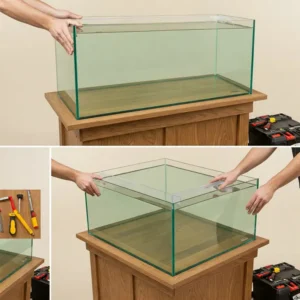
Setting Up Your Cube Fish Tank: A Step-by-Step Guide
Choosing the Perfect Location
Selecting the right location for your cube fish tank is crucial for both the health of your aquatic ecosystem and your enjoyment of it. Unlike rectangular tanks that typically sit against walls, cube tanks offer 360-degree viewing potential, making central locations particularly appealing. Consider placing your cube tank on a kitchen island, coffee table, or room divider where it can be appreciated from multiple angles.
Weight is a significant consideration when choosing a location. A filled 15-gallon cube tank can weigh over 125 pounds, so ensure your chosen surface can support this load. Specially designed aquarium stands offer both the appropriate weight capacity and the correct height for optimal viewing. The Imagitarium Brooklyn Metal Tank Stand provides a stylish yet sturdy option designed specifically for cube tanks.
Environmental factors also play an important role in location selection. Avoid placing your cube fish tank in direct sunlight, which can cause excessive algae growth and temperature fluctuations. Keep the tank away from heaters, air conditioners, or frequently opened doors that might cause temperature instability. Ensure the location has easy access to electrical outlets for filters, heaters, and lighting, and consider proximity to a water source to make maintenance more convenient.
Essential Equipment and Setup Procedures
Setting up a cube fish tank requires specific equipment tailored to its unique dimensions. Beyond the tank itself, you’ll need:
- Filtration system: Choose a filter rated for your tank’s volume, keeping in mind that cube tanks benefit from systems that create circular water movement. The Fluval C Power Filter offers adjustable flow rates perfect for cube configurations.
- Heater: Select a submersible heater with appropriate wattage for your tank size. Position it near water circulation for even heat distribution. The Eheim Jäger Aquarium Thermostat Heater provides precise temperature control with calibration capability.
- Substrate: Add 1-2 inches of appropriate substrate based on your planned inhabitants. Fine gravel works well for most community tanks, while specialized planted tanks might benefit from nutrient-rich substrates like the Fluval Plant and Shrimp Stratum.
- Decorations and plants: The vertical space in cube tanks creates excellent opportunities for aquascaping. Consider using tall hardscape elements like driftwood or rock formations to create dimensional interest.
When setting up your cube tank, follow this sequence for best results:
- Rinse all equipment and decorations thoroughly
- Place the tank on its stand and check for levelness
- Install the filtration system according to manufacturer instructions
- Add pre-rinsed substrate, sloping it higher toward the back for depth perspective
- Fill the tank partially with treated water
- Arrange hardscape elements and plants
- Fill the tank completely, using a plate to deflect water and prevent substrate disturbance
- Install and set the heater to appropriate temperature
- Set up and test the lighting system
- Allow the tank to cycle for at least 2-4 weeks before adding fish
Cycling and Establishing a Healthy Ecosystem
Properly cycling your cube fish tank is essential for establishing the beneficial bacteria that break down toxic waste products. This process typically takes 4-6 weeks and creates a nitrogen cycle where ammonia is converted to less harmful nitrates. While cube tanks follow the same biological principles as other aquariums, their unique dimensions may influence how you approach the cycling process.
The most reliable method for cycling a cube fish tank is the fishless cycle, which involves adding a source of ammonia to kick-start bacterial growth. You can use pure ammonia products like Dr. Tim’s Ammonium Chloride specifically designed for this purpose, dosing according to tank volume. Test the water regularly using a comprehensive test kit like the API Freshwater Master Test Kit to monitor ammonia, nitrite, and nitrate levels. The Aquarium Co-Op provides an excellent in-depth guide to understanding the nitrogen cycle for beginners.
Due to their sometimes greater depth, cube tanks may benefit from additional biological filtration surface area. Consider adding porous materials like Seachem Matrix Bio Media to your filter or incorporating live plants from the beginning of the setup. Fast-growing stem plants can help absorb excess nutrients during the cycling process while adding visual interest to your new aquarium. According to research from the University of Florida’s Department of Fisheries and Aquatic Sciences, live plants can significantly improve water quality by absorbing nitrogen compounds directly from the water column.
Once your test results show zero ammonia, zero nitrites, and some nitrates, your cube fish tank has completed its cycle and is ready for fish. Begin stocking slowly, adding just a few hardy fish initially and gradually building your community over several weeks. This cautious approach allows the biological filtration to adjust to increasing bioload, ensuring a stable and healthy environment.
Top 10 Cube Fish Tanks Currently on the Market
Budget-Friendly Options (Under $100)
If you’re looking to enter the world of cube aquariums without a significant investment, several excellent options offer great value without compromising essential features. These budget-friendly cube fish tanks provide the distinctive aesthetic benefits while keeping costs reasonable.
- MarineLand Contour 3 Gallon Aquarium Kit – This sleek 3-gallon cube features rounded corners, integrated LED lighting with blue/white settings, and a hidden three-stage filtration system. At under $80, it’s perfect for desktop placement and ideal for keeping bettas or small shrimp colonies.
- Tetra LED Cube Shaped 3 Gallon Aquarium – Priced around $50, this affordable cube tank includes energy-efficient LED lighting and a low-flow filter suitable for bettas. The seamless front corners provide excellent visibility while maintaining structural integrity.
- Aqueon LED MiniBow 5 Gallon Aquarium Kit – Though technically slightly rectangular, this “cube-style” tank offers a compact footprint with elevated capacity for under $75. It includes a QuietFlow filtration system and vibrant LED lighting suitable for basic community setups.
For these budget options, consider supplementing with additional equipment like a small heater for tropical setups or upgrading to more versatile lighting if you plan to keep live plants. Despite their lower price points, these tanks can still create stunning displays with thoughtful aquascaping and proper maintenance.
Mid-Range Options ($100-$200)
Mid-range cube fish tanks offer significant upgrades in quality, features, and capacity without reaching premium price levels. These tanks represent excellent value for hobbyists looking for reliable systems with enhanced aesthetics and functionality.
- Fluval Spec V 5 Gallon Desktop Aquarium Kit – This approximately $140 tank features etched glass, powerful 3-stage filtration, and a 37-LED lighting system suitable for basic planted setups. Its sleek black design and hidden equipment compartment create a sophisticated appearance perfect for office or living room display.
- Coralife LED Biocube Aquarium 16 Gallon – Available for around $180, this versatile cube tank works for both freshwater and saltwater setups. It features a customizable LED lighting system with day, night, and blue modes plus an integrated filtration chamber with submersible pump.
- Fluval Flex 15 Gallon Aquarium Kit – For approximately $150, this distinctive cube-style tank features a curved front panel and remote-controlled LED lighting with multiple color settings. Its multi-stage rear filtration compartment hides equipment while providing comprehensive water treatment.
These mid-range options typically include more advanced filtration systems, customizable lighting, and higher-quality construction that ensures longevity. Many also feature thoughtful design elements like dedicated equipment compartments that maintain the clean aesthetic that makes cube tanks so appealing.
High-End Premium Options (Over $200)
For aquarists seeking the ultimate cube fish tank experience, premium options offer exceptional quality, advanced features, and striking designs that create true statement pieces. These high-end aquariums represent the pinnacle of cube tank engineering and aesthetics.
- JBJ Rimless 30 Gallon Cube Tank – Priced around $350 (tank only), this stunning rimless cube features ultra-clear low-iron glass for unparalleled viewing clarity. The seamless construction and precision silicone work create a museum-quality display suitable for advanced aquascaping projects.
- Waterbox Cube 20 Aquarium – At approximately $275, this precision-crafted cube features 10mm ultra-clear glass with beveled edges and a minimalist approach that maximizes viewing area. The included adjustable leveling mat ensures perfect installation on any surface.
- Innovative Marine Nuvo Fusion Pro 20 Aquarium – This professional-grade cube tank (around $325) features a designated rear filtration chamber with customizable media options. The included mesh screen top and rubber leveling mat demonstrate attention to practical details that benefit serious hobbyists.
- Red Sea Max Nano Aquarium – Though designed primarily for reef setups, this $400 cube system works beautifully for high-end freshwater displays as well. It includes a comprehensive filtration system, AI Prime HD LED lighting, and automatic top-off system in a stylish rimless design.
These premium cube tanks often come with warranties and customer support that reflect their quality and price point. While they represent a significant investment, their superior construction and advanced features provide the foundation for spectacular aquatic displays that will remain beautiful and functional for many years.
💬 Just one click – help others make better buying decisions too!😊
Stocking Ideas: Fish and Plants That Thrive in Cube Tanks
Ideal Fish Species for Different Cube Sizes
The unique dimensions of cube fish tanks require thoughtful consideration when selecting fish species. Unlike long rectangular tanks that provide extensive swimming space in one direction, cubes offer more balanced dimensions that favor certain types of aquatic life.
For nano cube tanks (under 10 gallons):
- Bettas: A single male betta thrives in cube environments, using both horizontal and vertical space. The Fluval Betta Cube Tank Kit creates an ideal habitat for these colorful fish.
- Small tetras: Species like embers or green neons can form small groups in larger nano cubes
- Shrimp colonies: Cherry shrimp or crystal shrimp create fascinating displays as they explore all dimensions of the tank
- Endler’s livebearers: These tiny, colorful fish use all areas of the water column
For medium cube tanks (10-20 gallons):
- Dwarf gouramis: These colorful labyrinth fish utilize vertical space effectively
- Smaller rasboras: Species like harlequins or chili rasboras form attractive schools
- Peaceful bottom dwellers: Cory catfish species like panda corys or pygmy corys work well
- Smaller anabantoids: Paradise fish or smaller gourami species appreciate the balanced dimensions
For large cube tanks (over 20 gallons):
- Angelfish: Their tall, compressed body shape is perfectly showcased in cubic environments
- Discus: These magnificent cichlids create stunning displays in larger cube tanks
- Schools of mid-sized tetras: Congo tetras or larger rasboras use the open swimming area effectively
- Peaceful community mixes: Combinations of mid-water swimmers, bottom dwellers, and surface feeders create dynamic displays
When stocking cube tanks, remember that their unique dimensions may influence fish behavior differently than traditional rectangles. Some fish that appear crowded in long tanks may actually thrive in the more balanced space of a cube. Conversely, species that need extensive horizontal swimming space may feel constrained despite adequate water volume.
Effective Planting Strategies for Cubic Aquascapes
The balanced dimensions of cube fish tanks create unique opportunities for aquatic planting designs that differ from traditional rectangular layouts. When planning plantings for cube tanks, think in terms of three-dimensional structure rather than the conventional back-to-front arrangement.
For striking cube aquascapes, consider these planting approaches:
- Central focal point: Create a dramatic centerpiece using tall plants or hardscape elements surrounded by gradually shorter plants. The Bucephalandra ‘Wavy Green’ creates an excellent mid-ground transition between tall background plants and foreground carpets.
- Island layout: Position hardscape and plants in a central island with open swimming space around all sides, emphasizing the 360-degree viewing potential of cube tanks
- Corner-focused design: Develop planted areas in two or three corners, leaving open swimming areas that create dynamic negative space
- Vertical layers: Take advantage of the cubic shape by creating distinct planting zones at different heights using plants with contrasting leaf shapes and colors
Some plant species particularly well-suited for cube tanks include:
- Tall background options: Vallisneria, Amazon swords, hygrophila species
- Mid-ground texture: Cryptocoryne varieties, Anubias, Java fern, Bacopa
- Carpeting plants: Dwarf hairgrass, Monte Carlo, Marsilea hirsuta
When planting cube tanks, use the rule of thirds in three dimensions rather than just two. Position key elements at intersection points of an imagined 3×3×3 grid within the tank. This creates naturally balanced compositions that draw the eye throughout the entire aquarium space rather than just across the front panel.
Creating Specialty Biotopes in Cube Aquariums
The unique dimensions of cube fish tanks make them ideal for creating specialized biotope aquariums—tanks that recreate specific natural habitats with appropriate fish, plants, and hardscape elements. The balanced proportions allow for effective recreation of environments ranging from dense Amazonian streams to minimalist Asian rice paddies.
Some particularly effective biotope concepts for cube tanks include:
- Blackwater Amazonian stream: Create a South American biotope using driftwood, leaf litter, and minimal planting. The tannins released by botanicals like Indian Almond Leaves tint the water amber, creating a perfect environment for cardinal tetras, dwarf cichlids, or discus. The vertical space in cube tanks allows for impressive driftwood arrangements that mimic submerged Amazon tree roots.
- Asian floating meadow: Develop a Southeast Asian wetland biotope with floating plants, emergent vegetation, and shallow-water species. Pecolia, sparkling gouramis, or betta species thrive in these environments. The open water surface of cube tanks accommodates floating plants like water lettuce or Amazon frogbit beautifully.
- African rock pool: Use stacked rocks and minimal planting to recreate the rocky pools found throughout parts of Africa. Shell-dwelling cichlids or smaller African tetras create fascinating displays in these environments. The depth of cube tanks allows for impressive rock stacking that maximizes available territories.
- Native stream slice: Research local aquatic environments and recreate a vertical slice of a nearby stream or pond using locally inspired materials and compatible fish species. This sustainable approach creates unique displays while potentially educating viewers about local ecosystems.
When developing biotope aquariums in cube tanks, intensive research into the specific environment you’re recreating is essential. Matching water parameters, hardscape materials, and plant species to your chosen region creates a cohesive and authentic display that’s both beautiful and educational.
Maintenance and Care Tips for Cube Fish Tanks
Regular Maintenance Schedule and Procedures
Maintaining cube fish tanks follows many of the same principles as rectangular aquariums, but their unique dimensions may influence your approach to certain tasks. Establishing a consistent maintenance routine ensures water quality remains optimal and your aquatic display continues to thrive.
For smaller cube tanks (under 10 gallons), more frequent water changes are necessary due to the limited water volume. Aim for weekly 20-25% water changes, using a gravel vacuum like the Python No Spill Clean and Fill to remove debris from substrate simultaneously. The compact nature of cube tanks makes it easy to reach all areas during cleaning, though their sometimes greater depth may require longer vacuum tubes.
Medium and larger cube tanks benefit from the following maintenance schedule:
- Weekly: Test water parameters (ammonia, nitrite, nitrate, pH)
- Bi-weekly: 15-20% water change with gravel vacuuming
- Monthly: Clean filter media in tank water (never under tap water)
- Quarterly: Deep clean decorations, trim plants, check equipment
Due to their shape, cube tanks may develop unique flow patterns that create “dead spots” where debris accumulates. Pay special attention to corners during maintenance and consider adding a small circulation pump like the Hydor Nano Koralia to eliminate these areas. Position the pump to create gentle circular water movement that doesn’t stress fish but ensures effective distribution of heated and filtered water.
Addressing Common Issues Specific to Cube Tanks
While cube fish tanks offer numerous benefits, their distinctive shape can sometimes create challenges that require specific solutions. Being aware of these potential issues helps you address them effectively if they arise.
One common challenge with cube tanks is heat distribution. Due to their compact footprint but potentially greater depth, temperature stratification can occur with warmer water rising to the top and cooler water settling at the bottom. To combat this, position heaters horizontally near the bottom of the tank rather than vertically, and ensure adequate water circulation with properly positioned filter outputs or additional circulation pumps.
Lighting penetration can also be challenging in deeper cube tanks. Standard LED lights may not provide sufficient intensity for bottom-dwelling plants or to properly illuminate the lower portions of the aquarium. Consider using higher-intensity LED systems like the Fluval Plant 3.0 LED that provide adjustable output and customizable spectrum options to ensure light reaches all areas of your cube tank effectively.
Algae growth patterns in cube tanks may differ from those in rectangular aquariums due to light distribution and water movement variations. Pay particular attention to the corners and bottom edges where flow may be reduced. Regular maintenance and careful control of lighting duration (8-10 hours daily is typically ideal) help prevent problematic algae blooms. Products like Seachem Excel can provide additional carbon for plants, helping them outcompete algae for nutrients.
Long-term Care and System Upgrades
As your experience with cube fish tanks grows, you may want to enhance your setup with upgrades that improve both functionality and aesthetic appeal. These improvements can extend the lifespan of your system while creating even more striking displays.
Consider these valuable long-term upgrades for cube aquariums:
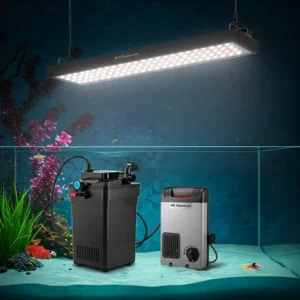
- Enhanced filtration: Upgrade to canister filters like the Oase FiltoSmart Thermo 100 that provide comprehensive mechanical, biological, and chemical filtration while remaining out of sight beneath the tank. These systems offer greater media capacity and reduced maintenance frequency compared to internal filters.
- Automated water testing: Systems like the Seneye Home Aquarium Monitor continuously track critical water parameters and alert you to potential problems before they become serious. This proactive approach is particularly valuable for smaller cube tanks where water quality can change rapidly.
- CO2 systems: For planted cube tanks, adding a CO2 injection system dramatically improves plant growth and overall health. The Fluval Pressurized CO2 Kit offers a complete solution scaled appropriately for cube tank dimensions.
- Programmable lighting: Upgrade to fully programmable LED systems that simulate natural sunrise/sunset cycles and offer customizable spectrum options. The AI Prime Freshwater HD provides exceptional control over lighting parameters to enhance both plant growth and visual appeal.
As your cube tank matures, consider periodic “refreshing” of the substrate and major hardscape elements every 2-3 years. This prevents the accumulation of detritus in areas difficult to clean during routine maintenance and provides opportunities to update your aquascape design to reflect your evolving aesthetic preferences.
Aquascaping Techniques for Stunning Cube Displays
Leveraging the Unique Dimensions of Cube Tanks
The balanced proportions of cube fish tanks create distinctive aquascaping opportunities that differ from traditional rectangular aquariums. With equal or nearly equal dimensions on all sides, cube tanks allow for more three-dimensional designs that can be appreciated from multiple viewing angles. This unique geometry requires specific approaches to create truly spectacular underwater landscapes.
When aquascaping cube tanks, consider these fundamental principles:
- Central focal points: Unlike rectangular tanks where the focal point is typically placed using the rule of thirds along the back wall, cube tanks benefit from central focal elements that can be admired from various angles. Position dramatic hardscape elements like the ADA Ohko Dragon Stone or Spiderwood pieces slightly off-center to create natural-looking compositions.
- Radial design: Arrange hardscape and plants in a roughly circular pattern radiating from a central point, creating depth in all directions rather than just from front to back. This approach maximizes the 360-degree viewing potential of cube tanks.
- Vertical emphasis: Take advantage of the height of cube tanks by creating dramatic vertical compositions using tall hardscape elements or plants. The CaribSea Life Rock Shelf creates excellent vertical structures that maximize the cubic dimensions.
- Negative space: Incorporate deliberate empty areas that direct the eye through the composition. In cube tanks, these open swimming spaces become even more important as they create breathing room within the compact dimensions.
Remember that cube tanks are often viewed from slightly above rather than straight on, so consider the top-down appearance of your design as well. Elements that create interesting patterns when viewed from above add another dimension to your aquascape’s appeal.
Nature-Inspired Aquascaping Styles for Cube Aquariums
The geometric precision of cube fish tanks creates an interesting contrast with nature-inspired aquascaping styles. Several established aquascaping approaches work particularly well with the balanced dimensions of cube tanks, allowing you to create miniature underwater worlds that captivate viewers.
The Iwagumi style, with its minimalist approach focusing on rock arrangements and carpeting plants, translates beautifully to cube tanks. The equal dimensions allow for classic Iwagumi stone arrangements to be appreciated from multiple angles. Use ADA Aqua Soil Amazonia as a nutritive substrate base and position three to five stones following traditional Iwagumi principles, with one dominant “oyaishi” stone and several smaller supporting stones. Complete the look with carpeting plants like Micranthemum ‘Monte Carlo’ or dwarf hairgrass.
The Dutch style, characterized by lush, colorful plant arrangements with minimal visible hardscape, also works well in cube formats. The depth of cube tanks allows for effective use of stem plants in graduated heights, creating the distinctive “streets” of plants that define this style. Use plants with contrasting leaf colors and textures, such as red Alternanthera reineckii, green Bacopa caroliniana, and fine-leaved Rotala wallichii to create visual interest throughout the water column.
For a more natural, wild appearance, the jungle style adapts perfectly to cube dimensions. This approach mimics the chaotic but balanced growth patterns of natural environments, using driftwood and plants of various sizes growing in all directions. The Fluval Plant and Shrimp Stratum provides an excellent base for this style, supporting vigorous plant growth while creating a natural appearance.
Working with Light and Shadow in Cubic Spaces
Light distribution in cube fish tanks creates unique opportunities and challenges for aquascapers. The equal dimensions mean light must penetrate further to reach lower areas, but also create interesting opportunities to work with shadow and highlight specific elements of your design.
To maximize light effectiveness in cube tanks:
- Choose appropriate lighting: Select LED systems specifically designed for cube dimensions, like the Kessil A80 Tuna Sun LED Light, which produces a focused beam that penetrates effectively to the bottom of deep cube tanks. Position lights slightly toward the front to ensure good illumination of the entire water column.
- Create light paths: Arrange hardscape elements to create openings that allow light to reach deeper areas of the tank. Strategic placement of taller elements toward the back and sides helps direct light throughout the aquascape.
- Use reflective substrates: Lighter colored substrates like CaribSea Super Naturals White Sand reflect light upward from the bottom of the tank, helping illuminate the undersides of plants and hardscape features that might otherwise remain in shadow.
- Incorporate shadow intentionally: Position driftwood or tall stones to cast interesting shadows that add depth and dimension to your aquascape. These shadows can create a sense of mystery and make the underwater landscape appear larger than it actually is.
The cube shape also allows for interesting experiments with spotlight effects. Consider adding secondary lighting sources like the Fluval Nano Aquarium LED Lamp to highlight specific features or create dramatic shadows in certain areas, enhancing the three-dimensional appearance of your aquascape.
Advanced Tips for Cube Fish Tank Enthusiasts
Customizing and Modifying Standard Cube Tanks
While manufactured cube fish tanks offer excellent starting points, many enthusiasts eventually explore customization options to create truly unique displays. These modifications can enhance both the aesthetic appeal and functionality of your aquarium, though they require careful planning and execution to maintain water integrity and system efficiency.
One popular modification is the conversion to a rimless design by carefully removing the plastic trim from standard cube tanks. This creates a more contemporary, seamless appearance but should only be attempted on smaller tanks (typically under 10 gallons) as the rim provides structural support on larger aquariums. If you’re considering this modification, the Oceanbox Designs Glass Thickness Calculator helps determine if your tank’s glass can safely support water pressure without the rim.
External filtration upgrades significantly improve water quality while removing equipment from the display area. Consider drilling the tank for bulkhead fittings to accommodate overflow systems or canister filter connections. The ISTA Aquarium Hole Saw provides the specialized tools needed for safe glass drilling, though many enthusiasts prefer to have this modification performed professionally to prevent potential tank failure.
For enhanced visual appeal, consider adding custom backgrounds. Unlike rectangular tanks where backgrounds only cover the back panel, cube tanks can benefit from wraparound backgrounds that cover three sides to create a more immersive environment. Universal Rocks offers flexible, three-dimensional backgrounds that can be cut and fitted to cube dimensions, providing realistic textures that enhance depth perception.
Integrating Technology: Smart Monitoring and Control Systems
Modern aquarium technology offers exciting possibilities for cube fish tank enthusiasts looking to optimize their systems and reduce maintenance requirements. Smart monitoring and control systems provide real-time data and automated responses that enhance both the health of your aquatic ecosystem and your enjoyment of it.
Water parameter monitoring represents one of the most valuable technological upgrades for cube tanks. The Neptune Systems Apex Controller provides comprehensive monitoring of temperature, pH, conductivity, and ORP (oxidation-reduction potential), with automated responses to parameter fluctuations. The compact base unit connects to various probes and controlled outlets, allowing automated water changes, feeding, lighting adjustments, and more.
Temperature control systems offer improved stability compared to standard heaters. The Inkbird ITC-308 WiFi Temperature Controller provides precision regulation by controlling both heating and cooling equipment based on programmed parameters. This dual-control approach is particularly valuable for cube tanks, which may be more susceptible to temperature fluctuations due to their smaller water volume.
Automated feeding systems like the Eheim Everyday Fish Feeder ensure consistent feeding even during your absence, helping maintain stable water parameters by preventing overfeeding. Some advanced models connect to Wi-Fi networks, allowing remote feeding control and scheduling through smartphone applications.
For the ultimate in technological integration, consider connecting various system components to smart home ecosystems. Products like the Smart Life Wi-Fi Power Strip allow you to control lighting, filtration, and other equipment through voice commands or automated routines, creating coordinated day/night cycles that mimic natural environments.
Creating Multi-Tank Cube Systems and Displays
For enthusiasts with available space, creating multi-tank cube arrangements offers fascinating possibilities for displaying different aquatic environments or housing species with incompatible requirements. These modular systems can grow with your hobby while creating striking visual displays that showcase the versatility of cube fish tanks.
Stacked arrangements take advantage of vertical space, using sturdy metal racks designed specifically for aquarium weight. The Imagitarium Brooklyn Metal Tank Stand supports multiple cube tanks in a tiered configuration, allowing you to create a dramatic vertical display. When designing stacked systems, place slower-moving, less active species in upper tanks for better viewing, while more active communities work well in eye-level positions.
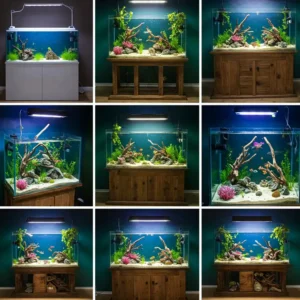
Side-by-side arrangements create expanded horizontal displays while maintaining the distinctive cubic aesthetic. Using identical tank models creates a clean, unified appearance, while mixing different cube sizes adds visual variety. When planning side-by-side arrangements, consider creating complementary but contrasting themes—perhaps a planted community tank alongside a rocky cichlid habitat, or a freshwater setup next to a marine cube.
Connected systems offer advanced possibilities through shared filtration or water circulation. The Lifegard Aquatics Customflo Water System provides modular components for creating linked systems with centralized filtration, reducing maintenance requirements while ensuring consistent water parameters across multiple tanks. These systems work particularly well when housing species with similar water parameter requirements but territorial incompatibilities.
For truly sophisticated displays, incorporate supplementary lighting between and behind multiple cube tanks. LED strip lighting like the Kasa Smart LED Light Strip creates atmospheric backlighting that enhances the visual impact of your aquarium collection, transforming a group of individual tanks into a cohesive aquatic art installation.
Frequently Asked Questions About Cube Fish Tanks
❓ What is the ideal size cube fish tank for beginners?
❓ How many fish can I keep in a cube fish tank?
❓ Are cube fish tanks more expensive than rectangular tanks?
❓ Can I keep live plants in a cube fish tank?
❓ Do cube fish tanks require special equipment?
Conclusion: Why Your Next Aquarium Should Be a Cube
The unique appeal of cube fish tanks extends far beyond their distinctive appearance. These versatile aquariums offer practical benefits that make them excellent choices for both beginners and experienced hobbyists. Their efficient use of space, balanced dimensions, and striking visual presence have made them increasingly popular choices for home and office environments alike.
For beginners, cube tanks provide a forgiving introduction to the aquarium hobby. Their substantial water volume relative to their footprint helps maintain stable parameters, while their accessible dimensions make maintenance straightforward. The wide availability of complete cube tank kits means novice aquarists can get started with confidence, knowing they have all the essential components designed to work together effectively.
Experienced hobbyists appreciate the creative possibilities that cube tanks offer. Their balanced dimensions create unique aquascaping opportunities that differ from traditional rectangular tanks, allowing for innovative hardscape arrangements and planting schemes. The impressive depth dimension makes cube tanks perfect for creating miniature underwater landscapes with true three-dimensional appeal.
As aquarium technology continues to advance, cube fish tanks remain at the forefront of the hobby’s evolution. Their clean, contemporary aesthetic aligns perfectly with modern interior design trends, while their practical benefits make them suitable for a wide range of aquatic pursuits—from simple betta habitats to complex planted ecosystems or even reef systems for those venturing into saltwater.
Whether you’re setting up your first aquarium or adding to an existing collection, a cube fish tank offers the perfect combination of style, functionality, and versatility. The balanced beauty of these distinctive aquariums creates a mesmerizing window into the underwater world that will continue to captivate both you and your guests for years to come.
🌊 Dive Into Aquatic Excellence Today! 🐠
→ Ready to experience the beauty of a perfectly balanced cube aquarium? Click on any of our recommended products to check current pricing and availability. These carefully selected tanks and accessories will help you create a stunning underwater display that becomes the centerpiece of your home or office!

Recommended for You:
- 10 Beautiful Rimless Fish Tanks That Transform Your Space – Ultimate 2025 Guide
- 10 Essential Benefits of Shallow Fish Tank Designs for Stunning Aquascapes in 2025
- 5 Gallon Tank Guide: Best Fish Species and Nano Aquarium Setup Tips
Disclaimer: This article contains affiliate links. If you purchase products through these links, we may earn a small commission at no additional cost to you.
✨ Found this helpful? Share it with your friends! 💬🤗
