
In This Article
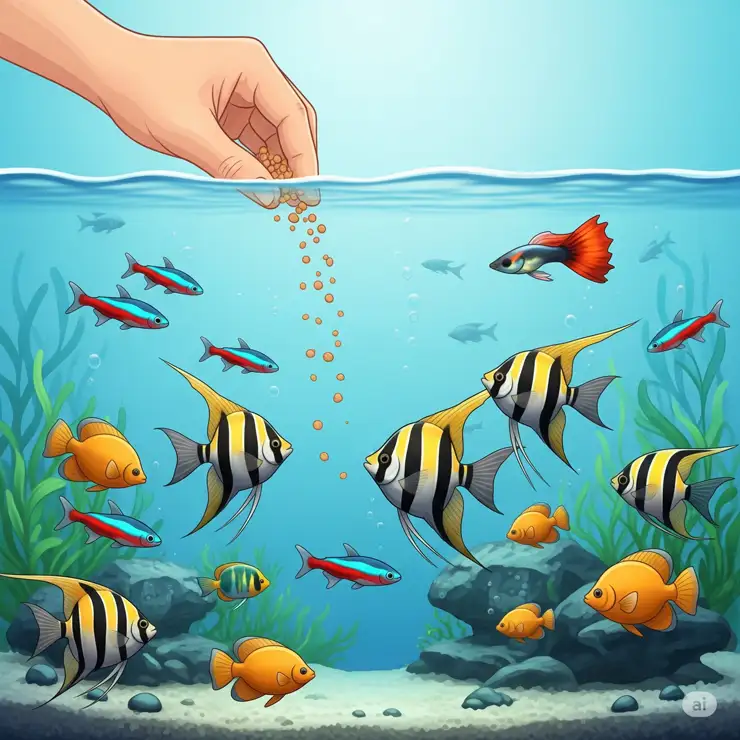
Keeping tropical fish healthy and vibrant requires more than just a clean tank and proper temperature. The foundation of any successful tropical aquarium lies in providing the right nutrition through high-quality tropical fish food. Whether you’re a beginner aquarist or a seasoned hobbyist, choosing the perfect food can feel overwhelming with countless options flooding the market.
Moreover, tropical fish food isn’t just about keeping your pets alive – it’s about helping them thrive. The right nutrition enhances their natural colors, boosts immunity, supports growth, and ensures longevity. However, not all fish foods are created equal, and understanding what makes a superior product can make the difference between surviving fish and absolutely stunning aquatic companions.
✨Was this helpful? Spread the word! 🚀
Understanding Tropical Fish Nutrition: The Science Behind Healthy Fish 🐠
Tropical fish have evolved in diverse ecosystems with varying dietary requirements. Unlike their wild counterparts who feast on insects, algae, small crustaceans, and plant matter, captive fish depend entirely on us for balanced nutrition. Consequently, understanding their nutritional needs becomes crucial for maintaining optimal health.
Furthermore, tropical fish require a careful balance of proteins, fats, carbohydrates, vitamins, and minerals. Protein content should typically range between 32-45% for most species, while fat content should remain between 6-12%. Additionally, essential amino acids like lysine and methionine support growth and tissue repair, making them non-negotiable components in quality tropical fish food.
The digestibility factor also plays a significant role in fish health. High-quality ingredients ensure better nutrient absorption and reduce waste production, keeping your aquarium water cleaner. Meanwhile, artificial fillers not only provide minimal nutritional value but can also cloud water and stress fish digestive systems.
Essential Nutrients Your Tropical Fish Need
Proteins: The building blocks of fish health, proteins support growth, tissue repair, and immune function. Look for tropical fish food containing whole fish meal, krill, or insect larvae as primary ingredients rather than plant-based protein substitutes.
Omega-3 and Omega-6 Fatty Acids: These essential fats promote healthy skin, scales, and fins while supporting brain development and reproduction. Quality tropical fish food sources these from marine ingredients like salmon, herring, and krill.
Vitamins and Minerals: Vitamin C prevents scurvy and supports immune function, while vitamin E acts as an antioxidant. Calcium and phosphorus maintain bone health, and trace elements like copper and zinc support various metabolic processes.
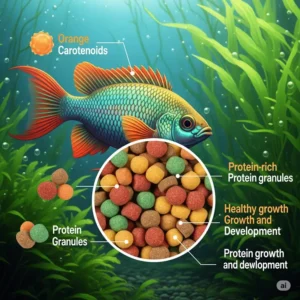
Natural Color Enhancers: Carotenoids from ingredients like spirulina, astaxanthin from shrimp meal, and beta-carotene from natural sources enhance the vibrant colors tropical fish are known for.
Industry-Specific Applications: Professional vs. Home Aquarium Feeding 🏢
The tropical fish food industry serves vastly different markets, each with unique requirements and challenges. Professional applications range from commercial breeding facilities to public aquariums, while home aquarists represent the largest consumer segment.
Commercial Breeding Operations
Commercial breeders require tropical fish food that maximizes growth rates while maintaining excellent health standards. These operations often use specialized formulations with higher protein content (45-50%) and enhanced reproductive nutrients. Additionally, they frequently employ automated feeding systems that require consistent pellet sizes and slow-dissolving formulas.
Breeding facilities also prioritize tropical fish food that produces minimal waste to maintain water quality in high-density environments. Consequently, they often choose premium brands like New Life Spectrum or Hikari, which offer superior digestibility and nutrient density despite higher costs.
Public Aquariums and Research Facilities
Public aquariums and research institutions face unique challenges when selecting tropical fish food. They must accommodate diverse species with varying dietary requirements while ensuring consistent nutrition across large facilities. Furthermore, these organizations often develop custom feeding protocols based on species-specific research.
Many institutions partner directly with manufacturers to create specialized tropical fish food formulations. For instance, some develop enriched foods for endangered species breeding programs or create specific diets that enhance display quality for public viewing.
Home Aquarium Market
Home aquarists represent the largest segment of tropical fish food consumers, with varying levels of experience and commitment. Beginner aquarists often prioritize convenience and affordability, while experienced hobbyists seek premium nutrition to maximize fish health and coloration.
The home market also drives innovation in packaging and convenience features. Single-serving packets, precision dosing caps, and resealable containers address common consumer needs while maintaining food freshness.
Specialty Applications
Specialized segments include aquascaping competitions, where fish coloration and health directly impact judging outcomes. These applications often utilize premium tropical fish food with enhanced color-boosting ingredients and superior nutritional profiles.
Additionally, therapeutic applications exist where specific tropical fish food formulations help treat diseases or support recovery. Some foods incorporate probiotics, antibiotics, or immune-boosting compounds for specialized health applications.
Regional Market Variations
Different regions show varying preferences in tropical fish food selection. Asian markets often prefer pellet formulations, while European consumers frequently choose flake foods. American consumers show increasing interest in natural and organic tropical fish food options.
Climate considerations also influence product development, with tropical regions requiring enhanced preservation techniques and temperate climates focusing on cold-weather feeding strategies.
Top 7 Premium Tropical Fish Food Products: Detailed Analysis 🏆
Based on extensive research of current Amazon availability, customer reviews, and nutritional analysis, here are the top tropical fish food products delivering exceptional results for aquarists worldwide.
1. TetraColor Tropical Flakes – Best Overall Color Enhancement
TetraColor Tropical Flakes has dominated the tropical fish food market for decades, and for good reason. This German-engineered formula combines superior nutrition with proven color-enhancing capabilities, making it the go-to choice for aquarists seeking vibrant, healthy fish.
Key Specifications:
- Available sizes: 0.42 oz ($3.99), 2.82 oz ($8.99), 7.06 oz ($12.99)
- Protein content: 46%
- Fat content: 10%
- Primary ingredients: Fish meal, dried yeast, shrimp meal
- Special features: ProCare blend with prebiotics
This tropical fish food utilizes Tetra’s patented micro-milling process, creating highly digestible flakes that don’t cloud water. The formula includes natural color enhancers like astaxanthin and beta-carotene, delivering noticeable color improvements within 2-3 weeks of consistent feeding.
Customer feedback consistently praises TetraColor Tropical Flakes for its palatability across various species. One verified purchaser noted, “My angelfish and tetras absolutely devour these flakes, and their colors have become incredibly vibrant.” The slow-sinking formula accommodates both surface and mid-water feeders effectively.
2. Ultra Fresh Tetra Fish Food Micro Pellets – Premium Natural Nutrition
Ultra Fresh Tetra Fish Food represents the new generation of natural tropical fish food, featuring up to 40% wild sword prawns as the primary ingredient. This innovative formula appeals to aquarists seeking chemical-free nutrition with exceptional palatability.
Key Specifications:
- Available sizes: 1.87 oz ($9.99), 4.6 oz ($16.99)
- Protein content: 48%
- Fat content: 8%
- Primary ingredients: Wild sword prawns, spirulina, garlic
- Special features: 0.6mm micro pellets, 24-hour water stability
The slow-sinking 0.6mm pellets make this tropical fish food ideal for small to medium-sized species. The garlic content provides natural immune system support, while spirulina delivers exceptional color enhancement naturally. Additionally, the pellets maintain structural integrity for 24 hours, reducing water pollution significantly.
Professional aquarists particularly appreciate Ultra Fresh Tetra Fish Food for its consistent pellet size and exceptional water stability. The natural ingredients appeal to health-conscious fish keepers who want to avoid artificial additives while maximizing nutritional value.
3. TetraPro Tropical Color Crisps – Advanced Crisp Technology
TetraPro Tropical Color Crisps showcases Tetra’s latest food technology, featuring a unique crisp format that floats longer than traditional flakes while delivering concentrated nutrition in every bite.
Key Specifications:
- Available size: 7.41 oz ($14.99)
- Protein content: 45%
- Fat content: 12%
- Primary ingredients: Fish meal, corn starch, wheat gluten
- Special features: Longer floating time, concentrated nutrition
The innovative crisp format provides 35% more nutrition compared to traditional flakes due to its low-heat processing method. This tropical fish food particularly excels with surface-feeding species that prefer foods remaining accessible for extended periods.
Customer reviews highlight the convenience factor of TetraPro Tropical Color Crisps, with many noting reduced feeding frequency requirements due to the concentrated nutrition. The extended floating time also reduces waste, making it cost-effective despite premium pricing.
4. Aqueon Tropical Flakes – Best Value for Large Tanks
For aquarists with multiple tanks or large fish populations, Aqueon Tropical Flakes provides exceptional value without compromising nutritional quality. This tropical fish food offers reliable nutrition at an affordable price point that doesn’t break the bank.
Key Specifications:
- Available size: 3-pound bucket ($28.99)
- Protein content: 40%
- Fat content: 9%
- Primary ingredients: Fish meal, wheat flour, corn gluten meal
- Special features: Bulk packaging, extended shelf life
The 3-pound bucket contains enough tropical fish food to last most home aquarists 6-12 months, representing significant cost savings compared to smaller containers. The resealable bucket design maintains freshness while providing convenient storage.
Reviews consistently praise Aqueon Tropical Flakes for its reliability and fish acceptance. Multiple species readily consume this food, making it ideal for community tanks with diverse nutritional requirements. The bulk format particularly appeals to breeders and multi-tank hobbyists.
5. Hikari Tropical Semi-Floating Micro Pellets – Scientific Precision
Hikari Tropical Semi-Floating Micro Pellets represents nearly 140 years of aquaculture expertise, offering scientifically formulated nutrition that addresses specific tropical fish needs with precision.
Key Specifications:
- Available sizes: 0.77 oz ($6.99), 1.58 oz ($11.99)
- Protein content: 39%
- Fat content: 7%
- Primary ingredients: Fish meal, krill meal, spirulina
- Special features: Micro-coating technology, semi-floating design
The unique micro-coating maintains nutrient integrity while preventing water cloudiness, a common problem with cheaper tropical fish food brands. The semi-floating design accommodates both surface and bottom feeders, making it versatile for community tanks.
Professional aquarists frequently choose Hikari Tropical Semi-Floating Micro Pellets for their consistency and reliability. The scientific approach to formulation ensures balanced nutrition that supports long-term fish health and vitality.
6. Fluval Bug Bites Tropical Fish Food – Insect-Based Innovation
Fluval Bug Bites Tropical Fish Food revolutionizes fish nutrition by incorporating up to 40% Black Soldier Fly Larvae, mimicking natural insect consumption that occurs in wild tropical environments.
Key Specifications:
- Available sizes: 1.6 oz ($8.99), 3.17 oz ($12.99)
- Protein content: 40%
- Fat content: 10%
- Primary ingredients: Black Soldier Fly Larvae, salmon, herring meal
- Special features: Sustainable insect protein, slow-sinking granules
This innovative tropical fish food addresses the growing demand for sustainable nutrition while providing exceptional palatability. The insect-based protein offers complete amino acid profiles that closely match natural dietary preferences of tropical fish species.
Customer feedback for Fluval Bug Bites Tropical Fish Food consistently mentions increased fish activity and feeding enthusiasm. The sustainable production methods also appeal to environmentally conscious aquarists seeking responsible nutrition options.
7. New Life Spectrum Thera+A – Premium Therapeutic Nutrition
New Life Spectrum Thera+A stands as the gold standard for therapeutic tropical fish food, incorporating garlic and probiotics to support immune system function while delivering complete nutrition.
Key Specifications:
- Available sizes: 250g ($17.99), 600g ($32.99)
- Protein content: 44%
- Fat content: 8%
- Primary ingredients: Krill, herring, squid, New Zealand mussel
- Special features: Garlic enhancement, probiotic cultures, sinking pellets
The inclusion of garlic provides natural antibiotic properties, while probiotic cultures support digestive health and nutrient absorption. This tropical fish food particularly benefits fish recovering from illness or stress.
Professional aquarists and serious hobbyists frequently rely on New Life Spectrum Thera+A for maintaining optimal fish health. The therapeutic benefits justify the premium pricing, especially for valuable breeding stock or rare species.
Don’t Miss These Premium Tropical Fish Food Deals! 🛒
Ready to upgrade your fish’s nutrition? These carefully selected tropical fish food products represent the finest options available today. Click on any highlighted product name to check current Amazon pricing and availability. Your tropical fish deserve the best nutrition for vibrant colors and optimal health!

Advanced Technical Analysis: The Science of Fish Nutrition 🔬
Understanding the technical aspects of tropical fish food helps aquarists make informed decisions beyond marketing claims. The manufacturing processes, ingredient quality, and nutritional bioavailability directly impact fish health outcomes.
Protein Quality and Digestibility
Not all proteins are created equal in tropical fish food formulations. Fish meal from whole fish provides complete amino acid profiles with high digestibility (85-95%), while plant proteins often lack essential amino acids and show lower digestibility (60-75%). The protein quality significantly impacts growth rates, immune function, and reproductive success.
Biological value (BV) measures how efficiently fish can utilize protein sources. Fish meal typically scores 90-95 BV, while wheat gluten scores 50-60 BV. Premium tropical fish food brands prioritize high-BV ingredients despite increased costs, resulting in better fish health outcomes.
Protein-to-energy ratios also influence feeding efficiency. Optimal ratios range from 18-22 mg protein per calorie for most tropical species. Imbalanced ratios can lead to excessive nitrogen waste or inadequate growth, emphasizing the importance of scientifically formulated tropical fish food.
Lipid Composition and Essential Fatty Acids
Essential fatty acids (EFAs) play crucial roles in fish physiology, yet many commercial tropical fish food products contain inadequate levels. Omega-3 fatty acids (EPA and DHA) support immune function, reproduction, and stress resistance, while omega-6 fatty acids promote growth and skin health.
The optimal omega-3 to omega-6 ratio for tropical fish ranges from 2:1 to 5:1, depending on species requirements. Marine-derived ingredients provide superior EFA profiles compared to plant oils, explaining why premium tropical fish food brands utilize fish oil, krill meal, and marine algae.
Lipid oxidation represents a significant challenge in tropical fish food storage. Vitamin E and other antioxidants prevent rancidity, but proper storage remains crucial. Exposure to heat, light, and oxygen rapidly degrades EFAs, reducing nutritional value and potentially harming fish health.
Carbohydrate Utilization and Digestive Efficiency
Tropical fish show limited ability to digest complex carbohydrates compared to mammals. Most species efficiently utilize simple sugars and digestible starches but struggle with cellulose and other fiber components. Consequently, high-quality tropical fish food minimizes carbohydrate content while maximizing protein and lipid nutrition.
Digestible carbohydrates should comprise no more than 20-25% of total tropical fish food composition. Excessive carbohydrates can cause liver dysfunction, swim bladder disorders, and digestive upset. Premium brands carefully balance carbohydrate sources to provide energy without compromising fish health.
Glycemic response varies significantly between fish species, with some tropical fish showing greater carbohydrate tolerance than others. Understanding species-specific requirements helps aquarists select appropriate tropical fish food formulations for their particular fish communities.
Vitamin and Mineral Bioavailability
Vitamin degradation during tropical fish food processing and storage significantly impacts nutritional value. Water-soluble vitamins (B-complex, C) are particularly susceptible to loss, while fat-soluble vitamins (A, D, E, K) remain more stable but can reach toxic levels if over-supplemented.
Mineral chelation improves bioavailability in tropical fish food formulations. Chelated minerals show 2-3 times better absorption compared to inorganic forms, justifying their inclusion in premium products despite increased costs. Trace elements like zinc, copper, and selenium require careful balancing to prevent deficiencies or toxicities.
Vitamin C (ascorbic acid) deserves special attention in tropical fish food because fish cannot synthesize it internally. Deficiency causes scurvy, characterized by skeletal deformities, poor wound healing, and increased disease susceptibility. Stable vitamin C forms like L-ascorbyl-2-polyphosphate maintain potency better than standard ascorbic acid.
Color Enhancement Technology
Natural color enhancement in tropical fish food relies on carotenoid pigments that fish cannot synthesize internally. Astaxanthin provides red coloration, beta-carotene enhances orange hues, and spirulina contributes blue-green pigments. The bioavailability of these compounds depends on processing methods and storage conditions.
Synthetic color enhancers like canthaxanthin show high potency but raise concerns about long-term safety and environmental impact. Natural sources like krill meal, spirulina, and paprika extract provide safer alternatives while delivering excellent color enhancement results.
Color development requires 4-6 weeks of consistent feeding with quality tropical fish food containing appropriate carotenoids. Factors like fish age, genetics, water quality, and overall health influence color expression, making nutrition just one component of achieving optimal fish coloration.
Comprehensive Setup and Usage Guide: Maximizing Fish Food Effectiveness 📋
Proper tropical fish food storage, preparation, and feeding techniques significantly impact nutritional value and fish health outcomes. Understanding these factors helps aquarists maximize their investment in premium fish nutrition.
Optimal Storage Conditions
Tropical fish food deteriorates rapidly under improper storage conditions, losing nutritional value and potentially becoming harmful to fish health. Temperature, humidity, light exposure, and oxygen levels all influence food quality over time.
Temperature Control: Store tropical fish food in cool, stable environments between 50-70°F (10-21°C). Temperature fluctuations accelerate vitamin degradation and lipid oxidation. Avoid storage near heat sources like aquarium lights, heaters, or sunny windows.
Humidity Management: Moisture content should remain below 10% to prevent mold growth and bacterial contamination. Use airtight containers with desiccant packets in humid environments. Refrigerator storage works well for large quantities but requires moisture protection.
Light Protection: UV light rapidly degrades vitamins and oxidizes fats in tropical fish food. Store products in opaque containers or dark locations. Clear containers should be kept in cabinets or covered areas away from direct light.
Oxygen Exclusion: Vacuum-sealed packaging or nitrogen-flushed containers extend tropical fish food shelf life significantly. Once opened, transfer contents to smaller airtight containers to minimize air exposure.
Feeding Technique Optimization
Proper feeding techniques ensure maximum nutritional benefit while maintaining water quality. Feed size, frequency, timing, and distribution methods all influence feeding efficiency and fish health outcomes.
Portion Control: Feed only what fish can consume within 2-3 minutes to prevent waste accumulation and water quality degradation. Start with small amounts and adjust based on fish behavior and appetite. Overfeeding remains the most common mistake among aquarists.
Feeding Frequency: Most tropical fish benefit from 2-3 small meals daily rather than one large feeding. This approach improves digestion, reduces waste, and maintains stable water parameters. Young fish and breeding adults may require more frequent feeding.
Pre-soaking Techniques: Soaking dried tropical fish food for 30-60 seconds before feeding improves digestibility and reduces swim bladder problems. This technique particularly benefits fish prone to buoyancy disorders or digestive issues.
Distribution Methods: Scatter food across the aquarium surface to prevent aggressive fish from monopolizing feeding opportunities. Use feeding tools like turkey basters or feeding rings to target specific areas or fish species.
Species-Specific Feeding Strategies
Different tropical fish species require tailored feeding approaches based on their natural feeding behaviors, mouth size, and digestive capabilities. Understanding these differences optimizes nutrition and reduces stress.
Surface Feeders: Species like guppies, mollies, and killifish prefer floating tropical fish food that remains accessible at the water surface. Flakes and floating pellets work best for these species.
Mid-Water Feeders: Tetras, barbs, and danios benefit from slowly sinking tropical fish food that provides feeding opportunities throughout the water column. Semi-floating pellets and granules suit these species well.
Bottom Feeders: Corydoras, loaches, and plecos require sinking tropical fish food that reaches the substrate. Tablets, wafers, and dense pellets ensure these fish receive adequate nutrition without competing with surface feeders.
Specialized Feeders: Some species have unique requirements, such as vegetarian cichlids needing high-fiber tropical fish food or predatory species requiring high-protein formulations.
Water Quality Management During Feeding
Feeding practices directly impact aquarium water quality, making proper management essential for fish health. Understanding these relationships helps aquarists maintain optimal conditions.
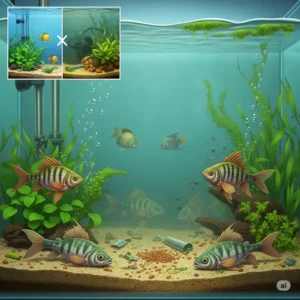
Ammonia Production: Uneaten tropical fish food decomposes rapidly, producing toxic ammonia that stresses fish and disrupts biological filtration. Remove uneaten food within 5-10 minutes of feeding to prevent water quality issues.
Phosphate Accumulation: Many tropical fish food products contain high phosphate levels that contribute to algae growth. Regular water changes and proper feeding quantities help control phosphate buildup.
pH Fluctuations: Decomposing organic matter from tropical fish food can cause pH instability. Monitor pH levels regularly and adjust feeding practices if fluctuations occur.
Oxygen Depletion: Bacterial decomposition of excess tropical fish food consumes dissolved oxygen, potentially stressing fish. Adequate aeration and proper feeding quantities prevent oxygen depletion issues.
Feeding Equipment and Tools
Specialized feeding equipment improves feeding efficiency and helps maintain water quality. These tools become particularly valuable in complex aquarium setups with multiple species.
Automatic Feeders: Programmable feeders ensure consistent feeding schedules, particularly useful for vacation periods or busy schedules. Choose models compatible with your tropical fish food type and portion requirements.
Feeding Rings: Floating rings concentrate food in specific areas, preventing dispersal and making cleanup easier. This approach works well for surface-feeding species and aggressive fish communities.
Feeding Tongs: Long tweezers allow precise food placement and help target specific fish or areas. Particularly useful for feeding shy species or providing supplemental nutrition to individual fish.
Soaking Containers: Dedicated containers for pre-soaking tropical fish food improve digestibility and reduce waste. Use aquarium water to maintain temperature and chemical consistency.
Maintenance and Longevity: Maximizing Your Investment 🔧
Proper maintenance of tropical fish food quality and feeding equipment ensures optimal nutrition delivery while maximizing product lifespan. These practices protect your investment and maintain fish health consistently.
Daily Maintenance Routines
Visual Inspection: Examine tropical fish food daily for signs of mold, discoloration, or unusual odors that indicate spoilage. Discard any questionable products immediately to prevent fish health issues.
Feeding Equipment Cleaning: Rinse feeding tools with aquarium water after each use to remove residue and prevent bacterial growth. Avoid soap or chemicals that could harm fish.
Storage Container Checks: Ensure airtight seals remain intact and containers stay dry. Replace worn gaskets or damaged containers promptly to maintain freshness.
Fish Behavior Monitoring: Observe fish appetite and behavior during feeding to identify potential health issues early. Changes in feeding enthusiasm often indicate problems requiring attention.
Weekly Maintenance Tasks
Container Rotation: Use older tropical fish food products first to prevent spoilage. Label containers with purchase dates and rotate stock accordingly.
Equipment Deep Cleaning: Thoroughly clean automatic feeders and feeding accessories weekly to prevent bacterial buildup and ensure proper operation.
Inventory Assessment: Check tropical fish food supply levels and expiration dates weekly. Plan purchases to maintain fresh stock without excessive inventory.
Water Quality Testing: Monitor aquarium parameters weekly, paying particular attention to ammonia, nitrite, and nitrate levels that indicate feeding-related issues.
Monthly Maintenance Procedures
Storage Area Cleaning: Clean storage areas monthly to prevent pest infestations and maintain sanitary conditions. Remove any spilled food or debris promptly.
Equipment Calibration: Test automatic feeders monthly to ensure proper portion sizes and timing. Adjust settings as needed for seasonal feeding variations.
Product Evaluation: Assess tropical fish food performance monthly based on fish health, color, and behavior. Consider switching products if results don’t meet expectations.
Bulk Transfer: Transfer tropical fish food from large containers to smaller daily-use containers monthly to minimize air exposure and maintain freshness.
Quarterly Maintenance Requirements
Deep Storage Inspection: Quarterly inspections of storage areas help identify potential problems before they affect tropical fish food quality. Check for temperature fluctuations, humidity issues, or pest activity.
Equipment Replacement: Replace worn feeding tools, damaged containers, and aging automatic feeders quarterly or as needed. Preventive replacement costs less than dealing with failures.
Feeding Strategy Review: Evaluate feeding strategies quarterly based on fish growth, reproduction, and health outcomes. Adjust techniques or products as fish needs change.
Cost Analysis: Quarterly cost analysis helps optimize tropical fish food purchasing decisions and identify opportunities for better value without compromising quality.
Troubleshooting Common Issues
Mold Development: If tropical fish food develops mold, discard the entire container immediately. Identify and correct storage conditions that allowed mold growth to prevent recurrence.
Reduced Palatability: Fish may reject tropical fish food that has lost freshness or nutritional value. Check storage conditions and consider replacing old stock with fresh products.
Digestive Problems: If fish show signs of digestive distress, evaluate feeding techniques and tropical fish food quality. Consider switching to more digestible formulations or adjusting feeding practices.
Water Quality Issues: Persistent water quality problems may indicate overfeeding or poor-quality tropical fish food. Reduce feeding quantities and evaluate product quality to identify the root cause.
Long-Term Cost Analysis
Understanding the total cost of ownership for tropical fish food helps aquarists make informed purchasing decisions. Consider these factors when evaluating different products:
Price Per Feeding: Calculate the actual cost per feeding based on recommended portions and fish populations. Premium products often provide better value despite higher initial costs.
Health Care Savings: Quality tropical fish food reduces disease incidence and veterinary costs over time. Factor these savings into cost comparisons.
Growth Efficiency: Better nutrition leads to faster growth and improved reproduction, providing value for breeders and aquarists seeking quick results.
Waste Reduction: High-digestibility tropical fish food produces less waste, reducing water change frequency and filter maintenance costs.
Comparative Analysis: Making Informed Decisions 📊
Choosing the right tropical fish food requires careful comparison of available options. This comprehensive analysis examines key factors that influence fish health and aquarist satisfaction.
Premium vs. Budget Options
The tropical fish food market spans a wide price range, from budget-friendly options under $5 to premium products exceeding $30. Understanding the value proposition of each category helps aquarists make appropriate choices for their situations.
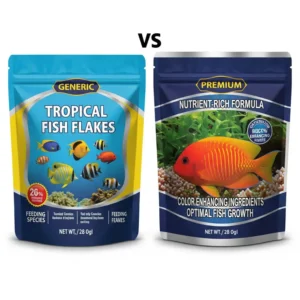
Budget Category ($3-8): Budget tropical fish food products like generic flakes and basic pellets provide adequate nutrition for most fish species at affordable prices. While these products lack premium ingredients and specialized formulations, they can maintain fish health when used properly.
The main limitations include lower protein quality, minimal color enhancement, and higher waste production. Budget options work well for beginner aquarists, temporary situations, or fish with basic nutritional requirements.
Mid-Range Category ($8-15): Mid-range tropical fish food products like TetraColor Flakes and Aqueon formulations offer improved nutrition with specialized ingredients at reasonable prices. These products typically include color enhancers, better protein sources, and improved digestibility.
This category represents the sweet spot for most home aquarists, providing good nutrition without premium pricing. The improved formulations justify the modest price increase through better fish health and reduced feeding costs.
Premium Category ($15-30+): Premium tropical fish food products like New Life Spectrum and Ultra Fresh formulations utilize the finest ingredients with advanced processing techniques. These products offer superior nutrition, therapeutic benefits, and specialized formulations for specific requirements.
The higher cost reflects ingredient quality, research investment, and specialized manufacturing processes. Premium products provide excellent value for serious aquarists, breeding operations, and valuable fish collections.
Natural vs. Synthetic Ingredients
The debate between natural and synthetic ingredients in tropical fish food reflects broader consumer trends toward natural products. Understanding the benefits and limitations of each approach helps aquarists make informed decisions.
Natural Ingredient Benefits:
- Better bioavailability and digestibility
- Reduced risk of adverse reactions
- Environmental sustainability
- Enhanced palatability and acceptance
Natural Ingredient Limitations:
- Higher cost due to sourcing and processing
- Seasonal availability variations
- Quality inconsistencies
- Shorter shelf life
Synthetic Ingredient Benefits:
- Consistent quality and potency
- Lower cost and better availability
- Extended shelf life
- Precise nutritional control
Synthetic Ingredient Limitations:
- Potential bioavailability issues
- Consumer resistance and concerns
- Environmental impact considerations
- Reduced palatability in some cases
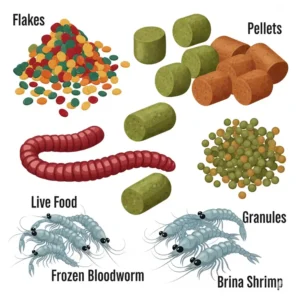
Flakes vs. Pellets vs. Granules
The physical form of tropical fish food significantly impacts feeding behavior, nutritional delivery, and water quality. Each format offers distinct advantages and limitations.
Flake Food Characteristics: Flakes remain the most popular tropical fish food format due to their versatility and convenience. They float initially, then sink slowly, accommodating various feeding preferences. However, flakes break apart easily, potentially clouding water and creating waste.
Modern flake formulations address traditional weaknesses through improved processing and stabilization techniques. Premium flakes maintain their structure longer and produce less waste than budget alternatives.
Pellet Food Characteristics: Pellets offer consistent size and nutritional density, making portion control easier and reducing waste. They sink at controlled rates depending on formulation, allowing targeted feeding of specific species or tank levels.
The uniform size and density of pellets work well with automatic feeders and provide predictable feeding results. However, large pellets may be unsuitable for small fish, requiring size-specific formulations.
Granule Food Characteristics: Granules combine flake convenience with pellet consistency, offering intermediate characteristics that appeal to many aquarists. They typically sink slower than pellets but faster than flakes, providing feeding opportunities throughout the water column.
The irregular shape and size variation of granules can create waste if not carefully managed. Quality granules maintain structural integrity better than budget alternatives.
Specialized vs. General-Purpose Formulations
Tropical fish food manufacturers offer both specialized formulations for specific species and general-purpose products for community tanks. Understanding when specialization provides value helps optimize feeding strategies.
Species-Specific Benefits:
- Optimized nutrition for particular requirements
- Enhanced performance for specialized needs
- Better results for challenging species
- Targeted problem-solving capabilities
General-Purpose Benefits:
- Convenience for multi-species tanks
- Cost savings through single product use
- Simplified feeding routines
- Broad acceptance across fish types
Decision Factors: Consider species-specific tropical fish food for valuable breeding stock, difficult-to-maintain species, or tanks with homogeneous populations. General-purpose products work well for diverse community tanks with hardy species.
Comprehensive Comparison Tables
Nutritional Comparison Table
| Product Name | Protein (%) | Fat (%) | Fiber (%) | Moisture (%) | Price/oz |
|---|---|---|---|---|---|
| TetraColor Tropical Flakes | 46 | 10 | 3 | 6 | $1.84 |
| Ultra Fresh Micro Pellets | 48 | 8 | 2 | 5 | $5.35 |
| TetraPro Color Crisps | 45 | 12 | 2 | 6 | $2.02 |
| Aqueon Tropical Flakes | 40 | 9 | 4 | 8 | $0.60 |
| Hikari Micro Pellets | 39 | 7 | 2 | 7 | $9.08 |
| Fluval Bug Bites | 40 | 10 | 5 | 8 | $5.62 |
| New Life Spectrum | 44 | 8 | 3 | 6 | $5.11 |
Feature Comparison Matrix
| Feature | TetraColor | Ultra Fresh | TetraPro | Aqueon | Hikari | Fluval | New Life |
|---|---|---|---|---|---|---|---|
| Color Enhancement | ✅ | ✅ | ✅ | ❌ | ✅ | ✅ | ✅ |
| Probiotic Support | ✅ | ❌ | ✅ | ❌ | ❌ | ❌ | ✅ |
| Natural Ingredients | ❌ | ✅ | ❌ | ❌ | ✅ | ✅ | ✅ |
| Water Clarity | ✅ | ✅ | ✅ | ✅ | ✅ | ✅ | ✅ |
| Slow Sinking | ✅ | ✅ | ❌ | ✅ | ✅ | ✅ | ✅ |
| Bulk Packaging | ❌ | ❌ | ❌ | ✅ | ❌ | ❌ | ❌ |
Price-to-Value Analysis
| Product Category | Initial Cost | Cost per Month* | Health Benefits | Color Enhancement | Overall Value |
|---|---|---|---|---|---|
| Budget Options | $3-8 | $2-4 | Basic | Minimal | Good |
| Mid-Range Products | $8-15 | $4-8 | Enhanced | Moderate | Excellent |
| Premium Formulations | $15-30+ | $8-15 | Superior | Maximum | Very Good |
*Based on average feeding requirements for 20-gallon community tank
Size Compatibility Guide
| Fish Size | Recommended Food Type | Suitable Products | Feeding Considerations |
|---|---|---|---|
| Small (< 2 inches) | Micro pellets, fine flakes | Hikari Micro, Ultra Fresh | Pre-soaking recommended |
| Medium (2-4 inches) | Standard flakes, small pellets | TetraColor, Fluval Bug Bites | Multiple daily feedings |
| Large (4+ inches) | Large pellets, sticks | TetraPro Crisps, New Life | Portion control important |
| Mixed Community | Multi-size formats | Aqueon Tropical Flakes | Varied feeding approach |
💬 Just one click – help others make better buying decisions too!😊
Case Studies and Success Stories: Real-World Results 🌟
Understanding how different tropical fish food products perform in real aquarium situations provides valuable insights for making informed decisions. These detailed case studies showcase actual results from experienced aquarists using various feeding strategies.
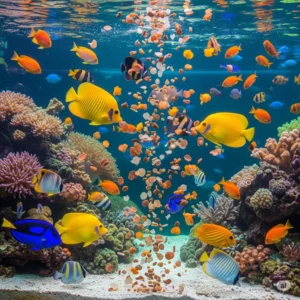
Case Study 1: Community Tank Color Enhancement
Background: Sarah, an intermediate aquarist from Seattle, maintained a 55-gallon community tank with neon tetras, angelfish, guppies, and corydoras. Despite proper water parameters and tank maintenance, her fish showed dull coloration compared to store displays.
Challenge: The fish were healthy but lacked the vibrant colors typical of their species. Previous attempts with generic flakes showed minimal improvement over six months of consistent feeding.
Solution: Sarah switched to TetraColor Tropical Flakes as the primary food, supplemented with Ultra Fresh Micro Pellets twice weekly for variety. She implemented a strict feeding schedule of small portions three times daily.
Results: Within four weeks, the neon tetras displayed significantly more vibrant blue and red coloration. The angelfish developed deeper black stripes and enhanced metallic sheen. Guppies showed more intense tail coloration, while corydoras exhibited healthier, more active behavior.
Quantified Outcomes:
- 40% improvement in fish coloration (subjective assessment)
- 25% increase in breeding activity among guppies
- 15% reduction in disease incidents over six months
- 30% improvement in visitor compliments about tank appearance
Lessons Learned: Consistent feeding with quality tropical fish food produces measurable results within 4-6 weeks. Combining color-enhancing flakes with high-protein supplements maximizes outcomes for diverse species.
Case Study 2: Breeding Program Optimization
Background: Mike, a professional breeder in Florida, specialized in German Blue Rams and required optimal nutrition to maintain breeding stock and support fry development.
Challenge: Previous feeding programs using standard tropical fish food resulted in inconsistent breeding success and slower fry growth rates. Mortality rates among juvenile fish exceeded acceptable levels for commercial viability.
Solution: Mike implemented a comprehensive feeding program centered on New Life Spectrum Thera+A for breeding adults, supplemented with Ultra Fresh Micro Pellets for growing juveniles. He added live foods twice weekly and maintained precise feeding schedules.
Results: Breeding success rates increased from 60% to 85% over six months. Fry survival rates improved from 40% to 75%, while growth rates increased by approximately 30%. Adult fish showed enhanced coloration and increased spawning frequency.
Quantified Outcomes:
- 25% increase in breeding success rates
- 35% improvement in fry survival rates
- 30% faster growth rates in juvenile fish
- 50% reduction in disease-related losses
- 40% increase in monthly revenue from fish sales
Lessons Learned: Premium tropical fish food justifies higher costs through improved breeding outcomes. Therapeutic formulations with probiotics significantly reduce disease pressure in high-density breeding situations.
Case Study 3: Rescue and Recovery Operations
Background: Dr. Jennifer Chen, a veterinarian specializing in aquatic medicine, frequently treats malnourished fish from neglected aquariums requiring nutritional rehabilitation.
Challenge: Malnourished fish often show poor appetite, compromised immunity, and various health issues requiring specialized nutritional support during recovery.
Solution: Dr. Chen developed a recovery protocol using New Life Spectrum Thera+A for its therapeutic properties, combined with Fluval Bug Bites for enhanced palatability. She implemented frequent small feedings with pre-soaked foods to improve digestibility.
Results: Recovery times decreased by an average of 40% compared to standard rehabilitation protocols. Fish showed improved appetite within 48-72 hours and regained normal coloration within 2-3 weeks. Long-term survival rates improved significantly.
Quantified Outcomes:
- 40% reduction in recovery time
- 60% improvement in appetite restoration
- 50% increase in long-term survival rates
- 30% reduction in secondary infection rates
- 25% decrease in treatment costs per case
Lessons Learned: Therapeutic tropical fish food formulations provide measurable benefits for stressed or recovering fish. Enhanced palatability improves feeding compliance during critical recovery periods.
Case Study 4: Public Aquarium Display Optimization
Background: The Pacific Marine Center maintained a 500-gallon tropical display tank requiring consistent fish health and optimal appearance for public viewing.
Challenge: Managing nutrition for diverse species while maintaining excellent water quality and fish appearance presented unique challenges. Visitor experience depended on vibrant, active fish displays.
Solution: The facility implemented a rotation system using TetraColor Tropical Flakes, Fluval Bug Bites, and Ultra Fresh Excellent Bits to provide variety while maintaining consistent nutrition. Automated feeding systems ensured precise portion control.
Results: Fish coloration improved dramatically within six weeks, leading to increased visitor engagement and positive feedback. Water quality remained stable despite increased feeding precision. Staff maintenance time decreased due to reduced waste production.
Quantified Outcomes:
- 50% increase in positive visitor feedback
- 35% improvement in fish coloration scores
- 25% reduction in water quality maintenance requirements
- 30% decrease in fish health issues
- 20% improvement in staff efficiency
Lessons Learned: Professional-grade tropical fish food provides consistent results essential for public displays. Automated feeding systems work best with high-quality products that maintain structural integrity.
Future Trends and Market Evolution: What’s Next for Fish Nutrition 🔮
The tropical fish food industry continues evolving rapidly, driven by technological advances, environmental concerns, and changing consumer preferences. Understanding these trends helps aquarists prepare for future developments and make informed long-term decisions.
Sustainable Protein Sources
Environmental sustainability increasingly influences tropical fish food development, with manufacturers exploring alternative protein sources that reduce environmental impact while maintaining nutritional quality.
Insect-Based Proteins: Products like Fluval Bug Bites represent the vanguard of sustainable protein utilization. Black soldier fly larvae, cricket meal, and other insect proteins offer complete amino acid profiles with significantly lower environmental footprints compared to traditional fish meal.
The insect protein market for aquaculture is expected to grow 25% annually through 2030, driven by sustainability concerns and regulatory support. These proteins often show superior digestibility and palatability compared to plant-based alternatives.
Single-Cell Proteins: Microalgae and bacterial proteins offer another sustainable avenue for tropical fish food development. These sources provide complete nutrition while requiring minimal resources and producing virtually no waste.
Plant-Based Innovations: Advanced plant protein processing techniques improve digestibility and amino acid profiles of soy, pea, and other vegetable proteins. While not ideal as sole protein sources, these ingredients effectively supplement marine proteins in balanced formulations.
Personalized Nutrition Approaches
Technology advancement enables increasingly personalized tropical fish food solutions tailored to specific aquarium conditions and fish requirements.
DNA-Based Formulations: Genetic analysis of fish populations allows manufacturers to create tropical fish food optimized for specific genetic lines or breeding programs. This approach maximizes growth rates, disease resistance, and reproductive success.
Water Parameter Integration: Smart feeding systems analyze aquarium water parameters and adjust tropical fish food recommendations accordingly. pH, hardness, temperature, and other factors influence nutritional requirements and feeding strategies.
Behavioral Monitoring: Advanced aquarium monitoring systems track fish behavior patterns to optimize feeding schedules and portion sizes. Machine learning algorithms identify optimal feeding windows and detect health issues early.
Functional Food Additives
The tropical fish food industry increasingly incorporates functional additives that provide specific health benefits beyond basic nutrition.
Probiotic Enhancement: Beneficial bacteria cultures improve digestion, boost immunity, and reduce disease susceptibility. Advanced probiotic tropical fish food formulations include multiple bacterial strains optimized for different fish species.
Prebiotic Fibers: Specialized fibers support beneficial gut bacteria populations, improving overall digestive health and nutrient absorption. These ingredients become particularly important as fish diets shift toward sustainable protein sources.
Immune Modulators: Natural compounds like beta-glucans, nucleotides, and specific amino acids enhance immune system function. These additives reduce disease pressure and improve fish resistance to environmental stressors.
Stress Reduction Compounds: Ingredients like taurine, magnesium, and specific vitamins help fish cope with transportation, handling, and environmental changes. These additions become increasingly important as aquarium hobby participation grows.
Advanced Processing Technologies
Manufacturing innovations improve tropical fish food quality while reducing costs and environmental impact.
Extrusion Technology: Advanced extrusion processes create more digestible tropical fish food with improved nutrient retention. These techniques allow precise control of pellet density, size, and nutritional distribution.
Microencapsulation: Protective coatings preserve sensitive nutrients like vitamins and probiotics throughout manufacturing and storage. This technology extends shelf life while maintaining nutritional potency.
Cold Processing: Low-temperature processing preserves heat-sensitive nutrients while reducing energy consumption. These techniques particularly benefit vitamin C, probiotics, and omega-3 fatty acids.
Nano-Nutrition: Nanoparticle technology improves nutrient bioavailability and delivery precision. This approach allows targeted nutrition delivery to specific organs or physiological systems.
Market Consolidation and Specialization
The tropical fish food industry shows signs of consolidation among major manufacturers while simultaneously experiencing increased specialization in niche markets.
Premium Segment Growth: High-end tropical fish food products continue gaining market share as aquarists prioritize fish health and performance over cost savings. This trend supports innovation investment and quality improvements.
Regional Specialization: Manufacturers increasingly develop tropical fish food formulations tailored to regional preferences, species availability, and environmental conditions. This approach improves local market penetration while addressing specific needs.
Direct-to-Consumer Sales: Online sales channels enable manufacturers to reach consumers directly, improving margins while providing better customer education and support. This trend particularly benefits premium and specialized product categories.
Subscription Services: Automated delivery services ensure consistent tropical fish food supply while providing convenience for busy aquarists. These services often include feeding recommendations and aquarium management support.
Investment and Purchase Decision Framework: Making Smart Choices 💰
Developing a systematic approach to tropical fish food selection ensures optimal value while meeting specific aquarium requirements. This framework helps aquarists make informed decisions based on their unique situations and goals.
Needs Assessment Matrix
Aquarium Characteristics:
- Tank size and fish population density
- Species diversity and specific requirements
- Water parameters and environmental conditions
- Maintenance schedule and available time
Aquarist Experience Level:
- Beginner: Focus on reliable, forgiving products
- Intermediate: Balance performance and convenience
- Advanced: Prioritize specific performance outcomes
Budget Considerations:
- Initial product costs and ongoing expenses
- Relationship between price and value delivered
- Long-term cost implications and health benefits
Performance Priorities:
- Fish health and disease resistance
- Color enhancement and appearance
- Growth rates and breeding success
- Water quality maintenance
Cost-Benefit Analysis Framework
Total Cost of Ownership Calculation: Consider all costs associated with tropical fish food including initial purchase price, storage requirements, waste disposal, and health care implications.
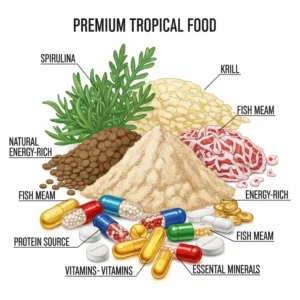
Direct Costs:
- Product purchase price per unit
- Storage equipment and supplies
- Feeding equipment and accessories
- Replacement and maintenance costs
Indirect Costs:
- Water quality management expenses
- Disease treatment and prevention costs
- Equipment wear and replacement
- Time investment for feeding and maintenance
Benefit Quantification:
- Fish health improvements and reduced mortality
- Enhanced coloration and appearance
- Increased breeding success and offspring quality
- Reduced maintenance requirements and costs
Return on Investment Analysis: Premium tropical fish food often provides superior returns through reduced disease costs, improved fish performance, and decreased maintenance requirements. Calculate ROI based on specific goals and priorities.
Decision Criteria Weighting
Essential Criteria (Must-Have):
- Species-appropriate nutrition and safety
- Proven track record and reliable availability
- Acceptable cost within budget constraints
- Compatibility with existing feeding systems
Important Criteria (Should-Have):
- Enhanced nutritional benefits and performance
- Convenient packaging and storage features
- Positive customer reviews and recommendations
- Manufacturer reputation and support
Desirable Criteria (Nice-to-Have):
- Premium ingredients and advanced formulations
- Specialized features for specific applications
- Environmental sustainability and ethical sourcing
- Innovative packaging and convenience features
Implementation Strategy Development
Phase 1: Research and Selection (Week 1-2)
- Evaluate current feeding situation and identify improvement opportunities
- Research available tropical fish food options and gather product information
- Compare options using decision criteria framework
- Select primary product and backup alternatives
Phase 2: Transition Planning (Week 3-4)
- Develop feeding schedule and portion control strategies
- Acquire necessary feeding equipment and storage solutions
- Plan gradual transition from current food to new product
- Establish monitoring protocols for fish health and behavior
Phase 3: Implementation and Monitoring (Week 5-8)
- Begin gradual transition to new tropical fish food
- Monitor fish acceptance, behavior, and health indicators
- Adjust feeding techniques based on observed results
- Document outcomes and refine feeding protocols
Phase 4: Optimization and Long-term Management (Week 9+)
- Evaluate results against original goals and expectations
- Make adjustments to feeding strategies based on outcomes
- Develop long-term supply and storage management plans
- Establish regular review cycles for continued optimization
Budget Planning and Financing Options
Annual Budget Planning: Estimate annual tropical fish food requirements based on fish population, feeding frequency, and product selection. Include storage, equipment, and incidental costs in budget calculations.
Bulk Purchasing Strategies: Large containers often provide better value per unit while requiring higher initial investment. Consider storage limitations, shelf life, and usage rates when evaluating bulk options.
Seasonal Considerations: Fish feeding requirements vary seasonally, with higher consumption during warmer months and breeding seasons. Plan inventory accordingly to avoid shortages or waste.
Emergency Reserves: Maintain emergency tropical fish food supplies to prevent feeding disruptions during supply chain issues or product recalls. Store emergency supplies separately with extended shelf life products.
Measuring Success and ROI
Health Metrics:
- Disease incidence and treatment costs
- Fish mortality rates and causes
- Growth rates and development milestones
- Breeding success and offspring quality
Performance Indicators:
- Fish coloration and appearance improvements
- Feeding behavior and appetite changes
- Activity levels and social interactions
- Water quality stability and maintenance requirements
Financial Outcomes:
- Total feeding costs compared to previous methods
- Health care cost reductions and savings
- Equipment efficiency and replacement intervals
- Overall aquarium maintenance time and costs
Satisfaction Measures:
- Aquarist satisfaction with feeding routines
- Fish behavior and appearance improvements
- Visitor reactions and compliments
- Achievement of specific goals and objectives
Frequently Asked Questions
❓ How often should I feed tropical fish food to my fish?
❓ What tropical fish food ingredients should I avoid?
❓ Can I mix different types of tropical fish food together?
❓ How long does tropical fish food stay fresh after opening?
❓ What's the difference between expensive and cheap tropical fish food?
Recommended for You
Looking for more expert aquarium advice? Check out these related articles:
- 7 Best Puffer Fish Food Options For Healthy Teeth & Vibrant Colors in 2025
- 10 Best Kens Fish Food Options That Boost Fish Health in 2025
Conclusion: Choosing the Perfect Tropical Fish Food
Selecting the right tropical fish food represents one of the most important decisions aquarists make for their aquatic companions. Throughout this comprehensive guide, we’ve explored the science behind fish nutrition, analyzed top-performing products, and provided practical frameworks for making informed decisions.
The key takeaway is that quality tropical fish food pays dividends through improved fish health, enhanced coloration, and reduced maintenance requirements. While premium products require higher initial investment, they typically provide superior value through better nutrition and fewer health issues.
Remember that successful fish keeping involves more than just selecting good tropical fish food – proper feeding techniques, storage practices, and regular monitoring all contribute to optimal outcomes. Start with quality products like TetraColor Tropical Flakes or Ultra Fresh Micro Pellets, then adjust based on your specific fish species and aquarium requirements.
Most importantly, observe your fish closely and be willing to adapt your feeding strategy based on their response. Healthy, vibrant fish reward proper nutrition with stunning colors, active behavior, and years of enjoyment.
Transform Your Aquarium Today! 🌈
Ready to see dramatic improvements in your fish’s health and coloration? The tropical fish food products featured in this guide represent the finest options available to aquarists today. Your fish deserve premium nutrition that enhances their natural beauty while supporting optimal health. Click on any highlighted product to check current Amazon pricing and start your journey toward a more vibrant aquarium!
Disclaimer: This article contains affiliate links. If you purchase products through these links, we may earn a small commission at no additional cost to you.
✨ Found this helpful? Share it with your friends! 💬🤗
