
In This Article
Xtreme fish food is a line of pellets, flakes and wafers made by Xtreme Aquatic Foods, a Florida-based tropical fish farm brand. Its formulas lean on marine proteins like krill, shrimp and squid, plus spirulina and a vitamin pack, and they’re built around a 1.5mm slow-sinking pellet that scales up and down by fish size.
That’s the textbook answer. The real answer is more fun. Walk into any aquarium forum and you’ll find people who treat this stuff like a secret handshake, and others who shrug and say it’s “a decent food” like a hundred others. Both camps have a point, and this guide sits honestly in the middle.
Here’s the pitch. The brand’s own material says it comes from more than 45 years of fish-keeping, and the headline ingredient across most of the line is krill, a tiny crustacean that’s rich in protein and carotenoid pigments. That’s why so many hobbyists reach for Xtreme fish food when they want brighter reds, oranges and blues without dyes.
Now the caveat. I haven’t fed these to your fish, and nobody can promise color miracles. What I can do is dig into the real specs, the real ingredient panels, and the aggregated sentiment from reviewers and hobbyists, then translate it into decisions. By the end, you’ll know which of the seven picks below suits your tank, which ones to skip, and how to avoid the classic beginner trap of feeding too much. Let’s get into it.
Quick Comparison Table: Xtreme Fish Food at a Glance
Before the deep dive, here’s the cheat sheet. Review sentiment below is qualitative and drawn from the retail listings and hobbyist discussions I could find, not from a verified star average.
| Product | Form & Size | Key Spec | Review Sentiment | Best For |
|---|---|---|---|---|
| Xtreme Community Peewee 1.5mm Pellets | Slow-sinking pellet, 1.5mm | 38% min. crude protein | Positive; color gains reported | Mixed community tanks |
| Xtreme Cichlid Peewee 1.5mm Pellets | Slow-sinking pellet, 1.5mm | 38% min. crude protein | Mostly positive; some mixed | Small to medium cichlids |
| Xtreme Big Fella 3.0mm Pellets | Slow-sinking pellet, 3.0mm | Same formula, bigger pellet | Positive among cichlid keepers | Medium to large cichlids |
| Xtreme Monster 9.0mm Pellets | Slow-sinking pellet, 9.0mm | Marine-protein focus | Positive; limited sample | Large, voracious fish |
| Xtreme Community Crave Flakes | Flake | Spirulina and krill blend | Very positive on retailer page | Mixed community, flake eaters |
| Xtreme Nano Pellets | Sinking pellet, 0.5mm | Krill-based | Positive; small sample | Nano fish and shrimp |
| Xtreme Scrapers Wafers | Fast-sinking wafer, 13-14mm | Pea, fish, kelp, spirulina blend | Not verified | Plecos, catfish, loaches |
Look at the table and one pattern jumps out: Xtreme isn’t one food, it’s one recipe philosophy sold in different shapes. If your fish are small-mouthed, the Xtreme Nano Pellets and Xtreme Community Crave Flakes make sense. If your fish are big, the Xtreme Big Fella 3.0mm Pellets and Xtreme Monster 9.0mm Pellets are the obvious step up. Bottom-dwellers get their own wafer in the Xtreme Scrapers Wafers, so you’re not hoping a pellet makes it past the greedy midwater crowd.
💬 Just one click — help others make better buying decisions too!😊
Top 7 Xtreme Fish Food Picks: Expert Analysis
Quick note on method. Everything below comes from published product specs, ingredient panels, and aggregated review and forum sentiment. Where I couldn’t verify something, I say so. Prices are ballpark ranges only, so check current price before you buy.
1. Xtreme Community Peewee 1.5mm Pellets — best everyday staple for community tanks
The standout here is simplicity: one small, slow-sinking pellet that a mixed tank can actually share.
The label lists a minimum of 38% crude protein, 5% crude fat, and a maximum of 6% fiber and 12% moisture. Krill meal leads the ingredient panel, followed by shrimp and squid meals and pea protein. In practice, that marine-first order means you’re paying for animal protein up front, not cheap filler. The 1.5mm size suits fish with mouths about the size of a small tetra and up; tiny fry or nano species may need the pellets crushed.
Here’s my honest take. This is the “default” pick if you keep a mixed community and want one food that covers the middle of the water column and the bottom. Because it sinks slowly, shy feeders get a second shot at it after the bold ones have grabbed their share.
Aggregated review sentiment on the retail listing is upbeat, with one buyer crediting the switch for noticeably better fish color. On the flip side, a few forum hobbyists say the pellets didn’t suit their fish or sank oddly, so watch your own tank’s response for the first week. Also note that some retailers list this formula under the newer “NICE” name.
Pros:
- ✅ Marine proteins lead the ingredient list
- ✅ Slow sink serves mid-water and bottom fish
- ✅ Bulk sizes lower the cost per feeding
Cons:
- ❌ Contains grain-based ingredients like rice flour and wheat starch
- ❌ A few hobbyists report fish refusing it
Price check: small bags sit in the budget range, while the 72oz bulk size costs noticeably more up front, so check current price. Value verdict: strong, if your fish accept it.
2. Xtreme Cichlid Peewee 1.5mm Pellets — best for small to medium cichlids
The pitch is cichlid-first nutrition in a pellet that doesn’t rocket to the bottom.
The guaranteed analysis on the retailer listings I reviewed matches the community version: 38% minimum protein, 5% fat, 6% fiber maximum. So what’s the difference? Mostly positioning and, according to the manufacturer, the same core recipe that’s fed daily to more than 500,000 fish on its Florida farms. That’s a brand claim, not an independent audit, so weigh it accordingly.
Here’s what the spec sheet won’t tell you, but hobbyist reports suggest: cichlid keepers like it because it doesn’t seem to cloud the water. One forum member who feeds it across South American, West African and shell-dweller tanks reports no cloudy water and a good ingredient list after about a year. Another thread counters that there’s not much separating it from the many other premium brands, and that some fish loved it while others didn’t.
That’s actually useful. It tells you this isn’t magic, it’s a solid, marine-heavy staple that suits many but not all fish.
Pros:
- ✅ Marine-first formula suits carnivorous cichlids
- ✅ Reported to keep water clear when fed sensibly
- ✅ Multiple sizes from small trial bags to bulk
Cons:
- ❌ Label looks nearly identical to the community version
- ❌ Some fish are reported to ignore it
Price check: trial sizes are inexpensive, and bulk costs more. Value verdict: buy a small bag first, then scale up once your fish approve.
3. Xtreme Big Fella 3.0mm Pellets — best for medium to large cichlids
This is the same recipe as the smaller pellets, just scaled to a 3.0mm bite.
The manufacturer states it’s the same formula as the 1.5mm pellet, with feeding guidance of two to three times daily, as much as your fish will eat in two to three minutes. That’s solid, conservative advice, and it matches general aquarium wisdom.
My analysis: for a tank of mid-sized African cichlids, the larger pellet means each bite delivers more nutrition per chase, and big fish don’t waste energy picking at microscopic pieces. It’s also slow-sinking, so fish that feed at different depths all get a shot.
Review sentiment is reliably warm among cichlid owners. Several describe their Africans devouring it, and one reviewer compared it favorably against a medicated food their cichlids rejected. One honest caveat from a long-time grain-free feeder: this food contains grains, so they use it as a supplement rather than a sole diet. Another buyer wondered whether a packaging change meant a different product, so if packaging looks different, check the label against the product page.
Pros:
- ✅ Pellet size suits larger mouths
- ✅ Feeding instructions are clear and conservative
- ✅ Cichlid keepers report strong feeding response
Cons:
- ❌ Contains grains, a dealbreaker for strict grain-free feeders
- ❌ Packaging variations reported by some buyers
Price check: mid-range for a premium cichlid pellet, with larger bags costing more. Value verdict: good, especially as a staple rotated with other foods.
4. Xtreme Monster 9.0mm Pellets — best for big, hungry predators
Think of this as the heavyweight division: a 9.0mm slow-sinking pellet for large cichlids and voracious eaters.
It’s marketed as a marine-protein-forward food and, notably, as a convenient alternative to feeder fish. That last point matters more than it sounds. Feeder fish can introduce disease and pollute your tank, so a pellet that big predators will actually eat is a genuine upgrade for safety and convenience.
Frankly, I couldn’t verify a full guaranteed analysis for this specific size in my research, so I won’t pretend it matches the smaller pellets. The listing describes marine protein emphasis, and that’s all I can responsibly say. If the numbers matter to you, check the label on the bag.
Sentiment is thin but positive. One buyer says they use it in all of their tanks regardless of fish size, which tells you the pellet is palatable even though it’s far larger than needed for small fish. That said, most small fish can’t swallow a 9mm pellet whole, so it’s a niche pick.
Pros:
- ✅ Sized for large predators and monster fish
- ✅ Convenient alternative to feeder fish
- ✅ Slow-sinking for easy feeding
Cons:
- ❌ Far too big for most community fish
- ❌ Limited verified review data
Price check: priced in the mid-to-upper range per bag, so check current price. Value verdict: great if you keep large fish, wasteful otherwise.
5. Xtreme Community Crave Flakes — best flake for mixed community tanks
The big idea is a flake that crumbles to the right size and, per the maker, doesn’t cloud the water when fed as directed.
The product is described as a spirulina and krill blend, with a quoted 60% spirulina and 40% krill split. One reviewer disputes that ratio, saying it reads closer to mostly krill. The ingredient panel on a retailer listing I checked also includes fish meal, soy, and preservatives such as ethoxyquin and TBHQ, which some hobbyists prefer to avoid. That’s a fair thing to weigh.
Here’s the analysis. Flakes are the easiest food to overfeed, because the pinch you drop looks tiny and the tank quietly pays for it later. The big, crisp flakes here are easy to break into portion-sized bits, which helps. On sentiment, the product page at Aquarium Co-Op shows roughly 96% five-star ratings across about 190 reviews, though that’s a specialty retailer’s own page, not a neutral average. Reviewers mention mollies, guppies, angels, gouramis, and even a silver dollar that ignored other flakes but took these.
Pros:
- ✅ Large flakes crumble to custom sizes
- ✅ Wide acceptance across community species
- ✅ Strong retailer-page review sentiment
Cons:
- ❌ Ratio of krill to spirulina is debated by buyers
- ❌ Includes common preservatives some avoid
Price check: small jars land around the $10 neighborhood at specialty shops, with larger jars costing more. Value verdict: excellent for a daily flake.
6. Xtreme Nano Pellets — best for tiny fish and shrimp
Here the standout is size: a 0.5mm sinking pellet that nano mouths can actually handle.
The listing describes a krill-based, high-protein formula in a 9oz container, aimed at nano and small community fish. I couldn’t find a full guaranteed analysis, so I’ll stay in my lane and not invent one.
Why this matters: most “small fish” pellets are still too large for rasboras, micro rasboras, or shrimp, which means half the food gets ignored and ends up fouling the substrate. A 0.5mm pellet solves the portion problem, and because it sinks, shrimp and bottom-hugging nano species get their share.
One reviewer reports that nano fish and shrimp “go nuts” for it, which aligns with the idea that the tiny pellet is acceptable to both. The sample is small, though, so treat it as encouraging rather than conclusive. Keep in mind that a sinking pellet won’t suit surface-feeding fish that expect floating food.
Pros:
- ✅ Tiny 0.5mm size fits nano mouths
- ✅ Sinks to reach shrimp and bottom feeders
- ✅ Krill-based formula for protein
Cons:
- ❌ Surface feeders may overlook sinking pellets
- ❌ Limited verified reviews and specs
Price check: small container, so cost per ounce runs higher, but a little goes a long way. Value verdict: good for nano tanks.
7. Xtreme Scrapers Wafers — best for plecos, catfish and loaches
Its signature is a large, fast-sinking 13-14mm wafer, so bottom-dwellers get fed where they naturally eat.
The listing describes a blend of green peas, fish, herring, kelp, shrimp and spirulina, which means a mix of plant and marine nutrition. The brand also says finicky fish like knife fish and silver dollars will accept them.
My take: bottom feeders are the most commonly underfed fish in community tanks, because pellets and flakes get intercepted by midwater fish before they reach the substrate. A dense, fast-sinking wafer fixes that. Feed after the lights go out for nocturnal species, and remove leftovers after a few hours, since wafers dissolve into a messy film if ignored.
I couldn’t verify a strong body of Amazon review data for this specific item, so I’m not going to fabricate sentiment. Specialty retailers also carry an Xtreme bottom wafer, which suggests steady demand, but I can’t confirm it’s identical to this product.
Pros:
- ✅ Fast sink gets food to the substrate
- ✅ Plant and marine ingredient blend
- ✅ Accepted by some picky species per the listing
Cons:
- ❌ Easy to overfeed and foul the tank
- ❌ Review data was hard to verify
Price check: mid-range for a wafer. Value verdict: good for dedicated bottom-feeder tanks.
Top 7 Specs and Price Ranges Compared
Here’s the second comparison, this time focused on practical differences and relative cost. Price tiers are approximate and based on typical sizes. Check current price before buying.
| Product | Typical Fish Size | Sink Rate | Relative Cost | Best For |
|---|---|---|---|---|
| Xtreme Community Peewee 1.5mm Pellets | Small to medium | Slow | Budget to mid | Everyday community feeding |
| Xtreme Cichlid Peewee 1.5mm Pellets | Small to medium cichlids | Slow | Budget to mid | Carnivorous cichlid staples |
| Xtreme Big Fella 3.0mm Pellets | Medium to large | Slow | Mid | Growing African cichlids |
| Xtreme Monster 9.0mm Pellets | Large predators | Slow | Mid to upper | Monster fish |
| Xtreme Community Crave Flakes | All community sizes | Floating, then sinks | Budget | Daily flake feeding |
| Xtreme Nano Pellets | Nano | Sinking | Mid per ounce | Tiny fish and shrimp |
| Xtreme Scrapers Wafers | Bottom feeders | Fast | Mid | Plecos and loaches |
The takeaway is that you rarely need all seven. A typical mixed tank does well with the Xtreme Community Crave Flakes plus the Xtreme Community Peewee 1.5mm Pellets, then adds the Xtreme Scrapers Wafers if bottom-dwellers are present. Cichlid keepers can swap in the Xtreme Cichlid Peewee 1.5mm Pellets or Xtreme Big Fella 3.0mm Pellets, depending on fish size. The Xtreme Monster 9.0mm Pellets and Xtreme Nano Pellets are specialist picks at opposite ends of the size spectrum.
💬 Just one click — help others make better buying decisions too!😊
Features That Actually Matter in Xtreme Fish Food (And Those That Don’t)
Fish food marketing is a carnival. Let’s separate the signal from the sparkle.
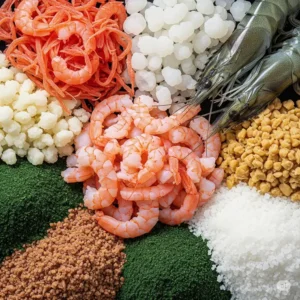
Matters: ingredient order. Ingredients are listed by weight, so a panel that opens with krill meal, shrimp meal and squid meal tells you marine protein dominates. That’s a real difference from foods that lead with wheat or fillers. The Xtreme pellet panels I reviewed open this way, which is a legitimate point in their favor.
Matters: pellet size and sink rate. A perfect recipe is useless if your fish can’t eat it. Match the pellet to the mouth, and match the sink rate to where your fish feed. Slow-sinking pellets give midwater and bottom fish time to eat; fast wafers serve the bottom.
Matters: honest label data. A guaranteed analysis like 38% minimum protein, 5% minimum fat and 6% maximum fiber is useful because it’s measurable. Be wary of products with beautiful marketing and no numbers.
Doesn’t matter as much: slogans. Phrases like “USA farm grown” and “max protein” make nice packaging but tell you little about how your fish will respond. The same goes for 45 years of experience; it’s reassuring, not a performance guarantee.
Depends: grains and preservatives. Xtreme pellets include rice flour and wheat starch, and the flake panel I checked lists ethoxyquin and TBHQ. If you want grain-free or preservative-free, that matters. If you’re a typical community keeper, many hobbyists consider these acceptable.
For context on how a respected retailer curates its foods, see how Aquarium Co-Op approaches its Xtreme selection, including its flakes, pellets and wafers side by side.
How to Choose Xtreme Fish Food: 6 Steps
Picking the right product comes down to a short checklist. Work through it in order.
- Identify your fish’s mouth size. Match pellet size to the smallest mouth in the tank. A 1.5mm pellet suits most community fish, 3.0mm suits larger cichlids, and 0.5mm suits nano species.
- Decide where your fish feed. Surface and midwater fish do well with flakes; bottom-dwellers need wafers or sinking pellets so food actually reaches them.
- Match diet type. Carnivores like cichlids lean toward marine-heavy pellets; herbivores and omnivores benefit from spirulina-rich flakes and plant-based wafers.
- Check the label, not just the headline. Read the guaranteed analysis and ingredient order. If you avoid grains or preservatives, confirm before you buy.
- Start small. Buy the smallest size first and watch your fish’s response for a week. Appetite and stool are your feedback.
- Plan for variety. Even a great staple benefits from rotation with other foods, which reduces the risk of nutritional gaps.
Notice how that sequence puts your fish first and the brand second. That’s the point. The best Xtreme fish food is the one your specific fish actually eat and thrive on.
Xtreme Fish Food Pellets vs Flakes vs Wafers
Choosing among forms is where many buyers stumble, so let’s compare them head to head.
Pellets are the workhorses. Slow-sinking pellets such as the Xtreme Community Peewee 1.5mm Pellets hold together in water, deliver dense nutrition per bite, and are easy to portion. The downside: some fish can’t or won’t chew them, a complaint that shows up in hobbyist discussions.
Flakes like the Xtreme Community Crave Flakes are the easy, flexible option. They spread across the surface and midwater, and you can crumble them for smaller fish. The catch is portion control; flakes are the easiest food to overfeed, and uneaten flakes break down quickly.
Wafers such as the Xtreme Scrapers Wafers exist for the bottom of the tank. They deliver a lot of food in a compact, fast-sinking package that shy or nocturnal fish can reach.
| Feature | Pellets | Flakes | Wafers |
|---|---|---|---|
| Water column | Mid to bottom | Surface to mid | Bottom |
| Portion control | Easy | Hard | Easy |
| Best for | Cichlids, community | Small community fish | Plecos, loaches |
| Main risk | Too hard for some | Overfeeding | Fouling if ignored |
Reading that table, pellets win for control and flakes win for flexibility, while wafers fill a niche nothing else covers as well. Most healthy tanks use two forms, not one.
Xtreme Fish Food vs Budget Grocery-Store Alternatives
How does a premium brand compare with the generic flakes on a big-box shelf? Here’s a general-category comparison, not a claim about any one competitor.
| Factor | Xtreme-Style Marine Formulas | Typical Budget Flakes |
|---|---|---|
| Lead ingredient | Often krill or marine meal | Often grain or generic fish meal |
| Label transparency | Guaranteed analysis shown | Varies |
| Cost per ounce | Higher | Lower |
| Specialized forms | Nano, wafer, large pellet | Mostly one flake |
| Best For | Fish you want to feed well | Short-term or low-stakes use |
Here’s the analysis. The premium approach costs more per ounce but may cost less per useful feeding, because dense foods can mean smaller portions and less waste. Budget flakes make sense for hardy fish or temporary setups, but if you keep demanding species or want strong color, a marine-forward food like the Xtreme Community Crave Flakes is the more thoughtful pick.
What to Expect: Real-World Performance
Let’s translate specs into everyday life.
Week one. Expect a settling-in period. Some fish dive straight in; others inspect the new pellet like a suspicious customer at a buffet. Don’t panic if the Xtreme Community Peewee 1.5mm Pellets get ignored for a day or two. Hungry fish adapt.
Weeks two to four. This is when reviewers report changes in activity and color. The brand says you’ll notice a difference in about 14 days, but treat that as a marketing timeline, not a promise. Color depends on genetics, lighting, water quality and age as much as food.
Water quality. Reviewers of the cichlid pellets report clear water when feeding sensibly, and the maker says the Xtreme Community Crave Flakes don’t cloud water when used as directed. The honest corollary: any food clouds water if you overfeed it.
Mixed reactions are normal. A forum thread on the brand includes a hobbyist who found the pellets too hard for their fish and didn’t see them sink, switching to another brand while keeping the Xtreme Spirulina Flake. That’s one data point, not a verdict, but it’s a reminder to trial before committing to bulk.
Longevity of results. A good staple shows its worth over months, in steady growth, active feeding and clean water. If your fish stay lively and your tank stays clear, the food is doing its job.
Common Mistakes When Buying Xtreme Fish Food
Even good food gets wasted by bad decisions. Here are the pitfalls I’d watch for.
Buying bulk before trialing. The 72oz bag is a bargain per ounce only if your fish eat it. Start small.
Ignoring pellet size. A 3.0mm pellet in a tank of tetras is a recipe for leftovers. Match size to mouth.
Assuming every Xtreme product is the same. The Xtreme Community Peewee 1.5mm Pellets and Xtreme Scrapers Wafers have different jobs. Check the form and the listed ingredients.
Skipping the label. If you avoid grains, soy or certain preservatives, read the ingredient panel. Listings differ between products, and the flake panel I reviewed contains items the pellet panel doesn’t.
Falling for the “only food you’ll ever need” myth. Even comprehensive formulas benefit from rotation. Retailers that curate fish foods commonly note that feeding one food forever invites nutritional gaps.
Not checking packaging and freshness. One buyer questioned a packaging change, which is a reasonable instinct. If something looks off, compare the label to the product page and contact the seller.
Chasing color promises. No food guarantees color. Treat claims as potential, not a promise.
Xtreme Fish Food for Specific Audiences
Different keepers need different strategies, so here’s tailored advice.
Beginners. Start with the Xtreme Community Crave Flakes for easy, forgiving daily feeding, and add the Xtreme Community Peewee 1.5mm Pellets once you understand portions. Keep it simple: one flake, one pellet.
Cichlid keepers. Cichlids are a huge, diverse family, so food needs vary by species. For small to medium fish, the Xtreme Cichlid Peewee 1.5mm Pellets is the logical starting point; larger fish move up to the Xtreme Big Fella 3.0mm Pellets. Rotate in other foods to broaden nutrition.
Nano and shrimp keepers. The Xtreme Nano Pellets are the obvious choice, because standard pellets are simply too big.
Bottom-dweller fans. Pair the Xtreme Scrapers Wafers with lights-out feeding so plecos and loaches aren’t outcompeted.
Predator keepers. The Xtreme Monster 9.0mm Pellets is built for you, and it spares you the risks of feeder fish.
Budget-conscious buyers. Bulk pellets cut cost per feeding if your fish accept them, but only after a small trial confirms acceptance.
Long-Term Cost and Maintenance of Xtreme Fish Food
Sticker price is only half the story. Total cost depends on how much food you waste and how long it lasts.
Cost per feeding. A larger bag costs more upfront but usually less per ounce. If your fish accept the food, bulk is the better long-term value, especially for the Xtreme Community Peewee 1.5mm Pellets and Xtreme Big Fella 3.0mm Pellets. If they don’t, it’s an expensive lesson.
Waste is the hidden cost. Overfeeding wastes food, spoils water, and drives up your filter maintenance and water-change workload. Dense, marine-heavy pellets can mean smaller portions, but only if you actually feed small portions.
Storage matters. Store food sealed, cool and dry, away from sunlight and humidity. Moisture and heat degrade vitamins, particularly vitamin C, which is fragile. Buy sizes you’ll finish within a few months rather than stockpiling.
Maintenance synergy. Good feeding reduces maintenance. Less waste means fewer ammonia and nitrate spikes, cleaner glass and less algae. That’s a real, if indirect, return on a quality food.
Rotation extends value. Pairing a flake, a pellet and an occasional treat such as Xtreme Wrigglers can reduce the risk of boredom and nutrient gaps. Rotation costs a bit more in variety but protects your fish’s long-term health.
✨ Don’t Miss These Exclusive Deals!
🔍 Take your fish-feeding routine to the next level with these carefully selected foods. Click on any highlighted item to check current pricing and availability. The right match can help you build a healthier, more colorful aquarium your whole family will love!
Practical Feeding Guide: Schedule, Portions and Storage
This is where good food becomes good results. Follow this step-by-step routine.
Step 1: Start with the two-to-three-minute rule. The manufacturer’s guidance for the Xtreme Big Fella 3.0mm Pellets is to feed two to three times daily, an amount your fish eat in two to three minutes. Most aquarium guidance echoes this rule of thumb.
Step 2: Weigh it against fish type. Juveniles and fry benefit from smaller, more frequent meals, while many adult fish do fine with once or twice daily. Larger cichlids may appreciate more frequent feeding.
Step 3: Add a fasting day. One light or fasting day a week supports digestion for many species and offers a buffer against overfeeding.
Step 4: Feed bottom-dwellers separately. Drop the Xtreme Scrapers Wafers after lights out so nocturnal fish can eat without competition, then remove leftovers after a few hours.
Step 5: Watch for warning signs. Cloudy water, algae blooms, snail explosions, and uneaten food on the bottom signal you’re overfeeding. Aquaculture guidance such as the FAO’s fish-care manual repeats the same warning: feed regularly, but don’t overfeed.
Step 6: Common first-30-days mistakes. Switching foods too abruptly, feeding too much while fish adjust, and judging the food on day one. Transition gradually by mixing old and new food over several days.
Step 7: Store properly. Reseal tightly, keep it cool and dry, and use within a few months of opening.
Real-World Scenarios: Matching Xtreme Fish Food to Your Tank
Specs are abstract; tanks are concrete. Here are three profiles.
Scenario 1: The apartment community tank. You keep a 29-gallon with tetras, rasboras, a few corydoras and a pair of mollies, and you want simple, low-mess feeding. A sensible plan: the Xtreme Community Crave Flakes each morning, the Xtreme Community Peewee 1.5mm Pellets in the evening, and a few Xtreme Scrapers Wafers after lights out for the corys. Budget stays modest because you buy small sizes first.
Scenario 2: The African cichlid tank. You run a 75-gallon with mixed mbuna and want strong growth and activity. Feed the Xtreme Big Fella 3.0mm Pellets as a staple, and consider a grain-free food as a rotation partner, as one reviewer does. Feed in measured portions twice daily, with a weekly fasting day. This setup costs more but suits hungry, active fish.
Scenario 3: The nano shrimp tank. You have a 10-gallon with chili rasboras and cherry shrimp. The Xtreme Nano Pellets are the practical choice, offered in tiny pinches a few times a week, supplemented by the Xtreme Community Crave Flakes crushed fine. Costs are minimal, but precision matters.
Notice the pattern: in each case, tank size, fish type and feeding habits drive the choice. The brand’s job is to fit your situation, not the other way around.
Problem and Solution Guide for Xtreme Fish Food
Even good food runs into problems. Here are the common ones and how to handle them.
Problem: My fish ignore the pellets. Solution: Give them a few days, mix a small amount of the new pellet with the old food, and soak the pellet briefly to soften it. Some hobbyists report that certain fish struggle with firm pellets, so crushing or soaking can help. If refusal persists, try the Xtreme Community Crave Flakes instead.
Problem: My water is cloudy. Solution: Cut portions, remove leftovers and test your water. Cloudiness usually points to overfeeding, not the food itself.
Problem: Bottom feeders go hungry. Solution: Add the Xtreme Scrapers Wafers after lights out, so midwater fish don’t intercept the meal.
Problem: Pellets are too big for my small fish. Solution: Drop to the 1.5mm Xtreme Community Peewee 1.5mm Pellets or the 0.5mm Xtreme Nano Pellets, or crush larger pellets.
Problem: I want grain-free or preservative-free feeding. Solution: Read each label carefully. The pellet panels reviewed include rice flour and wheat starch, and the flake panel reviewed lists preservatives. Rotate with another food that fits your preferences.
FAQ: Xtreme Fish Food
❓ Is Xtreme fish food good for African cichlids?
❓ Does Xtreme fish food contain grains?
❓ How long does it take to see results with Xtreme fish food?
❓ Which Xtreme fish food is best for plecos and loaches?
❓ Can I mix Xtreme fish food with other brands?
Conclusion: Is Xtreme Fish Food Worth It in 2026?
Here’s the bottom line. Xtreme fish food earns its reputation honestly, but not magically. The line offers marine-forward formulas, clear guaranteed analysis on the pellets, and a smart range of sizes from the 0.5mm Xtreme Nano Pellets to the 9.0mm Xtreme Monster 9.0mm Pellets. That range alone makes it easy to cover most tanks without buying a different brand for every fish.
It’s also not perfect. The pellets contain grains, the flake panel I reviewed includes preservatives, some hobbyists report fish refusing the pellets, and not every product has deep, verifiable review data. Those aren’t dealbreakers; they’re reasons to buy small, read the label, and watch your fish.
If you want a simple starting recipe, try the Xtreme Community Crave Flakes with the Xtreme Community Peewee 1.5mm Pellets for a community tank, step up to the Xtreme Cichlid Peewee 1.5mm Pellets or Xtreme Big Fella 3.0mm Pellets for cichlids, and add the Xtreme Scrapers Wafers for bottom-dwellers. Feed modestly, rotate foods, and let your fish be the final judge.
✨ Ready to upgrade your feeding routine? 🐠 Check current pricing and availability on the products above, start with a small size, and give your fish a better-fed, more colorful tank this season!
Recommended for You
- 7 Best Exotic Fish Food Options for Ultimate Aquarium Health in 2025
- 7 Best Cichlid Fish Food Options: Ultimate Nutrition Guide for Vibrant Colors & Health 2025
- 7 Best Food Pellets for Fish That Will Transform Your Aquarium in 2025
Disclaimer: This article contains affiliate links. As an Amazon Associate, I earn from qualifying purchases. If you purchase products through these links, we may earn a small commission at no additional cost to you.
✨ Found this helpful? Share it with your friends! 💬🤗
