
In This Article
When I first started keeping fish, I had no idea that something as simple as blood worms for fish could completely revolutionize my aquarium experience. These tiny red treasures have become the secret weapon that experienced aquarists swear by, and once you understand their incredible benefits, you’ll wonder how you ever managed without them.
Blood worms for fish aren’t just another feeding option – they’re a nutritional powerhouse that can transform the health, coloration, and behavior of your aquatic companions. Whether you’re dealing with picky eaters, trying to condition breeding pairs, or simply want to provide the best possible nutrition for your fish, these protein-rich morsels deliver results that speak for themselves.
✨Was this helpful? Spread the word! 🚀
What Are Blood Worms and Why Do Fish Go Crazy for Them? 🐛
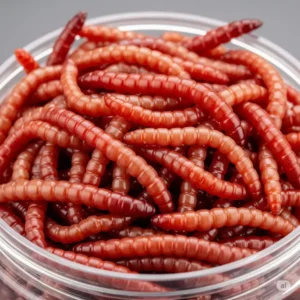
Blood worms for fish are actually the larvae of non-biting midges (Chironomus species), not actual worms at all. These bright red, segmented creatures get their distinctive color from hemoglobin – the same protein that makes our blood red. Interestingly, this adaptation allows them to survive in low-oxygen environments, making them incredibly hardy and nutritious.
In the wild, fish encounter these larvae in muddy lake and pond bottoms, where they burrow and feed on organic matter. This natural behavior explains why virtually all freshwater fish species show an instinctive feeding response to blood worms. The movement, size, and nutritional profile trigger deep-seated hunting instincts that make even the most stubborn fish come alive during feeding time.
Furthermore, the natural habitat of these larvae means they’re packed with essential nutrients that fish need for optimal health. The protein content typically ranges from 55-65%, making them one of the most protein-dense foods available for aquarium fish. Additionally, they contain significant amounts of iron, amino acids, and other trace minerals that support everything from immune function to vibrant coloration.
The Science Behind Blood Worms for Fish Nutrition 🔬
Understanding the nutritional profile of blood worms for fish helps explain why they’re so effective. These larvae contain approximately 62% crude protein, 10% fat, and 2% crude fiber, creating an ideal macronutrient balance for most fish species. The protein quality is exceptional, containing all essential amino acids in proportions that closely match fish requirements.
Moreover, the iron content from their hemoglobin provides benefits beyond just nutrition. Fish utilize this iron for oxygen transport and cellular metabolism, which can improve overall vitality and disease resistance. Research published by the Journal of Fish Biology has shown that fish fed high-quality protein sources like bloodworms demonstrate improved growth rates and enhanced reproductive success.
The digestibility factor also sets blood worms apart from many commercial foods. The soft-bodied nature of these larvae means fish can easily break them down, leading to better nutrient absorption and less waste production in your aquarium. This efficiency translates to cleaner water and healthier fish over time.
Blood worms for fish also contain natural enzymes that can actually aid digestion, particularly beneficial for fish with sensitive digestive systems or those recovering from illness. The combination of high protein content and excellent digestibility makes them an ideal choice for fish of all life stages, from growing juveniles to breeding adults.
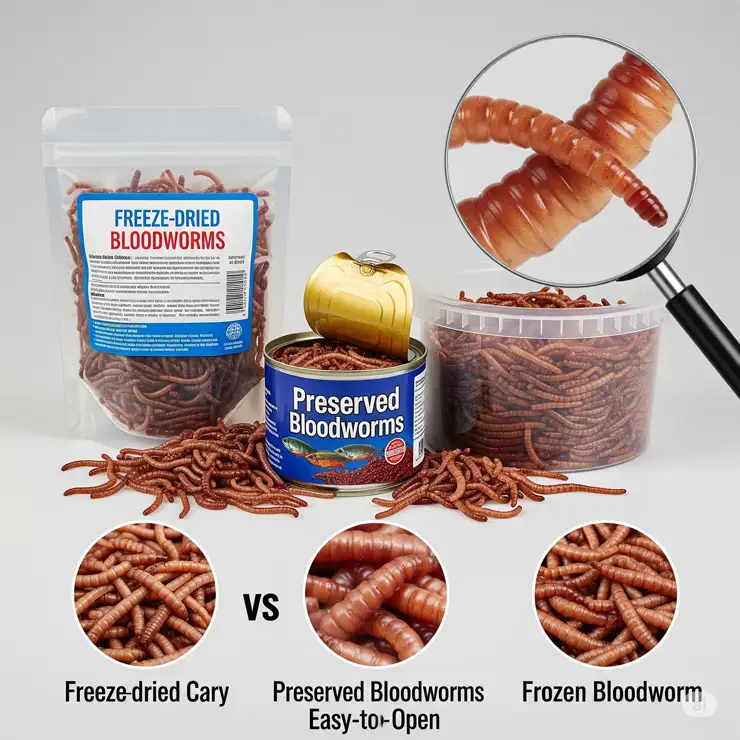
Types of Blood Worms for Fish: Live vs Frozen vs Freeze-Dried 🧊
Live Blood Worms for Fish
Live blood worms for fish offer the ultimate in natural nutrition and feeding stimulation. The movement triggers predatory instincts that frozen alternatives simply can’t match. However, live specimens require careful handling and pose the highest risk of introducing pathogens to your aquarium system.
When sourcing live blood worms, quality matters immensely. Reputable suppliers maintain strict harvesting and storage protocols to minimize disease risk. The Hikari Bio-Pure Frozen Bloodworms provide an excellent alternative that maintains much of the nutritional value while eliminating pathogen concerns.
Live specimens should be rinsed thoroughly before feeding and used within 24-48 hours of purchase. Store them in the refrigerator in clean, dechlorinated water, changing the water daily to maintain freshness.
Frozen Blood Worms for Fish
Frozen blood worms for fish represent the perfect balance between nutrition and convenience. The freezing process eliminates harmful bacteria and parasites while preserving most of the nutritional content. These products typically retain 85-90% of their original nutritional value, making them nearly as beneficial as live specimens.
The Hikari Bio-Pure Frozen Bloodworms stand out as the premium choice in this category. Their gamma-irradiation process ensures complete pathogen elimination while maintaining excellent nutritional integrity. Each cube contains perfectly portioned amounts for easy feeding.
Quality frozen blood worms should have a bright red color and minimal ice crystal formation. Avoid products with excessive ice buildup or dull coloration, as these indicate poor handling or extended storage times.
Freeze-Dried Blood Worms for Fish
Freeze-dried blood worms for fish offer the longest shelf life and greatest convenience factor. The freeze-drying process removes moisture while preserving the cellular structure and most nutrients. However, they do lose some nutritional value compared to live or frozen alternatives.
The Tetra BloodWorms Freeze-Dried product exemplifies quality in this category. The individual worms maintain their shape and nutritional profile better than most competitors. These work exceptionally well for fish that prefer surface feeding or as training treats for shy species.
Rehydration before feeding improves digestibility and reduces the risk of bloating in smaller fish. Simply soak the desired amount in aquarium water for 2-3 minutes before offering to your fish.
Complete Feeding Guide: How to Use Blood Worms for Fish Safely 🍽️
Frequency and Portion Control
Determining the right feeding frequency for blood worms for fish depends on several factors including fish species, size, and life stage. Adult fish typically benefit from bloodworm meals 2-3 times per week, while growing juveniles can handle daily feeding during peak growth periods.
Portion control becomes crucial since blood worms are calorie-dense. A general rule involves feeding only what your fish can consume within 3-5 minutes. Overfeeding leads to water quality issues and potential health problems for your fish.
Breeding fish require special consideration, as blood worms for fish provide the high-protein nutrition necessary for egg production and spawning behavior. During conditioning phases, daily feeding may be appropriate, but monitor water parameters closely to prevent ammonia spikes.
Species-Specific Feeding Recommendations
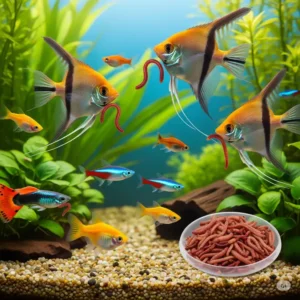
Different fish species show varying preferences for blood worms for fish presentation and feeding methods. Bottom-dwelling species like corydoras and loaches prefer sinking bloodworms, while surface feeders like bettas and gouramis readily accept floating presentations.
Cichlids, particularly larger species, benefit from whole bloodworms that satisfy their predatory instincts. Smaller tetras and rasboras may require chopped bloodworms to prevent choking hazards. Community tanks often work best with a mix of presentation styles to accommodate all inhabitants.
Carnivorous species like angelfish and discus show dramatic improvements in coloration and breeding behavior when blood worms comprise 20-30% of their diet. However, herbivorous species should receive bloodworms only as occasional treats to prevent digestive issues.
Blood Worms for Fish Storage and Safety Guidelines 🛡️
Proper Storage Techniques
Maintaining the quality of blood worms for fish requires specific storage conditions depending on the product type. Frozen bloodworms must remain at consistent freezer temperatures below 0°F (-18°C) to prevent bacterial growth and maintain nutritional integrity.
Never refreeze thawed bloodworms, as this process destroys cellular structure and creates conditions for harmful bacteria. Instead, thaw only the amount needed for immediate use and discard any leftovers within 30 minutes of feeding.
Freeze-dried blood worms for fish require cool, dry storage away from direct sunlight. Proper containers with tight-fitting lids prevent moisture absorption that can lead to spoilage. Most quality products include desiccant packets that should remain in the container throughout the product’s life.
Safety Protocols and Risk Management
While blood worms for fish offer excellent nutrition, they do carry some inherent risks that responsible fishkeepers must address. Wild-harvested specimens may contain parasites, bacteria, or environmental contaminants that can harm aquarium fish.
Quality commercial products undergo processing to eliminate these risks. The Omega One Freeze-Dried Bloodworms exemplify this approach with their rigorous quality control measures and pathogen elimination protocols.
Always source blood worms from reputable suppliers who provide detailed information about harvesting and processing methods. Avoid products with unclear origins or those sold at suspiciously low prices, as these often indicate compromised quality control.
Comparison Table: Best Blood Worms for Fish Products 📊
| Product | Type | Protein Content | Safety Rating | Price Range | Best For |
|---|---|---|---|---|---|
| Hikari Bio-Pure Frozen | Frozen | 62% | ⭐⭐⭐⭐⭐ | $8-12 | All fish types |
| Tetra BloodWorms Freeze-Dried | Freeze-dried | 58% | ⭐⭐⭐⭐ | $6-10 | Surface feeders |
| Omega One Freeze-Dried | Freeze-dried | 60% | ⭐⭐⭐⭐⭐ | $10-15 | Community tanks |
| San Francisco Bay Frozen | Frozen | 59% | ⭐⭐⭐⭐ | $7-11 | Breeding pairs |
| Fluker’s Freeze-Dried | Freeze-dried | 55% | ⭐⭐⭐ | $5-8 | Budget option |
💬 Just one click – help others make better buying decisions too!😊
🛒 Ready to Transform Your Fish’s Health?
Discover why thousands of aquarists trust these premium blood worms products. Each recommendation has been carefully selected based on nutritional value, safety standards, and real-world results. Click any highlighted product name to check current availability and pricing! ⭐
Health Benefits: How Blood Worms for Fish Improve Aquarium Life 🏥
Enhanced Coloration and Vitality
One of the most noticeable benefits of feeding blood worms for fish involves the dramatic improvement in coloration. The high protein content and natural pigments work together to enhance the vibrancy of your fish’s natural colors. This effect becomes particularly pronounced in species like bettas, cichlids, and goldfish.
The iron content from hemoglobin plays a crucial role in this coloration enhancement. Fish utilize this iron for various metabolic processes that directly impact their appearance and overall vitality. Regular feeding of quality bloodworms can transform dull, lackluster fish into vibrant, active specimens that become the centerpiece of any aquarium.
Additionally, the complete amino acid profile supports healthy scale and fin development. Fish receiving adequate high-quality protein show improved fin regeneration, better scale formation, and overall superior physical condition compared to those fed lower-quality alternatives.
Immune System Support
Blood worms for fish provide essential nutrients that support robust immune function. The high-quality protein supplies building blocks for antibody production, while trace minerals support various immune system processes. Fish fed regular bloodworm meals often show increased resistance to common diseases and faster recovery times when illness does occur.
Research from aquatic nutrition specialists indicates that fish receiving varied, high-quality diets including bloodworms demonstrate significantly lower stress markers and improved disease resistance. This translates to fewer health problems and reduced medication needs over time.
The natural enzymes present in blood worms also support digestive health, creating conditions that promote beneficial bacteria growth while discouraging harmful pathogens. This internal balance contributes significantly to overall fish health and longevity.
Breeding and Reproductive Success
For aquarists interested in breeding, blood worms for fish provide essential conditioning nutrition that can mean the difference between successful spawning and reproductive failure. The high protein content supports egg production in females while providing males with the energy needed for territorial behavior and nest building.
Professional breeders consistently report improved breeding success rates when blood worms comprise a significant portion of conditioning diets. The complete nutritional profile supports not just reproduction but also the development of healthy, vigorous offspring with better survival rates.
Timing becomes crucial when using blood worms for breeding conditioning. Most successful breeding programs incorporate daily bloodworm feeding for 2-4 weeks prior to intended spawning, gradually reducing frequency once breeding behavior begins.
Troubleshooting Common Blood Worms for Fish Issues 🔧
Dealing with Picky Eaters
Some fish initially show reluctance to accept blood worms for fish, particularly specimens accustomed to flake or pellet foods. Patience and persistence usually overcome this hesitation, but several techniques can accelerate the transition process.
Mixing small amounts of bloodworms with familiar foods helps fish associate the new item with feeding time. Gradually increasing the proportion of bloodworms over several feeding sessions allows fish to adjust their feeding behavior naturally.
Live or frozen bloodworms often prove more enticing than freeze-dried alternatives for stubborn fish. The movement and scent of higher-quality products trigger stronger feeding responses that can overcome initial hesitation.
Water Quality Considerations
Blood worms for fish can impact water quality if not used properly. The high protein content means uneaten portions decompose quickly, potentially causing ammonia spikes that stress or harm aquarium inhabitants.
Careful portion control prevents most water quality issues. Feed only amounts that fish consume completely within 3-5 minutes, and remove any visible leftovers promptly. Increased filtration and more frequent water changes may be necessary when incorporating bloodworms into regular feeding routines.
Monitor ammonia and nitrite levels closely when first introducing blood worms to your feeding regimen. Most aquariums adjust to the increased bioload within 2-3 weeks, but temporary water parameter fluctuations are normal during this transition period.
Storage and Spoilage Prevention
Proper storage techniques prevent spoilage and maintain the nutritional quality of blood worms for fish. Frozen products require consistent freezer temperatures and should never be allowed to partially thaw and refreeze. This cycle destroys nutritional value and creates conditions for harmful bacterial growth.
Freeze-dried products remain stable for extended periods when stored properly but can absorb moisture from humid environments. Use airtight containers with desiccant packets, and store in cool, dry locations away from direct sunlight.
Signs of spoilage include off odors, unusual coloration, or visible mold growth. When in doubt, discard questionable products rather than risk harm to your fish. Quality bloodworms should have a fresh, slightly fishy smell and maintain their characteristic red coloration.
Advanced Techniques: Maximizing Blood Worms for Fish Benefits 🎯
Creating Balanced Feeding Programs
Successful aquarists develop comprehensive feeding programs that incorporate blood worms for fish as part of a varied, nutritionally complete diet. These programs consider species requirements, life stages, and specific goals like breeding or growth promotion.
A typical balanced program might include bloodworms 2-3 times weekly, supplemented with high-quality flakes or pellets for daily nutrition and occasional treats like brine shrimp or daphnia. This variety prevents nutritional deficiencies while maintaining feeding interest and natural behaviors.
Seasonal adjustments often improve results, with increased bloodworm feeding during spring breeding seasons and reduced portions during cooler months when fish metabolism naturally slows. This approach mimics natural feeding patterns and often produces superior long-term results.
Species-Specific Optimization Strategies
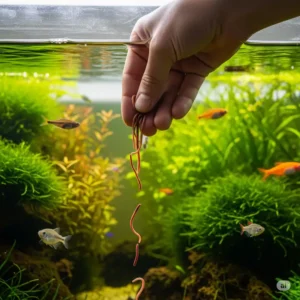
Different fish families require tailored approaches to blood worms for fish feeding for optimal results. Cichlids benefit from larger, whole bloodworms that satisfy their predatory instincts, while smaller tetras and rasboras may require chopped or smaller specimens.
Bottom-dwelling species like corydoras and plecos prefer sinking bloodworm presentations, often mixed with sinking pellets to ensure proper distribution throughout the aquarium. Surface feeders like bettas and gouramis readily accept floating bloodworms but may ignore sinking offerings.
Community tanks present unique challenges requiring multiple feeding strategies to accommodate diverse species needs. Successful community feeding often involves varied presentation methods during single feeding sessions, ensuring all inhabitants receive appropriate nutrition.
🎉 Don’t Miss These Exclusive Deals!
Transform your aquarium with these carefully selected bloodworm products that professional aquarists trust. Click on any highlighted item to check current pricing and availability. These premium options will help you achieve the healthy, vibrant fish you’ve always wanted! 🐠✨
Environmental Impact and Sustainability of Blood Worms for Fish 🌍
Wild Harvesting vs Commercial Production
The sourcing of blood worms for fish raises important environmental considerations that responsible aquarists should understand. Wild harvesting can impact local ecosystems if not managed properly, while commercial production offers more sustainable alternatives with consistent quality control.
Many premium suppliers now utilize controlled aquaculture facilities that produce bloodworms without environmental impact. These operations maintain strict quality standards while protecting wild populations and their habitats. The Hikari Bio-Pure Frozen Bloodworms exemplify this approach with their sustainable production methods.
When selecting bloodworm products, consider suppliers who provide transparency about their sourcing and production methods. Companies that invest in sustainable practices often produce superior products while supporting long-term environmental health.
Supporting Responsible Aquaculture
The aquarium industry’s growing focus on sustainability has led to improved bloodworm production methods that benefit both fish and the environment. Modern aquaculture facilities can produce consistent, high-quality blood worms for fish while minimizing ecological impact.
These controlled environments allow for precise nutritional management and contamination prevention that wild harvesting cannot achieve. The result is safer, more nutritious products that support fish health while protecting natural ecosystems.
Supporting companies that invest in sustainable production encourages industry-wide improvements and helps ensure the long-term availability of quality bloodworm products for future generations of aquarists.
Cost-Effective Strategies for Blood Worms for Fish Feeding 💰
Budget-Friendly Feeding Approaches
Incorporating blood worms for fish into your feeding routine doesn’t require breaking the bank. Strategic purchasing and feeding practices can provide excellent nutrition while managing costs effectively.
Buying frozen bloodworms in bulk often provides significant savings compared to smaller packages. Many aquarium stores offer discounts for multiple-package purchases, and the long freezer life makes bulk buying practical for most aquarists.
Alternating between bloodworms and other protein sources like brine shrimp or quality pellets maintains nutritional variety while controlling costs. This approach often produces better results than exclusive bloodworm feeding while remaining budget-friendly.
Maximizing Nutritional Value per Dollar
Quality matters more than quantity when selecting blood worms for fish products. Premium options like Omega One Freeze-Dried Bloodworms may cost more initially but provide superior nutritional value that often makes them more economical long-term.
Proper storage and handling prevent waste that erodes the value of your bloodworm investment. Following storage guidelines ensures maximum shelf life and maintains nutritional integrity throughout the product’s useful life.
Consider the concentration and processing quality when comparing products. Higher-quality bloodworms provide more nutrition per feeding, often requiring smaller portions that extend product life and improve cost-effectiveness.
Expert Tips from Professional Aquarists 👨🔬
Professional Breeding Insights
Experienced breeders consistently emphasize the importance of blood worms for fish in successful breeding programs. The high protein content and complete amino acid profile provide essential conditioning nutrition that significantly improves breeding success rates.
Professional recommendations typically involve gradually increasing bloodworm feeding frequency 3-4 weeks before intended spawning. This conditioning period allows fish to build energy reserves and develop optimal reproductive condition for successful breeding attempts.
Quality matters immensely in breeding applications, where substandard nutrition can compromise entire breeding projects. Professional breeders consistently choose premium products like Hikari Bio-Pure Frozen Bloodworms for their critical breeding programs.
Competition and Show Preparation
Fish show competitors understand that exceptional coloration and condition often determine winning specimens. Blood worms for fish play crucial roles in show preparation, providing the nutrition necessary for peak physical condition and vibrant coloration.
Show preparation feeding programs typically increase bloodworm frequency to daily feeding 4-6 weeks before competition. This intensive conditioning regimen maximizes coloration and physical condition while maintaining fish health and vitality.
The timing of show preparation feeding requires careful planning to achieve peak condition at the right moment. Experienced competitors adjust feeding schedules based on individual fish responses and competition timing requirements.
Future Trends in Blood Worms for Fish Products 🚀
Technological Innovations
The bloodworm industry continues evolving with technological advances that improve product quality and safety. New processing methods preserve more nutritional value while ensuring complete pathogen elimination, resulting in products that combine the benefits of live feeding with the safety of processed alternatives.
Packaging innovations extend shelf life and maintain product quality throughout distribution chains. Vacuum-sealed portions and improved freezing techniques preserve nutritional integrity while providing convenient feeding options for aquarists.
Quality control improvements utilize advanced testing methods to ensure consistency and safety across product batches. These developments provide greater confidence in product quality and support better fish health outcomes.
Sustainability Developments
Environmental consciousness drives industry development toward more sustainable bloodworm production methods. Closed-loop aquaculture systems minimize environmental impact while producing consistent, high-quality products for the aquarium trade.
Research into alternative protein sources may supplement traditional bloodworm products, providing similar nutritional benefits with reduced environmental impact. However, the unique characteristics of blood worms for fish ensure their continued importance in aquarium nutrition.
The integration of sustainable practices throughout the supply chain reflects growing environmental awareness within the aquarium industry and supports long-term product availability for future generations of fish keepers.
Frequently Asked Questions
❓ How often should I feed blood worms for fish to my aquarium?
❓ Can blood worms for fish cause digestive problems in sensitive species?
❓ What's the difference between live and frozen blood worms for fish nutrition?
❓ How long can I store different types of blood worms for fish?
❓ Are blood worms for fish suitable for all freshwater aquarium species?
Conclusion: Transform Your Aquarium with Blood Worms for Fish
Blood worms for fish represent far more than just another feeding option – they’re a gateway to unlocking your fish’s full potential for health, coloration, and vitality. Throughout this comprehensive guide, we’ve explored the science behind their effectiveness, practical feeding strategies, and expert insights that can transform your aquarium experience.
The evidence speaks clearly: fish receiving regular, high-quality bloodworm nutrition demonstrate superior coloration, enhanced immune function, and increased breeding success compared to those fed conventional diets alone. Whether you choose frozen, freeze-dried, or live specimens, the key lies in selecting quality products from reputable suppliers and incorporating them thoughtfully into balanced feeding programs.
Remember that successful bloodworm feeding requires attention to storage, portion control, and water quality management. These small details make the difference between mediocre results and the dramatic transformations that experienced aquarists achieve with their fish.
As you implement these strategies in your own aquarium, start gradually and observe your fish’s responses carefully. Every aquarium is unique, and the best feeding program for your fish may require some experimentation and adjustment over time.
🌟 Ready to See Amazing Results?
Don’t wait to give your fish the nutrition they deserve! Click on any of the recommended bloodworm products mentioned throughout this guide to check current pricing and availability. Your fish will thank you with improved health, vibrant colors, and active behaviors that make aquarium keeping truly rewarding! 🐠💫
Recommended for You:
- 7 Critical Differences: Acrylic vs Glass Aquarium – Which Wins in 2025?
- 7 Best Aquarium Glass Cleaner Solutions That Actually Work in 2025
- 10 Best Glass Aquarium Lid Options for Perfect Tank Protection in 2025
Disclaimer: This article contains affiliate links. If you purchase products through these links, we may earn a small commission at no additional cost to you.
✨ Found this helpful? Share it with your friends! 💬🤗
