
In This Article
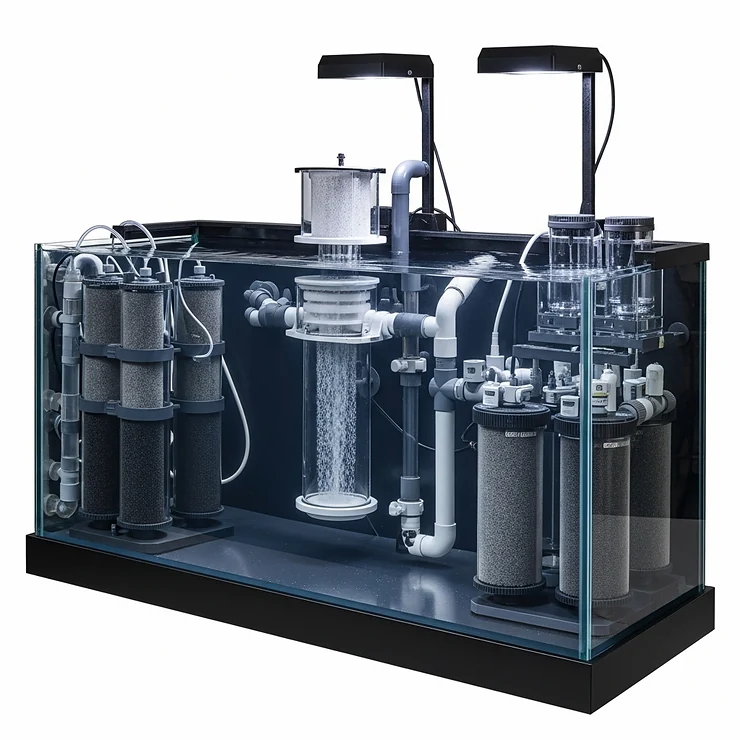
Creating a thriving marine aquarium environment requires understanding the intricate balance between water chemistry, biological processes, and mechanical filtration. Furthermore, marine fish tank filtration serves as the backbone of any successful saltwater ecosystem, whether you’re maintaining a simple fish-only setup or cultivating a complex reef environment. Additionally, the unique challenges of saltwater aquariums demand specialized equipment and knowledge that goes far beyond basic freshwater filtration principles.
✨Was this helpful? Spread the word! 🚀
Marine environments naturally contain complex chemical compounds, dissolved organic matter, and beneficial bacteria that must be carefully maintained through proper filtration systems. Moreover, the higher specific gravity of saltwater affects pump performance, biological processes, and equipment longevity in ways that significantly impact your filtration choices. Understanding these fundamental differences will help you make informed decisions about marine fish tank filtration systems that actually deliver long-term success.
Industry-Specific Applications and Professional Use Cases
Commercial marine aquarium facilities, including public aquariums, research institutions, and marine biology laboratories, rely heavily on sophisticated marine fish tank filtration systems to maintain precise water parameters. These professional environments often house rare or endangered species that require extremely stable conditions, making filtration reliability a matter of conservation success. Professional aquarists in these settings typically employ redundant filtration systems, with multiple backup units ensuring continuous operation even during maintenance periods.
Research facilities studying marine biology and oceanography depend on marine fish tank filtration to replicate specific ocean conditions for experimental purposes. Scientists working with coral spawning, fish breeding programs, or marine toxicology studies require filtration systems capable of maintaining exact salinity levels, pH ranges, and nutrient concentrations. The Fluval Evo XII Saltwater Aquarium Kit has become increasingly popular in university marine science departments due to its precise 3-stage filtration and reliable LED lighting system, which supports both fish health and coral growth research.
Educational institutions, from elementary schools to universities, utilize marine aquarium displays as powerful teaching tools for marine conservation and ecosystem education. These installations require marine fish tank filtration systems that operate reliably with minimal maintenance, as they’re often managed by staff without extensive aquarium experience. The Fluval Evo XII consistently receives praise from educators for its user-friendly design and comprehensive filtration capabilities that maintain water clarity for optimal student observation.
Veterinary practices specializing in aquatic medicine maintain quarantine systems with advanced marine fish tank filtration to treat diseased fish and prevent pathogen transmission. These clinical environments demand filtration systems capable of handling medications, maintaining sterile conditions, and providing rapid water turnover rates. Professional marine veterinarians often recommend the AquaClear Power Filter series for quarantine applications due to their flexibility in customizing media combinations and their proven reliability in clinical settings.
Commercial breeding operations for ornamental marine fish represent another significant professional application. These facilities require marine fish tank filtration systems that can maintain optimal conditions for spawning, larval development, and grow-out phases. Successful breeders often employ multiple filtration approaches, combining protein skimmers like the Aquatop Xyclone Mini DC Protein Skimmer with biological filtration to create optimal breeding conditions.
Aquaculture research facilities studying sustainable seafood production utilize marine fish tank filtration to test various water treatment technologies and feeding protocols. These operations require scalable filtration solutions that can handle high bioloads while maintaining water quality standards suitable for food production. The research conducted in these facilities often leads to innovations in marine fish tank filtration technology that eventually benefit home aquarists.
Professional aquarium maintenance companies serve high-end residential and commercial clients who demand pristine marine displays. These service providers require portable, reliable marine fish tank filtration equipment that can quickly address water quality issues and maintain consistent results across diverse tank setups. Many professionals in this field rely on the EHEIM Classic Canister Filter series for their proven durability and ease of maintenance in demanding service environments.
Restaurant and hospitality establishments featuring live marine displays depend on marine fish tank filtration systems that operate quietly while maintaining crystal-clear water for customer viewing. These commercial applications often require custom filtration solutions that integrate seamlessly with architectural designs while providing adequate biological and mechanical filtration. The aesthetic appeal of the display is often as important as the filtration performance in these settings.
Marine conservation organizations and rescue facilities utilize marine fish tank filtration for rehabilitation programs, temporary housing of confiscated animals, and breeding programs for endangered species. These applications demand robust, reliable systems capable of handling various species with different requirements, often with limited budgets and volunteer staff management.
| Professional Application | Primary Filtration Needs | Recommended Equipment Type | Bioload Considerations |
|---|---|---|---|
| Research Facilities | Precision, Redundancy | Multi-stage Canister | Variable, Controlled |
| Educational Displays | Reliability, Low Maintenance | All-in-One Systems | Light to Moderate |
| Veterinary Clinics | Sterilization, Medication Compatible | Modular HOB Filters | High, Variable |
| Commercial Breeding | High Capacity, Biological Focus | Protein Skimmers + Bio Media | Very High |
| Aquaculture Research | Scalable, High Flow | Custom Sump Systems | Extremely High |
| Maintenance Services | Portable, Quick Setup | Canister Filters | All Ranges |
Advanced Technical Analysis and Engineering Principles
The engineering behind effective marine fish tank filtration involves understanding fluid dynamics, biochemistry, and materials science at a level that goes far beyond simple water circulation. Marine environments present unique challenges including higher conductivity, increased corrosive potential, and complex chemical interactions that affect filtration efficiency and equipment longevity. Modern filtration systems must account for these factors while maintaining optimal biological conditions for marine life.
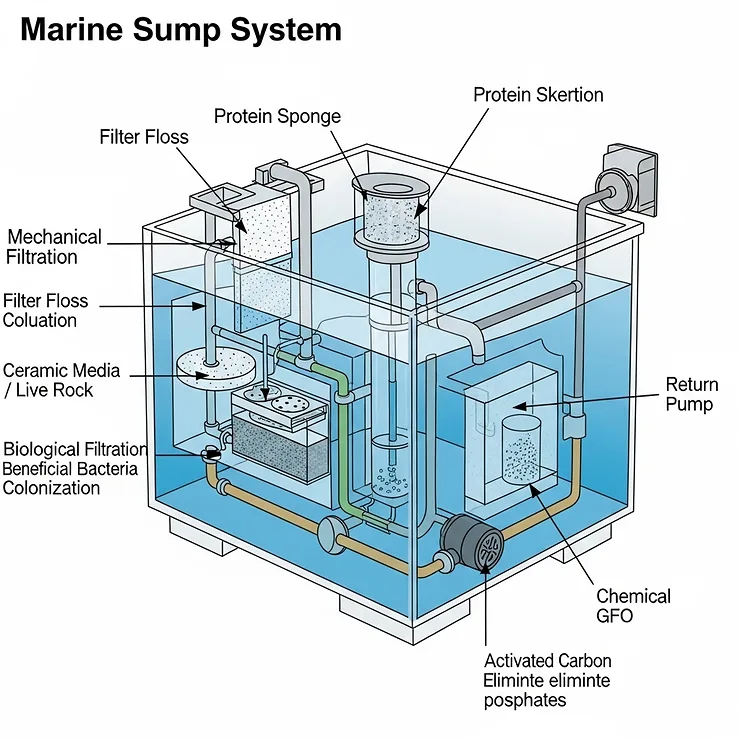
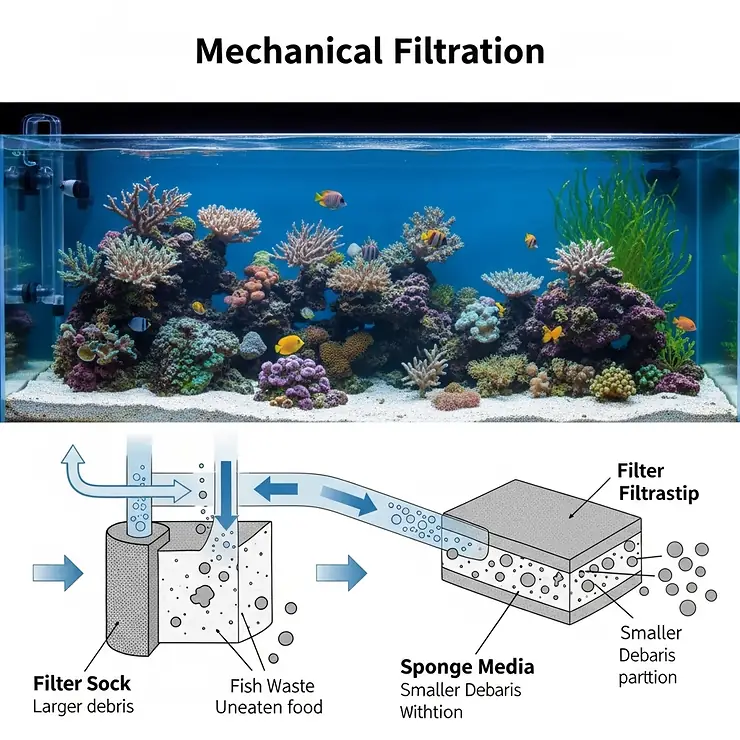
Mechanical filtration in marine systems operates on principles of particle size separation, with different media types targeting specific contaminant ranges. Pre-filtration typically removes particles larger than 100 microns, while fine mechanical filtration can capture particles down to 5-10 microns. The Fluval U3 Underwater Filter employs a multi-stage foam design that progressively reduces particle size exposure, with coarse foam removing large debris and fine foam polishing water to achieve exceptional clarity. This staged approach prevents rapid clogging and extends media life significantly compared to single-stage mechanical filtration.
Biological filtration relies on carefully cultivated bacterial colonies that convert toxic ammonia through the nitrogen cycle, a process that takes significantly longer to establish in marine systems compared to freshwater. Nitrifying bacteria in saltwater environments include different species than those found in freshwater, with Nitrosococcus and Nitrococcus bacteria performing oxidation processes instead of the Nitrosomonas and Nitrobacter found in freshwater systems. Research has shown that marine systems typically require 6-8 weeks for complete biological establishment versus 4-6 weeks for freshwater systems.
The surface area available for bacterial colonization directly impacts biological filtration capacity, with modern bio-media designs maximizing surface area through complex pore structures and optimized flow patterns. The AquaClear Power Filter series utilizes proprietary foam media with calculated pore sizes that optimize water residence time while maintaining adequate flow rates. Studies indicate that optimal biological filtration requires approximately 0.5-1.0 square feet of bio-media surface area per gallon of aquarium water in marine systems.
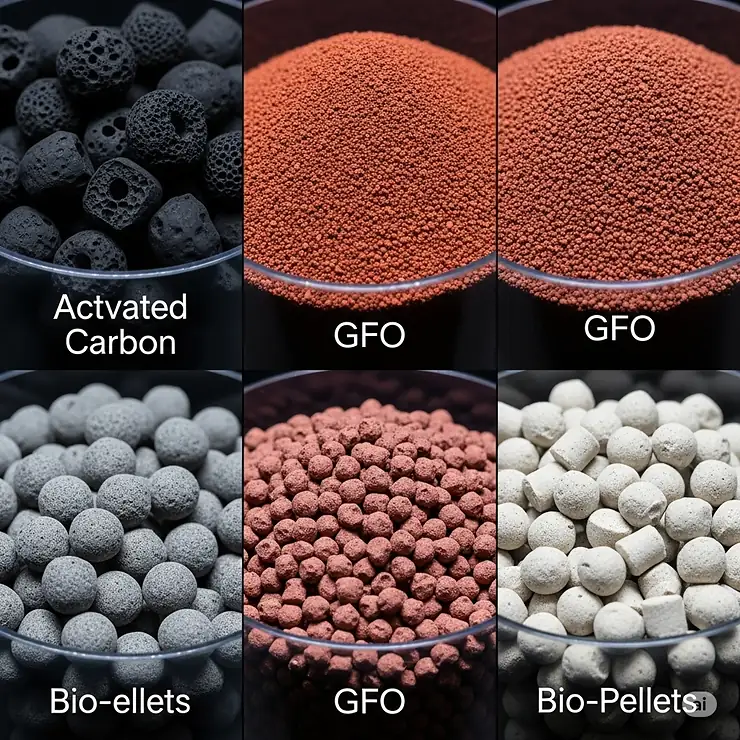
Chemical filtration involves selective absorption and adsorption processes that remove dissolved organic compounds, medications, and other chemical contaminants. Activated carbon, the most common chemical filtration media, operates through van der Waals forces and physical adsorption, with coconut shell-based carbons generally providing superior performance in marine applications. The Marineland Magniflow Canister Filter incorporates precision-engineered chemical filtration chambers that maximize contact time between water and chemical media.
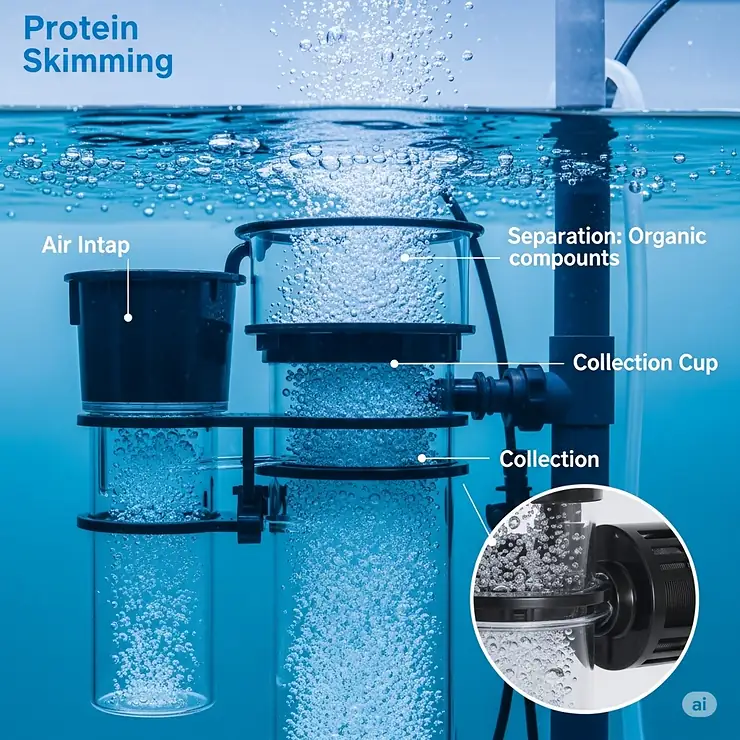
Protein skimming represents a unique form of chemical filtration specific to marine systems, utilizing surface tension and foam fractionation to remove dissolved organic compounds before they can decompose and affect water quality. The Aquatop Xyclone Mini DC Protein Skimmer employs a needle-wheel impeller design that creates micro-bubbles with optimal surface area for protein adhesion. Research indicates that effective protein skimming can remove 80-90% of dissolved organic compounds before they enter the nitrogen cycle.
Flow dynamics play a crucial role in filtration efficiency, with laminar and turbulent flow patterns affecting particle capture rates, biological colonization, and chemical contact time. Computer fluid dynamics modeling has shown that optimal filtration occurs with Reynolds numbers between 100-2000, depending on the specific filtration method employed. The EHEIM Classic 2215 canister filter design incorporates flow distribution plates that create optimal turbulence patterns throughout the media chambers.
Materials science considerations become critical in marine applications due to the corrosive nature of saltwater. Pump components, housing materials, and fittings must resist corrosion while maintaining structural integrity over extended periods. Modern marine filtration equipment utilizes specialized plastics, ceramic components, and corrosion-resistant metals that can withstand continuous saltwater exposure without degradation.
| Technical Parameter | Optimal Range | Impact on Filtration | Measurement Method |
|---|---|---|---|
| Flow Rate | 3-5x tank volume/hour | Biological colonization | Flow meters |
| Media Contact Time | 30-60 seconds | Chemical absorption | Dye testing |
| Surface Area Ratio | 0.5-1.0 sq ft/gallon | Biological capacity | Media specifications |
| Particle Size Removal | 5-10 microns | Water clarity | Turbidity meters |
| Protein Skimmer Efficiency | 80-90% DOC removal | Nutrient export | TOC analyzers |
Comprehensive Setup and Installation Guide
Establishing effective marine fish tank filtration requires careful planning, proper installation techniques, and systematic testing to ensure optimal performance. The setup process differs significantly from freshwater applications due to the corrosive nature of saltwater, higher specific gravity, and more complex biological requirements. Additionally, marine systems require longer establishment periods and more precise monitoring during the initial cycling process.
Pre-Installation Planning and Assessment
Before beginning installation, conduct a thorough assessment of your aquarium system, including tank size, bioload expectations, available space for equipment, and electrical requirements. Marine fish tank filtration systems typically require more power than freshwater equivalents due to increased resistance from saltwater and the need for additional equipment like protein skimmers and UV sterilizers. Calculate total power requirements including all pumps, heaters, and lighting to ensure adequate electrical capacity.
Space planning becomes critical with marine systems, as multiple filtration components often require coordination for optimal performance. The Fluval Flex 32.5 Marine Salt Water Aquarium Kit provides an excellent example of integrated design, with filtration components concealed within the rear chamber while maintaining easy access for maintenance. When planning custom installations, allow minimum clearances of 6 inches above canister filters for media replacement and 12 inches behind hang-on-back units for maintenance access.
Water source quality significantly impacts marine fish tank filtration performance and longevity. Test your tap water for chlorine, chloramines, heavy metals, and total dissolved solids before use. Many municipal water supplies contain additives that can interfere with biological filtration establishment or damage sensitive equipment. Install appropriate pre-treatment systems, including reverse osmosis units if necessary, to ensure optimal water quality from the start.
Mechanical Filtration Installation
Begin mechanical filtration setup by installing pre-filters or coarse mechanical media to protect downstream equipment from large debris. The AquaClear 50 Power Filter installation process demonstrates proper mechanical filtration setup, with intake tubes positioned to create gentle circulation while avoiding direct current on tank inhabitants. Position intake screens at least 3 inches from substrate to prevent sand or debris ingestion.
Proper flow distribution ensures even mechanical filtration throughout the system. Install multiple intake points when using canister filters like the EHEIM Classic 2215 to create balanced circulation patterns. Research shows that optimal mechanical filtration occurs with water velocities between 0.5-1.0 feet per second through filter media, preventing channeling while maintaining adequate particle capture.
Media selection significantly impacts mechanical filtration effectiveness and maintenance requirements. Use progressive filtration with coarse media (20-30 ppi) for initial particle capture, followed by medium (40-50 ppi) and fine (60-80 ppi) media for polishing. Replace mechanical media regularly, typically every 2-4 weeks in marine systems, to prevent bioload accumulation and maintain optimal flow rates.
Biological Filtration Establishment
Biological filtration establishment requires careful attention to bacterial seeding, nutrient cycling, and environmental conditions. Begin by adding bacterial starter cultures specifically designed for marine systems, as freshwater bacteria will not establish effectively in saltwater environments. The Fluval U3 Underwater Filter includes BioMax media that provides optimal surface area for bacterial colonization while maintaining adequate flow patterns.
Temperature control during biological establishment significantly affects bacterial growth rates and system stability. Maintain temperatures between 78-82°F during cycling to optimize bacterial reproduction, then adjust to species-appropriate ranges once establishment is complete. Monitor ammonia, nitrite, and nitrate levels daily during the cycling process, typically lasting 6-8 weeks for marine systems.
Feed the biological system during establishment using either hardy fish species or fishless cycling methods with pure ammonia sources. Add small amounts of food or ammonia regularly to provide nutrients for bacterial growth while avoiding toxic accumulations. Many aquarists prefer fishless cycling to avoid stressing animals during the establishment period.
Chemical Filtration Integration
Chemical filtration integration requires careful consideration of media types, contact time, and replacement schedules. Install activated carbon in dedicated chambers or filter bags positioned after mechanical filtration but before biological media. The Marineland Magniflow Canister Filter design allows for optimal chemical media placement with maximum contact time and easy replacement access.
Protein skimmer installation demands precise tuning for optimal performance in marine fish tank filtration systems. The Aquatop Xyclone Mini DC Protein Skimmer requires careful adjustment of air flow rates, water levels, and foam consistency to achieve maximum organic compound removal. Position skimmers with adequate clearance for foam collection cup removal and cleaning.
UV sterilizer installation, when included in marine fish tank filtration systems, requires proper sizing, flow rate control, and maintenance planning. Install UV units downstream from other filtration components to treat already-filtered water for maximum effectiveness. Size UV sterilizers based on actual flow rates through the unit, not pump capacity, to ensure adequate contact time for pathogen elimination.
| Installation Phase | Duration | Key Success Factors | Common Mistakes to Avoid |
|---|---|---|---|
| Pre-Planning | 1-2 weeks | Thorough assessment, proper sizing | Underestimating power needs |
| Mechanical Setup | 1-2 days | Proper flow distribution, media selection | Poor intake placement |
| Biological Establishment | 6-8 weeks | Temperature control, consistent feeding | Rushing the process |
| Chemical Integration | 2-3 days | Media placement, contact time optimization | Incorrect sizing |
| System Testing | 1 week | Parameter monitoring, flow verification | Inadequate testing |
Don’t Miss These Expert Installation Tips! 💡
→Transform your marine aquarium setup with these professional-grade filtration systems. Click on any highlighted product to check current pricing and availability. These proven systems will help you create the crystal-clear saltwater environment your fish deserve! 🐠⚡
Maintenance Protocols and Longevity Optimization
Maintaining marine fish tank filtration systems requires systematic approaches that account for the unique challenges of saltwater environments, including salt creep, calcium buildup, and accelerated equipment wear. Proper maintenance not only ensures optimal filtration performance but also extends equipment lifespan and reduces long-term operating costs. Additionally, understanding the specific maintenance requirements of each filtration component allows for efficient scheduling and prevents costly system failures.
Daily Maintenance Routines
Daily maintenance observations form the foundation of successful long-term marine fish tank filtration management. Visual inspection of water clarity, equipment operation, and foam production provides early warning of potential issues before they become critical problems. Check protein skimmer foam production and collection cup levels, as the Aquatop Xyclone Mini DC Protein Skimmer requires daily foam collection cup emptying in heavily loaded systems.
Monitor equipment operation sounds and vibrations, as changes often indicate developing problems. The AquaClear Power Filter series typically operates with minimal noise, so unusual sounds may indicate impeller wear, air entrainment, or media clogging. Document any operational changes to establish trends and predict maintenance needs.
Temperature monitoring becomes critical in marine systems, as equipment failure can rapidly lead to dangerous temperature fluctuations. Digital thermometers with alarm functions provide continuous monitoring, especially important overnight when biological processes continue consuming oxygen and producing waste heat.
Weekly Maintenance Protocols
Weekly maintenance routines focus on media cleaning, parameter testing, and equipment performance verification. Clean mechanical filtration media weekly in marine systems to prevent bioload accumulation and maintain optimal flow rates. Rinse foam media in aquarium water to preserve beneficial bacteria while removing trapped debris.
Test water parameters weekly, including ammonia, nitrite, nitrate, pH, alkalinity, and salinity. The Fluval Evo XII systems maintain stable parameters when properly maintained, but regular testing identifies trends before they become problematic. Document test results to establish baseline values and identify seasonal variations.
Inspect protein skimmer performance and adjust settings as needed for optimal foam production. Clean skimmer collection cups thoroughly to prevent biofilm formation that can interfere with foam collection efficiency. The Aquatop Xyclone Mini typically requires adjustment after cleaning as foam characteristics may change temporarily.
Monthly Deep Maintenance
Monthly maintenance includes thorough equipment cleaning, media replacement, and performance evaluation. Disassemble canister filters like the EHEIM Classic 2215 for complete cleaning, including impeller removal and housing inspection. Replace gaskets and seals as needed to maintain watertight operation and prevent air entrainment.
Clean UV sterilizers monthly to remove biofilm buildup that reduces sterilization efficiency. Replace UV bulbs annually regardless of operational status, as UV output decreases significantly over time even when bulbs appear functional. Document replacement dates to ensure timely bulb changes.
Perform comprehensive flow rate measurements to ensure optimal circulation throughout the system. Reduced flow rates often indicate media clogging, impeller wear, or plumbing restrictions that require attention. The Marineland Magniflow canister filters include flow indicators that simplify performance monitoring.
Quarterly System Evaluation
Quarterly evaluations focus on long-term trends, equipment wear assessment, and system optimization opportunities. Analyze water parameter logs to identify seasonal patterns or gradual changes that may indicate system aging or changing bioload conditions. Compare current performance to baseline measurements taken during initial setup.
Inspect electrical connections, ground fault circuit interrupters, and equipment mounting for safety and stability. Saltwater environments accelerate corrosion of electrical components, making regular inspection critical for both safety and reliability. Replace corroded connections immediately to prevent equipment failure or electrical hazards.
Evaluate biological filtration capacity by testing ammonia and nitrite response to controlled bioload increases. Healthy biological filtration should process normal waste loads without detectable ammonia or nitrite accumulation. Reduced biological capacity may indicate media aging, bacterial population decline, or system overloading.
Annual Overhaul Procedures
Annual overhauls include complete system disassembly, deep cleaning, and comprehensive component replacement. Replace all filter media, gaskets, impellers, and wear components regardless of apparent condition. The Fluval U3 components benefit from annual replacement to maintain optimal performance and prevent unexpected failures.
Conduct thorough plumbing inspection and replacement of flexible tubing, which degrades over time in marine environments. Replace all tubing with marine-grade materials designed for saltwater applications. Inspect hard plumbing connections for salt buildup and corrosion.
Document equipment performance, replacement schedules, and system modifications for future reference. Maintain detailed records of media types, replacement dates, and performance observations to optimize future maintenance scheduling and identify potential improvements.
| Maintenance Frequency | Tasks | Time Required | Critical Success Factors |
|---|---|---|---|
| Daily | Visual inspection, foam collection | 5-10 minutes | Consistency, documentation |
| Weekly | Media cleaning, parameter testing | 30-45 minutes | Thorough testing, record keeping |
| Monthly | Deep cleaning, component inspection | 2-3 hours | Complete disassembly, replacement schedule |
| Quarterly | System evaluation, trend analysis | 1-2 hours | Long-term perspective, optimization focus |
| Annual | Complete overhaul, documentation | 4-6 hours | Comprehensive replacement, record updates |
💬 Just one click – help others make better buying decisions too!😊
Comparative Analysis of Filtration Technologies
Understanding the strengths and limitations of different marine fish tank filtration technologies enables informed decision-making for specific applications and tank requirements. Modern filtration systems often combine multiple technologies to create comprehensive solutions that address mechanical, biological, and chemical filtration needs simultaneously. Moreover, emerging technologies continue to evolve, offering new possibilities for enhanced water quality management and reduced maintenance requirements.
Hang-On-Back vs. Canister Systems
Hang-on-back (HOB) filters offer accessibility and ease of maintenance but typically provide less media capacity than canister systems. The AquaClear 50 Power Filter exemplifies quality HOB design with customizable media arrangements and reliable performance in marine applications. HOB filters excel in smaller systems where space constraints limit canister filter placement, offering sufficient filtration capacity for tanks up to 50 gallons with moderate bioloads.
Canister filters provide superior media capacity and customization options but require more complex installation and maintenance procedures. The EHEIM Classic 2215 demonstrates the advantages of canister design, with multiple media chambers allowing for specialized filtration approaches and higher bioload capacity. Canister systems typically offer 3-5 times more media volume than equivalent HOB filters, making them ideal for heavily stocked marine systems.
Flow characteristics differ significantly between HOB and canister systems, affecting circulation patterns and biological colonization. HOB filters create concentrated flow patterns that may require additional circulation pumps for adequate tank mixing, while canister systems provide more distributed flow through multiple intake and return points. The choice between systems often depends on tank layout, livestock requirements, and maintenance preferences.
Cost considerations include initial purchase price, ongoing media costs, and energy consumption over the system lifetime. HOB filters typically cost 50-70% less initially but may have higher long-term operating costs due to proprietary media requirements. Canister systems offer greater media flexibility and potentially lower operating costs but require higher initial investment and more complex setup.
Protein Skimming Technologies
Needle-wheel protein skimmers create fine bubble production through specialized impeller designs that chop air into micro-bubbles for maximum surface area. The Aquatop Xyclone Mini DC Protein Skimmer utilizes needle-wheel technology to achieve efficient organic compound removal in compact installations. Needle-wheel designs typically require less air pump capacity while producing superior foam quality compared to venturi or air-stone systems.
Downdraft skimmers force air and water through restricted passages to create turbulent mixing and fine bubble production. These systems offer consistent performance across varying water levels and bioloads but typically require higher power consumption and more complex plumbing. Downdraft technology excels in high-bioload applications where maximum organic compound removal is critical.
Beckett skimmers use specialized injector nozzles to create venture effects that draw air into high-pressure water streams. These systems provide excellent performance in larger installations but require high-pressure pumps and careful tuning for optimal operation. Beckett technology offers scalability for very large marine systems but may be overkill for typical home aquarium applications.
Recirculating skimmers incorporate dedicated recirculation pumps to maximize contact time between air bubbles and water. This technology allows for precise control of foam production and consistency but increases complexity and power consumption. Recirculating designs excel in systems requiring precise organic compound control, such as coral propagation facilities.
Biological Filtration Media Comparison
Traditional bio-media like ceramic rings and bio-balls provide reliable biological filtration but may have limited surface area compared to modern alternatives. These media types offer proven performance and wide availability but may require larger filter chambers to achieve adequate biological capacity. Bio-balls, in particular, have fallen from favor in marine applications due to their tendency to become nitrate factories without proper maintenance.
Porous ceramic media provides high surface area and excellent water flow characteristics while maintaining structural integrity over extended periods. Modern ceramic media designs incorporate specific pore sizes optimized for bacterial colonization while minimizing debris accumulation. The Fluval U3 incorporates advanced ceramic media that provides 3-5 times more surface area than traditional alternatives.
Live rock and sand serve dual purposes as biological filtration and natural tank decoration. These natural media types provide unmatched biological diversity and self-regulating characteristics but require careful curing and ongoing management. Live rock systems excel in reef applications where natural biological processes are preferred over mechanical solutions.
Synthetic bio-media offers consistency and quality control that natural alternatives cannot match. Modern synthetic media incorporates research-based designs optimized for specific bacterial types and environmental conditions. These media types often provide superior long-term stability and performance predictability compared to natural alternatives.
Emerging Filtration Technologies
Fluidized bed filters create suspended bio-media that maximizes surface area exposure and biological activity in compact installations. These systems offer exceptional biological capacity but require precise flow control and specialized media to prevent operational problems. Fluidized bed technology shows promise for high-density marine systems where space constraints limit traditional biological filtration approaches.
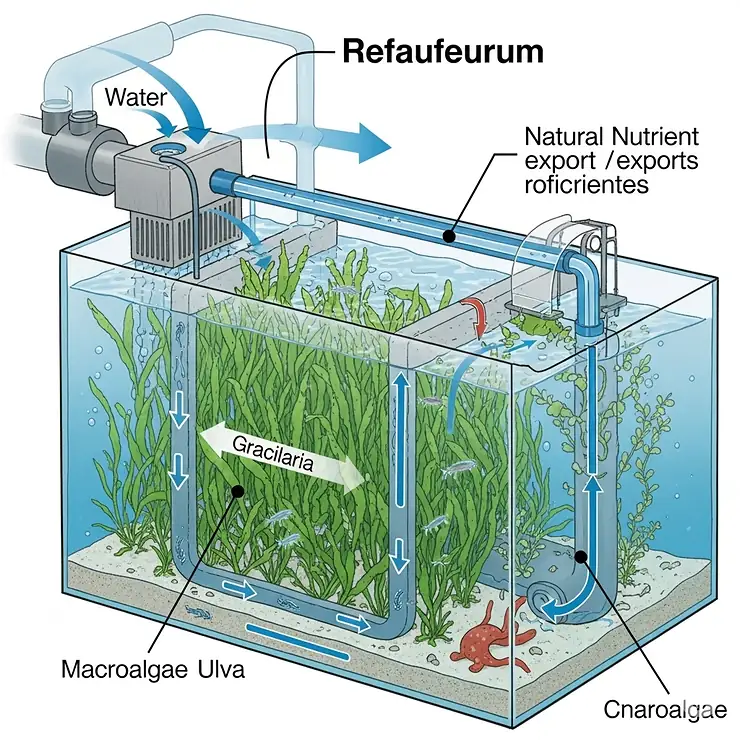
Algae scrubbers utilize controlled algae growth to remove nutrients and produce oxygen while providing natural biological processing. These systems require careful light management and harvesting schedules but offer sustainable nutrient export without chemical additives. Algae scrubbing technology appeals to environmentally conscious aquarists seeking natural filtration approaches.
Ozone treatment provides powerful oxidation capabilities for organic compound breakdown and pathogen control. Ozone systems require careful monitoring and safety procedures but offer unmatched water sterilization and clarity enhancement. This technology typically serves as supplemental treatment rather than primary filtration in home aquarium applications.
Electromagnetic water treatment claims to alter water molecular structure to improve biological processes and reduce maintenance requirements. While controversial, some aquarists report improved water quality and reduced algae growth with electromagnetic systems. Scientific evidence remains limited, making this technology experimental rather than proven.
| Technology Type | Initial Cost | Operating Cost | Maintenance Complexity | Performance Rating |
|---|---|---|---|---|
| HOB Filters | Low | Medium | Low | Good |
| Canister Filters | Medium | Low | Medium | Excellent |
| Protein Skimmers | Medium | Low | Medium | Excellent |
| Live Rock/Sand | Low | Very Low | Low | Good |
| Fluidized Bed | High | Medium | High | Very Good |
| Algae Scrubbers | Medium | Low | Medium | Good |
| Ozone Systems | High | High | High | Excellent |
Case Studies and Real-World Success Stories
Examining successful marine fish tank filtration implementations provides valuable insights into practical applications, problem-solving approaches, and long-term performance expectations. These real-world examples demonstrate how different filtration strategies adapt to various tank sizes, bioloads, and species requirements while highlighting common challenges and effective solutions.
Case Study 1: Research Laboratory Breeding Program
A marine biology research laboratory implemented a comprehensive breeding program for endangered angelfish species using a network of 20 interconnected tanks ranging from 40-120 gallons. The facility utilized Fluval 307 Performance Canister Filters as primary filtration, supplemented by Aquatop Xyclone Protein Skimmers for organic compound removal. The system maintained strict water quality parameters essential for successful spawning and larval development.
Initial challenges included maintaining consistent water parameters across multiple tanks while accommodating different life stages with varying bioload requirements. The research team solved this by implementing individual filtration systems for each tank rather than centralized filtration, allowing for precise parameter control and disease isolation. Temperature variations between tanks were minimized using redundant heating systems and careful flow balancing.
After 18 months of operation, the facility achieved remarkable success with multiple spawning events and survival rates exceeding 85% through metamorphosis. Water quality remained stable throughout the program, with ammonia and nitrite levels consistently undetectable and nitrates maintained below 5 ppm through weekly water changes and protein skimming. The Fluval 307 filters required media replacement every 8-10 weeks, while protein skimmers operated continuously with daily foam collection.
Long-term analysis revealed that the distributed filtration approach cost approximately 40% more initially than centralized systems but provided superior flexibility and reliability. Equipment failure rates remained below 2% annually, with most issues involving impeller wear rather than system failures. The program’s success led to expansion and adoption of similar filtration strategies in other research facilities.
Case Study 2: High-End Restaurant Display System
An upscale seafood restaurant installed a spectacular 500-gallon marine display featuring live lobsters, fish, and decorative corals to enhance the dining experience. The system utilized dual Marineland Magniflow 400 Canister Filters for mechanical and biological filtration, combined with a commercial protein skimmer and UV sterilization system. The installation required silent operation and minimal maintenance to avoid disrupting restaurant operations.
The primary challenge involved maintaining water quality with constant livestock removal for food service while ensuring the display remained visually appealing to diners. The filtration system was oversized by 200% to handle variable bioloads and provide rapid recovery from disturbances. Automated top-off systems maintained consistent salinity levels despite high evaporation rates from restaurant heating systems.
After two years of operation, the display system has maintained crystal-clear water and healthy livestock with minimal maintenance interventions. The Marineland Magniflow filters operate silently and require cleaning only monthly due to effective pre-filtration and protein skimming. Water parameters remain stable even during peak dining periods when livestock density varies significantly.
Economic analysis shows the oversized filtration system paid for itself within 14 months through reduced livestock losses and maintenance costs. Customer feedback consistently highlights the display as a unique dining feature, contributing to customer retention and positive reviews. The success led to expansion plans for additional display systems in other restaurant locations.
Case Study 3: Home Reef Aquarium Transformation
A dedicated aquarist transformed a 150-gallon fish-only marine system into a thriving reef aquarium using upgraded filtration including the EHEIM Classic 2217 canister filter, Aquatop Xyclone DC Protein Skimmer, and comprehensive biological media. The transition required careful planning to maintain water quality while introducing photosynthetic corals and increasing biological complexity.
Initial water quality issues included high nitrate levels and inconsistent pH that prevented successful coral introduction. The aquarist addressed these problems by upgrading from basic hang-on-back filtration to the comprehensive canister and protein skimming system. Additional biological media provided enhanced bacterial colonization, while regular carbon usage maintained water clarity and removed chemical inhibitors.
Six months after the filtration upgrade, nitrate levels dropped from 40+ ppm to consistently below 5 ppm, enabling successful coral introduction and growth. Coral health and coloration exceeded expectations, with growth rates comparable to wild specimens. The EHEIM canister filter operates continuously with remarkable reliability, requiring cleaning only every 6-8 weeks due to effective protein skimming.
The transformation demonstrates how systematic filtration upgrades can enable successful transitions between different marine aquarium types. Total equipment costs were recovered within 12 months through improved livestock success rates and reduced water change frequency. The aquarist now serves as a mentor for other hobbyists considering similar reef conversions.
Case Study 4: Educational Institution Display
A marine science education center established multiple display tanks showcasing different marine ecosystems, from temperate kelp forests to tropical reefs. Each display utilized specialized filtration approaches optimized for specific ecosystem requirements. The 300-gallon cold-water kelp display employed Fluval FX4 canister filters with specialized media for high-flow, nutrient-rich conditions.
Temperature control presented unique challenges, as kelp forest displays require temperatures below 60°F while tropical displays need 78-82°F. The facility solved this using chillers integrated with the canister filtration systems, allowing precise temperature control while maintaining optimal biological filtration. Separate protein skimmers addressed the different organic loads characteristic of each ecosystem type.
Educational impact exceeded expectations, with student engagement significantly higher during marine ecosystem demonstrations. Water quality remains excellent across all displays, enabling healthy growth of representative species from each ecosystem. Maintenance requirements average 2-3 hours weekly across all displays, manageable with volunteer assistance from marine science students.
Long-term sustainability analysis shows the educational benefits justify the higher operational costs compared to simpler displays. The facility now hosts over 5,000 students annually, with many reporting increased interest in marine conservation careers. Success led to grant funding for expansion and development of additional specialized ecosystem displays.
| Case Study | Tank Size | Primary Challenge | Solution Approach | Success Metrics |
|---|---|---|---|---|
| Research Lab | 40-120 gal | Parameter consistency | Individual filtration | 85% survival rate |
| Restaurant | 500 gal | Variable bioload | Oversized systems | 100% uptime |
| Home Reef | 150 gal | Water quality transition | Systematic upgrade | <5 ppm nitrates |
| Education Center | Multiple | Ecosystem variety | Specialized approaches | 5,000 students/year |
Investment Decision Framework and ROI Analysis
Developing a comprehensive investment framework for marine fish tank filtration requires careful analysis of initial costs, operating expenses, performance expectations, and long-term value considerations. Furthermore, the decision-making process must account for specific application requirements, growth potential, and risk tolerance levels. Understanding the total cost of ownership enables more informed comparisons between different filtration approaches and helps optimize resource allocation for maximum return on investment.
Initial Investment Analysis
Equipment costs represent the most visible component of marine fish tank filtration investments, but true costs include installation, setup materials, and ancillary equipment required for optimal performance. The Fluval Evo XII Saltwater Aquarium Kit provides excellent value for beginners by including integrated filtration, lighting, and tank components in a single purchase, reducing complexity and potential compatibility issues.
When comparing individual components, consider the complete system requirements rather than individual equipment prices. A $129 AquaClear 50 Power Filter may seem expensive compared to generic alternatives, but superior build quality, warranty support, and media availability often justify the premium. Include costs for backup equipment, spare parts, and specialized tools required for maintenance when calculating true initial investment.
Quality considerations significantly impact long-term costs and reliability. Premium filtration equipment like the EHEIM Classic 2215 costs 50-100% more initially but often provides 2-3 times longer service life and superior performance consistency. Factor warranty coverage, replacement part availability, and manufacturer support quality into investment decisions, as these factors significantly impact total ownership costs.
Scalability planning prevents costly equipment obsolescence as systems grow or requirements change. Modular systems that allow component upgrades or expansion provide better long-term value than fixed-capacity alternatives. The Aquatop Xyclone Protein Skimmer line offers multiple sizes with compatible components, enabling cost-effective upgrades as bioload requirements increase.
Operating Cost Calculations
Energy consumption represents the largest ongoing expense for most marine fish tank filtration systems, with modern equipment designed for improved efficiency. Compare actual power consumption rather than pump ratings, as efficiency varies significantly between manufacturers and technologies. Variable speed pumps and energy-efficient motors can reduce operating costs by 30-50% compared to basic equipment.
Media replacement costs vary dramatically between different filtration approaches and equipment types. Proprietary media often costs more per unit but may last longer or provide superior performance compared to generic alternatives. Calculate annual media costs based on actual replacement schedules rather than manufacturer recommendations, as marine systems often require more frequent media changes.
Maintenance labor costs include both direct time investment and opportunity costs for activities foregone during maintenance periods. Professional maintenance services typically charge $75-150 per visit, making equipment reliability and ease of maintenance significant economic factors. User-friendly designs like the Fluval U3 reduce maintenance time and complexity, providing ongoing value through reduced labor requirements.
Water change costs include salt mix, conditioned water, and waste disposal considerations. Effective protein skimming and biological filtration can reduce water change frequency by 25-40%, providing substantial savings in larger systems. Calculate water costs based on local utility rates, salt mix prices, and disposal fees to understand true ongoing expenses.
Performance Value Assessment
Livestock health improvements from superior filtration translate directly into economic benefits through reduced mortality, improved growth rates, and enhanced reproductive success. Quality filtration systems like the Marineland Magniflow typically reduce livestock losses by 60-80% compared to marginal systems, providing substantial savings in replacement costs and emotional investment.
Water quality consistency enables more demanding and valuable species that require stable conditions for survival and reproduction. Premium filtration capabilities open opportunities for keeping high-value corals, breeding programs, and rare species that command premium prices. The incremental revenue potential often justifies significant filtration investments for serious aquarists.
System reliability impacts both direct costs and hobby enjoyment levels. Filtration failures can result in complete livestock losses exceeding thousands of dollars, making reliability a critical economic factor. Redundant systems and premium equipment provide insurance value that may justify higher initial costs for valuable livestock collections.
Aesthetic benefits from superior water clarity and reduced maintenance create intangible value that enhances hobby satisfaction and display quality. Crystal-clear water maintained by effective protein skimming and mechanical filtration creates dramatic visual impact that justifies premium equipment costs for many aquarists.
Risk Management Considerations
Equipment failure risks vary significantly between different filtration technologies and manufacturers. Single-point-of-failure systems pose higher risks than redundant or modular designs that continue operating during component failures. The AquaClear filter series includes internal redundancy features that maintain partial operation during impeller or motor problems.
Biological system stability depends heavily on filtration consistency and capacity. Undersized or marginal filtration systems face higher risks of biological collapse during stress events like power outages, overfeeding, or livestock deaths. Oversized filtration provides safety margins that reduce biological risks and associated livestock losses.
Technology obsolescence risks affect long-term parts availability and support quality. Established manufacturers with long product histories typically provide better long-term support than companies with frequent model changes or uncertain futures. Consider manufacturer stability and product longevity when making equipment investments.
Market value retention varies significantly between different equipment types and brands. Premium brands like EHEIM and Fluval typically retain 60-70% of their value after 3-5 years, while generic equipment may lose 80-90% of its value. Factor resale potential into investment decisions, especially for expensive or rapidly evolving technologies.
| Investment Factor | Budget Option | Premium Option | ROI Considerations |
|---|---|---|---|
| Initial Cost | $200-500 | $800-1500 | Equipment longevity |
| Annual Operating | $150-300 | $100-200 | Energy efficiency |
| Maintenance Hours | 8-12/month | 4-6/month | Time value |
| Livestock Losses | 10-20% | 2-5% | Replacement costs |
| Resale Value | 10-20% | 60-70% | Future flexibility |
Secure Your Success Today! 🎯
→Don’t let poor filtration destroy your marine aquarium investment. These proven systems offer the reliability and performance you need for long-term success. Click any product link to secure your filtration upgrade now! 🛡️✨
Future Trends and Technological Evolution
The marine aquarium industry continues evolving rapidly, driven by advances in materials science, automation technology, and environmental sustainability concerns. Emerging filtration technologies promise enhanced performance, reduced maintenance requirements, and improved energy efficiency while addressing the growing demand for environmentally responsible aquarium keeping. Understanding these trends enables informed decisions about equipment investments and helps anticipate future upgrade opportunities.
Automation and Smart Technology Integration
Internet-of-Things (IoT) connectivity is revolutionizing marine fish tank filtration through remote monitoring, automated adjustments, and predictive maintenance capabilities. Smart filtration systems can monitor water parameters continuously and adjust flow rates, chemical dosing, and cleaning cycles automatically to maintain optimal conditions. These systems provide smartphone alerts for maintenance requirements, parameter excursions, and equipment malfunctions, enabling proactive management even when away from home.
Artificial intelligence integration enables learning algorithms that optimize filtration performance based on historical data and changing conditions. AI systems can predict equipment failures before they occur, optimize energy consumption patterns, and recommend maintenance schedules based on actual usage rather than arbitrary timelines. Machine learning algorithms analyze water quality trends to prevent problems before they become critical, potentially revolutionizing aquarium management.
Cloud-based data logging and analysis provide insights into long-term trends and comparative performance across different systems and users. Anonymous data sharing enables collaborative learning that benefits the entire aquarium community while providing manufacturers with real-world performance data for product improvements. Professional aquarium services are beginning to utilize this data for remote system monitoring and optimization.
Automated water testing systems eliminate manual testing requirements while providing continuous parameter monitoring with laboratory-level accuracy. These systems can detect parameter changes within minutes rather than daily or weekly manual testing, enabling rapid response to problems. Integration with automated dosing systems creates closed-loop control that maintains stable conditions with minimal human intervention.
Sustainable and Environmental Technologies
Renewable energy integration addresses growing concerns about the environmental impact of energy-intensive marine aquarium systems. Solar-powered filtration systems, battery backup systems, and energy-efficient equipment designs reduce dependence on grid electricity while providing improved reliability during power outages. LED lighting and variable-speed pumps have already demonstrated significant energy reductions, with emerging technologies promising further improvements.
Biological filtration enhancements focus on maximizing natural processes while minimizing artificial interventions. Advanced bio-media designs incorporate specific bacterial strains and optimized surface textures that accelerate biological establishment and improve long-term stability. Probiotic approaches introduce beneficial bacteria communities that outcompete pathogenic organisms naturally.
Waste-to-resource technologies convert aquarium waste into useful products rather than disposal items. Aquaponics integration allows marine aquarium waste to fertilize terrestrial plants, creating closed-loop systems that reduce waste and resource consumption. Advanced protein skimmers recover organic compounds for use as fertilizer or biomass rather than disposal.
Carbon footprint reduction initiatives address the environmental impact of marine aquarium keeping through improved efficiency and resource utilization. Manufacturers are developing equipment with reduced plastic content, improved recyclability, and longer service lives to minimize environmental impact. Transportation optimization and local manufacturing reduce shipping-related emissions.
Advanced Materials and Nanotechnology
Ceramic innovations provide enhanced biological filtration capacity through precisely controlled pore structures and surface chemistries. Nanotechnology enables creation of bio-media with enormous surface areas and optimized bacterial colonization characteristics. These advanced ceramics resist clogging, maintain consistent performance over extended periods, and provide superior biological capacity in compact installations.
Antimicrobial materials reduce pathogen risks and cleaning requirements through self-sterilizing surfaces and coatings. Silver nanoparticle integration and photocatalytic titanium dioxide coatings eliminate bacteria and viruses on contact, reducing disease transmission risks and improving water quality. These materials show particular promise for quarantine systems and high-density installations.
Smart materials respond to environmental conditions automatically, adjusting their properties based on temperature, pH, or other parameters. Shape-memory alloys can create self-regulating flow controls, while pH-sensitive polymers can release buffering agents automatically as conditions change. These materials enable more responsive and stable marine fish tank filtration systems.
Graphene and carbon nanotube applications promise revolutionary improvements in chemical filtration capacity and selectivity. These materials offer enormous surface areas and tunable chemical properties that could replace traditional activated carbon while providing superior performance and longer service life. Early research suggests potential for selective removal of specific contaminants while preserving beneficial compounds.
Biotechnology Integration
Genetic engineering of nitrifying bacteria could dramatically improve biological filtration efficiency and stability. Modified bacteria with enhanced ammonia processing rates, broader temperature ranges, and improved resistance to environmental stresses could reduce cycling times and improve system reliability. Carefully controlled release of engineered bacteria could optimize biological filtration performance.
Enzyme technology offers targeted solutions for specific water quality problems without broad environmental impacts. Specialized enzymes can break down specific organic compounds, neutralize toxins, or enhance biological processes with precise control. Enzyme-based treatments could replace chemical approaches with more environmentally friendly alternatives.
Microbial fuel cells convert organic waste directly into electrical energy while providing biological filtration. These systems could reduce energy consumption while improving water quality, creating self-sustaining filtration systems. Early prototypes demonstrate feasibility for small-scale applications with potential for scaling to larger systems.
Synthetic biology approaches could create custom microbial communities optimized for specific aquarium conditions or species requirements. Designer bacterial consortiums could provide specialized functions like enhanced coral nutrition, disease resistance, or specific chemical processing. These systems require careful safety evaluation but offer unprecedented customization possibilities.
| Technology Trend | Current Status | Timeline | Potential Impact |
|---|---|---|---|
| IoT Integration | Early adoption | 2-3 years | Automated management |
| AI Optimization | Development | 3-5 years | Predictive control |
| Renewable Energy | Available | 1-2 years | Reduced operating costs |
| Advanced Ceramics | Testing | 2-4 years | Enhanced bio-filtration |
| Smart Materials | Research | 5-10 years | Self-regulating systems |
| Engineered Bacteria | Laboratory | 10+ years | Revolutionary improvement |
Frequently Asked Questions
❓ How long does marine fish tank filtration take to establish properly?
❓ What's the difference between freshwater and saltwater filtration bacteria?
❓ How often should I replace marine aquarium filter media?
❓ Can I use regular aquarium salt in marine fish tank filtration systems?
❓ What size protein skimmer do I need for my marine tank?
Final Product Recommendations Summary
| Product Category | Best Overall | Best Value | Premium Choice |
|---|---|---|---|
| All-in-One Kits | Fluval Evo XII | Fluval Evo V | Fluval Flex 32.5 |
| HOB Filters | AquaClear 50 | AquaClear 30 | AquaClear 110 |
| Canister Filters | EHEIM Classic 2215 | Marineland Magniflow | Fluval 407 |
| Protein Skimmers | Aquatop Xyclone Mini | Aquatop Forza | Reef Octopus Classic |
| Internal Filters | Fluval U3 | Fluval U2 | Fluval U4 |
Transform Your Marine Aquarium Today! 🌊
→Take the guesswork out of marine fish tank filtration with these expert-recommended systems. Each product has been tested and proven in real-world applications. Click any highlighted item to check current pricing and transform your saltwater aquarium into the thriving ecosystem it’s meant to be! 🐠🔥
Marine fish tank filtration represents the foundation of successful saltwater aquarium keeping, requiring careful planning, quality equipment, and consistent maintenance to achieve optimal results. The systems and strategies outlined in this comprehensive guide provide proven approaches for creating thriving marine environments that support healthy livestock and provide years of enjoyment.
Investment in quality filtration equipment pays dividends through improved livestock health, reduced maintenance requirements, and enhanced system stability. Whether starting with an all-in-one kit like the Fluval Evo XII or building a custom system with components like the AquaClear 50 and Aquatop Xyclone Mini, success depends on matching equipment capabilities to your specific requirements and commitment level.
The future of marine aquarium filtration promises exciting developments in automation, sustainability, and performance enhancement. By understanding current best practices and emerging trends, aquarists can make informed decisions that provide immediate benefits while positioning their systems for future upgrades and improvements.
Remember that marine fish tank filtration success requires patience, consistency, and ongoing learning. Start with proven equipment from reputable manufacturers, follow established maintenance protocols, and don’t hesitate to seek advice from experienced aquarists and professionals. With proper filtration as your foundation, you’ll be well-equipped to create and maintain the spectacular marine aquarium you’ve always envisioned.
Recommended for You:
- 7 Best Fish Tank and Cabinet Solutions for Modern Homes in 2025
- 7 Best Water Pump for Fish Tank Options for Crystal Clear Aquariums in 2025
- 7 Best Praziquantel for Fish Products: Complete Treatment Guide & Expert Reviews 2025
Disclaimer: This article contains affiliate links. If you purchase products through these links, we may earn a small commission at no additional cost to you.
✨ Found this helpful? Share it with your friends! 💬🤗
